The best gorilla safari companies in Africa are the operators that secure your permit on time, match you to the right trailhead, and give honest guidance on how hard the trek is. Visitors can compare them by track record, guiding, and how they handle the tight daily permit limits. Gorilla trekking runs in only three countries, so the operator you book with shapes the whole trip.
This guide explains what separates a good gorilla safari company from a mediocre one, what a well run operator quietly handles on your behalf, and which firms have earned a solid name across Uganda and Rwanda. It is written for the traveller who wants to Gorilla trekking done properly the first time, because most people only do this once.
Where Gorilla Trekking Actually Happens
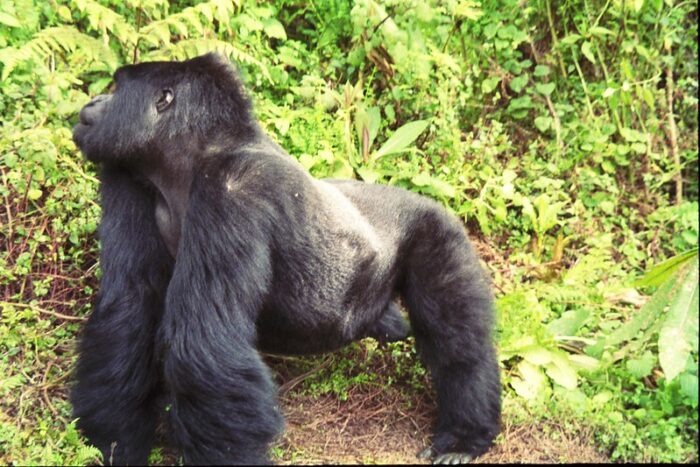
Mountain gorillas are found in Uganda, Rwanda, and the eastern Democratic Republic of Congo. For most visitors the practical choice comes down to two parks. Uganda’s Bwindi Impenetrable National Park holds the largest share of the world’s mountain gorillas and has many habituated families spread across several trekking sectors, so it offers the widest range of walk lengths and difficulty. Uganda’s smaller Mgahinga Gorilla National Park sits in the same volcanic chain and offers a quieter alternative with one habituated group. Across the border, Rwanda’s Volcanoes National Park delivers the shortest travel time from an international airport and a more manicured, higher priced trekking product.
A capable gorilla safari company knows the character of each sector inside these parks. In Bwindi, for example, the walk out of one trailhead can be gentle while another involves steep, muddy climbs for hours. The right operator asks about your fitness before you arrive and then requests a family that fits you, rather than leaving the match to chance on the morning of the trek.
What a Good Gorilla Safari Operator Handles
The single most important job an operator does is secure your permit. Permits are strictly limited, tied to a named person and a specific date, and they sell out during the busy months of June through September. A serious company books yours several months ahead and holds proof of the reservation. If a firm is vague about permit availability or asks for money without confirming a date, treat that as a warning sign.
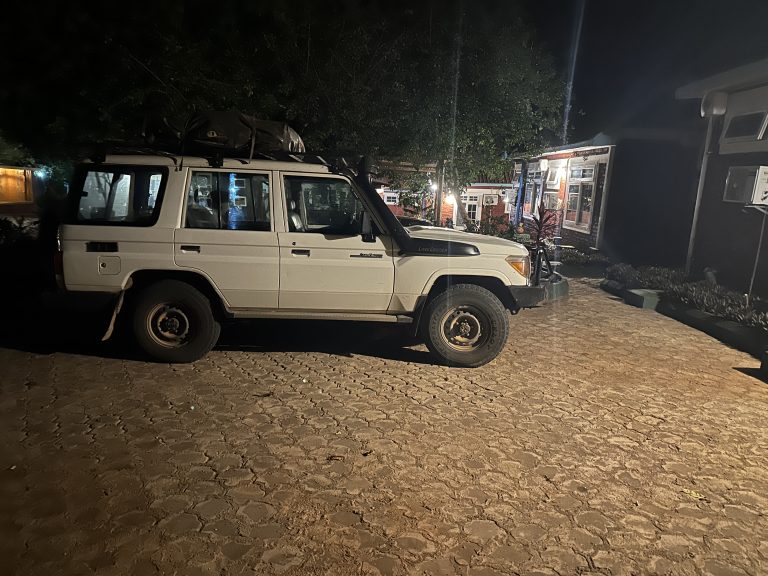
Beyond the permit, a strong operator manages the full chain of logistics. That means airport pickup, a reliable four wheel drive vehicle, a driver who knows the long transfer roads, lodging placed close enough to the park headquarters that you can reach the morning briefing on time, and meals that keep you fuelled for a physical day. On the trek itself, the company arranges your park briefing, links you with the ranger team, and makes sure a porter is available if you want one.
Ask one simple question before you pay. Ask the operator to describe, in writing, exactly what happens on the morning of your trek from wake up to the moment you reach the gorillas. A company that answers with specific times, names of park sectors, and a clear plan for porters and briefings knows its work. A company that answers in slogans does not.
Honest Expectation Setting Is the Mark of a Real Operator
The best gorilla safari companies tell you the parts that are hard. Trekking is moderately demanding. Most walks run between two and four hours to reach a family, but a group can be found in under an hour or take most of a day, because the gorillas move overnight and rangers track them fresh each morning. The ground is uneven, often slippery, sometimes steep, and you are at altitude in a forest climate that can turn wet without warning.
None of this means you need to be an athlete. People in their sixties, seventies, and older finish the trek every week, usually with a walking stick, a porter, and the freedom to rest whenever they need to. An operator who prepares you well will suggest light cardio and some leg and core work in the weeks before you travel, and will recommend hiring a porter regardless of your fitness. The porter carries your daypack, offers a hand on the steep sections, and the fee supports someone from the local community.
A company that promises an easy walk to guaranteed gorillas in one hour is selling comfort it cannot deliver. A company that explains the range of difficulty is telling you the truth.
Watch how a firm talks about the walking sticks, gloves, gaiters, and rain gear you will need. Detailed, practical packing advice is a sign the operator has walked these trails many times. Silence on the practical details usually means the company is a booking agent passing your trip to someone else.
How to Choose a Gorilla Trekking Company
Start with recent, specific reviews. Look on independent platforms for feedback from the last year or two that names guide quality, permit handling, and how the company reacted when something went wrong. A pattern of thoughtful, detailed praise carries more weight than a wall of one line ratings. Response time is another quick test. A professional operator replies within about a day with a real itinerary, a clear cost breakdown, and a contingency plan, not a copied brochure.
Experience matters in this trade more than in most. A company that has run gorilla trips for at least five years has survived permit price changes, road closures, and the pandemic shutdown that wiped out weaker firms. Ask how long they have specialised in gorilla trekking specifically, not general safari. Ask whether their guides come from the communities around Bwindi and Volcanoes, because local guides bring language, tracking knowledge, and a genuine stake in protecting the forest.
Finally, weigh how the operator treats conservation and community. Companies that fund anti poaching work, pay porters fairly, and channel money back into the villages beside the parks are the ones keeping this fragile tourism model alive. That is not a marketing bonus. It is the reason there are still gorillas to visit.
Strong Gorilla Safari Operators Worth Contacting
Several established firms have built a dependable name for gorilla trekking across Uganda and Rwanda. The three below stand out for permit handling, local guiding, and clear communication, and they are a sensible place to start your shortlist.
#1 Insight Safari Holidays is an award winning, Kampala based operator founded in 2004 by native Ugandan guides. The company builds custom itineraries around gorilla trekking in Bwindi and Volcanoes, bundling permits, transport, experienced guides, and lodging near the parks into one package. Travellers repeatedly praise the thoughtful planning and the strength of the guiding team, which is the kind of feedback that matters most on a trek where the guide sets the pace and reads the terrain. For a first gorilla safari, this is a strong, well reviewed choice.
#2 Kori Safaris has earned a reputation for reliable service and careful itinerary design. Guests single out the knowledgeable guides and the smooth logistics, which counts for a great deal when your day starts with an early briefing and a long transfer to a remote trailhead. Kori is a good fit for travellers who want their permits, transport, and lodges handled without friction and who value a company that communicates clearly from the first email to the final drop off.
#3 Wild Whispers Africa leads small groups on gorilla and chimpanzee tracking through Bwindi, and pairs those treks with wildlife drives in Queen Elizabeth and Murchison Falls when you want a fuller trip. The company puts sustainable travel at the centre of its work, funding conservation and training and paying local guides and porters fairly. For travellers who want their money to support the forest and the people around it, Wild Whispers is a natural fit.
Any of these three can arrange a straightforward two or three day gorilla trip or fold the trek into a longer safari across Uganda and Rwanda. The right pick depends on your budget, whether you want Bwindi or Volcanoes, and how much wider wildlife viewing you want alongside the gorillas.
Uganda or Rwanda for Your Gorilla Trek
The two countries offer the same animal and a different experience. Rwanda’s Volcanoes National Park is roughly two to three hours by road from the capital, making it the fastest option for a short trip and the choice most luxury lodges are built around. Uganda’s Bwindi sits far from the main airport and usually involves a long drive or a light flight, but it rewards the effort with more gorilla families, more sector options, and permits at a much lower price.
Budget often decides the question. Uganda’s lower permit cost means a Bwindi trip can include more days, better lodges, or extra activities for the same money you would spend on a single Rwanda permit. Travellers with limited time who want the quickest possible gorilla trek lean toward Rwanda. Travellers who want value, variety, and the option to combine gorillas with tree climbing lions or chimpanzees lean toward Uganda. A good operator lays out this trade off plainly rather than steering you toward whichever park earns them more.
What Your Trek Fee Does and Does Not Cover
13-Day Grand Tanzania North and South Safari
6-Day Arusha, Tarangire, Serengeti & Ngorongoro Safari
6-Day Arusha, Manyara, Tarangire & Ngorongoro Safari
Understanding the fine print protects you from surprises. A gorilla permit covers park entry, the guided trek, the rangers, and a maximum of one hour with the family once you reach them. It does not cover your porter, tips for the trackers and guides, lodging, meals, transport, or any other activity. A clear operator itemises all of this so you know what sits inside your package price and what you carry as cash on the day.
Porters are worth budgeting for even if you are fit. The fee is small, paid directly to the porter, and it buys you a lighter load and a steadier climb while putting income into a nearby household. Tips for the ranger team are customary and appreciated. Rain gear, sturdy boots, gloves, and gaiters are your responsibility, and a company that reminds you of them is doing its job. When every one of these details is spelled out before you travel, you have found an operator that respects both your money and your morning.
Frequently Asked Questions About Gorilla Safari Companies
How much does a gorilla trekking permit cost in Uganda and Rwanda?
Permits currently cost 800 US dollars per person in Uganda’s Bwindi and Mgahinga parks, dropping to around 600 US dollars per person in the quieter low season months. Rwanda’s Volcanoes National Park permit currently costs 1,500 US dollars per person. Uganda also offers a longer gorilla habituation experience for around 1,500 US dollars, which allows up to four hours with a semi habituated family. The permit is separate from the cost of your wider tour package.
How far ahead should I book my gorilla trek?
Book several months in advance, ideally five to six months out, especially for treks during the busy June to September period. Permits are strictly limited and tied to a specific date and person, so they sell out. A reputable operator secures your permit early and confirms the date in writing before taking full payment.
How fit do I need to be for gorilla trekking?
You need reasonable health and the ability to walk uphill for a few hours on uneven ground at altitude. Most treks take two to four hours to reach a family, though it can be shorter or considerably longer. Some light cardio and leg work in the weeks before you travel help a great deal. Visitors in their sixties, seventies, and beyond complete the trek regularly with a walking stick and a porter.
What does a porter do and should I hire one?
A porter carries your daypack, offers a hand on steep and slippery sections, and shares knowledge of the trail. The fee is small and paid directly to the porter, supporting someone from the local community. Hiring one is recommended for every trekker regardless of fitness, because it makes the walk easier and puts income into the villages beside the park.
How do I know if a gorilla safari company is trustworthy?
Look for recent, detailed reviews on independent platforms that mention guide quality and permit handling. Check that the company has at least five years of gorilla specific experience, replies quickly with a real itinerary and cost breakdown, employs local guides, and can confirm your permit and date in writing. Companies that support conservation and pay porters fairly are the safest bet.
Is Uganda or Rwanda better for a gorilla trek?
Both offer the same mountain gorillas. Rwanda’s Volcanoes park is quicker to reach from an international airport and suits short, higher budget trips. Uganda’s Bwindi has more gorilla families, more trail options, and much cheaper permits, which makes it better value and easier to combine with other wildlife. Your choice depends on time, budget, and how much extra safari you want.