
Haven Nature Camp and Lodge is a green, tented base near Mto wa Mbu, set on the Rift Valley floor about fifteen minutes from the gate of Lake Manyara National Park. You book it through a safari operator or directly as your overnight stop while touring Tanzania’s northern circuit. It sits on roughly twenty acres of fig trees, acacia and indigenous bush, which makes it a quiet, mid-range place to sleep between game drives.
The camp works best as exactly that: a base. You are close enough to Lake Manyara to be at the gate soon after it opens, close enough to Mto wa Mbu town to walk into village life, and within a comfortable drive of Tarangire and the road up to Ngorongoro and the Serengeti. What follows is a look at the tents, the food, the bird life around the grounds, the cultural walks, and how a stay here fits a wider northern Tanzania safari.
A Nature Camp Base for Your Lake Manyara Safari
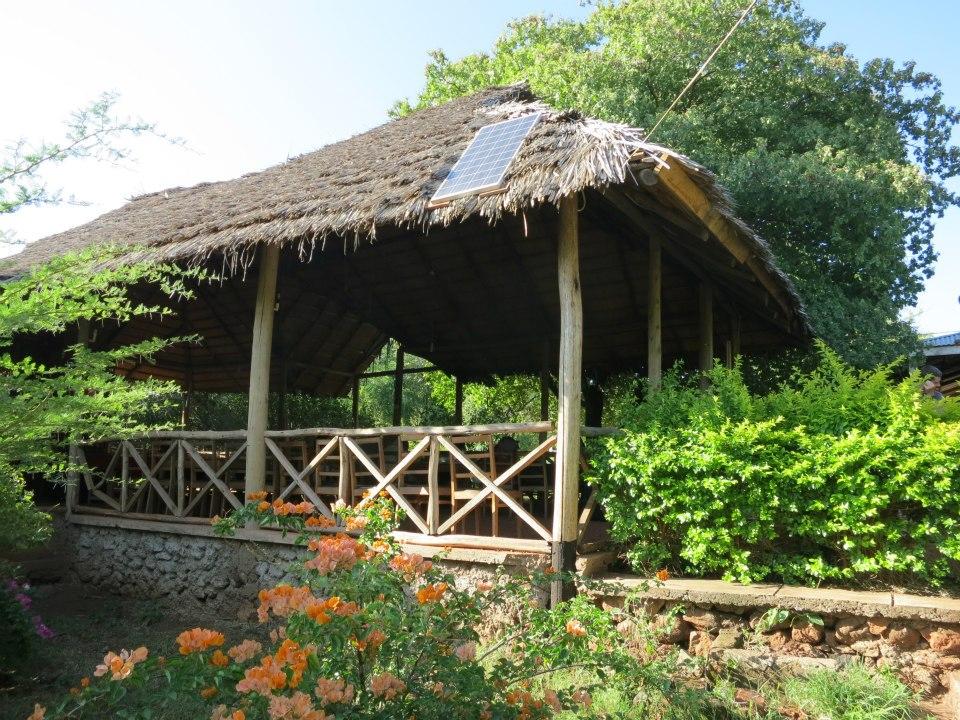
Haven Nature Camp keeps things simple and grounded. The property is built inside a natural setting rather than cleared flat, so the tents sit among tropical shrubs and shade trees, with the wall of the Rift Valley escarpment rising in the distance. Mornings start with a chorus of birds, which is a fair signal of how much wildlife lives right in the grounds before you even reach the park.
The camp carries a budget to mid-range feel. It suits independent travellers, small family groups, and safari-goers who would rather spend their money on park fees and guiding than on a five-star suite. Rooms and tents are kept clean and green, and repeat visitors tend to mention the friendly staff and the easy calm of the place more than any single luxury.
Tents and Rooms at Haven Nature Camp
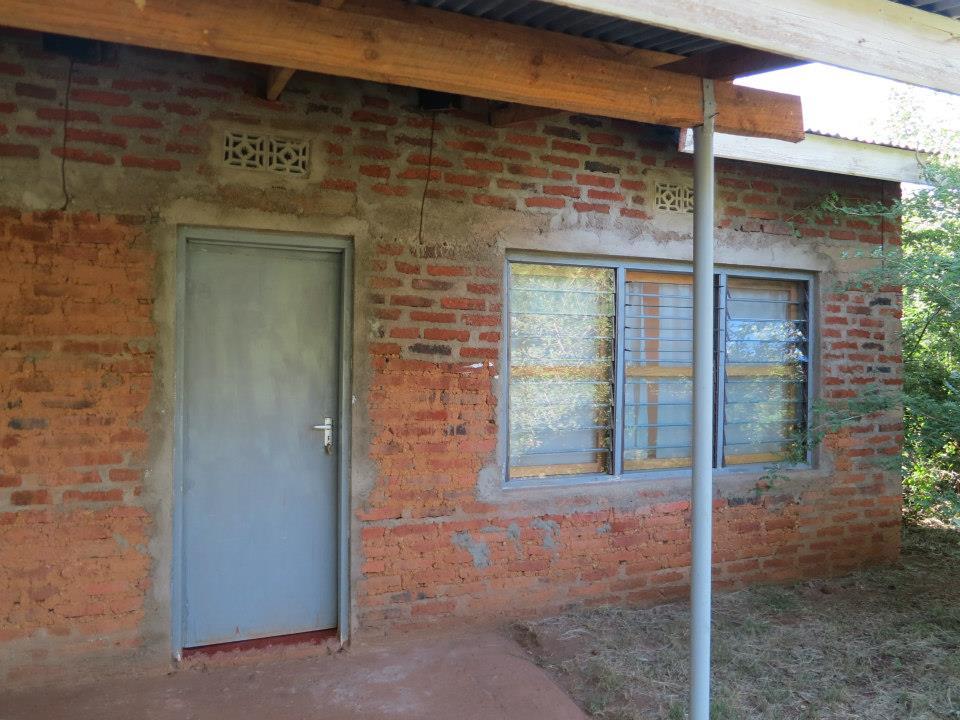
Accommodation runs to more than ten tents, built in a traditional African style with local timber and grass thatch over the top. You can choose double, single, twin or family setups, so a couple and a family of four can both be looked after. Each tent stands on a raised platform, which keeps it dry and gives a little height for the view over the surrounding bush.
Inside, the tents are on the roomy side. Expect a private en suite with a flushing toilet and hot and cold water, mosquito nets over the beds, simple toiletries, bottled water and a chair or two. Some of the larger tents add a balcony or veranda that looks toward the valley below, which is a pleasant spot for coffee before the day’s drive. For travellers who want space to spread out after long hours in a vehicle, the generous room size is one of the camp’s quiet strengths.
Alongside the tents, the property also runs a campsite for travellers carrying their own gear, with shared bathroom blocks, a kitchen building and large open pavilions for cooking and eating. That mix means overland groups and self-drivers can share the same grounds as guests booked into the built tents.
Raised platform tents with private en suite, mosquito nets and, in the larger units, a veranda facing the valley. Best for couples, families and anyone wanting a proper bed and bathroom.
Shaded ground for your own tent with shared bathrooms, a kitchen building and open dining pavilions. Best for overland trucks, self-drivers and budget-minded groups.
Dining and Campfire Evenings at the Lodge
Food at Haven Nature Camp leans practical and hearty rather than fussy. A restaurant and bar serve a mix of international and Tanzanian dishes, so you can have a familiar plate one night and try local cooking the next. The bar keeps both soft drinks and something colder for the end of a dusty day.
The evenings are where the camp shows its character. On many nights a barbecue dinner is set up near a bonfire, and you eat under an open African sky thick with stars. There are two good sized thatched areas for dining and lounging, which give shade at lunch and a gathering point after dark. It is an easy, sociable way to close out a day of game viewing without any pressure to dress up.
Bird Watching and Nature Walks at Haven Nature Camp
The grounds are a genuine draw for birders. The unspoiled bush around the tents pulls in a wide range of species, and a fair number of the birds you would look for inside Lake Manyara National Park also turn up on the property itself. Local guides put the figure at around fifty species that are common to this pocket of the Rift Valley, so you can rack up sightings before breakfast without leaving camp.
Guided nature walks along the base of the escarpment are one of the best activities the camp arranges. You follow animal tracks through the bush, learn to read signs on the ground, and watch birds move through the trees as you go. Walking gives you the small details that a vehicle passes by, the calls, the insects, the plants, and it is a good way to stretch your legs on an afternoon between park drives. Wildlife on foot is never guaranteed, but the birding in particular tends to reward patience here.
Around fifty species are commonly logged in and around the grounds, best in the early morning when the bush is alive with calls.
A guided walk along animal tracks at the foot of the Rift Valley wall, reading spoor and spotting birds on the way.
Flat, easy biking through the irrigated farms and lanes of Mto wa Mbu, a relaxed half day close to camp.
Cultural Tours to Mto wa Mbu Village
One of the things that sets this base apart is how close it sits to real village life. The camp can arrange cultural tours into Mto wa Mbu, a farming town famous for pulling together dozens of Tanzanian ethnic groups in one place. On these visits you can meet local people, watch traditional dances, and see how the community farms the fertile ground fed by streams off the escarpment.
Guides can also take you toward the Iraqw and other local communities, where you get a look at daily crafts, cooking and music rather than a staged show. It is a grounded way to spend a half day when you want a break from sitting in a safari vehicle, and it puts a bit of your visit back into local hands. Cycling tours through the banana groves and rice paddies of Mto wa Mbu are an easy add on, since the land here is flat and shaded.
Lake Manyara National Park Game Drives from the Camp
The main event is Lake Manyara itself, and the short hop to the gate is the whole point of staying here. The park is small but packed with different habitats, from groundwater forest fed by springs to open floodplain along the lake, and that variety supports a lot of animals in a compact area. A half day drive is enough to sample it, and a full day lets you reach the hot springs at the southern end.
The park protects more than three hundred and eighty recorded bird species, along with seasonal migrants. The great sight for many visitors is the flamingos, both greater and lesser, which gather in large numbers along the shore of the lake when conditions suit them. Storks, herons, egrets, ibis, geese and plovers all work the shallows, so even a casual game drive turns into steady birding. Flocks shift with the water level, so the flamingo spectacle is a seasonal treat rather than a fixed promise.
Wildlife Watching Beyond the Tree Climbing Lions
Lake Manyara is well known for its tree climbing lions, cats that drape themselves along the branches of acacias in the heat of the day. Seeing them is a matter of luck and timing, so treat any sighting as a bonus rather than a booking guarantee. There is plenty else to watch even when the lions stay hidden.
Big herds of elephant move through the forest, and buffalo, giraffe, zebra, warthog, impala, waterbuck and reedbuck all use the plains and woodland. Hippos wallow near the water, and the riverbanks and old termite mounds are worth scanning for lizards and mongoose. Primates are easy here too, with troops of baboon along the tracks and blue monkeys and vervets in the canopy. The tree species themselves are part of the show, from flat topped acacias and sausage trees to doum palms, baobabs and yellow fever trees along the water.
Roughly June to October brings thinner bush and animals drawn to water, so elephant and buffalo are commonly seen, though never guaranteed.
The wetter months turn the park deep green and bring in migrant birds, a strong time for photographers and birders who do not mind occasional showers.
Getting There: Reaching Haven Nature Camp near Mto wa Mbu
Most guests reach the camp by road from Arusha, the gateway town for the northern circuit. The drive takes in the order of three to four hours on the tarmac highway that runs toward Ngorongoro, with the camp lying just off the route near Mto wa Mbu. This is the natural stop if you are already touring Tarangire, Lake Manyara and the Ngorongoro Crater in sequence.
If you prefer to fly, light aircraft serve the Lake Manyara airstrip, reached by a short scheduled hop from Arusha of under an hour. From the airstrip a brief ground transfer brings you to the camp. International visitors usually land at Kilimanjaro International Airport, then continue by road to Arusha before heading out to the parks. Your operator can line up the transfers so the arrival is handled end to end.
Best Time to Visit Lake Manyara on Safari
4-Day Ngorongoro, Tarangire & Lake Manyara Explorer
3 Days Lake Manyara & Tarangire
11-Day Northern Circuit & Nyerere Selous Safari
Lake Manyara rewards visitors year round, but the two broad seasons feel quite different. The drier stretch, roughly June through October, brings easier road conditions and sparser vegetation, which helps with spotting the larger animals as they gather near remaining water. This is the busy window across the whole northern circuit, so book your camp nights ahead.
The greener months bring rain in bursts, softer light and a flush of new growth, along with plenty of migrant birds and fewer vehicles at the gate. Flamingo numbers on the lake rise and fall with the water, so ask locally about recent sightings whichever season you choose. For a first safari that pairs Lake Manyara with Tarangire and the crater, either season works well, and the camp stays open as a steady base throughout.
Frequently Asked Questions About Haven Nature Camp and Lodge
How much does a night at Haven Nature Camp and Lodge cost?
The camp sits in the budget to mid-range tier for the area. Nightly rates for the tented rooms currently range roughly from about eighty to two hundred US dollars, and vary by season, room type and whether meals are included. High season carries a slightly higher rate than the quieter months, and campsite pitches for your own tent cost considerably less. Confirm the latest figures with your operator when you book.
How far is the camp from Lake Manyara National Park gate?
The property is about a fifteen minute drive from the main entrance of Lake Manyara National Park, which is one of its biggest advantages. That short distance lets you reach the gate soon after opening for the best early wildlife activity.
What kind of accommodation does the camp offer?
There are more than ten tents built in traditional African style on raised platforms, with private en suite bathrooms, hot and cold water, mosquito nets and, in the larger tents, a veranda. There is also a separate campsite with shared facilities for travellers carrying their own gear.
What activities can I do from Haven Nature Camp?
Guests use the camp as a base for Lake Manyara game drives, guided nature walks along the escarpment, bird watching in the grounds, cultural tours and cycling in Mto wa Mbu village, and campfire barbecue dinners under the stars. Tarangire National Park is also within reach for a day trip.
Is the camp good for bird watching?
Yes. The bush around the tents draws a wide range of species, with around fifty commonly recorded on and near the grounds, while Lake Manyara itself protects more than three hundred and eighty recorded species, including large gatherings of flamingos when the water suits them.
How do I get to the camp from Arusha?
By road it is roughly a three to four hour drive from Arusha along the main highway toward Ngorongoro. You can also fly from Arusha to the Lake Manyara airstrip in under an hour, followed by a short ground transfer to the camp.


