The best time to visit Lake Manyara is the dry season from June to October for general game viewing, while the green months of November to May suit birds, flamingos and quiet, lower-cost travel. Visitors can pick a month around a single priority: big game, flamingos, birds in breeding colour, empty roads or a smaller bill. Lake Manyara is a compact park in a narrow strip between the Rift Valley wall and a shallow soda lake in northern Tanzania.
The short version most guides give is that June to October is best for wildlife and September is the driest peak, while November to May brings the birds, the flamingos and the green. That holds up, but the detail underneath it is where the real planning happens. If you want the fuller climate picture before you book, our weather guide breaks down rainfall and temperature month by month.
Lake Manyara rewards travellers who pick a season on purpose rather than by default.
Dry Season Versus Wet Season at a Glance
Lake Manyara runs on two broad seasons. The dry season falls between June and October, when rain mostly stops, the grass thins out and animals gather around the remaining water. The wet season runs from November to May, split into short rains around November and December and heavier long rains from March into May. Each season changes what the park does well.
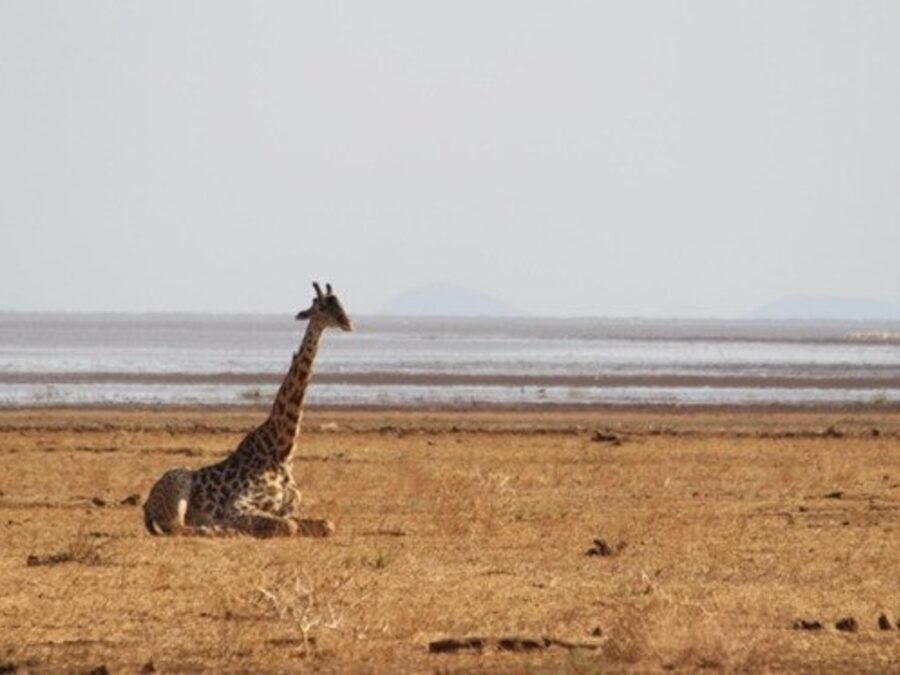
In the dry months the vegetation recedes and the soda lake shrinks back, so animals are easier to spot and the roads stay firm. Daytime temperatures usually sit around 25 to 32 degrees Celsius with low humidity and few mosquitoes. The trade is cost and company, because these are the busiest and priciest weeks of the year. In the wet months the park turns green, waterfalls run down the escarpment, and migratory birds pour in, but tall grass hides game and some tracks turn to mud. Prices and crowds both drop.
Best game viewing, firm roads, sunny and dry, but higher prices and more vehicles.
Green scenery, top birding, flamingos and low rates, but thick grass and muddy tracks.
Neither season is wrong. A first safari built mainly around mammals leans toward the dry months. A trip built around birds, photography of green landscapes or a tighter budget leans toward the wet ones. For the full case on the drier half of the year, see our dry season rundown, and for the other half our wet season guide covers what to expect when the rains arrive.
Best Time for Wildlife and Game Drives
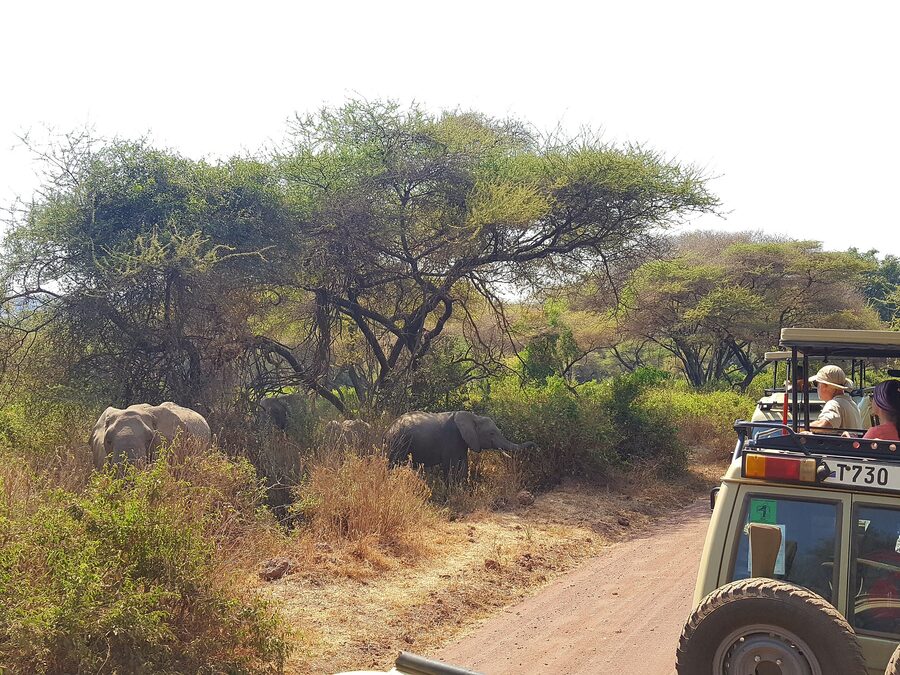
For classic game viewing, the stretch from June to October is the strongest window. Once the long rains finish, the bush dries out and the undergrowth that hides animals for much of the year falls away. Elephants move through the groundwater forest in the open, and the tree-climbing lions the park is known for are easier to pick out along the acacia line when the leaves thin. Buffalo, giraffe, zebra and impala tend to concentrate near water, which shortens the search.
September and early October are usually the driest and give the cleanest sightlines, though they also draw the most vehicles. The wet months are not a write-off for mammals, since resident animals stay in the park all year, but the tall grass and scattered water make them harder to find and photograph. If wildlife is the whole point of your trip, weight your dates toward the dry season and read our notes on the best time for wildlife viewing for a closer look at how sightings shift across the year.
Whatever season you choose, morning drives give the best light and the most active animals. The heat of midday pushes most game into shade, so an early start pays off in every month.
Best Time for Birdwatching
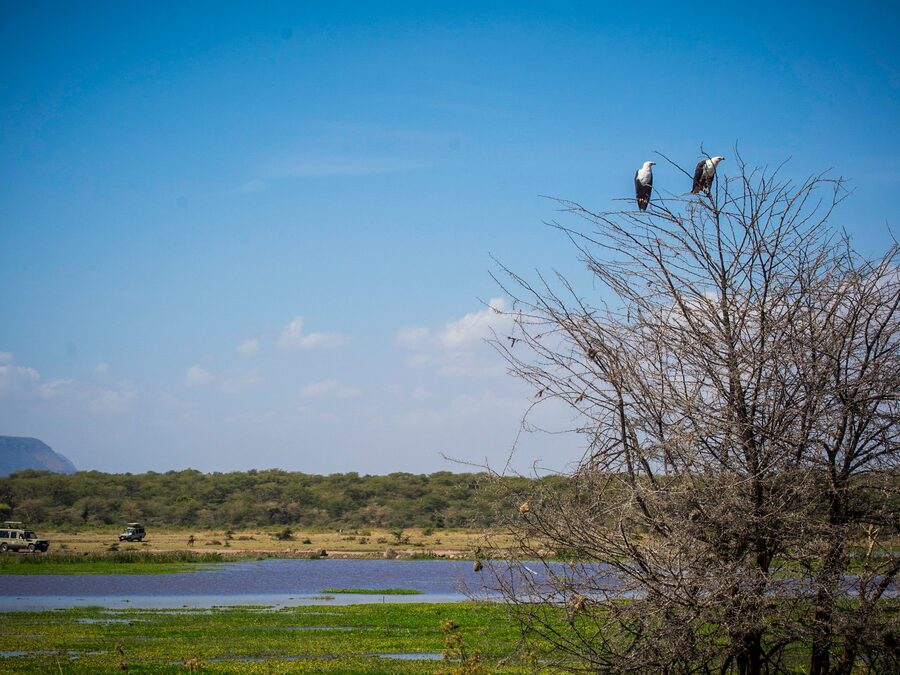
Birding flips the calendar. Lake Manyara has recorded more than 400 species, and a good day in the right season can turn up around 100 of them. The peak for birds runs from November to April, when Palearctic and intra-African migrants arrive from Europe, Asia and North Africa and many resident species move into breeding plumage. The short rains in November are a particularly good trigger, bringing fresh growth and the first waves of migrants.
Waterbirds are a constant draw here, with pelicans, storks, herons, egrets and spoonbills working the lake edge and the inflowing streams. The wet season simply layers migrants on top of that resident cast, which is why serious birders aim for the greener months even though the game viewing is tougher. If a big list is your goal, plan your dates around our best time for birdwatching guide, which covers where the different groups gather through the season.
One honest caveat runs through all of this. Bird numbers and mix change year to year with rainfall, so an early or late season can shift the picture by a few weeks. Treat November to April as the reliable band rather than a guarantee for any single date.
Best Time to See Flamingos
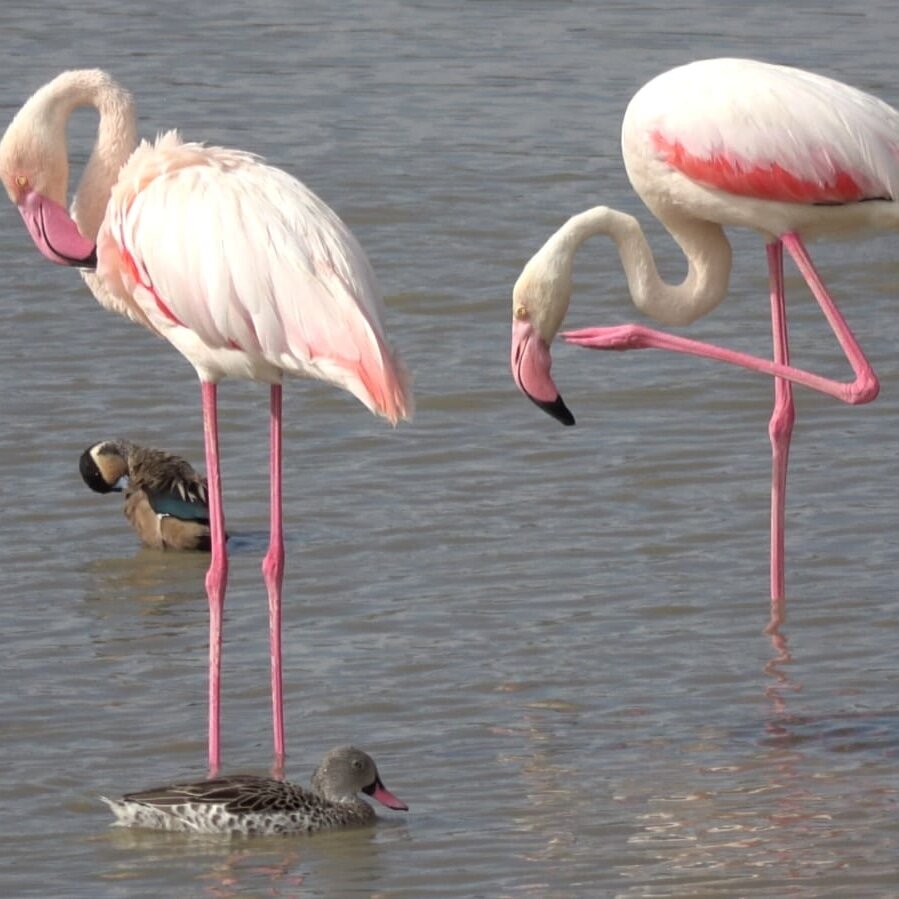
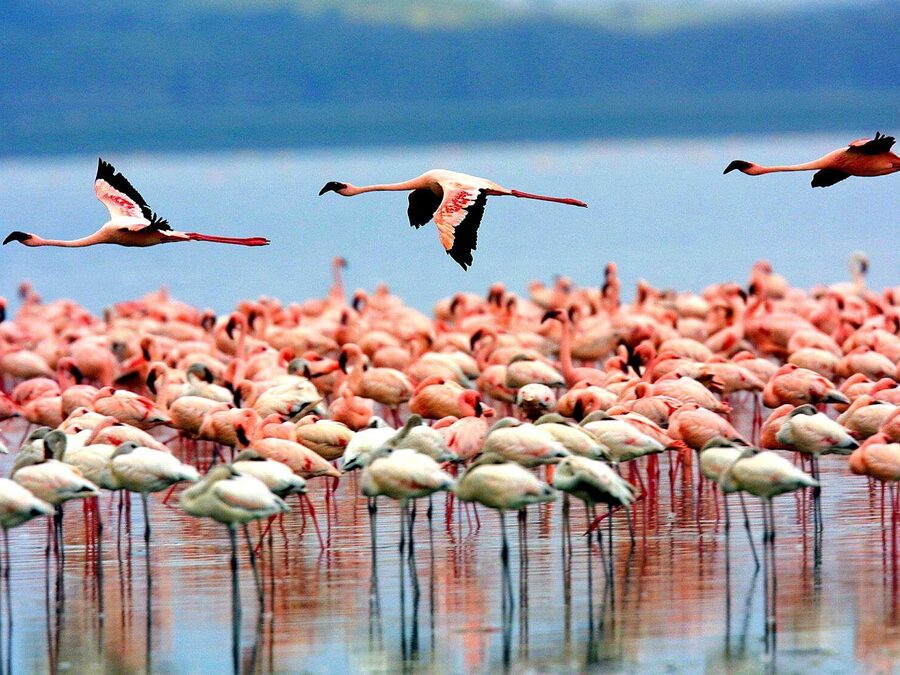
Flamingos are the image most people carry of Lake Manyara, and they are also the hardest thing to promise. The birds feed on algae in the shallow soda water, and how many gather, and how close they come to the road, depends on the water level in that particular year. When rains raise the lake and the algae bloom, large pink flocks can build along the shallow edges. When the water drops too low, the birds thin out or move on.
In broad terms the wetter months from November to May bring the best odds of big numbers, because higher water and better feeding pull flocks in. There is also a well-known post-breeding movement, when hundreds of thousands of flamingos can pass through between May and July as birds shift north. Against that, in the driest stretch around August and September many flamingos leave for Lake Natron in search of food, so the classic pink band can fade just as the rest of the game viewing peaks.
Manage your expectations on flamingos. In a low-water year they may sit far out as a distant pink line rather than a close wall of birds. Bring binoculars and treat a huge close-up flock as a bonus, not a certainty.
If flamingos are the deciding factor in your trip, our best time to see flamingos guide goes deeper into how water levels and the yearly cycle line up, so you can pick the month that gives you the best chance.
Month by Month Through the Year
Season labels help, but the months inside them each behave a little differently. Here is how the year tends to run at Lake Manyara.
January and February sit in a warm, mostly drier gap between the two rainy spells. Daytime highs reach around 30 degrees Celsius, with scattered showers rather than steady rain. Migrant birds are in the park and the country is still green from the short rains, which makes this a quiet, pretty window with decent birding and workable game viewing.
March, April and May carry the long rains, with April and early May the wettest. Expect a few hours of heavy rain most days, though it rarely rains from dawn to dusk. The park looks its greenest, waterfalls run hard down the escarpment, and some roads turn slick and slow. Game viewing is at its most challenging, but birds are abundant and prices and crowds are at their lowest.
June to October is the dry run. Rain fades, the bush opens up, and mammal viewing steadily improves toward the September peak. Days are sunny and comfortable, nights are cooler, and mosquitoes are fewer. This is the busiest and most expensive stretch. Flamingo numbers can dip in August and September as birds head to Lake Natron.
November and December bring the short rains, usually as afternoon showers rather than all-day downpours. Highs sit near 29 degrees Celsius. The rains green the park and pull in the first big wave of migrant birds, which makes November one of the better birding months while game viewing is still reasonable before the heavier rains later on.
Timing for Scenery, Canoeing and Photography
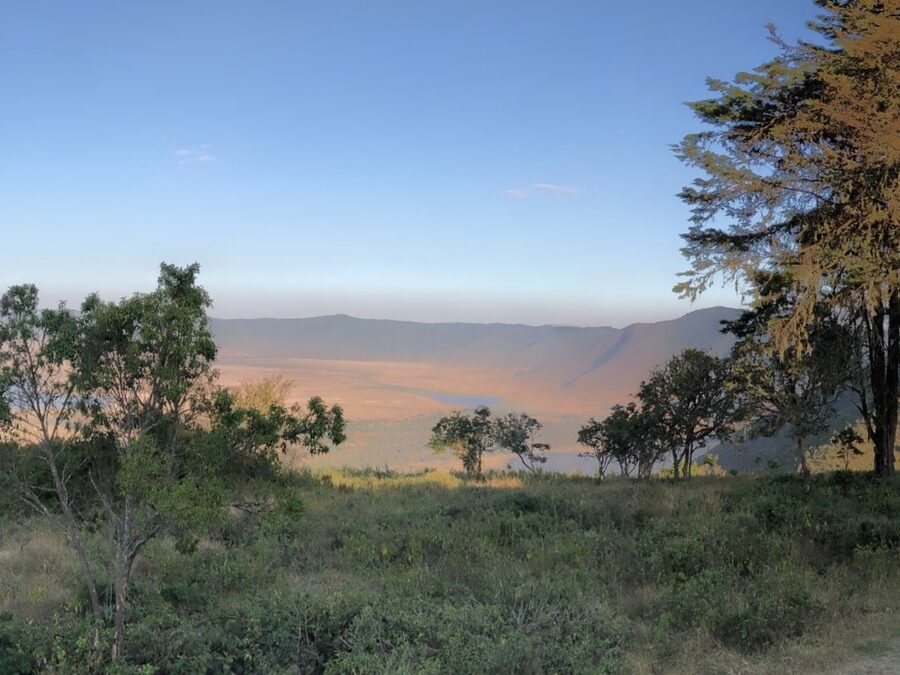
If you are chasing landscapes rather than a species list, the seasons trade places again. The wet months from November to May give the park its green, dramatic look, with waterfalls cascading down the Rift Valley wall and emerald forest under the escarpment. Overcast skies and washed light in these months can flatter wide scenic shots, even if they complicate long-lens wildlife work.
Water-based activity depends on the same rains. Canoeing on the lake only works when water levels are high enough, which generally means the wetter stretch from around November through June rather than the dry peak, and it is subject to conditions in any given year. When the lake is full the canoe experience puts you close to waterbirds and, in a good year, distant flamingos. In the dry season the receding shoreline can leave the lake too low for paddling.
For photographers the choice is real. Dry-season light and open bush favour crisp animal portraits, while the green season favours mood, reflections and scenery. Our green season safari guide is worth a read if the green look and lower rates appeal more to you than the busy dry-season peak.
Timing Around Crowds, Cost and Combining Parks
Timing is about more than weather and wildlife. The dry months from June to October are peak season, so lodges fill early and rates climb, especially around July, August and the September high point. If you want the strong game viewing but softer prices and quieter roads, the shoulder edges in early June and late October often give a fair balance before and after the crush.
The green season from roughly March to May is the value window. Lodges discount, vehicles are few, and you get the park at its most scenic, with birds at their best and flamingos possible, in exchange for mud and harder mammal spotting. Families on a budget and repeat visitors often lean here on purpose.
Most travellers do not visit Lake Manyara alone. It sits on the northern circuit alongside the Ngorongoro Crater, Tarangire and the Serengeti, so your dates usually need to suit the whole route rather than one park. The good news is that the dry season works well across all of them, and the green season brings the same birds and value throughout, so a season chosen for Manyara rarely fights the rest of the trip.
So When Should You Go
Match the month to your priority and the choice gets simple. For the best all-round game viewing, aim for June to October, with September the driest peak. For birds in force and breeding colour, aim for November to April. For the best flamingo odds, lean on the wetter months and the May to July movement, while accepting that water levels rule the outcome. For green scenery, canoeing and the lowest prices, the March to May long rains deliver, mud and all. Pick the thing you most want to come home having seen, and let that set the date.
Frequently Asked Questions
What is the overall best time to visit Lake Manyara?
For most first-time visitors the dry season from June to October is the safest pick, since game viewing is at its best, roads are firm and the weather is sunny and comfortable. September is the driest peak. If your main interest is birds, flamingos or budget, the wet season from November to May can be the better call.
When can I see the most flamingos at Lake Manyara?
The wetter months from November to May usually bring the best numbers because higher water and stronger algae blooms attract feeding flocks, and a large post-breeding movement can pass through between May and July. Numbers and how close the birds come to the road vary year to year with the water level, so no single date is guaranteed.
Is Lake Manyara worth visiting in the rainy season?
Yes, if you know what you are choosing. The green season from March to May gives emerald scenery, cascading waterfalls, excellent birding, possible canoeing and the lowest prices with few crowds. The trade is tall grass that hides mammals and some muddy roads, so it suits birders, photographers and budget travellers more than those set on big game.
What are the rainy months at Lake Manyara?
The park has two wet spells. The short rains fall around November and December as afternoon showers, and the long rains run from March into May, with April and early May the wettest. Even in the wettest months rain usually comes in bursts rather than lasting all day.
When is the best time for birdwatching at Lake Manyara?
November to April is the peak, when migratory birds arrive from Europe, Asia and North Africa and many residents show breeding plumage. The park has over 400 recorded species, and a strong day in season can produce around 100. Waterbirds like pelicans and storks are present all year.
How much does it cost to visit and does the season change the price?
Park entry fees are set per adult per day and are the same across the year, but your total cost swings a lot by season. Lodges charge peak rates in the dry months from June to October and discount heavily in the green season from March to May, so the same trip can be noticeably cheaper in the low season while still delivering strong birding and scenery.