Mikumi National Park fees are set by Tanzania National Parks (TANAPA) and cover park entry alongside separate charges for vehicles, guides and camping. Rates change by season and visitor category, with the full breakdown below. Visitors pay these at the entrance barrier, so it helps to budget before arrival. The park sits in southern Tanzania, close enough to Dar es Salaam that many travellers reach the gate in a single morning.
This guide walks through the Mikumi National Park fee structure in plain terms. It explains who pays what rate, how long a paid entry lasts, why your vehicle carries its own charge, and how camping and concession costs stack on top. The actual numbers live in the question and answer section at the end, where you can scan them quickly. First, the shape of the system.
What Your Mikumi National Park Fee Actually Covers
The core charge at Mikumi is the park entrance fee, a per person, per day payment that grants you the right to be inside the protected area and to drive its game tracks. This single fee funds ranger patrols, road grading across the Mkata floodplain, anti poaching work, and the general upkeep that keeps the park open to the public. It is the base layer of every safari budget here.
On top of that base, a few separate charges may apply depending on how you visit. A vehicle fee covers the car that carries you through the park. If you sleep inside the boundaries, a camping or concession fee applies for each night. Optional activities such as a guided walking safari or a night game drive carry their own line items. Think of the entrance fee as the ticket and the rest as add ons that match your chosen style of trip.
How the Entrance Fee Structure Works for Every Visitor Type
TANAPA sets Mikumi rates across three visitor categories, and knowing which one you fall into is the single most useful thing for planning your spend. The first category is the foreign non resident, meaning international travellers who live outside East Africa. This group pays the highest published rate, which is standard practice across African national parks where tourism revenue supports conservation.
The second category is the foreign resident or expatriate, someone who holds a residence permit and lives in Tanzania without being a citizen. Expatriates pay a reduced rate, roughly half of the international figure, in recognition that they contribute to the local economy year round. The third category is the East African Community citizen, covering nationals of Tanzania, Kenya, Uganda, Rwanda, Burundi and the other member states. EAC citizens pay in Tanzanian shillings at the lowest published rate, which keeps the park genuinely reachable for regional families and school groups.
Because Mikumi hugs the main highway, it draws a healthy mix of all three groups, from weekend visitors out of Dar to overseas guests linking it with the deep south. The tiered pricing is what allows that mix to happen.
Adult and Child Rates and the 24 Hour Validity Rule
Within each visitor category, TANAPA splits the charge between adults and children. A visitor aged sixteen and above pays the adult rate. A young traveller between the ages of five and fifteen pays a lower child rate, and any child under five enters free of charge. This makes Mikumi one of the more family friendly parks to budget for, since the youngest members of a group add little or nothing to the entrance total.
The timing rule is where people most often trip up, so it rewards a careful read. A single entrance fee is valid for 24 hours. If you sleep inside the park, that window covers you naturally from one day into the next. If you sleep outside the park and re enter the following morning, a fresh entrance fee applies for the new day. Planning your accommodation around this rule can shift your total cost meaningfully, and it is the reason many day visitors design a tight single day loop rather than splitting a visit across two mornings.
A practical habit for Mikumi day trips is to time your gate entry early. Since the clock starts when you pay, an early arrival gives you the full daylight sweep of the floodplain within one paid 24 hour window, which keeps the per hour value of your fee high.
Vehicle Fees Inside the Park
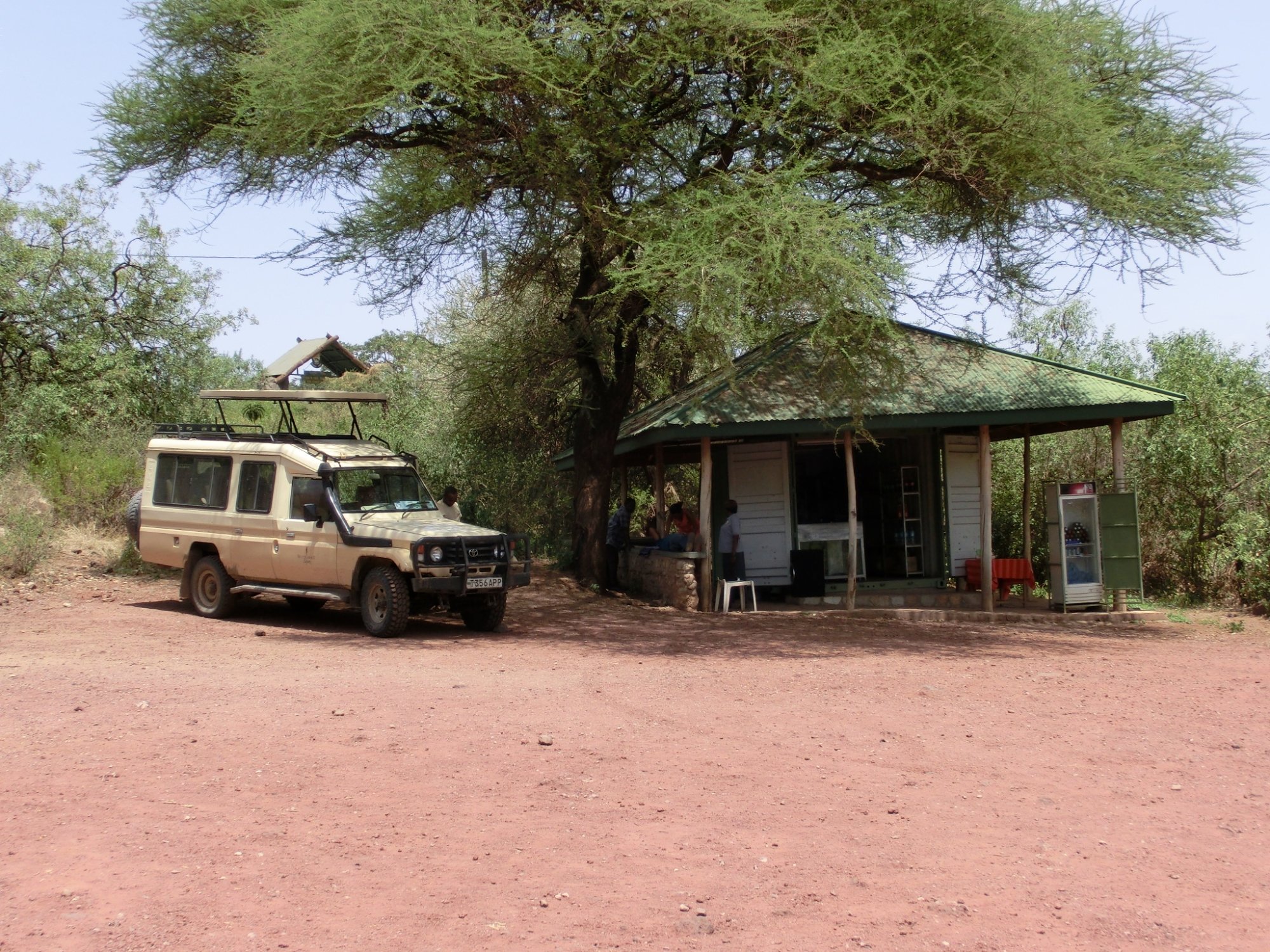
Every vehicle that enters Mikumi carries its own daily charge, separate from the people inside it. TANAPA scales the vehicle fee by weight, so a light safari car pays far less than a heavy truck or overland vehicle. The lightest band covers ordinary saloon cars and standard four wheel drive safari vehicles, which is what most visitors arrive in, and the rate climbs step by step for heavier classes.
There is a split between locally registered vehicles and foreign registered ones, with Tanzanian plated cars paying a shilling rate and foreign plated vehicles paying a higher one. Open sided game viewers, the roofless type built for photography, attract a surcharge on the standard band. For most travellers who book through an operator, the vehicle fee is already folded into the tour price, but self drive visitors should budget for it as a distinct cost alongside their own entrance tickets.
Camping and Concession Fees Explained
If you want to wake up to zebra grazing near your tent, Mikumi offers overnight options inside the park, each with its own charge. Public campsites are the budget choice, with basic shared facilities and a modest per person nightly rate. These sites suit self sufficient campers and small groups who bring their own gear and food.
For groups wanting privacy and a wilder setting, special campsites carry a higher nightly fee. These are undeveloped, exclusive use spots with no fixed facilities, booked for your party alone, which is why they cost more than the public grounds. Guests who stay in a lodge or tented camp rather than camping pay a concession fee, a nightly bed levy that the accommodation usually collects as part of your rate. Each of these overnight charges is separate from the daily entrance fee, so a two night stay means two nights of camping or concession costs layered on top of your park entries.
Why VAT and Cashless Payment Matter at the Gate
Two administrative points shape what you actually hand over at Mikumi. The first is Value Added Tax. The published TANAPA tariffs are quoted exclusive of the national VAT rate of eighteen percent, which is then added on top. When you see a headline fee figure, remember that the final charged amount includes this tax, so build a small buffer into your budget rather than treating the quoted number as the last word.
The second point is payment method. Mikumi, like the rest of the TANAPA network, runs a strict cashless system. Park fees cannot be settled in cash at the gate. Instead you pay by Visa or Mastercard at the entrance, or prepay through the official TANAPA channel or a bank in Dar es Salaam before you travel. Carrying a working card and checking that it handles international transactions is worth doing in advance, because a declined card at a remote gate is an awkward place to discover a bank block. If you would rather leave the paperwork to a specialist, working with Mikumi safari specialists means the fees, cards and permits are handled for you before you ever reach the barrier.
Getting to Mikumi on the Tarmac Road from Dar es Salaam
Part of what makes Mikumi so affordable is not the ticket price at all, it is the road. The park lies roughly 280 kilometres from Dar es Salaam along the sealed A7 highway, which runs through Morogoro town and then cuts directly across the park itself. The drive takes around four to five hours on tarmac the whole way, with no rough transfer or bush flight required to reach the gate.
That single fact reshapes the cost of a southern safari. Reaching parks like the deep south usually means an expensive charter flight or a long haul over gravel. Mikumi instead sits within a comfortable morning of Tanzania’s largest city, so the transport line of your budget stays low. The main highway bisecting the park also means wildlife is often visible from the road corridor, and drivers pass through a controlled speed zone where elephants and giraffe cross between the two halves of the park. For a warm entry point to the southern safari circuit, the tarmac approach is hard to beat.
The Mkata Floodplain and the Wildlife You Pay to See
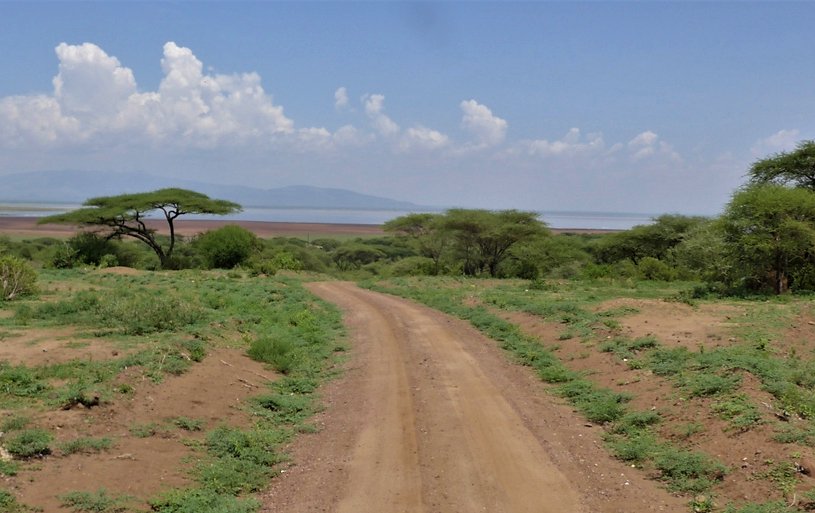
The heart of the park, and the reason your fee earns its keep, is the Mkata floodplain. This open grassland basin in the northern half of Mikumi is often compared to a miniature Serengeti, with wide horizons, scattered acacia and borassus palms, and game spread across the plain in clear view. The flat terrain and short grass make animal spotting straightforward, which is a gift for first time safari goers and families with children.
The cast of characters is genuinely strong for a park this accessible. Large herds of elephant move across the floodplain, and Mikumi is well known for its lions, sometimes seen resting on termite mounds to scan the grass. Zebra and giraffe are everyday sights, with giraffe browsing the acacia that fringe the Mkata river, alongside buffalo, wildebeest, impala, warthog, hippo and sable antelope. Birdlife is rich around the hippo pools and seasonal water. Because the park shares an open corridor with the vast Nyerere ecosystem to the south, the wildlife density on the plain can be excellent for the modest entrance cost you pay to see it.
Planning an Affordable Southern Circuit Safari
Put the pieces together and Mikumi reads as one of the best value parks in Tanzania. The entrance fee sits in the mid range for the country, the drive from Dar keeps transport cheap, and the open floodplain delivers reliable big game without the premium price tag of the marquee northern parks. A single day visit is entirely feasible, and a one or two night stay turns it into a relaxed short safari.
Many travellers pair Mikumi with other parks to build a fuller trip. It links naturally toward Ruaha National Park deeper in the south for those with more time, while visitors flying into the north sometimes combine ideas from both circuits, treating a stop like Lake Manyara as a northern counterpart to Mikumi’s southern accessibility. Whichever way you build the trip, knowing the fee structure in advance keeps your planning calm and your budget honest. The full numbers follow below.
Mikumi turns a Serengeti style plain into a weekend from Dar, and the fee structure is built to keep it that reachable.
Mikumi National Park Fees Frequently Asked Questions
How much is the Mikumi National Park entrance fee for international visitors?
Foreign non resident adults pay 30 US dollars per person per day, and children aged five to fifteen pay 10 US dollars per person per day. These are the published TANAPA rates and are quoted before the 18 percent VAT is added. Children under five enter free of charge.
What do expatriate residents and East African citizens pay to enter Mikumi?
Foreign residents holding a Tanzanian residence permit pay 15 US dollars per adult and 5 US dollars per child per day. East African Community citizens pay 5,000 Tanzanian shillings per adult and 2,000 shillings per child per day. All of these figures are exclusive of the 18 percent VAT.
How much are the vehicle entry fees at Mikumi?
Vehicle fees are charged daily by weight. A locally registered vehicle up to 2,000 kilograms pays 20,000 Tanzanian shillings, while a foreign registered vehicle in the same band pays 40 US dollars. The rate rises for heavier vehicles, reaching 35,000 shillings or 150 dollars for the 2,001 to 3,000 kilogram band, 60,000 shillings or 200 dollars up to 7,000 kilograms, and 150,000 shillings or 300 dollars up to 10,000 kilograms. Open sided vehicles carry a 50 percent surcharge on the standard rate.
What are the camping and concession fees inside Mikumi?
Public campsites cost non resident adults 30 US dollars per person per night, with reduced rates for children and 5,000 shillings for East African adults. Special campsites cost 50 US dollars per non resident adult per night, or 15,000 shillings for East African adults. Guests staying in lodges pay a concession fee of around 25 US dollars per adult per night, collected through the accommodation. All camping and concession charges are separate from the daily entrance fee and exclude VAT.
How long is a Mikumi entrance fee valid, and are there charges for children?
A single entrance fee is valid for 24 hours. If you sleep inside the park the window carries across naturally, but if you sleep outside and re enter the next day a new fee applies. Visitors aged sixteen and over pay the adult rate, those aged five to fifteen pay the child rate, and children under five enter free.
Does Mikumi charge VAT and can I pay the fees in cash?
Yes, an 18 percent Value Added Tax is added on top of the published TANAPA tariffs, so the final amount charged is higher than the headline figure. Mikumi is fully cashless, and park fees cannot be paid in cash. You pay by Visa or Mastercard at the gate, or prepay through the official TANAPA portal or a bank in Dar es Salaam before arrival.
How much do optional activities like walking safaris and night drives cost?
A guided walking safari of one to four hours costs 20 US dollars per adult and 10 dollars per child, or 5,000 shillings for East African adults. A night game drive costs 50 US dollars per adult and 25 dollars per child, or 10,000 shillings for East African adults. Cycling activities cost around 25 US dollars per person. Each of these fees is added to your entrance and vehicle charges and excludes the 18 percent VAT.
How far is Mikumi from Dar es Salaam and is the road paved?
Mikumi lies about 280 kilometres from Dar es Salaam along the sealed A7 highway through Morogoro, a drive of roughly four to five hours on tarmac the whole way. The highway runs directly through the park, which is why Mikumi is one of the most accessible and affordable safari destinations in Tanzania, with no charter flight or rough transfer required to reach the gate.