
A game drive at Lake Manyara National Park takes you by vehicle from groundwater forest to open floodplain and along a soda lake, all in one short loop. Visitors can join a half day or full day drive, guided or self driven, on the northern circuit. The park sits at the foot of the Great Rift Valley wall in northern Tanzania.
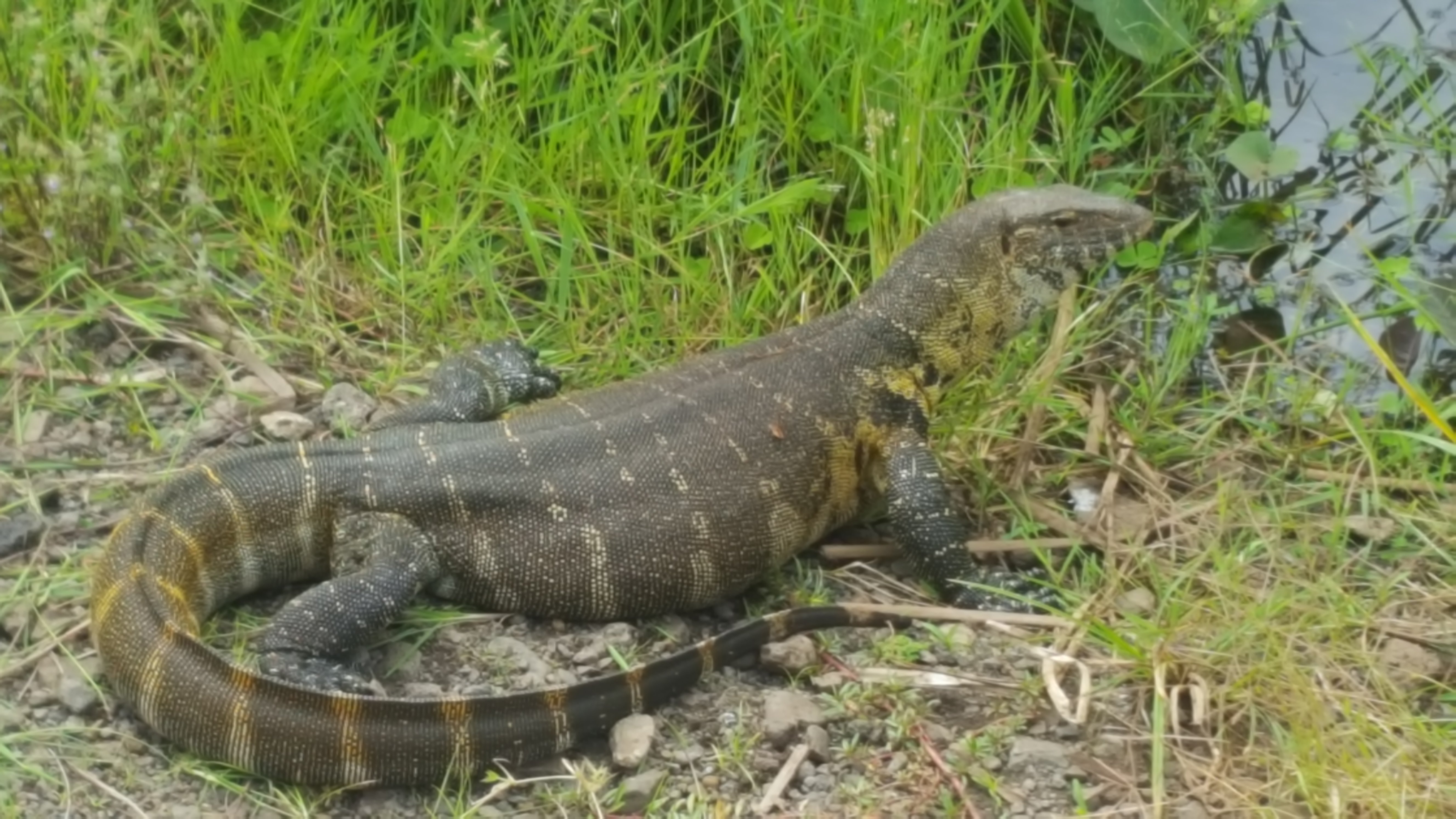
This guide walks through what a game drive here actually covers, the road circuit and the habitats it crosses, the animals you have a fair chance of seeing, how morning and afternoon drives differ, the choice between a full day and a half day, whether to go guided or self drive, and a few practical notes on getting good photographs. The aim is to give you a clear picture before you arrive, with honest expectations about what shows up and what stays hidden.
What a Lake Manyara Game Drive Actually Covers
A game drive is simply time spent moving slowly through the park in a vehicle, stopping when there is something to watch. At Lake Manyara that means following the main gravel road that runs south from the northern gate, with a handful of side tracks branching toward the lakeshore and the hippo pool. The main road is generally in good shape, and a standard safari vehicle with a pop up roof handles it without trouble in the dry months.
What sets a drive here apart is compression. Within the first ten minutes past the gate you are already in thick forest, and within an hour you can be parked at the edge of an open floodplain watching zebra and buffalo. You are not covering huge distances between sightings the way you might in the Serengeti. The whole road network is modest, so a drive is less about long transits and more about reading the edges where one habitat meets the next. Those edges are where animals tend to gather.
Because the park is narrow and long, pressed between the lake on one side and the Rift wall on the other, the road effectively strings together every major habitat in sequence. That geography is the reason a fairly short drive feels so full. If you want the wider list of activities beyond driving, the canopy walk, the hot springs, and cycling near the gate are all worth reading up on when you plan your things to do in Lake Manyara.
The Road Circuit and the Habitats You Cross
The circuit begins in the groundwater forest just inside the northern gate. This is a tall evergreen woodland fed by springs and streams running off the escarpment, dominated by sycamore fig, croton, and mahogany. It is cool and dim under the canopy, and it is the part of the park that feels least like classic savannah. Blue monkeys and baboons move through the branches, and this is prime elephant territory.
Past the forest the road opens onto acacia woodland, a looser, sunnier belt of flat topped trees. This is the zone most associated with the park’s famous lions resting in the branches. Further on the land flattens into grassy floodplain that runs down toward the water, where grazing animals concentrate, and finally the lakeshore itself, an alkaline soda lake that draws waterbirds in large numbers. Behind everything rises the Rift Valley escarpment, a wall of up to 600 metres that forms the backdrop to almost every photograph you take.
Give yourself time in the forest section rather than rushing through it to reach the lake. Elephants and monkeys are often easiest to watch in the first stretch, and the light filtering through the canopy is some of the best of the day for close animal portraits.
Moving through these zones in one drive is the closest thing to travelling across several small ecosystems in a morning. Each habitat holds a different set of animals, so your species list grows steadily as you go rather than all at once.
Wildlife You Can Realistically See on a Game Drive
Lake Manyara is best known for its lions that climb trees. Lions here regularly rest in the forks of acacia and fig trees during the heat of the day, a behaviour that is common in only a few places in Africa. It is worth saying plainly that these lions are not guaranteed on any given drive. Some visitors see them draped along a branch within an hour, others spend two days in the park and never catch one aloft. Ask your guide where they have been seen recently, and scan the larger trees in the acacia belt.
Elephants are far more dependable. The park holds a dense elephant population, and the forest and woodland give you a good chance of watching family groups feeding at close range. Buffalo and giraffe are common on the floodplain, along with zebra, impala, wildebeest, and warthog. Hippos gather at the pool near the northern lake edge, where a raised viewpoint lets you watch them wallow and jostle in the shallows. Baboon troops here are among the largest anywhere, and blue monkeys keep to the forest canopy.
The lake draws big flocks of flamingos in good years, along with pelicans, storks, and herons, and the park’s bird list runs past 400 species across forest, swamp, and open water. Leopards live here too but stay hidden by day, and predators generally are quieter and harder to find than the plains species. If you want the best odds on the shy nocturnal animals, a dedicated night game drive puts you in the park after dark with a spotlight, which is when leopards, genets, and bushbabies become active.
Forest zone favourites: elephants, blue monkeys, baboons, and silvery cheeked hornbills feeding in the fig trees.
Floodplain and lakeshore: buffalo, giraffe, zebra, wildebeest, hippos at the pool, and flamingos out on the soda flats.
Harder to find: tree resting lions in the acacia belt, and leopards, which are almost always nocturnal here.
Morning Versus Afternoon Game Drives
Timing changes the character of a drive more than most first time visitors expect. A morning game drive usually leaves the gate around 6:30am, when the air is cool and animals are on the move after the night. Predators may still be finishing the last of their activity, grazers feed actively, and the light is soft and low for the first couple of hours. Mornings tend to give the best combination of animal movement and clean, haze free light, which is why most keen photographers push for an early start.
An afternoon game drive typically sets out around 3pm or 4pm and runs until the gate closes near dusk. The middle of the day is warm and many animals rest, so a late start skips the quiet hours and catches the second burst of activity as temperatures fall. Afternoons are good for the lakeshore, for scenery, and for the warm side light late in the drive. The one trade off is heat haze, which can soften long lens shots over the open ground until the sun drops lower.
If you can only do one, most guides steer you toward the morning for wildlife and toward the late afternoon if your priority is landscape and the glow on the escarpment. A first light start also links naturally with a sunrise safari for anyone who wants to be inside the gate the moment it opens.
Full Day Versus Half Day Safari Drives
A half day drive, morning or afternoon, runs roughly three to five hours and suits travellers passing through on a tight northern circuit schedule. Given how compact the park is, a half day is genuinely enough to cross every habitat and build a solid species list. Many itineraries treat Lake Manyara as a half day stop on the way to or from Ngorongoro, and that works well.
A full day drive keeps you in the park from the morning opening through to late afternoon, usually with a packed lunch eaten at a designated picnic site. The advantage is not more ground covered but more patience. You can sit longer at the hippo pool, wait out a lion that might come down from a tree, and return to the lakeshore when the afternoon light improves. A full day also lets you revisit a productive spot at a different hour, which often turns a maybe sighting into a clear one.
For a first visit focused on ticking off the main animals, a half day is efficient. For photographers, birders, or anyone who values slow watching over a fast tour, the full day earns its extra cost. Neither choice is wrong; it comes down to how you like to spend time in a park and how the rest of your safari is paced.
Guided Versus Self Drive Game Drives
Lake Manyara is one of the Tanzanian parks that permits self drive, which sets it apart from places where a licensed guide is required. Driving yourself gives you full control over pace and route, and it can trim the cost of a guide from the day. The catch is that you take on the navigation, the animal spotting, and the reading of the terrain yourself, and it is easy to drive straight past a resting lion or a well camouflaged group without a trained eye in the vehicle.
A guided game drive puts a professional at the wheel who knows the current sightings, understands where animals shelter at different times, and can explain behaviour as you watch. Guides talk to each other by radio, so news of a tree lion or a leopard spreads quickly across the park. For most visitors, especially on a first safari, the guide pays for themselves in the animals you would otherwise miss.
The strongest case for a guide at Lake Manyara is the lions. Spotting a tawny cat folded into a shady branch is exactly the kind of sighting a trained eye catches and an untrained one drives past.
Whichever you choose, the same rules apply inside the park. Stay in the vehicle except at marked points, keep to the roads, do not feed the baboons, and give elephants a wide berth. If you want to be on foot rather than in a vehicle at all, that is a separate activity: a guided walking safari lets you explore parts of the park on foot with an armed ranger, which is a very different way of reading the landscape.
Photography Tips for Your Game Drive
Bring a longer lens than you think you need. A telephoto in the 300mm range or a zoom covering roughly 100mm to 400mm handles most situations here, from a lion high in a tree to flamingos out on the flats. The forest sections are dim, so be ready to raise your ISO under the canopy, and the open lakeshore is bright, so a polarising filter helps cut glare off the water and deepen the sky.
Light is best in the first two hours after the gate opens and again in the last hour before it closes. Mid morning heat haze builds over the open ground and softens distant shots, so save your longest range work for early and late. At the hippo pool, drop your angle as low as the viewpoint allows for cleaner reflections, and be patient, because hippos spend much of the day submerged and reward waiting. For birds and flamingos, the reflections on the soda lake at a low sun angle are the shot worth setting up for.
Steady your camera on a beanbag rested on the window frame or roof edge rather than shooting handheld from a moving vehicle, and ask your driver to switch off the engine when you stop for a portrait. Small vibrations blur more frames than people expect. Finally, keep shooting through the ordinary moments; a family of elephants crossing the road in soft forest light is often a better picture than a distant cat you strained to see.
Planning Your Lake Manyara Safari
Lake Manyara sits about 125 kilometres west of Arusha, an easy drive of under two hours, which is why it slots so naturally into the start of a northern circuit trip. The dry months from June to October give the most reliable general game viewing, as animals concentrate near water and the roads stay firm. The greener months from November to May bring migratory birds and, in good years, the fullest flamingo numbers, though some tracks get soft after heavy rain.
Whatever season you pick, treat the park as a place to watch closely rather than rush. Its value is not in vast herds or open horizons but in the quick shift from forest to lake and the density of life packed into that narrow strip below the Rift wall. A well paced game drive, guided or self driven, morning or afternoon, half day or full, will show you why so many safaris begin right here.
Frequently Asked Questions
How much does a game drive at Lake Manyara cost?
Costs vary by operator and group size. The park entry fee for international visitors is around 59 US dollars per adult per day, with reduced rates for children, and these fees are charged per day inside the park. A guided half or full day drive adds a guide and vehicle fee, often in the range of 20 to 40 US dollars for the guide plus a vehicle charge. A night game drive carries a separate fee of about 50 US dollars per person. Most travellers book a package through an operator that bundles the vehicle, fuel, guide, and park fees into one price.
How long does a typical game drive take?
A half day drive runs roughly three to five hours, which is enough to cross every habitat given how compact the park is. A full day drive keeps you inside from the morning opening until late afternoon, with a packed lunch at a picnic site. Because the road network is small, even a shorter drive gives you a fair chance at the main animals.
Are the tree climbing lions guaranteed?
No. The lions rest in trees fairly often but not every day, and they are never certain on a single drive. Some visitors find one within an hour and others miss them entirely over two days. A guide who knows the recent sightings and stays in radio contact with other drivers gives you the best odds.
Is a morning or afternoon drive better?
Morning drives, starting around 6:30am, generally offer more animal movement and cleaner light, which most photographers prefer. Afternoon drives, starting around 3pm or 4pm, are good for scenery and the warm late light on the escarpment but can suffer from heat haze earlier in the drive. If you have time for only one, mornings tend to win for wildlife.
Can I do a self drive game drive at Lake Manyara?
Yes. Lake Manyara is one of the Tanzanian parks that allows self driving, so you can enter in your own or a rented vehicle and set your own pace. The trade off is that you handle the navigation and spotting yourself, and it is easy to pass hidden animals without a trained guide in the car. Park rules still apply, including staying in the vehicle and keeping to the roads.
What should I bring on a game drive here?
Bring a telephoto or zoom lens, plenty of memory and battery, a beanbag or soft support for steadying shots, binoculars, sun protection, water, and a light layer for the cool early forest section. Neutral coloured clothing and a hat help, and a polarising filter is useful for cutting glare over the soda lake.


