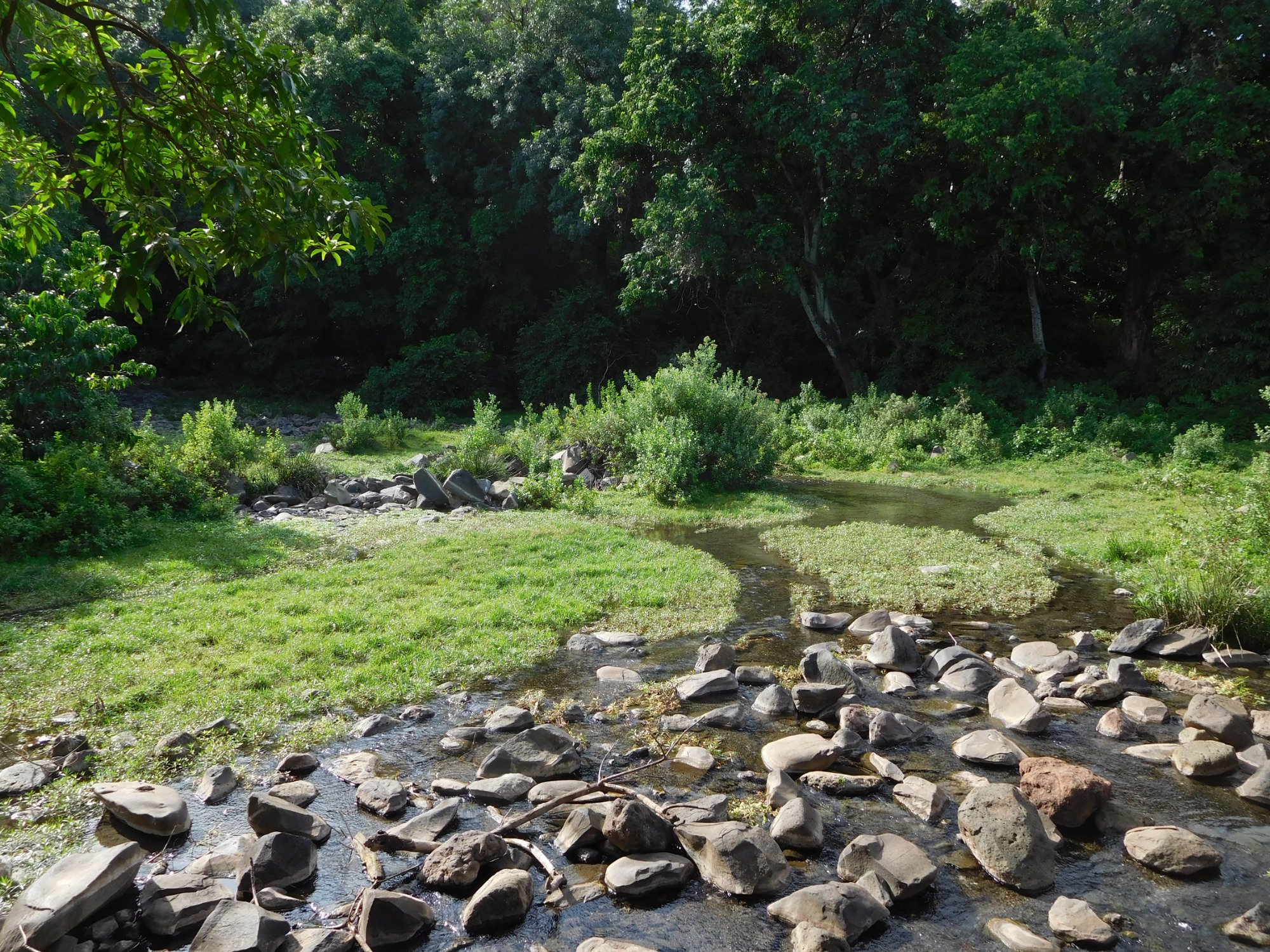
A Lake Manyara sunrise safari is an early game drive that puts you inside the park at first light, when animals are most active and the low sun softens the groundwater forest and the lakeshore. Visitors leave a nearby lodge to reach the gate as it opens around 6am, catching elephants, birds and the tree-climbing lions before the heat and the crowds build. Lake Manyara National Park sits below the Rift Valley escarpment in northern Tanzania.

Lake Manyara sits at the base of the Great Rift Valley in northern Tanzania, roughly two hours from Arusha and close to the small town of Mto wa Mbu. The park is compact, around 330 square kilometres, and the alkaline lake itself covers about two thirds of that. What makes it work so well for a first drive of the day is the mix of habitats packed into a small space. You pass from shady groundwater forest into open acacia woodland and out toward the lakeshore in the space of an hour, and each of those zones wakes up at a slightly different pace.
Quick orientation: The main entrance is the northern gate near Mto wa Mbu. Most lodges on the escarpment and in the Mto wa Mbu area sit within fifteen to thirty minutes of that gate, which is what makes a genuine dawn start possible without a punishing wake up call.
Why a Sunrise Game Drive Beats a Late Start
The single biggest reason to go early is animal behaviour. In the cool hours after dawn, wildlife is on the move. Predators that hunted overnight are still active or are only just settling, grazers are out in the open feeding before the heat pushes them into cover, and the whole park feels busy in a way it simply does not by mid morning. Once the temperature climbs, many animals melt away into shade and thick bush, and sightings thin out. A morning game drive catches that window of activity before it closes.
The second reason is light. Photographers talk about the golden hour for good reason. The low sun coming over the escarpment throws warm light across the acacia plains and lights up the lake surface, and the harsh midday glare that flattens everything is still hours away. Even if you are not fussy about photos, the scene of mist lifting off the forest with the first light behind it is worth the early alarm on its own.
The third reason is practical and often overlooked. Lake Manyara draws a steady stream of vehicles that arrive from Arusha after breakfast, and by late morning the northern circuits can feel busy. Being at the gate when it opens gives you the first hour more or less to yourself. You reach the good spots before the crowd, and you are not queueing behind three other trucks at a lion sighting. For a fuller picture of how a standard drive is structured, this game drive guide walks through the routes and timings in more detail.
What the Gate Hours Mean for Your Sunrise Start
Lake Manyara National Park is open from 6:00 in the morning until 6:00 in the evening. That 6am opening is the earliest you can legally drive inside the park boundary, and it lines up neatly with sunrise for much of the year, since Tanzania sits close to the equator and daylight hours stay fairly steady across the seasons. The sun tends to come up somewhere around 6:30 to 6:45, so a vehicle rolling through the gate at opening is inside the forest just as the light begins to build.
To make that happen you have to leave your lodge before the gate opens, allowing for the short drive and a few minutes at the entrance for your guide to sort the paperwork and park fees. In practice that means a wake up somewhere between 5:15 and 5:45, depending on how far your accommodation sits from the gate. It is an early start, and worth being honest with yourself about that, but the payoff is the most productive hour of the day.
The first vehicle through the gate gets the quiet forest, the best light, and the animals still out in the open before the heat arrives.
Dawn Wildlife You May See on a Sunrise Safari
Honesty matters with any wildlife promise, so treat the following as what is possible rather than guaranteed. Lake Manyara is a real wilderness and the animals do not perform on cue. That said, the early hours give you the best odds across the board.
In the groundwater forest just past the gate, the first residents you tend to meet are elephants and baboons. Large troops of baboons, some of the biggest in Africa, are already grooming and foraging at first light, and elephants move through the trees feeding before the day warms up. Blue monkeys flick through the canopy, and the forest birds are in full voice.
Push on toward the acacia woodland and open plains and your chances of predators improve. Lions, leopards and smaller hunters are most active in the cool early hours. Many hunts happen in the dark before dawn, so an early drive can catch a pride finishing a meal, moving back toward shade, or simply resting in the open where they are easy to see. Nocturnal animals such as genets or a late hyena may still be about as they head to their daytime hiding places.
Tree Climbing Lions and the Early Light
Lake Manyara is famous for its lions that rest up in the branches of acacia and fig trees, a habit that is unusual and not fully explained. Some guides link it to escaping biting insects or the damp ground, others to catching a breeze and a better view. Whatever the reason, seeing a lion draped over a limb is one of the park’s signatures, and it is never guaranteed on any given day.
The early hours give you a genuine edge here. Lions often climb during the night or settle into trees in the cooler part of the morning before the sun makes the branches too hot. Arrive early and you may find them still up in the canopy, catching the first light, before they come down and disappear into thicker cover as the day heats up. They are usually reported in the southern reaches of the park where the larger trees grow, so a sunrise drive that pushes a little deeper gives you both the light and the timing on your side. If big cats are your priority, it is also worth reading about the park’s night game drive, which uses a spotlight to find animals that stay hidden by day.
Groundwater forest at dawn: Elephants, big baboon troops, blue monkeys and a wall of birdsong greet you within minutes of the gate. This is the coolest, shadiest stretch and a gentle way to start.
Acacia plains in golden light: Open ground where zebra, giraffe, buffalo, impala and warthog graze in the early sun, and where your best chance of lions in the trees sits.
Lakeshore as the birds wake: Hippo pools, wading birds and the pink smudge of distant flamingos across the alkaline water, with the escarpment glowing behind.
Birds Waking on the Lake at First Light
Lake Manyara is one of the finest birding parks in East Africa, with more than 400 species recorded and roughly a quarter of them waterbirds. Dawn along the lakeshore is a rich time for this. As the light comes up, pelicans, storks, herons, egrets, spoonbills and cormorants stir along the shallows, and the African fish eagle often calls from a dead tree over the water.
The flamingos are the headline act, gathering in shifting pink bands across the shallow soda lake, drawn by the algae and tiny crustaceans that thrive in the alkaline water. Their numbers rise and fall with water levels and the season, so some days bring a thin scatter and others a broad pink horizon. Bring binoculars, because the birds often feed at a distance out on the flats rather than close to the track. The mix of forest, woodland and lake habitats in such a small park is exactly why the bird list here runs so long, and a slow early drive along the water is the best way to work through it.
Cool Morning Conditions and What to Bring
The temperature at dawn in the Rift Valley can feel genuinely cold in an open vehicle with the roof up and the air moving past you, especially in the drier months. Many first time visitors are caught out by this, expecting Africa to mean heat from the moment they wake. Dress in layers you can peel off as the sun climbs, because by mid morning you will want to be down to a shirt.
Packing for a dawn drive: A warm fleece or jacket for the first hour, a hat and sunscreen for later, binoculars, a camera with spare battery, and any packed breakfast your lodge provides. Keep the warm layer within reach rather than buried in a bag, because you will want it the moment you leave the lodge.
The cool air is not just a comfort question. It is the same reason the animals are active, so the chill you feel is a sign you have timed it right. As a bonus the softer morning air is usually clearer and calmer than the hazy, wind stirred conditions that can build later, which helps both the viewing and the photography.
How to Arrange an Early Start From a Nearby Lodge
The logistics of a sunrise safari come down to where you sleep and how your drive is set up. Staying at a lodge on the escarpment above the park or near Mto wa Mbu puts you close enough to the northern gate to reach it by opening without a brutal drive in the dark. Lodges further afield, for example around Karatu on the road toward Ngorongoro, can still manage an early start but you lose some of that first light to the transfer.
Speak to your guide or lodge the evening before and make the plan explicit. Ask for a wake up call, arrange coffee or tea before you leave, and request a packed breakfast to eat in the park rather than sitting down at the lodge first. Most safari lodges are used to this and will prepare a breakfast box on request, so you can pull over at a viewpoint and eat while the park comes alive around you rather than losing the golden hour to a dining room.
If you are travelling on an organised safari with a driver guide and a vehicle with a raised roof, the early departure is simply a matter of agreeing the time. If you are arranging things more independently, confirm that your guide is willing to be at the gate for 6am, since the difference between a 6am and an 8am start is the whole point of the exercise. For a wider sense of how a sunrise drive fits alongside the other options in the park, this rundown of things to do in Lake Manyara is a useful reference.
Sunrise Drive Compared With an Afternoon Tour
Both halves of the day have their merits, and a full day in the park lets you sample each. The honest comparison is worth setting out so you can choose to suit your priorities.
11-Day Northern Circuit & Nyerere Selous Safari
3 Days Lake Manyara & Tarangire
7-Day Lake Manyara, Tarangire, Serengeti & Ngorongoro Safari
A sunrise game drive gives you peak animal activity, cooler and more comfortable conditions, thinner crowds and that prized early light. It is the stronger choice for predators, for the chance of lions still up in the trees, and for anyone who wants the park at its quietest. The trade off is the early alarm.
An afternoon tour is easier on the sleep schedule and has its own rewards. As the heat eases toward evening the animals become active again, the light turns warm a second time toward sunset, and the drive can end with the sun going down over the lake and the escarpment. Waterbirds and general birdlife can be excellent in the afternoon along the shore. The downsides are that the middle of the day is slow, the park is busier, and predator sightings tend to be less reliable than at dawn. If you can only pick one drive and wildlife activity is your goal, the morning usually wins. If you have the time, doing both and taking a rest over the hot midday hours gives you the best of the park across a single day.
Frequently Asked Questions About a Lake Manyara Sunrise Safari
What time do I need to leave the lodge for a sunrise game drive?
Plan to leave your lodge between about 5:15 and 5:45 in the morning so you reach the northern gate for its 6am opening. The exact time depends on how far your accommodation sits from the gate. Arrange the wake up call and any hot drinks with your lodge the night before.
What time does Lake Manyara National Park open?
The park is open from 6:00 in the morning until 6:00 in the evening. The 6am opening is the earliest you can drive inside, and it lines up well with sunrise, which falls roughly around 6:30 to 6:45 for much of the year.
Am I guaranteed to see the tree climbing lions at dawn?
No. The lions are a genuine wild population and there is never a guarantee on any given drive. That said, the early hours give you the best odds, since lions often rest in the branches overnight and in the cool early morning before coming down and moving into cover as the day heats up.
How much does an early morning game drive cost?
Costs vary with your operator, group size and whether park fees are included. As a rough guide, park entry fees run in the region of 50 to 60 US dollars per adult per day, and a guided drive with a vehicle and driver guide typically adds a further charge on top, often quoted per vehicle for a half day. Ask your lodge or operator for an all in figure that covers entry, guide and vehicle so there are no surprises at the gate.
Should I do a morning drive or an afternoon drive?
If wildlife activity is your main goal, the morning is the stronger choice thanks to cooler conditions, more active animals and fewer vehicles. Afternoons are easier on your sleep and reward you with renewed activity toward dusk and good birding, but predator sightings are generally less reliable. If time allows, do both and rest over the hot midday hours.
What should I wear and bring for the cool dawn conditions?
Dress in layers. The open vehicle at dawn in the Rift Valley can feel cold, so bring a warm fleece or jacket for the first hour and keep it within easy reach. Add a hat and sunscreen for later in the morning, plus binoculars, a camera with a spare battery and any packed breakfast your lodge provides.
Is the sunrise drive good for birdwatching?
Yes, particularly along the lakeshore as the waterbirds stir at first light. Pelicans, storks, herons and the flamingos across the soda lake are all active early, though the flamingos often feed at a distance, so binoculars help. Many guides note that dawn favours predators while later hours can be equally strong for general birdlife.