This 11-day safari runs the classic northern circuit before flying south to Nyerere National Park in the former Selous. You track wildlife through Lake Manyara, Tarangire, the Serengeti and the Ngorongoro Crater, then trade the vehicle for boat safaris on the Rufiji River. It blends big-cat plains, large elephant herds and a water-based finish few northern trips offer.
Your guide meets you at Kilimanjaro International Airport and drives you to Arusha, the town where most northern safaris begin. The road passes coffee farms with Mount Meru rising behind. After you settle in, the rest of the day is yours to unwind after the flight. Your guide holds a short briefing to confirm the route, look over your luggage and answer any questions about the parks and the southern extension. If time allows you can stroll the gardens or visit a curio shop. Dinner is included and you rest well before the driving starts. Overnight at a lodge near Arusha.
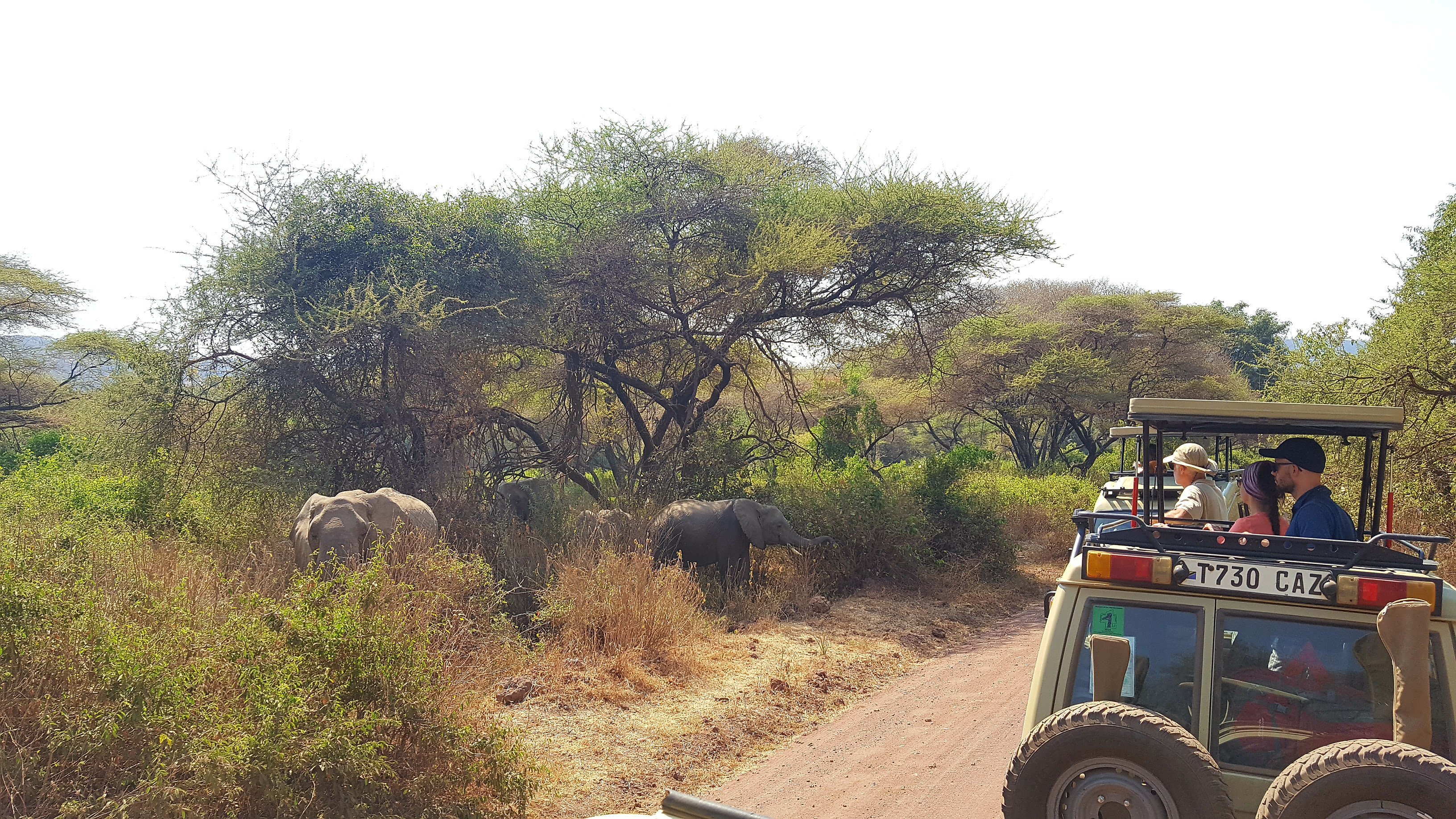
After an early breakfast you drive around two hours to Lake Manyara National Park, tucked beneath the Rift Valley escarpment. The entrance forest is fed by underground springs and busy with baboons and blue monkeys. Beyond it the land opens to grassy floodplain and the shallow soda lake, where flamingo, pelican and storks gather. Manyara is the place to look for lions resting in the acacia canopy, an unusual habit, and for the elephant herds that browse the woodland. Hippo wallow near the northern springs. You game drive through much of the day, around six hours with a picnic lunch, then head to your lodge. Breakfast, lunch and dinner included. Overnight near Lake Manyara.
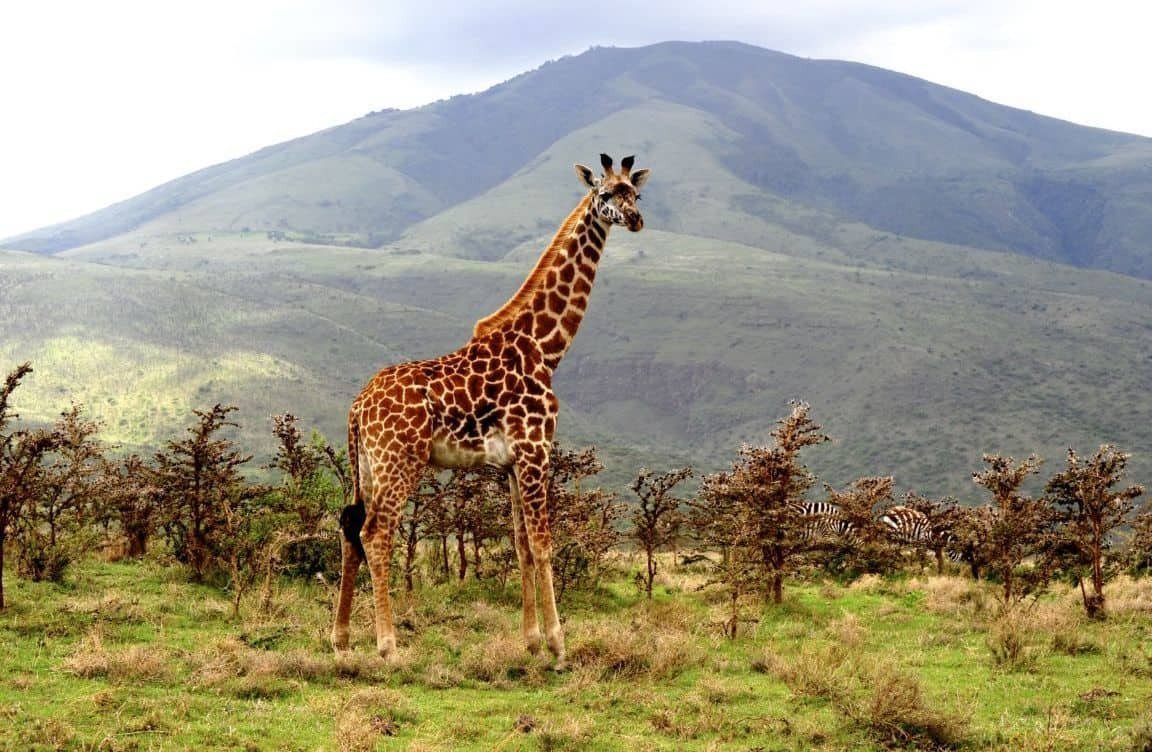
You drive to Tarangire National Park, roughly a two-hour transfer, arriving in a landscape defined by ancient baobab trees and wide grassland. Tarangire holds some of the densest elephant numbers in the north, and in the dry season they crowd the river together with zebra, wildebeest, giraffe and buffalo. Lion and leopard shadow the herds, while the swamps in the south draw pythons and a long list of birds. You spend the day on game drives along the river circuits, about six hours in the field, pausing for a picnic lunch in the shade of a baobab. The park stays quieter than its neighbours, so sightings feel relaxed. Breakfast, lunch and dinner included. Overnight near Tarangire.
Today you travel northwest to the Serengeti, climbing through the Ngorongoro highlands with a stop at the crater rim viewpoint. From there the road drops onto the southern plains, an ocean of grass that stretches to the horizon. You game drive as you descend, reaching the central Seronera area by late afternoon. Seronera has permanent water, so it holds resident lion, leopard and cheetah all year. Depending on the month you may already meet the leading edge of the migration herds. Total travel with stops runs about eight hours, including a picnic lunch. The Serengeti earns its name quickly, and the first evening drive often delivers. Breakfast, lunch and dinner included. Overnight in the central Serengeti.
A full day in the Serengeti lets you follow the wildlife wherever it has moved. You start at first light with a packed breakfast, out on the plains while the cats are still active. Seronera's kopjes, rocky outcrops rising from the grass, are favourite lookouts for lion and leopard. Your guide uses fresh tracks and radio reports to place you near the best action, which might be a hunt, a river full of hippo or a cheetah scanning for prey. Between June and November the herds and their predators tend to move toward the north and west. You are out around eight hours with a picnic in the field. Breakfast, lunch and dinner included. Overnight in the central Serengeti.
You have a second full day to range more widely across this vast park. The route depends on the season and the herds. From roughly December to May the great migration spreads over the southern plains near Ndutu for the calving, when newborn wildebeest draw lion, cheetah and hyena. Later in the year the animals mass along the northern rivers before their crossings. Your guide shapes the day around the movement, so you might explore the western corridor toward the Grumeti or work the central valleys. Along the way you tick off plains game, giraffe, elephant and a rich cast of birds. Around eight hours out with a picnic lunch. Breakfast, lunch and dinner included. Overnight in the central Serengeti.
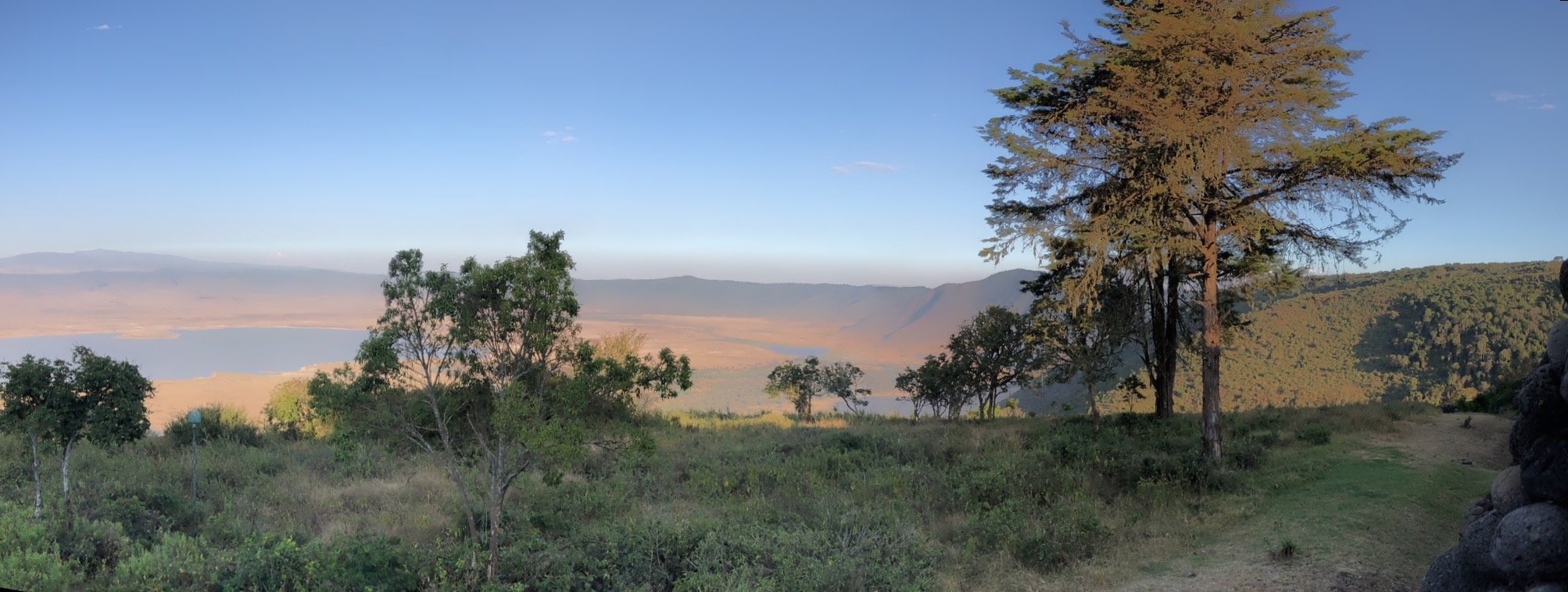
After a last morning drive in the Serengeti you turn back east across the plains toward the Ngorongoro highlands. The drive passes through Maasai grazing land where herders and wildlife share the same country, and near Olduvai Gorge, one of the most important early-human sites in the world, where an optional short visit is possible. You climb to the forested crater rim in the late afternoon and look down into the caldera below. The rim air is cool and often misty. Total travel and viewing is around seven hours with a picnic lunch. A warm layer helps at this altitude. Breakfast, lunch and dinner included. Overnight on the crater rim.
You drop into the Ngorongoro Crater soon after breakfast, descending the steep road to the floor almost six hundred metres below the rim. Inside the caldera walls sit grassland, a shallow soda lake, freshwater springs and a patch of fever-tree forest. The density of wildlife is hard to match: lion, elephant, buffalo and a good chance of the black rhino that complete the big five, plus flamingo, hippo and clouds of birds. You spend around six hours on the floor with a picnic lunch by the hippo pool, then climb back to the rim. In the afternoon you transfer toward Arusha ready for tomorrow's flight south. Breakfast, lunch and dinner included. Overnight near Arusha.
This morning you transfer to the airstrip for a light-aircraft flight to Nyerere National Park in the south, the huge reserve carved from the former Selous. The flight takes a couple of hours over changing country. Nyerere is built around the Rufiji River, which spreads into a maze of channels, lakes and sandbanks, so the park feels wetter and greener than the northern plains. On arrival your guide meets you and you game drive to camp, watching for elephant, giraffe, impala and the wild dogs the reserve protects. The pace here is slow and the crowds thin. Around three to four hours of activity after landing. Breakfast, lunch and dinner included. Overnight in Nyerere.
A full day in Nyerere mixes land and water. In the morning you game drive the river circuits and lake shores, looking for lion, elephant, buffalo and the greater numbers of giraffe and antelope that gather near the water. The highlight for many is a boat safari on the Rufiji, gliding past pods of hippo, crocodiles hauled out on the banks and a long list of water birds like fish eagles, skimmers and kingfishers. Seeing animals from the water is a change of view the northern parks cannot offer. You spend around six hours across the drive and the boat, with lunch at camp through the midday heat. Breakfast, lunch and dinner included. Overnight in Nyerere.
After breakfast, and a short final activity if the timing works, you transfer to the airstrip for the light-aircraft flight back to Arusha or on to Dar es Salaam for your onward connection. Your guide manages the transfer and helps with any last details. If your international flight departs in the evening, you can use a day room to shower and repack, and there is time for last-minute shopping. You reach the airport with plenty of margin for check-in. The trip closes with the memory of two different Tanzanias, the open northern plains and the waterways of the south. Breakfast included. Departure.
The dry season from June to October is the standout window. Grass is short, water is scarce so animals concentrate, and Nyerere's boat safaris are at their best when wildlife crowds the Rufiji. In the Serengeti the migration moves through the year, with calving on the southern plains from about December to March and the northern crossings building from June. Nyerere quietens during the heaviest rains from March to May, when some camps close and tracks get muddy, so many operators pause the southern leg then. The green months of November and December bring good birding and newborn animals across both regions. If the river and boat trips are a priority, aim for the dry months when the Rufiji is the focus of the whole park.
The north is all about open plains and vehicle-based game viewing, while Nyerere revolves around water. The Rufiji River spreads into lakes and channels, so the standout activity is a boat safari, drifting close to hippo pods, basking crocodiles and a dense population of water birds. On land the park protects big elephant herds, buffalo, giraffe and one of the more reliable places in Tanzania to see wild dog. It is also far less visited, so a sighting is often yours alone rather than shared with a line of vehicles. Coming after the busier northern circuit, Nyerere feels remote and slow-paced, and the switch from grassland to river country gives the trip real variety.
This is a low-effort safari in terms of fitness, since most of the wildlife watching is from a vehicle or a boat. You do need to cope with long, bumpy drives on the northern circuit and early starts, and the boat safari involves stepping in and out of a small craft, so basic mobility helps. Heat in the south can be strong at midday, which is why activities cluster in the cooler mornings and late afternoons. The light-aircraft flights are short but the planes are small, so if you are prone to motion sickness bring something for it. Beyond that, no special training is needed, and the trip suits a wide range of ages and abilities.
Yes, both regions are malaria areas, and the wetter south around the Rufiji carries a higher mosquito load, so antimalarial tablets are strongly advised. Visit a travel clinic well ahead of departure, since some courses begin before you arrive. Pack repellent with DEET, wear long sleeves at dusk and use the bed nets provided. A yellow fever certificate is usually needed only if you are arriving from or passing through a country where yellow fever occurs, but requirements change, so confirm the current rules before travel. Routine vaccinations such as tetanus, hepatitis A and typhoid are commonly recommended. This is general information rather than medical advice, so a clinic conversation should be part of your planning.
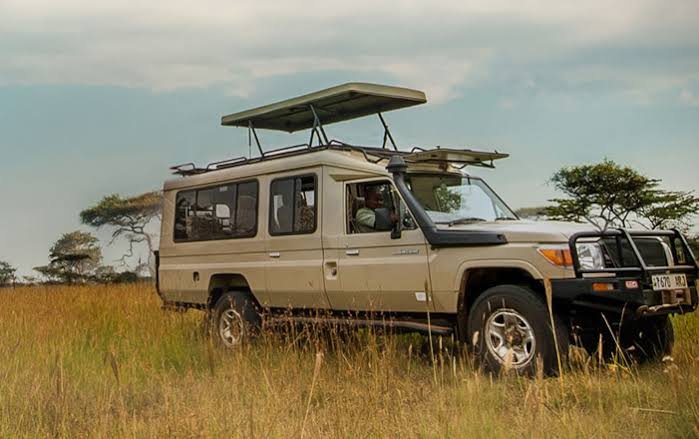
For an eleven-day trip that already includes internal flights and full-board camps, a private safari is a comfortable choice. You get your own vehicle and guide on the northern circuit, so you set the pace and stay at sightings as long as you like. Small groups can share the cost, which brings the per-person price down and can be sociable, but you trade some flexibility. In Nyerere the camps are small and the game drives and boat trips are usually run in intimate groups regardless, so the southern leg feels exclusive either way. Couples and families often find that a private vehicle is worth the extra for the freedom it gives across the longer northern days.
Pack light, neutral clothing in tan, khaki and green, with a warm layer for cool mornings on the crater rim and cool evenings on the river. Add a hat, sunglasses, strong sunscreen, insect repellent and a refillable water bottle. Binoculars are worth their weight for both plains game and the birdlife along the Rufiji, and a zoom camera helps. The light-aircraft flight to Nyerere limits you to a soft duffel of around fifteen kilos, so leave hard suitcases in Arusha if you need to. Laundry is available at most camps, so you can travel with fewer clothes. Bring personal medicines, a small first-aid kit and a torch, and a light waterproof if you travel in the shoulder season.
Book six to twelve months out, particularly for the dry season and the Serengeti calving window, when the best camps and the limited southern flights fill early. Price rises in peak months because park fees, camp rates and flight demand all climb, and the small Nyerere camps sell out quickly. Green-season departures cost less and reward you with fewer crowds and strong birding, though the southern leg depends on which camps stay open. Your tier sets the lodge standard and level of service, which also shapes the price. The earlier you commit, the better your choice of camps and, usually, the better the rate, especially for a trip that leans on scheduled light aircraft.