This eleven day Classic safari links the best of Tanzania’s northern parks with the chimpanzees of Mahale Mountains. You track big cats and elephants across Lake Manyara, Tarangire, the Serengeti plains and Ngorongoro Crater, then fly west to Lake Tanganyika, where forest treks bring you close to wild chimpanzee families living along the shore.
Your flight lands at Kilimanjaro International Airport, where your driver guide meets you and transfers you the short drive to Arusha. The road runs past coffee farms and small towns below Mount Meru. After you check in and settle, your guide runs through the full route, the parks you will visit and the flight out to Mahale later in the trip. The rest of the day is free to rest after long travel, swim, or walk the hotel grounds. Arusha sits at the base of the northern circuit and makes a calm place for the first night. Dinner is served at the lodge. Overnight at a comfortable lodge in Arusha.
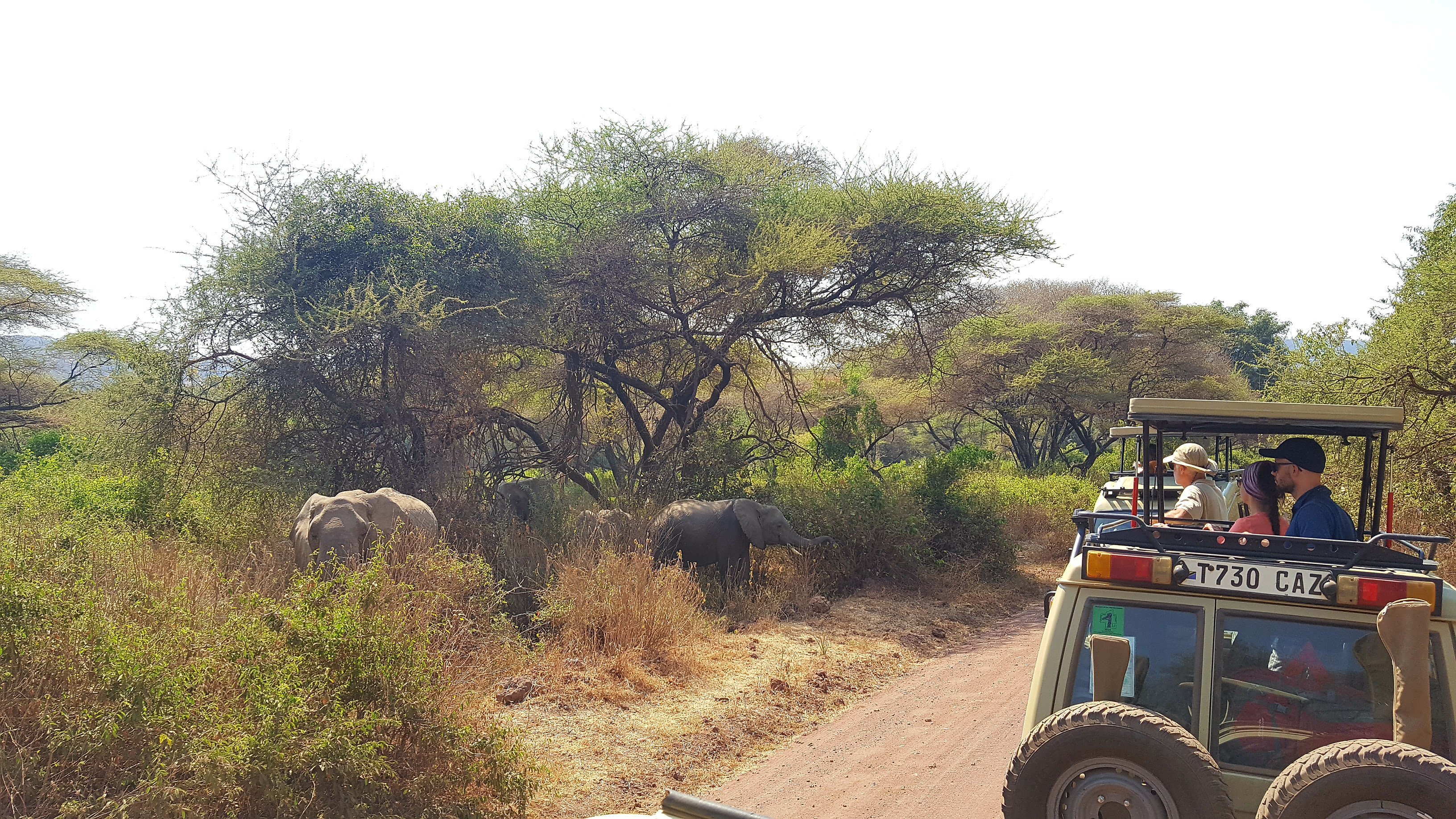
After breakfast you drive southwest to Lake Manyara National Park, about two hours from Arusha. The park is narrow, set between the Rift Valley escarpment and the shallow soda lake. You spend the day on a game drive through groundwater forest, open floodplain and acacia woodland. Manyara is known for large elephant herds, troops of baboons and the tree climbing lions that sometimes rest in the branches. The lake edge fills with flamingos, pelicans and storks when water levels are right. You cover roughly five to six hours of game viewing with a picnic lunch in the park. In late afternoon you check in nearby. Meals are breakfast, lunch and dinner. Overnight at a lodge close to Manyara.
You leave after breakfast for Tarangire National Park, famous for its density of elephants and its old baobab trees. The Tarangire River draws wildlife through the dry months, so herds of elephant, zebra, wildebeest and buffalo gather along the water. Lions, leopards and cheetah follow the game, and the park holds a long bird list including hornbills and the huge kori bustard. You game drive through rolling grassland studded with baobabs, stopping for a picnic lunch. The scenery here feels different from the other parks, more open and dotted with those swollen trunked trees. After a full day of viewing, roughly six hours, you settle for the night. Meals are breakfast, lunch and dinner. Overnight at a lodge or tented camp near Tarangire.
Today is a longer driving day up into the central Serengeti. You climb through the Ngorongoro Conservation Area highlands, passing Maasai grazing land and the crater rim viewpoints, then descend to the open plains that give the Serengeti its name. Entering through Naabi Hill Gate, you begin game viewing as you drive toward camp. The short grass plains are home to lion prides, cheetah on the termite mounds and, in season, vast herds of wildebeest and zebra on the move. You reach camp in the central Seronera area by late afternoon with time for a short drive. Travel and viewing fill most of the day with a picnic lunch. Meals are breakfast, lunch and dinner. Overnight at a camp in the central Serengeti.
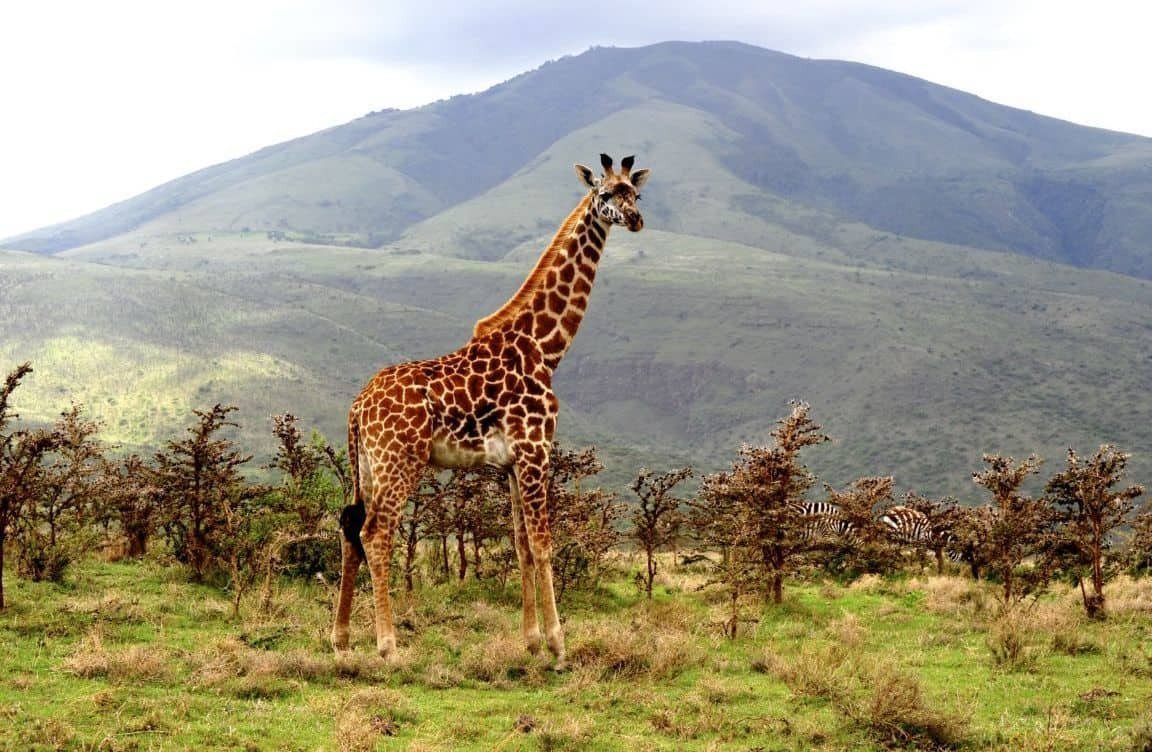
A full day exploring the Serengeti with morning and afternoon game drives. The Seronera valley holds resident lions, leopards draped in sausage trees and cheetah hunting the open ground. Depending on the season, your guide tracks the great migration, whether the herds are calving on the southern plains or crossing rivers further north. You watch for the full range of plains game, elephant, giraffe, topi and gazelle, along with the predators that trail them. There is an option to add a hot air balloon flight at dawn for an extra cost, booked in advance. You return to camp for lunch and rest during the hot midday hours, then head out again. Meals are breakfast, lunch and dinner. Overnight at a camp in the central Serengeti.
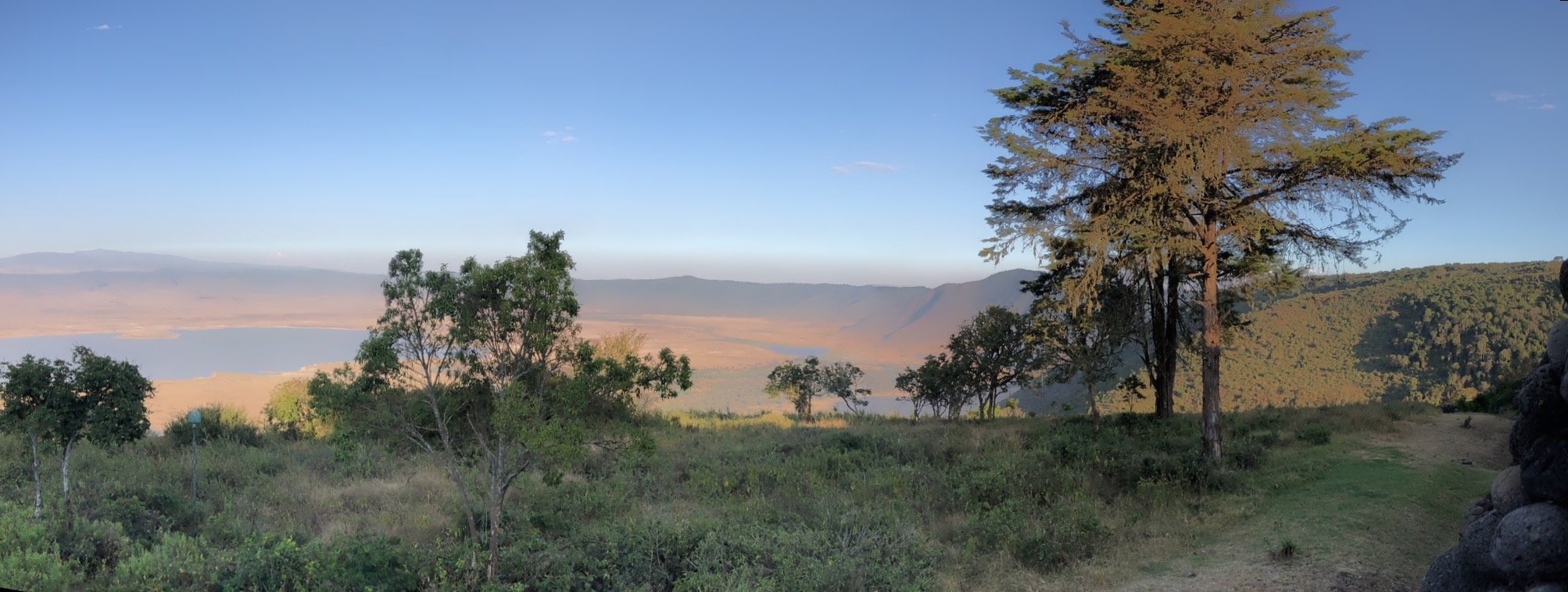
After an early breakfast you drive out of the Serengeti and up to the Ngorongoro highlands, stopping at the crater viewpoint before descending to the floor. Ngorongoro is a collapsed volcanic caldera, its walls rising around a grassland floor that holds one of the densest concentrations of wildlife in Africa. On the game drive you have a strong chance of black rhino, along with lion, elephant, buffalo and flamingos on the soda lake. A picnic lunch is taken beside the water. In the afternoon you climb back out and transfer to the highland town of Karatu, resting before the long flight west tomorrow. Meals are breakfast, lunch and dinner. Overnight at a lodge in Karatu near the crater.
This morning you transfer to the airstrip and board a light aircraft heading west across the country toward Lake Tanganyika. The flight is long, with a stop or two along the way, and gives you wide views of the changing land from open plains to forested hills. Mahale Mountains National Park has no roads, so your camp on the lakeshore is reached by boat from the airstrip. Lake Tanganyika is one of the deepest and oldest lakes in the world, its water clear and warm. You arrive at the forest edge in the afternoon with time to relax on the beach, swim or kayak. Meals are breakfast, lunch and dinner. Overnight at a lakeshore camp in Mahale.
After an early breakfast you set out with a park ranger and guide to track a habituated community of wild chimpanzees in the forest above the lake. The walk can be short or several hours depending on where the group moved overnight, and the ground is steep and often humid, so a reasonable level of fitness helps. When you find the chimps you are allowed to spend up to one hour watching them feed, groom, play and call to one another. Mahale holds one of the largest known populations of wild chimpanzees, and sightings are close and natural. Back at camp you can rest, swim in the lake or fish. Meals are breakfast, lunch and dinner. Overnight at a lakeshore camp in Mahale.
You have a second chance to trek for the chimpanzees, or to explore other parts of the forest and shore. The Mahale forest is rich in other primates, including red colobus, blue and red tailed monkeys, and a long list of forest birds. Away from the chimps, the day can be spent slowly, snorkeling over the colourful cichlid fish that fill the lake, taking a boat along the shore, or walking to a waterfall. This is the quiet, remote heart of the trip, with no crowds and no vehicles. Your guide helps you plan the day around the weather and the movement of the chimps. Meals are breakfast, lunch and dinner. Overnight at a lakeshore camp in Mahale.
A final morning by Lake Tanganyika before you board a boat back to the airstrip and fly east across the country to Arusha. As on the outbound flight, the light aircraft may make short stops, and the route shows the scale of Tanzania from the air. You reach Arusha in the afternoon and transfer to a hotel with a day room or overnight, depending on your onward flight time. There is a chance to shower, repack and pick up any last souvenirs. Your guide is on hand for the transfer to the airport. Meals are breakfast and lunch. Overnight at a hotel in Arusha, or transfer for an evening departure.
After breakfast your time in Tanzania comes to a close. Depending on your flight, you may have a few hours to relax at the hotel or visit a craft market in Arusha before your transfer. Your driver takes you to Kilimanjaro International Airport in good time for your international departure, with help through check in if you need it. If your schedule allows, this is a good moment to look back over the range of the trip, from the elephants and big cats of the north to the wild chimpanzees of the forests in the west. Many travellers find this combination one of the most varied trips in East Africa. Meals are breakfast. End of services.
The northern parks are good year round, but the drier months from late June through October bring the easiest game viewing, when animals gather at water and the grass is short. This is also when the Serengeti migration often moves through the north. The green season from about November to May brings calving on the southern Serengeti plains, newborn animals and active predators, along with the best birding. For Mahale, the dry season from about June to October gives firmer forest trails and clearer lake water for swimming, and it is the most reliable window for chimp trekking. The camps in Mahale usually close during the heaviest rains, so this combined trip runs best in the dry months.
The safari game drives ask nothing physical of you beyond sitting in the vehicle and standing to look through the roof. The chimpanzee trekking in Mahale is a different matter. The forest climbs steeply from the lake, trails can be muddy, and the chimps may be an hour away or several hours, since they move each day. You should be comfortable walking for two to four hours over uneven, sometimes slippery ground in warm, humid air. You do not need to be an athlete, but reasonable fitness and sturdy shoes make the trek far more comfortable. Rangers set the pace and there is no shame in a slower group. If you have knee or heart concerns, tell us in advance so we can plan.
Each park adds something different. Lake Manyara has elephants, hippos, big flocks of flamingos and its famous tree climbing lions. Tarangire is one of the best places in the country for elephants and baobab scenery. The Serengeti is the classic plains, with lion prides, cheetah, leopard and, in season, the wildebeest migration. Ngorongoro Crater packs lion, elephant, buffalo, flamingo and a real chance of the endangered black rhino into one small floor. Then Mahale swaps the open country for rainforest, with wild chimpanzees at close range plus red colobus and other monkeys, forest birds and the fish of Lake Tanganyika. Between them you can reasonably expect the big cats, all of the large plains grazers and, uniquely for this trip, our closest wild relatives.
Mahale sits on the far western shore of Lake Tanganyika, hundreds of kilometres from the northern parks, with no practical road link for a safari. Driving would take days each way over rough tracks and eat up most of your holiday. The light aircraft flight covers the distance in a few hours and hands you back the time to actually enjoy the forest and the lake. The park itself has no roads at all, so once you land at the airstrip you reach camp by boat. The flight is part of the experience, showing you how the land shifts from grassland to woodland to the great lake. Flights run on set days, which is why the trip length is fixed around them.
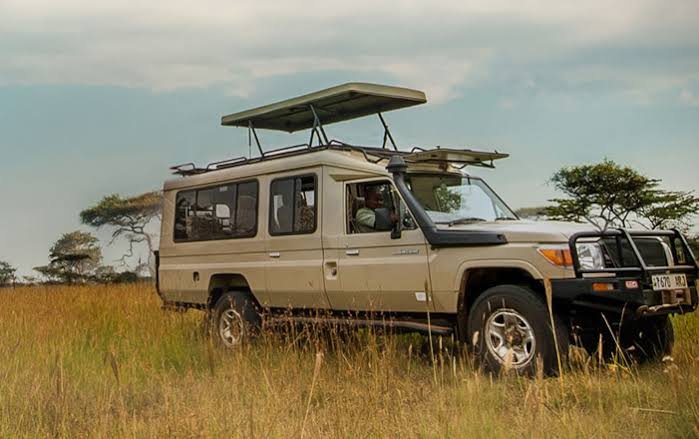
This is run as a private trip. Your driver guide and 4x4 are yours alone on the northern circuit, so you set the pace, decide how long to linger at a sighting and eat when it suits you. In Mahale the camps are small and the chimp treks go out in little groups with a ranger, which is how the park controls numbers around the animals. Private travel costs more per person than a shared departure, but for a route this varied, and with the flight logistics involved, most travellers value the flexibility. Families, couples and small groups of friends all suit this itinerary. If you would prefer to join others to share vehicle costs on the northern leg, ask us and we will see what departures are available.
Tanzania is a malaria area, including all of the parks on this route and the Mahale lakeshore, so antimalarial tablets are strongly advised. See a travel clinic or your doctor well before you leave to choose the right course and start it on schedule. Recommended vaccinations often include hepatitis A, typhoid and tetanus, and a yellow fever certificate may be asked for if you arrive from or transit a country where it is present. Bring a good insect repellent, cover up at dusk and use the nets provided in camp. None of this should worry you, it is standard for the region, but it does need arranging in advance rather than at the airport.
Pack light and in soft bags, as the flight to Mahale has strict luggage limits, usually around fifteen kilograms in a soft duffel. Bring neutral coloured clothing for the safari, layers for cold mornings on the crater rim, and lightweight long sleeves and trousers for the humid forest. Sturdy walking shoes with grip are important for the chimp trek, along with a light rain jacket. Add a sun hat, sunglasses, high factor sunscreen, insect repellent and any personal medicines. A swimsuit is worth having for the lake, and binoculars and a camera with a zoom will pay off across the whole trip. Most camps offer a laundry service, so you do not need many changes of clothing.
The price reflects the season and the standard of camps and lodges you choose. Park and conservation fees rise in the busy dry months, and lodge rates climb with demand around the peak season and the holidays, so the same trip costs more then than in the quieter green months. The internal flight to Mahale is a fixed and significant cost that does not change much with season. Choosing more comfortable or exclusive camps, especially the small lakeshore properties in Mahale, raises the price, while simpler tented options bring it down. Private guiding, as on this trip, costs more than a shared vehicle. We are happy to build the route at a standard that fits your budget while keeping the wildlife and the flight the same.