This 6-day safari is a relaxed loop through the heart of the northern circuit. Starting in Arusha you explore Arusha National Park, Lake Manyara, Tarangire and the Ngorongoro Crater. Expect tree-climbing lions, large elephant herds among the baobabs, flamingo-lined lakes and the rhino, lion and buffalo of the crater floor, all within easy reach of Arusha.
You land at Kilimanjaro International Airport and your guide transfers you to Arusha, the base for the northern parks. Mount Meru rises over the town and its coffee estates. After checking in you can relax and recover from the flight. Your guide holds a short briefing to confirm the route, check your luggage and answer any questions about the days ahead. If you arrive early there is time for a short walk or a look around a craft market. Dinner is included, and an early night prepares you for the parks to come. Overnight at a lodge near Arusha.
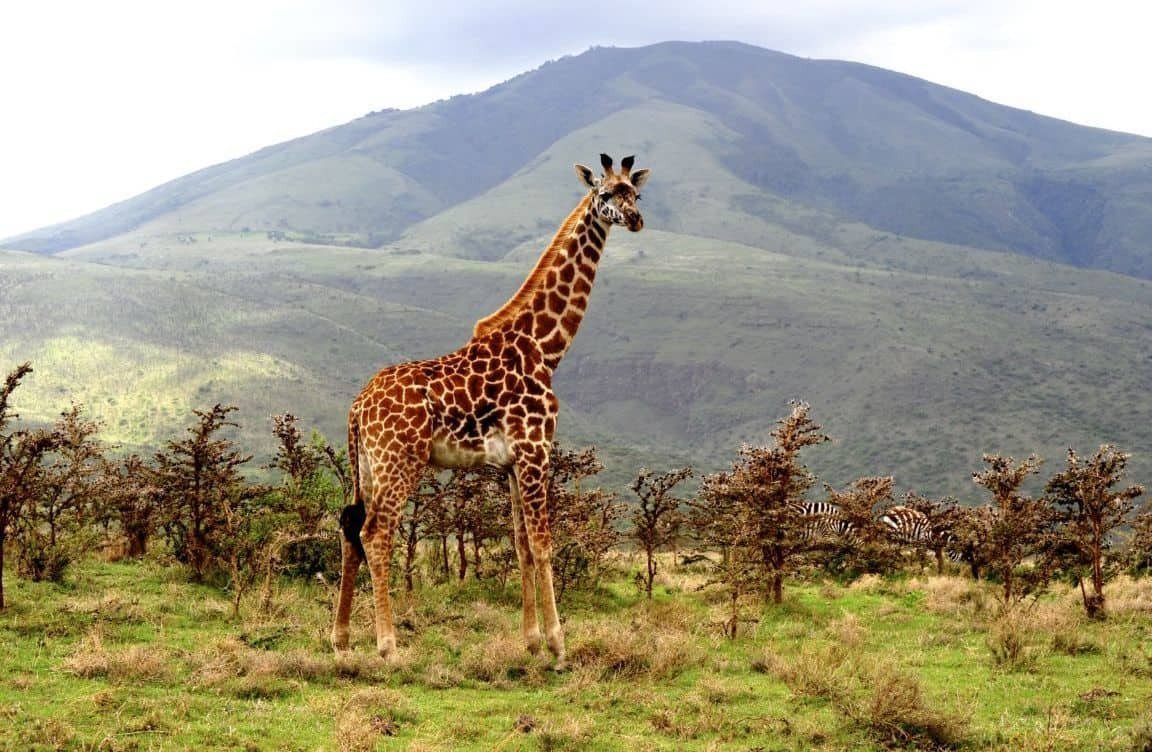
After breakfast you take the short drive to Arusha National Park on the slopes of Mount Meru. Small but full of variety, it holds the Momella Lakes, the Ngurdoto Crater and dense forest. You look for black-and-white colobus monkeys overhead, giraffe and buffalo on the glades, and flamingo on the alkaline lakes. With few large predators, walking is allowed here, and a ranger-led walk near the lakes is a fine way to slow down and notice the smaller wildlife. You spend around six hours in the park with a picnic lunch, then return toward Arusha in the afternoon. Breakfast, lunch and dinner included. Overnight near Arusha.
You drive roughly two hours to Lake Manyara National Park, set beneath the Rift Valley escarpment. The groundwater forest at the entrance shelters baboons and blue monkeys before the land opens to floodplain and the shallow soda lake. Manyara is known for the lions that climb into the acacias and for elephant herds moving through the woodland. Along the shore, flamingo, pelican and storks feed in the shallows, and hippo rest near the northern springs. You game drive through the afternoon, about five hours, then head up the escarpment to your lodge with wide views over the valley below. Breakfast, lunch and dinner included. Overnight near Lake Manyara.
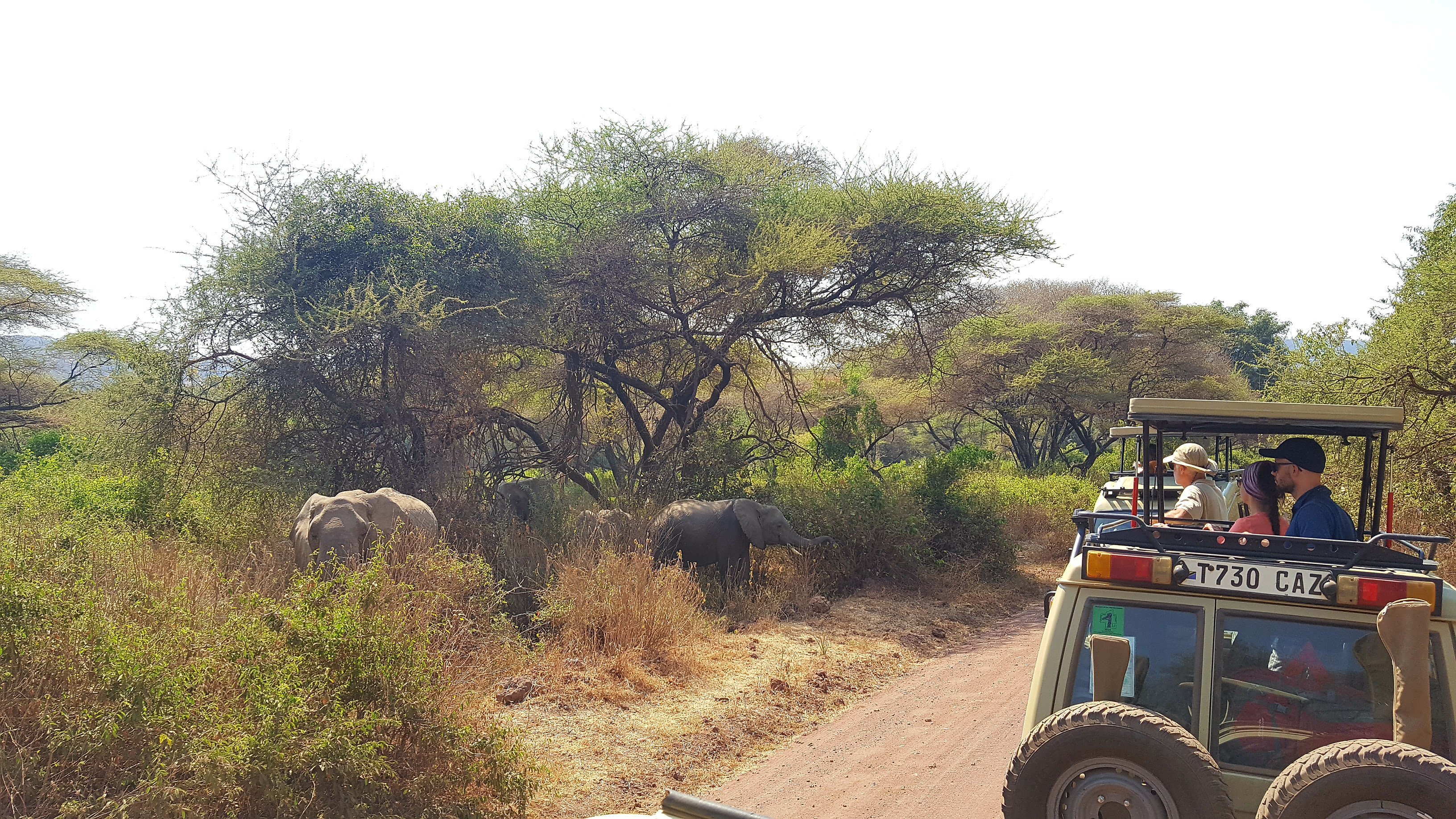
A morning transfer of around two hours brings you to Tarangire National Park, a landscape of giant baobabs and grassy river valleys. In the dry season the Tarangire River draws wildlife from far around, so you can find large elephant herds together with zebra, wildebeest, giraffe and buffalo, and the lions and leopards that follow them. The birdlife is rich, from hornbills and bee-eaters to the ground hornbill. You spend the day on game drives along the river circuits, around six hours in the field, pausing for a picnic lunch under a baobab. Tarangire is quieter than the Serengeti, so sightings feel unhurried. Breakfast, lunch and dinner included. Overnight near Tarangire.
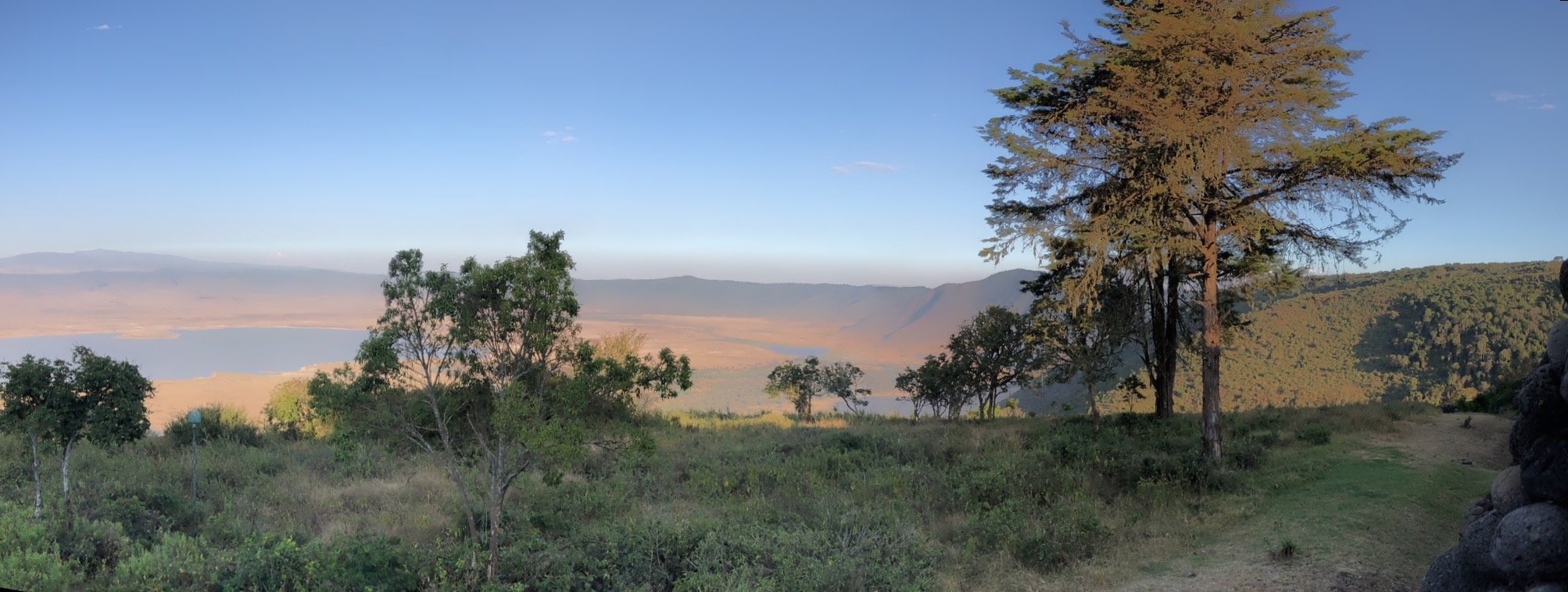
After breakfast you drive to the Ngorongoro Conservation Area and up to the forested crater rim, then descend the steep access road onto the floor almost six hundred metres below. Inside the walls lie grassland, a soda lake, swamp and forest, holding one of the densest gatherings of large mammals in Africa. This is a strong bet for black rhino, so all of the big five are possible in one morning alongside lion, elephant, buffalo, hyena, flamingo and hippo. You spend around six hours on the floor with a picnic lunch, then climb back to the rim. The rim can be cool, so keep a warm layer handy. Breakfast, lunch and dinner included. Overnight near the crater or in Karatu.
After breakfast you have a relaxed morning before the drive back toward Arusha and Kilimanjaro International Airport for your onward flight. If your departure is later, there is time to stop at a craft market or a coffee estate and collect souvenirs. Your guide manages the transfer and any final details. The safari closes with the northern highlights behind you, from the forests and lakes of Arusha National Park to the baobabs of Tarangire and the wildlife-packed floor of the Ngorongoro Crater, all within a compact and easy loop. Breakfast included. Departure.
These parks are rewarding all year. The dry season from June to October brings short grass and animals gathered at water, making sightings easier, and it is the busiest time. The green season from November to May delivers newborn animals, excellent birding and quieter parks, with occasional afternoon rain. Tarangire is at its best in the dry months, when elephant herds crowd the river, while the Ngorongoro Crater and Arusha National Park stay good throughout the year. Lake Manyara's flamingo numbers rise and fall with the water level. Since this loop skips the Serengeti, you are less tied to the migration calendar, so you can plan around your own dates and still expect strong wildlife viewing.
For a first safari or a shorter trip, six days is a satisfying length. It covers four varied parks, each with its own character, from the forests and lakes of Arusha National Park to the baobabs of Tarangire and the packed floor of the Ngorongoro Crater. The distances are modest, so you spend more time watching wildlife and less time on very long drives than a full-circuit trip would demand. You will not reach the Serengeti on this route, which needs more days, but the parks you do visit hold the big cats, elephant, flamingo and the crater's black rhino. Many travellers find this loop gives a full taste of the north without a large time commitment.
Over four parks the list is long. The Ngorongoro Crater offers a strong chance of all of the big five in a single morning, including the black rhino that are hard to find elsewhere, plus lion, elephant, buffalo, hyena and flamingo. Tarangire is elephant country, with zebra, wildebeest, giraffe and predators on the plains. Lake Manyara is known for tree-climbing lions and its birdlife, from flamingo to pelican, while Arusha National Park adds colobus monkeys, giraffe and buffalo in a forest setting. Between the headline animals you see many antelope species and a rich range of birds. No trip guarantees every animal, but this loop stacks the odds well for a memorable count.
Tanzania is a malaria area, so most travellers take antimalarial tablets. Speak with a travel clinic or your doctor before you go, as some courses begin before arrival. Use repellent with DEET, cover up at dawn and dusk, and sleep under the nets provided in the lodges. The higher, cooler Ngorongoro area carries less mosquito risk than the lower parks, though protection is still sensible. A yellow fever certificate is generally required only if you arrive from or transit a country where yellow fever is present, so check current entry rules before flying. Routine jabs such as tetanus, hepatitis A and typhoid are commonly recommended. This is general guidance, so treat a clinic visit as part of your preparation.
It is one of the better choices for both. The drives between parks are short compared with a longer circuit, so children and less patient travellers stay comfortable, and the frequent sightings hold attention. Arusha National Park allows short walks, which adds variety for active families. The lodges are comfortable, the pace is relaxed, and a private vehicle lets you adjust meal and rest times to suit young ones. First-time visitors get a broad introduction to the northern parks without a heavy schedule. The main points to prepare for are early morning starts and warm mid-days, both easily managed. It makes a strong standalone trip or a lead-in to a longer stay.
Keep it light and neutral, in tan, khaki and green, and avoid bright white or dark blue and black. Days are warm, but the crater rim and early mornings can be cold, so bring a fleece or warm jacket. Add a wide-brim hat, sunglasses, strong sunscreen, insect repellent and a refillable water bottle. Binoculars make a real difference to game viewing, and a camera with a zoom lens is worth packing. Comfortable closed shoes suit the lodges and the short walk in Arusha National Park. Most lodges offer laundry, so you can travel with fewer clothes. Bring any personal medicines, a small first-aid kit and a torch, and keep essentials in a daypack for the vehicle.
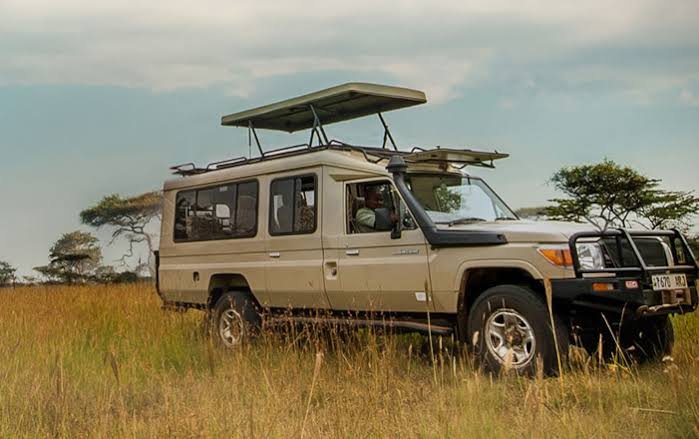
Booking three to nine months ahead is wise, and earlier for the June to October dry season when the best lodges fill up. Price varies with the season because park fees, lodge rates and demand all climb in the peak months, and popular lodges near the crater sell out first. Green-season departures cost less and bring fewer crowds. Your tier sets the standard of the lodges and the level of service, which also affects the price. Because this is a compact and popular loop, dates can book out, so confirming early keeps your choice of lodges open and usually secures a better rate. A private version gives more flexibility, while sharing a group trip lowers the per-person cost.