Lake Manyara has a warm climate split into a dry season from June to October and two rainy spells, the short rains of November and December and the long rains of March to May. Visitors find warm days, cool nights and the wettest weather around April, so a fleece for early drives and rain cover in the green months both help. The park sits below the Rift Valley escarpment in northern Tanzania, with the floor near 960 metres.

The short version is simple. Manyara has a tropical savanna climate. Days are pleasantly warm rather than punishing, mornings and evenings can be genuinely chilly, and rain arrives in two distinct waves each year. Annual rainfall lands somewhere between 650 and 850 millimetres, and almost all of it falls in the wet months. Knowing which wave you are visiting during makes a real difference to what you see and how you dress.
Manyara is a low, warm park compared with the highland crater country nearby. Daytime highs sit in the high twenties Celsius for most of the year, but the lake basin traps cool air at night, so pack a warm layer no matter which month you choose.
The Two Rainy Seasons Explained
Manyara does not have one long rainy period. It has two, separated by a short drier gap. The short rains arrive around November and run into December. These are usually brief afternoon and evening thunderstorms that build, release, and clear, often leaving the rest of the day bright. The air during the short rains tends to be warm and a little sticky, with daytime figures that can push toward 30C or a touch higher.
After the short rains comes a drier spell through January and into February. Then the long rains settle in from March through May. This is the wettest stretch of the year by a wide margin. Even so, it rarely rains all day. A typical long-rains day brings heavy downpours that pass, rather than steady drizzle from dawn to dusk. April is the peak, with the most rain and the most rainy days on the calendar. If you want the fuller picture of the two waves and the gap between them, the wet season breakdown covers each stretch in detail.
The reason for the two seasons is the movement of the tropical rain belt across the equator twice a year. Manyara sits close enough to the equator to feel both passes. That is why the pattern here mirrors much of northern Tanzania rather than following a single summer wet season.
The Dry Season Weather From June to October
From June to October the rain more or less stops. Skies are bright, humidity drops, and the park settles into its most predictable weather of the year. Daytime temperatures during this stretch generally sit between 25C and 32C, with afternoons often around 26C. The air feels clean and dry rather than heavy, which makes long hours in an open vehicle comfortable.
The catch is the mornings. Nights in the dry season cool down sharply, and readings can drop to around 14C before dawn. A game drive that leaves camp at first light starts cold, warms quickly as the sun climbs, and can feel hot by mid-morning. That swing across a single outing is the defining feature of dry season weather at Manyara. Dust also builds up as the weeks pass, since there is no rain to settle it, so a scarf or buff is handy on the road.
By September the ground water in the park thins out, the grass is short, and the vegetation opens up. Weather and landscape work together here, giving clear air and easy sightlines. For a closer look at conditions across these months, the dry season guide goes month by month.
Cool nights, dry sunny days, low humidity. The coolest mornings of the year fall here, sometimes near 14C at dawn.
Still dry and bright but warming up. Water is scarce in the park and dust is at its heaviest before the short rains break the pattern.
How the Weather Feels on a Game Drive
Weather at Manyara is best understood from inside a moving vehicle, because that is where you spend your daylight hours. A dry season morning drive begins in the dark and cold. You want a fleece or a light down layer, and you will likely keep it on for the first hour. As the sun clears the escarpment, the temperature climbs fast. By nine or ten in the morning the fleece is off and a sun hat is on.
In the wet season the rhythm changes. Mornings are milder because cloud cover holds the overnight warmth in, so the dawn chill is softer. Rain, when it comes, tends to arrive in the afternoon during the short rains and can come at various points during the long rains. A passing storm on a drive is usually short. Roofs go up, the downpour rolls through, and within twenty or thirty minutes the track is steaming under returning sun. The groundwater forest near the park entrance stays cooler and more humid than the open lakeshore in any season, thanks to its dense canopy.
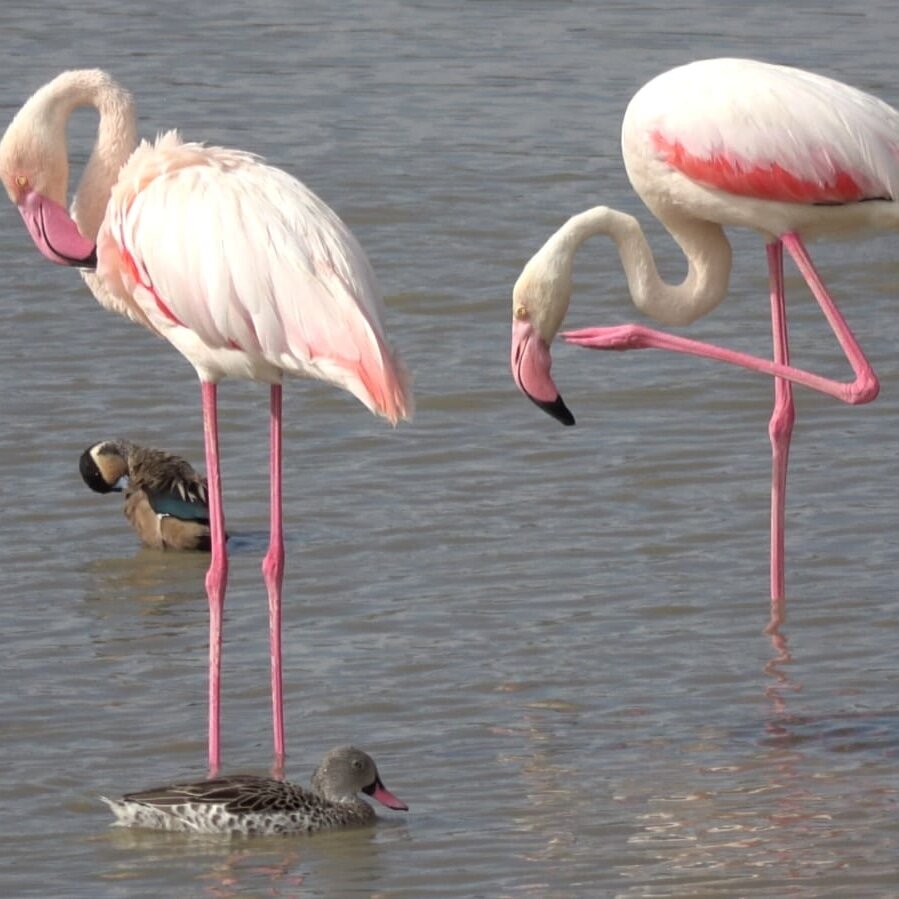
One weather quirk worth knowing is the wind off the lake. The soda flats can send a stiff, cool breeze across the southern part of the park in the afternoons, which takes the edge off the heat even on a warm day. It also stirs up the flamingo flocks, which is a small bonus for anyone watching the shoreline.
January and February The Short Dry Gap
The window between the two rainy seasons is one of the more comfortable times to visit if you want warmth without the heaviest downpours. January and February are warm months, with daytime highs around 28C to 30C and overnight lows near 16C. Some rain still falls, and February carries fairly high humidity, often around 73 percent, so the air feels moist even between showers.
These months are green because the short rains have already fallen, yet the roads are usually more passable than they are at the peak of the long rains. Sunshine is generous, with roughly eight hours of it on an average day. If you are weighing this gap against other windows, the best time to visit Lake Manyara comparison lays out the trade-offs between green scenery and open, dusty dry season conditions.
Temperature Patterns Through the Year
Manyara stays warm without ever becoming extreme. The warmest months are January, February and March, when daytime figures average close to 30C. The coolest are June and July, when daytime averages settle around 25C. That is a narrow band by global standards, and it is why the park rarely feels oppressively hot even in its warmest stretch.
The bigger story is the daily swing rather than the seasonal one. Because the lake basin sheds heat quickly after sunset, the gap between a warm afternoon and a cold pre-dawn can be fifteen degrees or more. This holds true across the calendar, though it is most pronounced in the clear, dry nights of June through August. Anyone planning outfits around a single daytime number will be caught out at dawn. For the full month-by-month figures, the temperature by month page sets them side by side.
Plan clothing around two numbers, not one. Note the daytime high for warmth in the vehicle, then note the overnight low and pack a layer for the cold hour after dawn. The two can differ by a wide margin on the same day.
Rainfall and Humidity Month by Month
Rain at Manyara is concentrated, not spread evenly. The driest months are July, August and September, when some records show barely a millimetre of rain and only a couple of rainy days across the whole month. The air in this stretch is dry and easy to breathe. Then the pattern flips. April is the wettest month, with roughly 160 millimetres of rain spread across as many as nineteen rainy days.
March and the short rains of November and December sit in between, wet but not saturated. Humidity tracks the rain closely. It rises through the wet months, peaking in the long rains when the ground is soaked and the forest holds moisture, then falls away through the dry season to its lowest point in the middle of the year. If you want to see exactly how the totals rise and fall, the rainfall by month chart maps the full curve.
April leads by a clear margin, followed by March and May. Expect passing heavy showers rather than all-day rain.
July through September see almost no rain, low humidity, and clear skies from morning to night.
What to Pack for Each Season
Packing for Manyara comes down to layers and neutral colours. Whatever the season, bring clothes in khaki, olive, beige or light brown. These blend into the bush and stay cool. Skip blue and black, since tsetse flies are drawn to those shades and Manyara has its share of them, especially in the wooded areas.
For the dry season from June to October, pack light, breathable shirts for the warm middle of the day, plus a fleece or light down jacket for the cold morning start. Long sleeves and long trousers help against sun and dust. A hat and sunglasses matter more here because the light is bright and the air is clear. A scarf or buff keeps dust off your face on the road.
For the wet season from November to May, add a lightweight waterproof jacket that packs down small. Choose quick-drying fabrics so an unexpected shower does not leave you damp for the rest of the day. Insect repellent becomes more important because standing water means more mosquitoes, and it is worth being diligent with anti-malarial precautions in these months. A warm layer is still needed for the mornings, even in the green season.
The single most useful item at Manyara in any month is a warm layer you can peel off. Mornings start cold in the lake basin and the day heats up fast.
Weather and the Wider Landscape
11-Day Northern Circuit & Ruaha Wilderness Safari
6-Day Arusha, Manyara, Tarangire & Ngorongoro Safari
3 Days Lake Manyara & Tarangire
Manyara packs several habitats into a small area, and weather plays out differently across each one. The groundwater forest near the entrance stays humid and shaded year round, fed by springs rather than rain, so it feels cooler than the open ground even in the dry months. The acacia woodland and the grassy plains toward the lake feel the full force of the sun and the wind. The soda lake itself expands in the wet season and shrinks back in the dry, which changes where the flamingos gather and how much open mud is exposed.
This variety means the weather you feel depends on where you are in the park at a given hour. A drive that starts in the cool forest, crosses the warm plains at midday, and ends near the breezy lakeshore will run through several small climates in a single outing. It is one of the things that makes reading the day’s weather at Manyara more interesting than a single forecast number suggests.
Frequently Asked Questions
Does it rain every day during the long rains at Lake Manyara?
No. Even in April, the wettest month, rain usually comes as heavy showers that build and pass rather than steady rain all day. Many long-rains days include bright spells between downpours, and a storm caught on a drive typically clears within half an hour.
How cold does it get at Lake Manyara in the morning?
Pre-dawn temperatures in the dry season can drop to around 14C, and the lake basin holds that cool air until the sun rises over the escarpment. Even in warmer months, overnight lows near 16C mean an early game drive starts chilly before warming quickly.
Which months are the driest at Lake Manyara?
July, August and September are the driest, with very little rain, low humidity and clear skies. Some records show only a millimetre or two of rain across an entire month during this stretch, and September often has just a couple of rainy days.
Is the wet season a bad time to visit for weather?
Not necessarily. The green season brings thick green scenery, strong birdlife and softer morning temperatures. The main downsides are muddier tracks at the peak of the long rains and more mosquitoes. A waterproof layer and quick-drying clothes handle most of what the weather throws at you.
What is the average cost difference between visiting in the dry and wet seasons?
Lodges and camps often set high-season rates through the dry months of June to October, while wet season rates in the low period from March to May can run noticeably cheaper, sometimes with reductions of around thirty to fifty percent on accommodation. Park entry fees themselves stay the same regardless of season.
Do I need warm clothes if I visit in the warm months?
Yes. Even in January and February, when daytime highs reach 30C, the overnight low sits near 16C and mornings feel cool in the vehicle. A fleece or light jacket you can remove once the day heats up is useful in every month at Manyara.