Lake Manyara National Park gets most of its rain in two distinct pushes, the long rains from around March to May and the short rains around November to December, with drier months in between. Most years bring somewhere between 650 and 850 mm in total, enough to keep the park greener than the open plains further north. It sits at the foot of the Great Rift Valley escarpment in northern Tanzania, which lifts its rainfall.

Understanding how that rain falls month by month tells you a great deal about what a safari here will feel like. It affects whether the tracks are firm or greasy, whether the groundwater forest drips overhead, and whether the soda flats are pink with birds or cracked and bare. This guide walks through the whole year, with real rainfall figures for each month, and explains what those numbers mean for game viewing, birding, and planning. For the fuller picture of heat, humidity, and daily conditions, pair this with the park weather guide.
The Two Rainy Seasons at a Glance
Lake Manyara follows the classic East African pattern of two wet spells separated by drier gaps. The short rains arrive around November and December, bringing quick afternoon downpours that rarely spoil a whole day. Then comes a break in January and February, when the sky often clears for weeks at a time. The long rains build through March and peak in April, the single wettest month, before tailing off in May. From June to October the taps close almost completely, and the park settles into its long dry season.
The short rains and the long rains behave differently on the ground. The November to December rain tends to fall in sharp bursts, freshening the dust and coaxing the first green flush from the plains. The March to May rain is heavier, more persistent, and far more likely to soften the tracks into something a driver has to respect. Knowing which season you are looking at matters more than the raw total, because the same 70 mm feels very different when it comes in short storms than when it comes in day after day of grey.
January and February: The Dry Break in the Wet
Many visitors are surprised to learn that January and February are among the more reliable months here, sitting in the pause between the two rainy seasons. January averages around 60 mm across roughly 12 days with some rain, while February climbs a little to about 80 mm over 11 days. The figures look moderate on paper, but the rain usually comes as brief showers rather than sustained downpours, and long stretches of blue sky are common.
These are warm, bright months. The plains still hold green from the short rains, so grazing animals spread out and the groundwater forest stays leafy. Tracks are generally firm enough for comfortable game drives, and the light in the early morning is soft and clear. For anyone who wants greenery without the heavy skies of April, this window is a quiet favorite. If you are weighing your options across the year, the best time to visit Lake Manyara guide lays out how these months compare with the peak dry season.
March: The Long Rains Begin
March is the turning point. Rainfall jumps to about 114 mm spread over some 15 rainy days, and the character of the weather shifts from scattered showers to something more determined. Early in the month the storms still tend to arrive in the afternoon, but by the last week the rain can settle in for longer stretches, and the humidity rises noticeably.
The upside is dramatic. The bush greens up fast, waterbirds gather, and the whole park takes on a fresh, washed look. Photographers who do not mind moody skies often love the contrast of dark clouds against bright new grass. The trade-off is that the black cotton soils in the flatter parts of the park start to hold water, and a driver will begin picking routes with more care. March also sits at the start of the low travel season, so the park is quieter and lodges often ease their rates.
April: The Wettest Month
April is the peak of the long rains and the wettest month of the Manyara year by a clear margin. Expect around 161 mm of rain across roughly 19 days, which means rain of some kind on most days of the month. It is worth saying that even in April the rain rarely lasts all day. A typical pattern is a heavy morning or afternoon burst followed by clearing, but the sheer frequency keeps the ground wet and the air heavy.
This is the month that tests the tracks hardest. The park warns that during the heaviest rains many roads become difficult to traverse, and some low-lying routes can be temporarily impassable. Game drives are still possible, especially on the higher, firmer sections near the escarpment and the groundwater forest, but plans need flexibility. On the other side of the ledger, the park is at its greenest, the waterfalls off the escarpment run hard, and the lake fills. Bird life is exceptional, with resident species in breeding plumage joined by the last of the migrants before they head north.
May: The Rains Ease Off
May is a month of transition, and the numbers can be a little misleading. Long-run averages land near 36 mm over about 13 days, a sharp drop from April, though the first week or two can still carry the tail of the heavy rains. As the month progresses the storms grow shorter and less frequent, the humidity falls, and the park begins drying out.
By late May the landscape is still green but the skies open up, and the tracks start to firm. This is a rewarding and underrated window. The scenery holds its green, the crowds have not yet arrived, and prices remain in low-season territory even as conditions improve day by day. Migratory birds thin out as they leave for Europe, but the resident birding stays strong and the flamingo numbers on the lake are often still high.
June to September: The Heart of the Dry Season
These four months are the driest of the year, and by a wide margin. June brings only about 2 mm of rain across a handful of days, and July, August, and September each average a scant 1 to 2 mm, with barely two or three days of any measurable rain in a whole month. For practical purposes, this is a period you can plan around without worrying about weather disrupting your drives.
With so little rain, the vegetation thins and the seasonal pools shrink. Animals concentrate around the permanent water fed by the escarpment springs, which makes wildlife easier to find, and the groundwater forest stays green even as the plains turn golden because it draws on underground springs rather than rainfall. The tracks are firm and dependable, so drivers can reach every corner of the park. Skies are clear and bright, mornings and evenings turn cool, and dust rather than mud becomes the main feature of the road. These months line up with the northern Tanzania peak season for good reason.
About 60 mm, roughly 12 days with rain. Dry break between the seasons, brief showers, mostly bright.
About 80 mm over 11 days. Warm and green, showers short, plenty of clear skies.
About 114 mm across 15 days. Long rains begin, tracks start softening, bush greens fast.
About 161 mm over 19 days. Wettest month, heaviest tracks, greenest scenery, superb birding.
About 36 mm across 13 days. Rains ease, park dries out, calm and quiet with low-season value.
About 2 mm over a few days. Dry season opens, firm tracks, cooling nights.
About 1 mm, two to three rain days. Driest stretch, clear skies, strong game viewing.
About 1 mm, minimal rain. Dry and dusty, wildlife near permanent water.
About 1 to 2 mm. Still very dry, thinning bush, excellent visibility.
About 16 mm across 5 days. First light showers hint at the coming short rains.
About 71 mm over 12 days. Short rains arrive, quick afternoon storms, fresh green flush.
About 75 mm across 14 days. Short rains continue, warm and green, showers rarely all day.
October: The First Showers Return
October is the hinge between the long dry season and the short rains. Rainfall creeps back up to around 16 mm over about 5 days, mostly as isolated showers that settle the dust without troubling the tracks. Early in the month it can feel as parched as September, while the last week sometimes carries the first proper storms of the coming wet season.
This is often the hottest and dustiest stretch of the year, and any rain is welcome. Wildlife is still tightly gathered around water, so game viewing remains strong, and the arriving showers begin to green the edges of the plains. October holds a sweet spot for travelers who want dry-season game density with the first hint of the renewal to come. Because temperatures peak here, it pairs well with a look at the temperature by month to know what heat to pack for.
November and December: The Short Rains
The short rains return in November, which averages about 71 mm over roughly 12 days, followed by December at around 75 mm across 14 days. Despite those totals, this is one of the more manageable wet periods. The rain typically falls as a burst of an hour or two in the afternoon, leaving mornings clear for drives and game viewing largely undisturbed.
The effect on the park is quick and welcome. Dust settles, the plains flush green, and newborn animals begin to appear as the grazing improves. Tracks stay mostly passable because the rain has not yet saturated the soils the way the long rains will. Birding picks up sharply as migrants arrive and the wetlands refill. For many, November and December offer the best balance of green scenery, gentle rain, and good access, before the heavier weather of the new year sets in.
How Rain Shapes Wildlife, Birds, and Flamingos
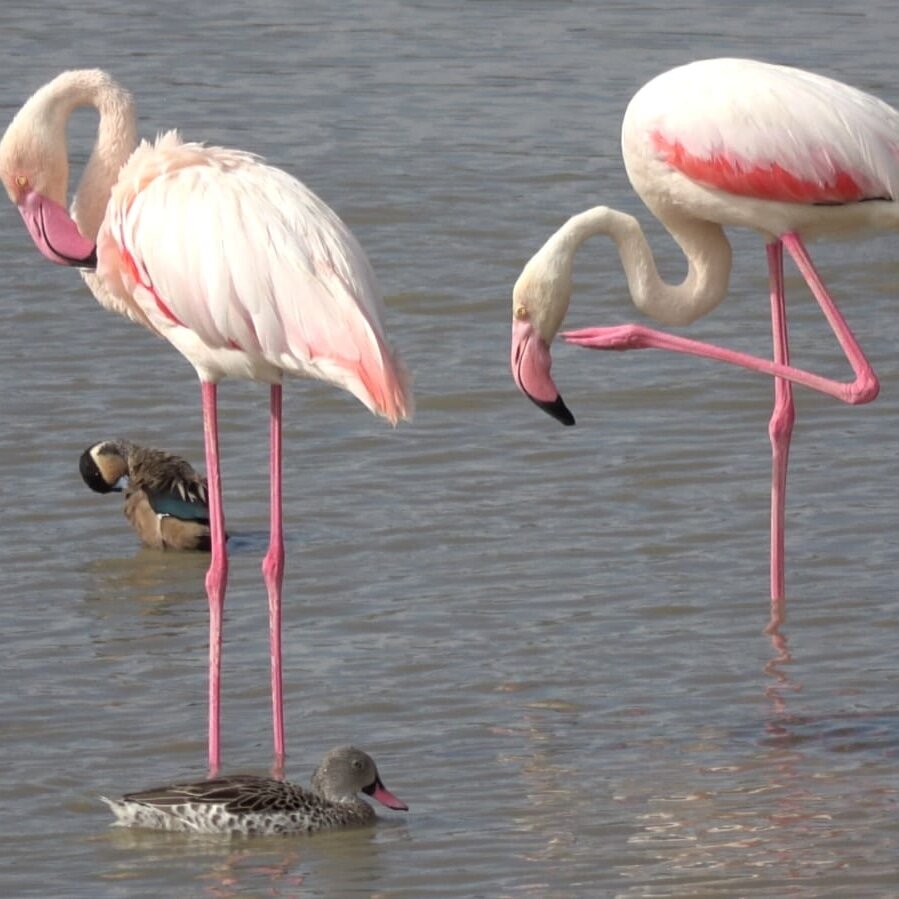
The lake itself is the clearest barometer of the rains. As the wet months fill it, water levels rise, algae bloom in the shallow soda water, and flamingos gather in large numbers to feed on that bloom. In a strong wet season the shallows can turn pink with greater and lesser flamingos drawn to the rich feeding. When the dry season shrinks the lake, many of those birds disperse to other Rift Valley soda lakes such as Natron and Eyasi, and flamingo numbers at Manyara fall.
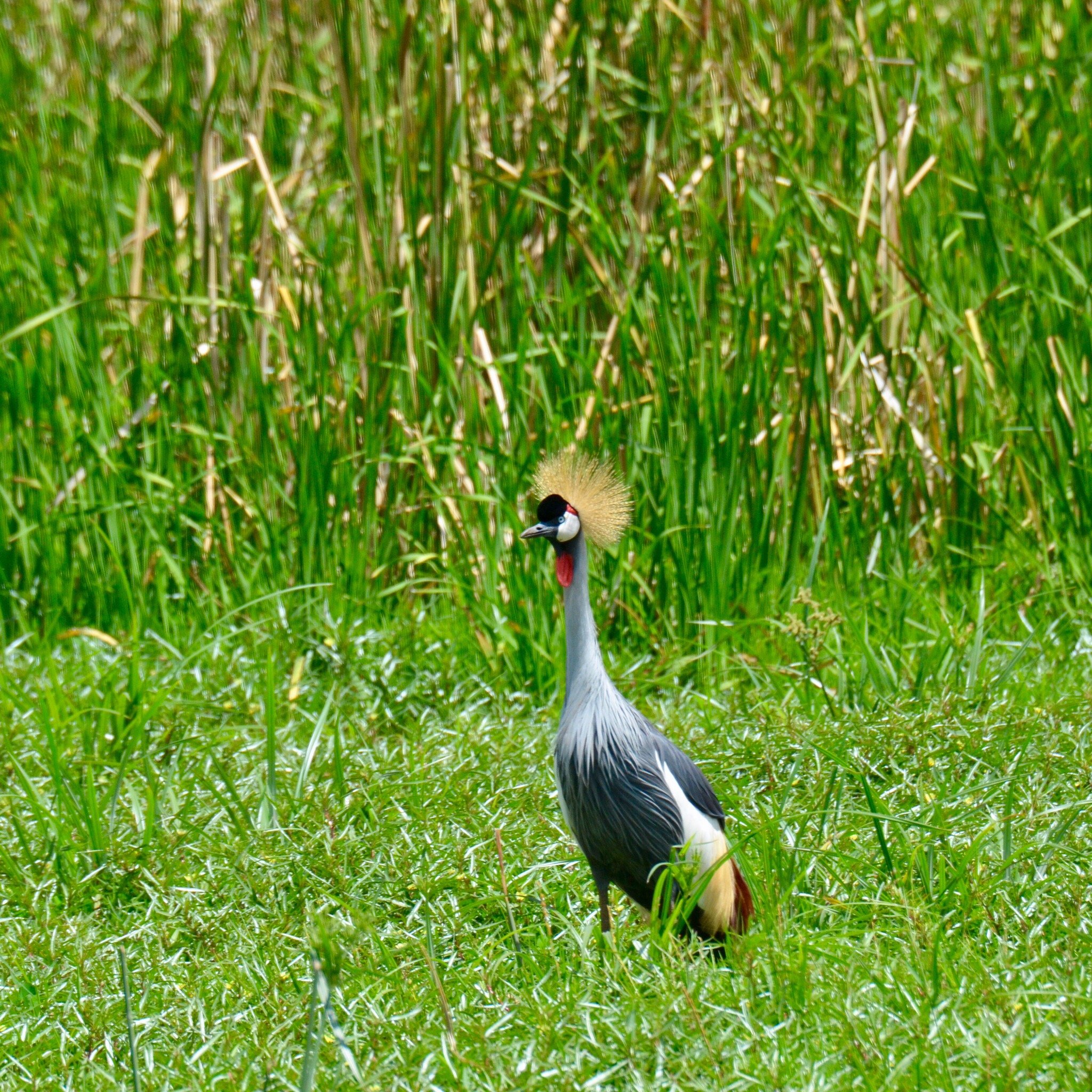
Rain drives the broader bird calendar too. The wetter months from November through May bring migratory species down from Europe and Asia, layering exotic visitors over the park’s rich resident list, and many birds slip into breeding plumage during the long rains. For general game viewing the pattern reverses. The dry months concentrate elephants, buffalo, giraffe, and the park’s famous tree-climbing lions around permanent water and thinning cover, which makes them easier to see, while the wet months scatter animals across a green landscape where the going is green and the sightlines are shorter.
The groundwater forest is the exception that proves the rule. Fed by springs seeping from the escarpment rather than by rainfall, it stays green and shaded through the driest months, so the baboons, blue monkeys, and elephants that shelter there are reliable company whatever the sky is doing.
What the Rainfall Means for Planning
The practical takeaway is straightforward. If your priority is firm tracks, reliable access, and concentrated wildlife, aim for the long dry season from June to October, when rain is close to zero and every part of the park is reachable. If you would rather see the park green, quiet, and full of birds, and you do not mind flexible plans and the odd soaked afternoon, the wet months reward you, with November, December, and late May offering the gentlest version of that trade.
April sits at one extreme as the wettest and most demanding month, and the deep dry months of July through September sit at the other as the most predictable. Everything else is a matter of balancing green scenery against ease of movement. Whatever window you choose, a good guide who reads the tracks and the sky will get far more out of the day than the rainfall chart alone would suggest.
Frequently Asked Questions
What is the wettest month at Lake Manyara?
April is the wettest, averaging around 161 mm of rain over roughly 19 days. It marks the peak of the long rains, when the tracks are softest and the park is at its greenest.
When are the two rainy seasons?
The short rains fall around November and December, and the long rains run from March through May with the peak in April. January and February form a drier break between them, and June to October is the long dry season.
How much rain does Lake Manyara get in a year?
The park receives roughly 650 mm to 850 mm of rain a year, almost all of it during the two rainy seasons. The dry months from June to September contribute only a millimeter or two each.
Can you still go on safari during the rainy season?
Yes. Even in April the rain rarely lasts all day, and morning drives often stay clear. The main caution is that the heaviest long rains can make some low-lying tracks difficult, so a knowledgeable driver and a flexible schedule help a great deal.
Does rain affect how many flamingos you see?
It does. Rising water in the wet months feeds the algae flamingos eat, so their numbers on the lake tend to be highest from around November to May. As the dry season shrinks the lake, many disperse to other Rift Valley soda lakes and numbers fall.
Is the rainy season cheaper for visiting Lake Manyara?
Generally yes. The wetter months from March to May fall in the low travel season, when many lodges lower their rates and park entry is often quieter. Exact costs vary by operator and lodge, so confirm current pricing when you book.