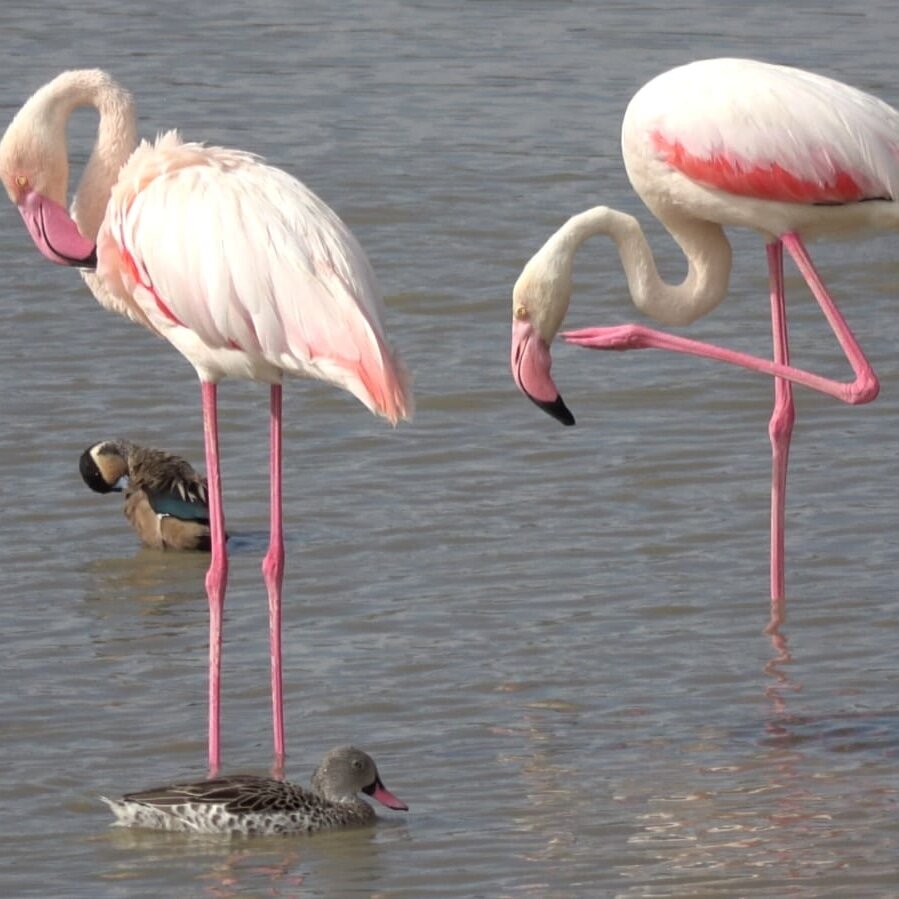
The best time for birdwatching at Lake Manyara is the wet season from November to April, when Palearctic and intra-African migrants join the resident birds and many species show breeding colour. Visitors set on flamingos do better in the dry months from June to October, when concentrated flocks feed on the algae. Lake Manyara is a narrow northern Tanzania park with more than 400 recorded species across groundwater forest, floodplain and soda-lake shore.
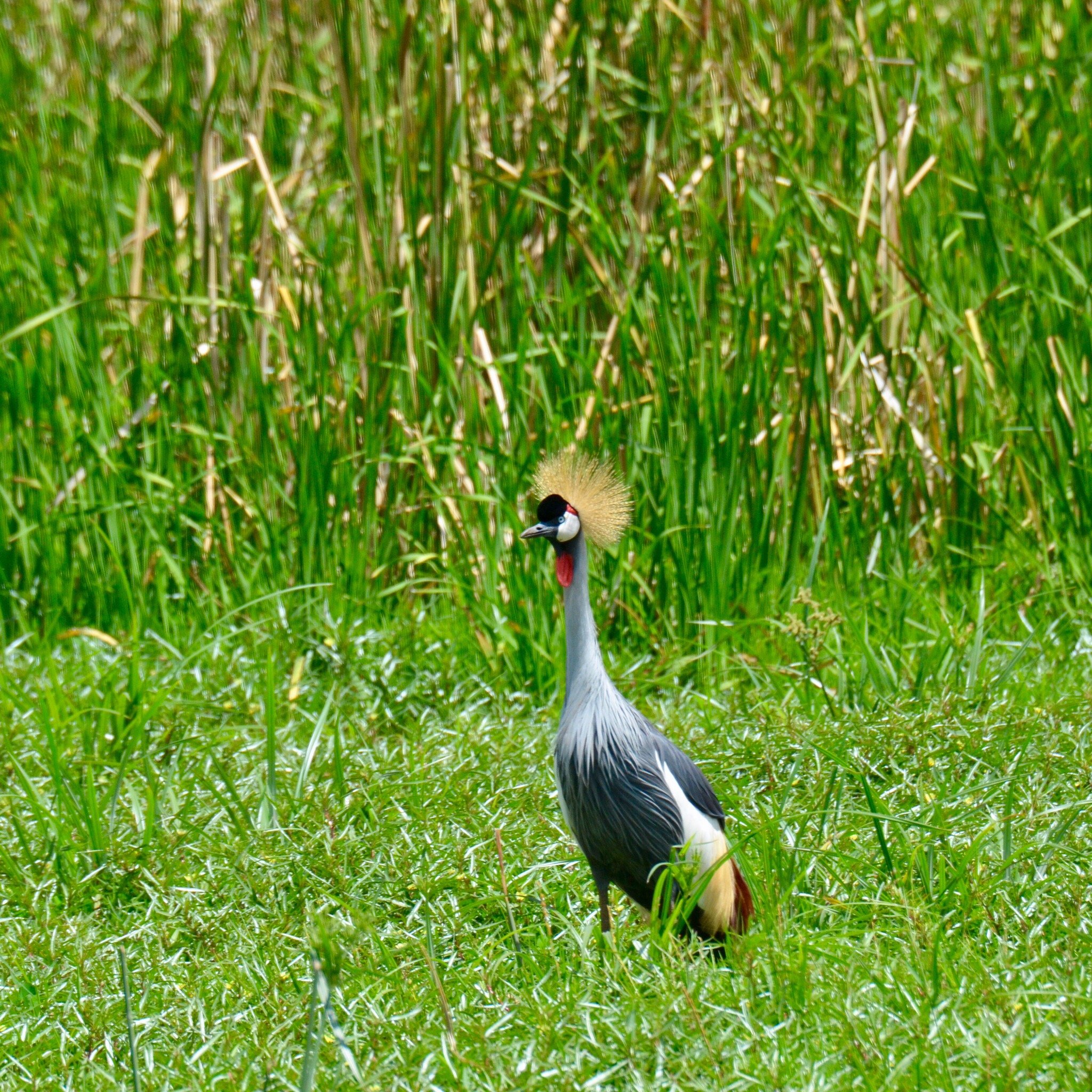
So the honest answer to when you should come depends on which birds you care about most. Migrant waders and warblers, breeding flamingos, nesting pelicans, and shy forest species do not all crowd the calendar at the same moment. This guide walks through the seasons month by month so you can match your birding safari to the sightings you want. If you are still weighing the wider trip, it also helps to read up on the best time to visit Lake Manyara before you lock in dates.
Short version: the strongest all round birding runs from November to April, when Palearctic and intra African migrants join the resident birds and many species show breeding plumage. Flamingo numbers, though, often peak later in the dry months. Read on for the detail behind those two patterns.
Why Timing Shapes a Lake Manyara Birding Tour
Water level drives almost everything at Lake Manyara. The lake is a shallow soda lake, and its size swings hard between the rains and the dry months. During the wetter part of the year the floodplain fills, rivers run, and insects hatch in huge numbers. That food pulse is what draws migrant birds south and pushes resident species into breeding condition. During the drier months the water shrinks back, salts concentrate, and the algae that flamingos feed on can bloom across the exposed flats.
Because of that swing, no single window is best for every bird. A birding tour planned around migrants and green season song will look different from one planned around a wall of pink flamingos. Knowing what happens in each season lets you set fair expectations and avoid the disappointment of arriving for a spectacle that peaks two months either side of your visit.
The November to April Migrant Window
The core birding season at Lake Manyara is the wet season from November to April. This is when Palearctic migrants from Europe and northern Asia arrive alongside intra African migrants moving within the continent. Rollers, bee eaters, warblers, swallows, storks, and various raptors all swell the resident population during these months. Skies over the floodplain fill with movement, and the lake and rivers pull in flamingos, pelicans, and herons at the same time.
This window matters for two reasons that stack on top of each other. First, the sheer species count climbs because you get residents plus visitors in the same habitats. Second, many resident birds enter breeding plumage and start nesting during these months, so they look brighter and behave more actively. For a birder chasing a long day list, the overlap is hard to beat. The wet season does bring rain and some sticky roads, but the birding payoff is usually worth the trade.
Short Rains From November to December: First Arrivals
The short rains open the migrant season. From November into December, the first Palearctic and intra African travelers filter into the park. This is the arrival phase, so you tend to see fresh flocks settling in rather than a fully stocked floodplain. Look for rollers perched on bare branches, bee eaters working the air over open ground, and early warblers skulking in the scrub. Migrant storks and raptors also start showing up during these weeks.
November and December suit birders who like watching a landscape fill up in real time. Numbers are still building, so your day list may run a little shorter than it will a couple of months later, but the variety climbs quickly and the light after a short shower can be very good for photography. Rain at this time usually falls in short bursts rather than all day, which keeps game drives and birding stops workable.
January to March: Resident Breeding and Green Season Birding
By January the park has shifted into full green season mode. Migrants are now widespread and settled, which makes them easier to approach, and resident species are deep into breeding. Many birds are singing, displaying, and nesting through January, February, and early March. Breeding plumage is at its brightest, and display flights and lekking behavior give photographers strong material to work with.
For a lot of visiting birders this stretch is the sweet spot of the year. The combination of approachable migrants, active residents, and colorful plumage produces both high species counts and rewarding behavior to watch. The vegetation is thick and green, which can hide some ground birds, so patience and a good guide help. If your main goal is a rich, varied birdwatching safari with plenty of action, aim for these months.
January to March pairs settled migrants with resident birds in full breeding plumage, which is why many birders treat it as the peak of the Lake Manyara year.
March and April: Peak Wet Season Birding
The late long rains around March and April often mark the birding high point at Lake Manyara. The floodplain and forest are at their greenest, insect life is abundant, and both migrant and resident numbers hold strong before the migrants begin their return north later in April. Waterbirds crowd the shallows, and the forest stays busy with song.
The catch is weather. This is the wettest part of the year, so expect heavier rain and muddier tracks than in the short rains. Some circuits can get slippery, and a full day of rain is possible. Birders who do not mind gray skies and a waterproof cover for their gear are rewarded with the fullest floodplain of the year. If you want the greenest backdrop and the highest overall diversity on a Tanzania birding tour, March and April deliver, provided you pack for wet conditions.
Best Months to See Flamingos
Flamingos follow a different rhythm from the migrants, which trips up many first time visitors. While the migrant birds peak in the wet months, flamingos are often most reliable during the dry season from June to October. As the lake shrinks and the water turns more alkaline, blue green algae and tiny crustaceans bloom across the concentrated flats, and that food supply pulls flamingos in to feed. By January their numbers can also swell into the thousands around the shore, so there is a second window in the green season.
The key point is that flamingos are migratory within the region, so their presence swings with water level and food rather than sitting on a fixed date. Some visits land on tens of thousands of birds spread like a pink carpet across the lake. Others land on a thin scatter far out on the flats. Nobody can promise the big flocks on a given week, so treat a huge flamingo show as a bonus rather than a guarantee. To plan tighter around this species, look at the guidance on the best time to see flamingos and keep your expectations honest.
When to Find Pelicans, Storks and Other Waterbirds
Beyond the flamingos, the shoreline and floodplain hold a strong cast of waterbirds through much of the year. The pink backed pelican is the most common water associated bird in the park, and Lake Manyara serves as a breeding area for thousands of these pelicans along with yellow billed storks and, in smaller numbers, marabou storks and grey herons. The floodplain around the lake also holds egrets, African spoonbills, Abdim’s storks, and a range of other waders.
These waterbirds are present across the seasons, but the wet months from November to April tend to concentrate breeding activity and swell the numbers as migrant waders join the residents. Kingfishers work the rivers, and raptors such as the African fish eagle and the augur buzzard hunt over the water. For a birder who wants a full sweep of storks, herons, and pelicans in one visit, the green season stacks the odds in your favor while still leaving the dry season shoreline productive.
Timing Forest Bird Sightings in the Groundwater Forest
The groundwater forest at the northern gate is a world apart from the open lake. Fed by springs from the escarpment, it stays cool and shaded, and it holds birds you will not find out on the flats. This is the place to look for the silvery cheeked hornbill, the crowned hornbill, the Narina trogon, Schalow’s turaco, the African emerald cuckoo, the crested guineafowl on the ground, and the shy crowned eagle overhead, one of Africa’s largest eagles.
Forest species are resident, so you have a fair chance of them all year, but timing still helps. During the wet season many forest birds call more and enter breeding, which makes them easier to locate by voice even when the thick canopy hides them. The silvery cheeked hornbill, for instance, follows a striking nesting routine where the female seals herself into a tree cavity and is fed by the male through a narrow slit. Early morning, soon after the gate opens, gives the best light and the most vocal activity in the forest regardless of season.
Dry Season Birding From June to October
The dry season from June to October is not the migrant peak, but it still offers solid birding with real advantages. Roads are firm and reliable, the light is clear, and the thinner vegetation makes birds easier to spot once you find them. Resident species stay active, the waterbirds hold along the shrinking shoreline, and, as noted, this is often the strongest window for concentrated flamingo feeding as the algae blooms on the alkaline flats.
Dry months suit birders who prefer comfortable travel conditions and combine birding with general game viewing. You will miss the bulk of the Palearctic migrants and the flush of green season breeding, so your day list may run shorter on variety. In exchange you get easier movement, dependable access, and a good shot at the flamingo spectacle. Pairing a dry season visit with the wider peak of the best time to visit Lake Manyara? No, that link is already placed above, so plan simply around firm roads and clear skies.
Planning Your Birding Days and Kit
3 Days Lake Manyara & Tarangire
4 Days Lake Manyara & Ngorongoro Crater
6-Day Lake Manyara, Tarangire, Serengeti & Ngorongoro Safari
Whichever season you pick, a few practical choices sharpen your results. Start early, since the first hours after the gate opens bring the most bird song and the softest light, in both the forest and along the shore. Give yourself at least a full day inside the park, and two if your list is a priority, so you can work each habitat properly rather than rushing between the forest and the lake. A guide who knows the calls saves enormous time, especially in the dense groundwater forest where much of the action is heard before it is seen.
For gear, bring binoculars you trust, a long lens if you photograph, and a rain cover during the wet months. A field checklist for northern Tanzania helps you keep track of a fast climbing day list. Modest layers matter too, because the forest stays cool and damp while the open flats can turn hot by midday. With the right timing and a little patience, Lake Manyara rewards birders with one of the densest and most varied lists in the region.
Frequently Asked Questions
What is the overall best time for birdwatching at Lake Manyara?
The strongest all round birding runs during the wet season from November to April, when Palearctic and intra African migrants join the resident birds and many species enter breeding plumage. January through April tends to give the richest day lists. If flamingos are your priority, the dry season from June to October is often more reliable for concentrated flocks.
How many bird species can I expect to see in a day?
More than 400 species have been recorded in the park. On a good day during the migrant season, with an early start and a knowledgeable guide, a keen birder can log close to 100 species across the forest, floodplain, and lakeshore. Dry season day lists are usually a little shorter because the migrants are absent.
When is the best month to see flamingos at Lake Manyara?
Flamingos are most reliably concentrated during the dry season from June to October, when the shrinking, more alkaline lake blooms with the algae they feed on. Numbers can also build into the thousands around January. Because flamingos move with water level and food, big flocks are never guaranteed on a fixed date, so treat a large gathering as a welcome bonus.
Is the wet season worth visiting despite the rain?
For birders, yes. The wet season from November to April brings the migrants, the brightest breeding plumage, and the most active forest and floodplain birds. Rain in the short rains around November and December usually falls in short bursts, while March and April are wetter. Pack a rain cover for your gear and expect some muddy tracks in the wettest months.
Which birds are special to the groundwater forest?
The forest at the northern gate holds species you will not see out on the flats, including the silvery cheeked hornbill, the crowned hornbill, the Narina trogon, Schalow’s turaco, the African emerald cuckoo, the ground dwelling crested guineafowl, and the shy crowned eagle. These birds are resident year round, though they call more during the wet season, which makes them easier to locate.
How much does a birding safari at Lake Manyara cost?
Costs vary widely with group size, vehicle, guide, and whether the park sits inside a longer northern circuit. Park entry fees are charged per person per day on top of guiding and transport, and a specialist bird guide usually adds to the rate compared with a general game drive. As a rough guide, a private guided day focused on birding often falls in the mid range of northern Tanzania day tour prices, so ask your operator for a clear per person breakdown before you book.