
Things to do in Lake Manyara National Park include game drives, night drives, a treetop canopy walkway, walking safaris, canoeing, the Maji Moto hot springs boardwalk, birdwatching, and cultural tours nearby. Visitors can combine several in a single day because the park is compact. It sits at the base of the Great Rift Valley escarpment in northern Tanzania, between cliffs and an alkaline lake.
This overview walks through each of the main things to do at Lake Manyara, what to expect from each one, and how honest the wildlife odds really are. Use it as a map of the options, then follow the deeper guides linked along the way to plan the parts that appeal to you most.
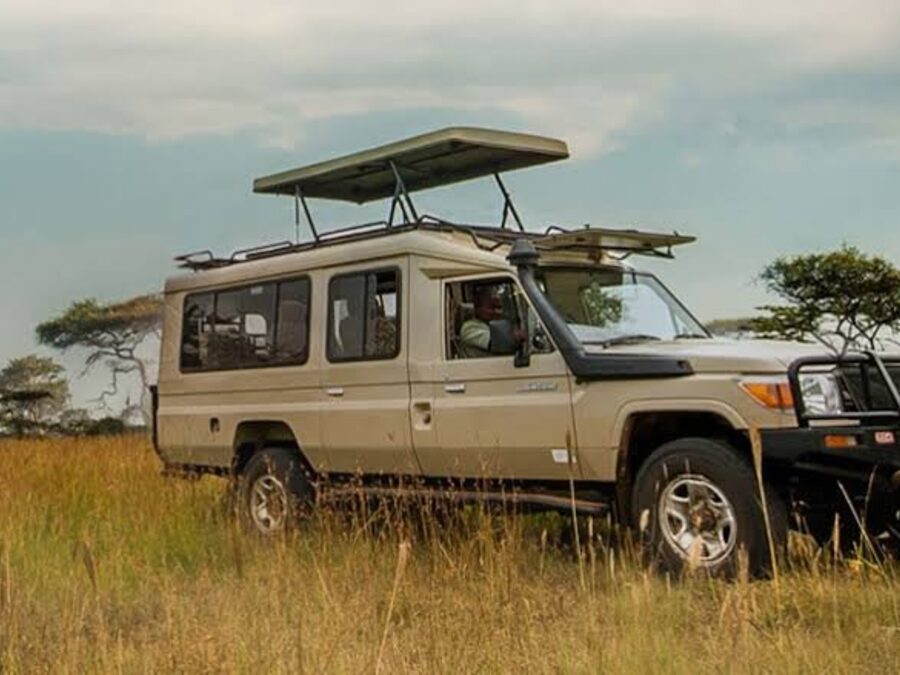
Game Drives Through the Manyara Woodlands
The classic way to see Manyara is from an open roof vehicle on a game drive, and it remains the backbone of any visit. The road network is simple to follow, running roughly south from the main gate near Mto wa Mbu, through the groundwater forest, past the hippo pool, and along the lakeshore floodplain. Because the park is narrow, you move quickly between habitats, and each one brings a different cast of animals.
The groundwater forest at the entrance is dense and shaded, fed by springs at the foot of the escarpment. Troops of baboons sit in the road here, and blue monkeys move through the canopy. Beyond the forest the country opens out. This is where you look for elephants, giraffes, zebras, impalas, buffalo, and warthogs, often with the pink smudge of flamingos on the lake behind them. Manyara is best known for its tree climbing lions, which drape themselves over the branches of acacia and sausage trees during the heat of the day. Seeing them up a tree is never guaranteed, and plenty of visitors leave without a sighting, but the park is one of the few places in Africa where the behaviour is regular enough to hope for. A half day drive covers the main loop comfortably, while a full day lets you reach the quieter southern sections. Our Lake Manyara game drive guide breaks down routes, timing, and what lives where.
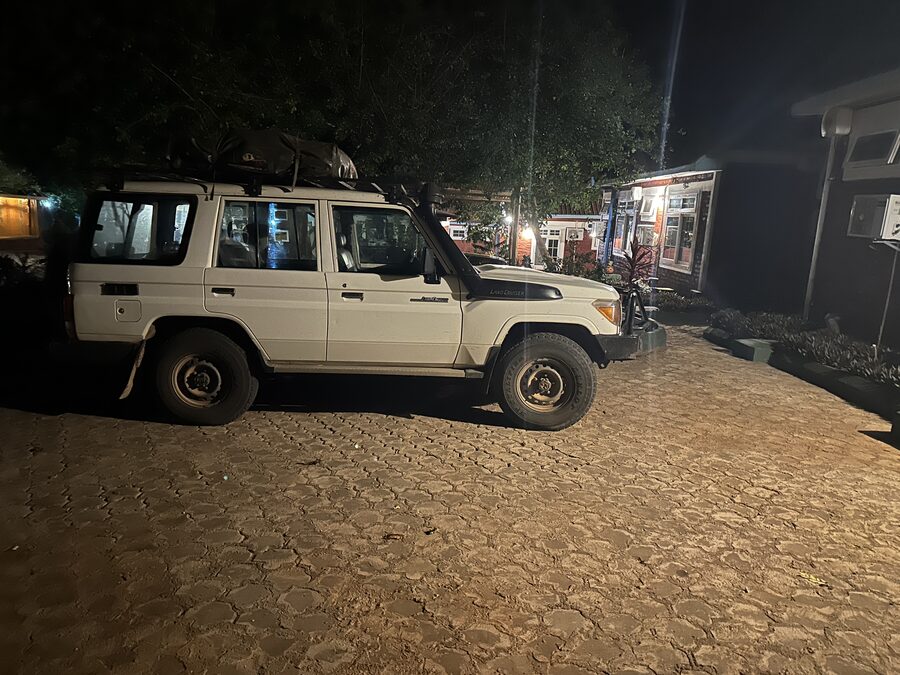
Night Game Drives After Dark
Manyara is one of a small number of Tanzanian parks where you can stay out after sunset on a guided night drive. Most parks close their gates at dusk, so this is a genuinely different way to experience the bush. A ranger rides along with a spotlight, sweeping the beam across the roadside and the trees, and a whole roster of animals that hide during the day begins to move.
This is the time for the nocturnal specialists. Civets and genets trot along the verges, bush babies leap between branches with eyes that flash in the light, and white tailed mongooses and porcupines appear where there was nothing an hour before. Leopards and lions hunt at night, and hippos leave the water to graze, so the drive carries a real charge of the unknown. Sightings depend heavily on luck and the guide’s eye, and small mammals are far more likely than big cats. Still, hearing the sounds of the dark and watching the beam pick out a pair of eyes is a different kind of safari. Read the full night game drive guide for how to book, what to wear, and realistic expectations.

The Treetop Canopy Walkway
The newest headline attraction at Manyara is the treetop walkway, the first of its kind in Tanzania and one of the longest suspended walks in Africa. It runs about 370 metres through the groundwater forest near the park entrance, beginning as a gentle boardwalk close to the ground and climbing through a series of suspension bridges until you are roughly 18 metres up among the crowns of the mahogany and fig trees.
Each bridge is strung with thick safety netting along the sides and ends on a solid viewing deck built around a tree trunk, so there are plenty of places to pause. From this height you look across the forest rather than up into it, which changes what you notice. Silvery cheeked hornbills, blue monkeys, butterflies, and small forest birds pass at eye level, and with luck you may spot baboons or elephants moving on the forest floor below. The walk takes roughly 45 minutes to an hour at an unhurried pace, and it suits travellers who want to stretch their legs and see the forest from a fresh angle rather than chase big game. Our dedicated canopy walkway guide covers timings, safety, and whether it suits children and nervous walkers.
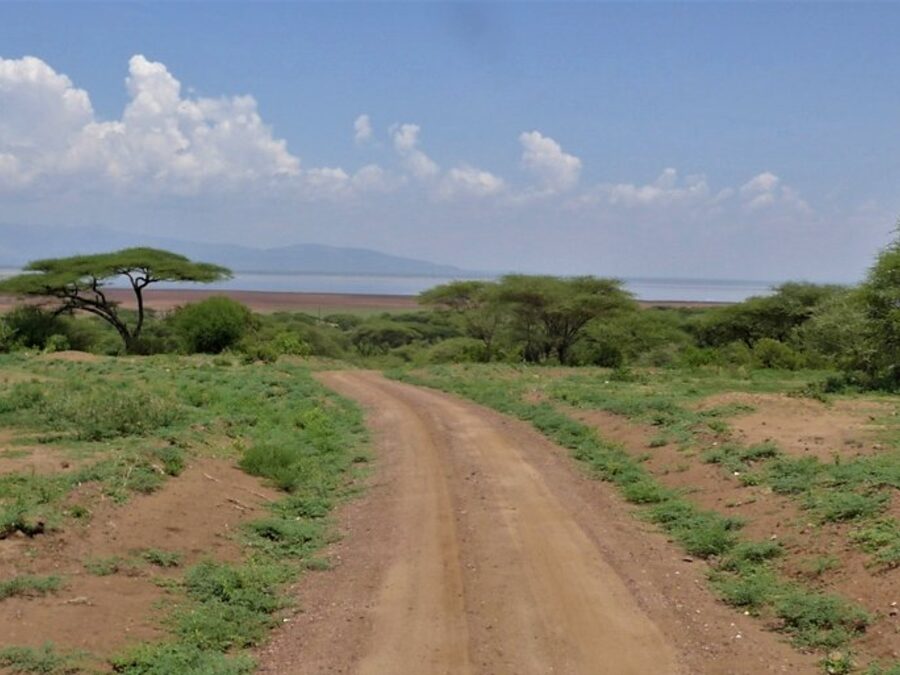
Walking Safaris on Foot
Stepping out of the vehicle changes everything. On a guided walking safari at Manyara you move at ground level with an armed ranger, and the small details that blur past on a drive come into focus. Tracks pressed into the mud, dung that tells you who passed and when, medicinal plants, birdsong, insects, and the smell of the forest all become part of the experience. Walks are led at a calm pace and are designed around safety, with the ranger reading the ground ahead and keeping a respectful distance from anything large.
This is not the activity for ticking off big animals, and you should not expect close approaches to elephants or buffalo. What you get instead is an understanding of how the ecosystem fits together, and a quiet that no engine allows. Walks usually take place in the cooler hours and last a couple of hours over gentle terrain near the escarpment or along the forest fringe. For anyone who has spent days sitting in a vehicle, it is a welcome reset. See the walking safari guide for fitness levels, what to bring, and where the walks run.

Canoeing on Lake Manyara
When the water is high enough, you can paddle out onto the lake itself in a stable two person canoe. A canoe safari trades the height and noise of a vehicle for a low, silent view right at the waterline, which is a peaceful way to watch the birdlife and the shallows. Guides paddle alongside and point out species as you drift near the shore.
The important caveat is water level. Manyara is a shallow soda lake fed by underground springs and seasonal rivers, and its size swings dramatically through the year. In dry stretches the lake can retreat so far that canoeing stops altogether, so this activity is never guaranteed and always depends on conditions at the time of your visit. When it does run, you glide past pelicans, storks, herons, and rafts of flamingos, with hippos wallowing in the deeper channels and the escarpment rising behind. Always confirm availability before you count on it. Our canoe safari guide explains the seasons, the launch points, and what you are likely to see on the water.
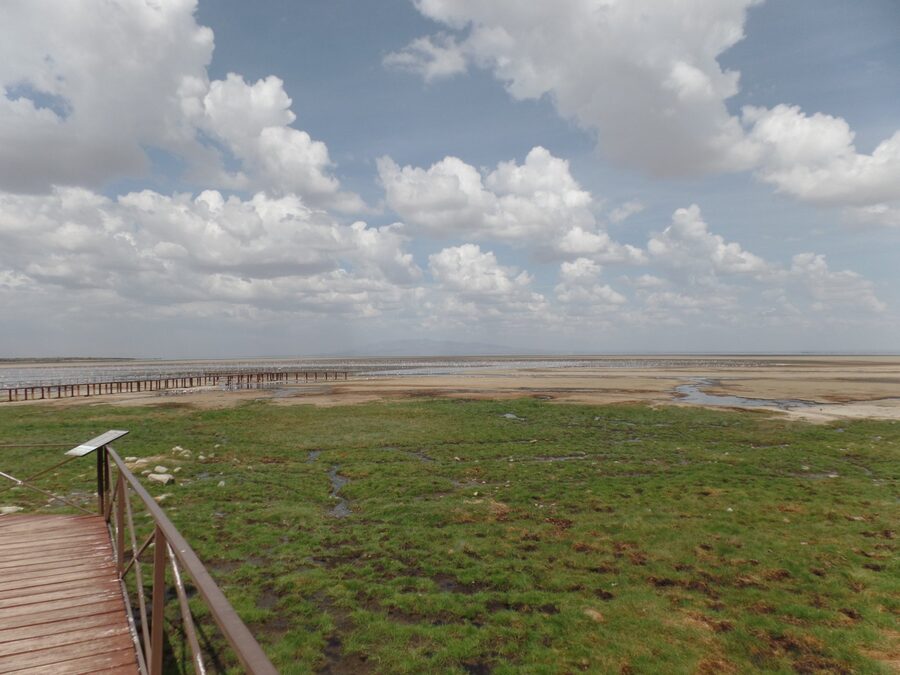
The Maji Moto Hot Springs Walk
Towards the southern end of the park, on the strip of land between the escarpment and the lake, the ground heats up. Maji Moto means hot water in Swahili, and here springs push water to the surface at temperatures near 60 degrees Celsius, hot enough that you would not want to test it with a bare hand. A wooden boardwalk raised about 1.5 metres above the ground carries you roughly 300 metres out across the marsh and mineral flats to the springs, then back, keeping your feet dry and giving a clear view of the steaming pools and the crusted earth around them.
Reaching the springs is part of the appeal, since they lie about two hours by road from the main gate through the length of the park, so a visit usually pairs with a full day game drive heading south. The pools themselves are strange and quiet, with mineral colours in the water and few other visitors around. Guided walks let you explore the flora and the birdlife that gathers near the warm water. It is a rewarding detour for travellers with a full day to spend and an interest in the odder corners of the park. The Maji Moto hot springs guide covers how to fit the springs into a day and what to expect at the boardwalk.
Picnic Sites and the Hippo Pool
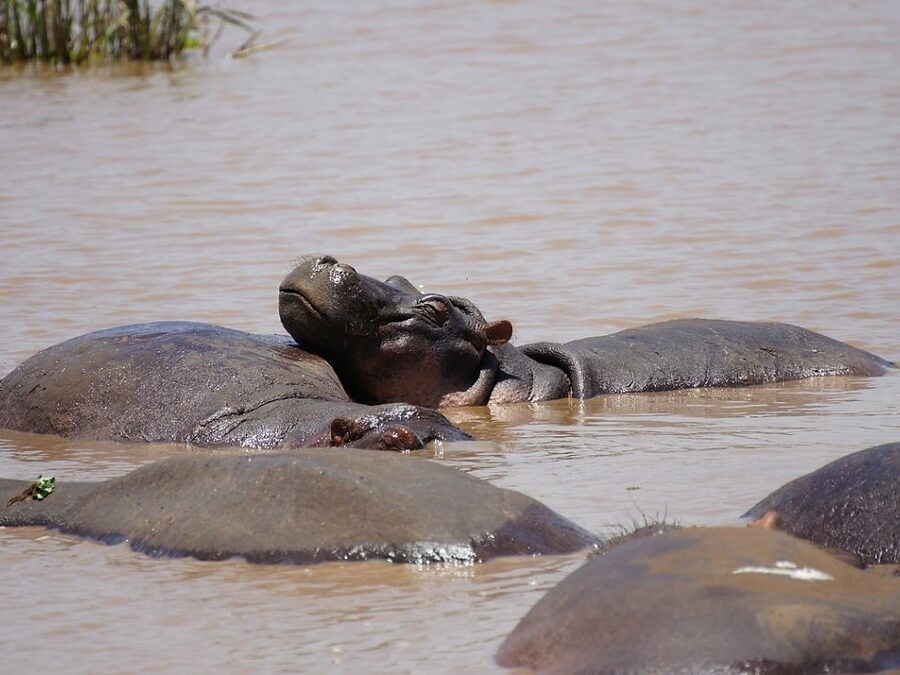
Manyara has proper places to stop, stretch, and eat, and building them into your day makes the park feel less like a drive through and more like somewhere you have spent time. The Hippo Pool, reached not long after the forest, is a broad shallow spread of water where hippos cluster together, grunting and jostling, while pelicans, storks, and waders work the margins. There is a viewing area, and it is one of the reliable spots to watch water life at close range.
Shaded picnic sites such as the Endala viewpoint give you a safe place to leave the vehicle and enjoy a packed lunch with the lake and the escarpment laid out below. Bring your own food and water, since there are no shops inside the park, and keep an eye on your lunch because baboons and vervet monkeys are quick and bold around picnic tables. These stops are included in your entry, and they turn a morning of driving into a more relaxed outing. A midday break at a viewpoint is also the easiest way to see the park’s scale, with the flats stretching pink and silver toward the far shore.
Sunrise and Early Morning Drives
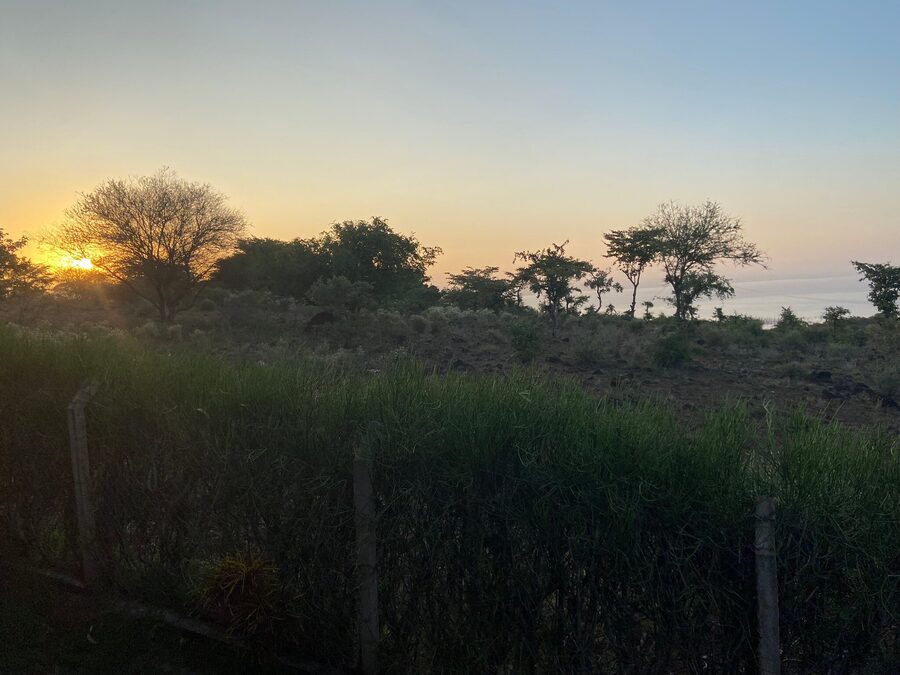
The first hours after the gate opens are the best of the day for wildlife, and an early start is one of the simplest ways to improve what you see. In the cool of the morning the animals are active and moving before the heat drives them into shade, predators may still be finishing the night’s work, and the light is soft and low across the lake. Leaving at first light means you often have the forest and the floodplain largely to yourself before the mid morning vehicles arrive.
An early drive is also the moment when the tree climbing lions are most likely to be visible, either still resting in the branches or moving between hunting grounds. Birds are at their most vocal, elephants feed in the open, and the flamingos catch the sunrise. Cool morning air makes for comfortable game viewing, so bring a light layer that you can shed as the day warms. Guests staying at lodges on the escarpment rim get a head start, since they can be at the gate as it opens. Our sunrise safari guide explains how to plan the early start and where to head first.

Birdwatching Across the Park
Few parks its size can match Manyara for birds, with more than 400 species recorded across its habitats. The variety comes straight from the geography. The soda lake pulls in enormous numbers of waterbirds, the forest holds a different set of forest specialists, and the woodland and floodplain add their own. You do not need to be a dedicated birder to notice how much is on the wing here, though those who are will find plenty to keep them busy.
The lake is the star. Great and lesser flamingos gather in their thousands on the alkaline water, feeding on the algae and shrimp that thrive in it, and the size of the flocks shifts with water levels and season through the year. Around them you find pelicans, yellow billed storks, spoonbills, grey crowned cranes, and countless waders. In the forest and along the escarpment, look for silvery cheeked hornbills, turacos, crowned eagles, and a scatter of smaller species. The wetter months from around November through April bring migrant birds and boost the numbers further, while the drier months can concentrate flamingos as the algae thickens. Bring binoculars, since much of the best birding happens at a distance across the flats.
Maasai and Mto wa Mbu Cultural Tours
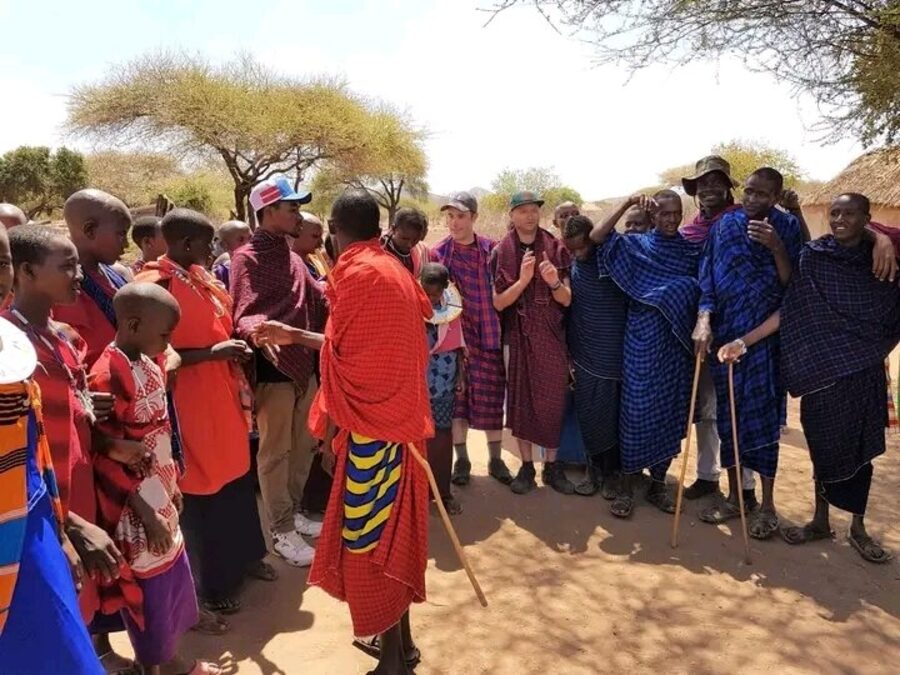
Just outside the park gate sits Mto wa Mbu, a lively market town said to be home to more than 120 different ethnic groups drawn from across Tanzania, which makes it an unusually rich place for a cultural tour. Spending a few hours here adds a human dimension to a wildlife trip and puts money directly into the local community. Guided village walks take you through irrigated banana and rice farms, past busy markets, and into the workshops where people go about their trades.
Depending on the tour, you might share a home cooked family meal, taste banana beer with Chagga hosts, watch Datoga blacksmiths hammer metal by hand, or visit a coffee farm. Many tours also include a visit to a Maasai boma, the traditional homestead, where you meet Maasai families, watch warriors sing and dance, and learn how a semi nomadic herding life works day to day. These visits are arranged with the communities themselves, and treating them as a genuine exchange rather than a photo stop makes them better for everyone. It is an easy and worthwhile add on before or after your park day. The cultural tours guide covers the different options and how to choose a responsible operator.
A half day game drive through the forest and floodplain, ideally starting early, gives the broadest sample of what Manyara holds.
The canopy walkway and the Maji Moto boardwalk both get you out of the vehicle and show the park from angles most visitors miss.
A guided night drive, one of the few in Tanzania, turns the park over to civets, genets, bush babies, and the chance of a hunting cat.
Time along the lakeshore with binoculars, where flamingos, pelicans, storks, and cranes work the alkaline shallows in large numbers.
Fitting the Activities Together
Because Manyara is compact, you can combine several of these things to do in a single day, and most visitors do. A common shape is an early game drive through the forest and lakeshore, a midday picnic at a viewpoint or the hippo pool, and then either the canopy walk near the gate or a push south toward the hot springs. Add a night drive after dinner if you are staying nearby, and slot a Mto wa Mbu cultural tour into the arrival or departure day. Canoeing and walking safaris are best confirmed in advance, since one depends on water levels and the other on ranger availability.
Two days let you slow all of this down and reach the quieter south without rushing. Whichever way you build it, the strength of Manyara is choice. It is a place where a single park delivers forest, lake, escarpment, wildlife, and culture, and where you can walk, drive, paddle, and climb your way through them all within a few hours of the same gate.
Frequently Asked Questions
How much does it cost to enter Lake Manyara National Park?
Non resident adults pay around 59 USD in the high season and about 53 USD in the low season, with children between 5 and 15 charged roughly 17.7 USD. East African and Tanzanian residents pay a much lower rate of around 11,800 Tanzanian shillings for adults. Entry is valid for 24 hours and is usually paid by Visa or Mastercard, as the gate takes card only. Guided activities such as the canopy walk, night drive, and canoeing carry separate fees on top of park entry.
How much time do I need at Lake Manyara?
Many visitors see the park on a half day drive as part of a longer northern circuit, which covers the forest, hippo pool, and lakeshore. A full day lets you reach the southern sections and the Maji Moto hot springs without rushing, and adding a night drive or a cultural tour easily fills two days. If you want to try the canopy walk, a walking safari, and canoeing as well, plan for at least a full day and preferably an overnight stay nearby.
Is canoeing on the lake always available?
No. Canoe safaris run only when the lake holds enough water, and Manyara is a shallow soda lake whose size changes sharply through the year. In drier stretches the water can retreat too far for canoeing to operate at all. Because of this, canoeing is never guaranteed, so confirm current conditions with your operator before you build a day around it.
Will I definitely see the tree climbing lions?
There is no guarantee. Manyara is one of the few parks where lions regularly rest in trees, but sightings depend on luck, the season, and where the prides happen to be. Early morning drives give the best chance, since the lions are more likely to be visible in the branches during the cooler hours. Plenty of visitors enjoy the park fully without seeing a lion in a tree, so treat it as a bonus rather than the reason for the trip.
What is the best time of year to visit for wildlife and birds?
Both the dry and wet seasons have their strengths. The drier months from around June to October concentrate animals near water and make the roads easy, and flamingo numbers can rise as the algae thickens. The wetter months from about November to April bring migrant birds, green landscapes, and the fullest lake for canoeing, though some tracks get muddy. For birding overall, the wetter migratory months are hard to beat.
Are the night drive and canopy walk suitable for children?
The canopy walkway suits most families, since it is a slow guided walk on a netted, decked structure, though very young or nervous children may find the height unsettling. Night drives are calmer than they sound and can be a memorable experience for older children, but the late hour and long sit in the dark suit some kids better than others. Check age policies with your operator, as some activities set a minimum age.


