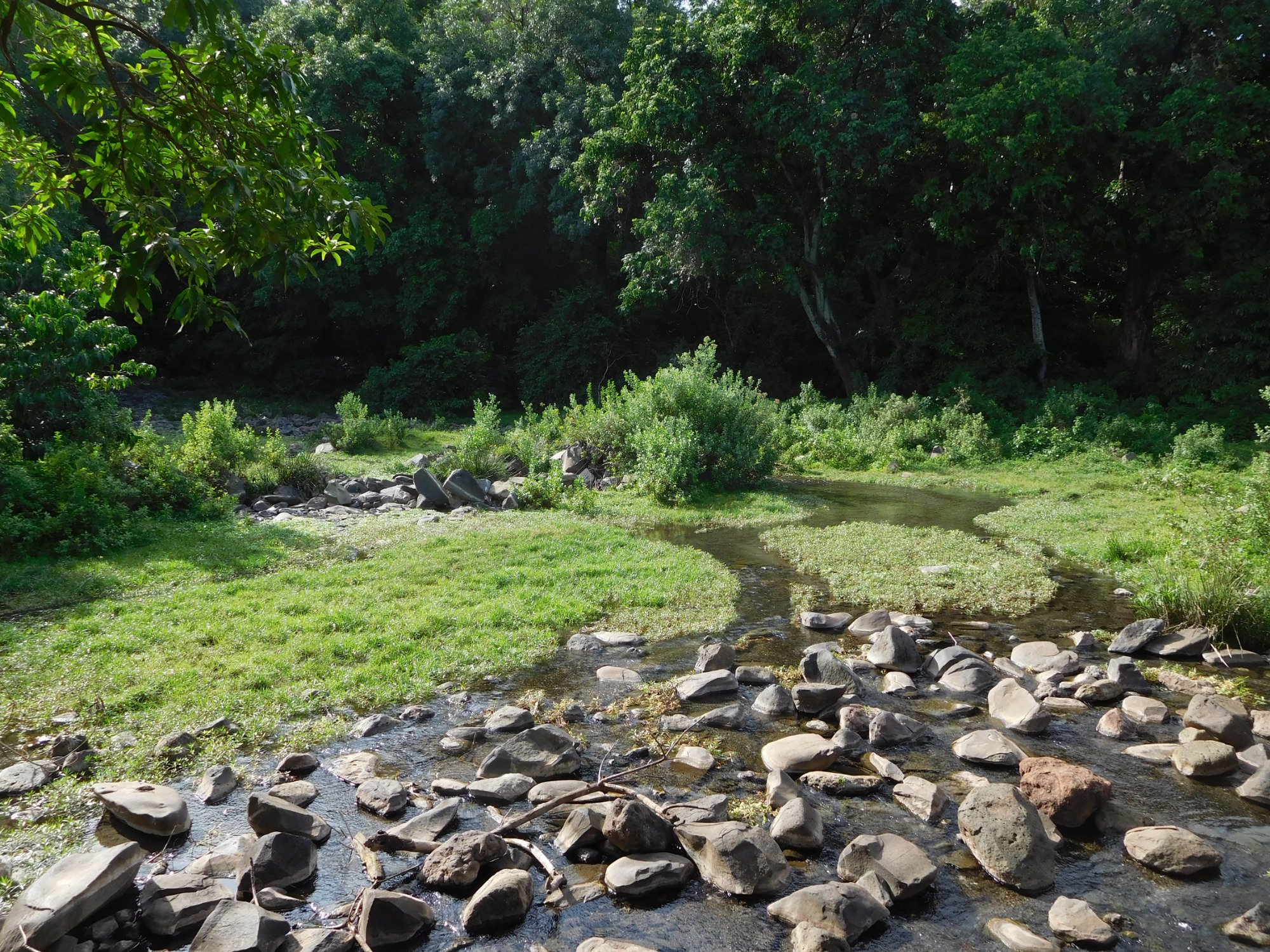
Lake Manyara National Park has several designated picnic sites where you can leave the vehicle, stretch your legs and eat lunch with a view over the soda lake and the Rift Valley wall. Visitors use them as the main on-foot stops on a full day of driving, keeping food packed away from the bold baboons and vervet monkeys that patrol the tables. The sites lie in the northern part of the park in northern Tanzania.

Lake Manyara is a narrow park, pressed between the western escarpment and the shallow alkaline lake. Because most of the driving happens along a single strip of forest, floodplain, and lakeshore, the picnic sites are spaced so you are never far from one when the middle of the day arrives. Knowing where they sit helps you plan the flow of a game drive rather than leaving lunch to chance.
Picnicking is allowed in designated areas only. You cannot simply pull over anywhere and open your lunch box. The marked sites are the few places inside the park where you are permitted to leave the vehicle, so plan your midday stop around one of them.
Where the picnic sites sit on a Lake Manyara safari
The park has three established bush meal areas: Endala picnic site, Msasa picnic site, and the Majimoto or Maji Moto picnic area near the hot springs. On top of these, the Hippo Pool lookout doubles as a scenic spot where many drivers pause for lunch or a snack. Each site has toilets, benches, and tables, and access to all of them is included in your park entry, so there is no extra booking needed to use one.
The sites are placed to match the shape of a typical driving route. You enter through the main gate in the north, roll through the groundwater forest where baboons and blue monkeys gather early, then break out onto the open floodplain toward the lake. The picnic sites follow that same line, which is why your guide can time a stop to land near one when the sun is high and the animals have gone quiet. If you want a wider look at how these stops sit alongside the walkways, canoe outings, and viewpoints, the overview of things to do in Lake Manyara puts them in context with the rest of a visit.
The Hippo Pool viewpoint as a picnic and photo stop
The Hippo Pool lookout is the most used stop in the park, and for good reason. It is a freestanding wooden platform that rises about eight feet above the ground, roughly eight kilometres from the main gate, and it looks out over the marshland where pods of hippos wallow through the day. From the deck you take in the Rift Valley wall, the reedy shallows, and a steady traffic of waterbirds working the mud.
This is one of the better places in the park to eat while you watch wildlife. Pink backed pelicans are easy to see here, along with storks, herons, and the flamingos that gather out on the shimmer of the lake. Early morning or late afternoon light is softer, the hippos are more active, and the birds photograph better, so if your schedule lets you choose, aim your Hippo Pool break for one of those windows rather than the flat glare of noon.
From the raised deck at Hippo Pool you can eat lunch, count hippos, and photograph pelicans without moving your feet.
Because the platform is raised and open, it can get busy at peak times when several safari vehicles arrive together. If you find it crowded, your guide can carry on to a quieter site and loop back to the pool later in the day when the light improves and the earlier groups have moved on.
Endala, Msasa and Maji Moto picnic sites
Endala picnic site sits on the northwestern shore of the lake, a small clearing set into the woodland where you can step down from the vehicle, eat a bush meal, or just stretch. The Endala viewpoint has shaded benches and tables that overlook the valley, which makes it a comfortable choice on a hot afternoon when you want tree cover rather than open sun.
Msasa picnic site is a large open field near the northeastern shore. It is one of the few points inside the park where you are allowed to leave your car, and it comes with washrooms that have running water, so it works well as a longer midday base for a group. The open ground gives you room to spread out, though it also means less shade than Endala.
The Maji Moto picnic area lies further south near the geothermal springs on the western shore. The water at the springs runs hot, around sixty degrees, heated as it passes through volcanic rock deep under the Rift Valley, and a raised boardwalk lets you walk out over the lakeshore to an observation platform. Pairing a picnic here with a look at the Maji Moto hot springs makes the southern end of the park a natural turnaround point on a longer drive.
What facilities you will find at each picnic spot
None of these are restaurants. They are bush picnic sites, which means the facilities are simple but genuinely useful for a full day out. Across the sites you can expect flush or well kept toilets, sitting arrangements in the form of benches and tables, and at Msasa washrooms with running water. Shade varies: Endala and the forest edges give you tree cover, while Msasa and the Hippo Pool deck are more open to the sky.
There is no shop, no kitchen, and no drinking water for sale inside the park, so everything you eat and drink has to come in with you. Your lodge or tour operator packs a lunch box, and your guide keeps water in the vehicle. Bins can be scarce or full, so the safe habit is to carry all your rubbish back out with you rather than leaving it at a site. Littering is against park rules and it also trains the monkeys and baboons to treat the tables as a food source.
Baboons and vervet monkeys: the food rules that matter
Lake Manyara holds one of the largest concentrations of baboons anywhere, along with plenty of vervet monkeys and blue monkeys, and the picnic sites are exactly where their paths cross yours. These primates are clever, quick, and completely unafraid of people who carry food. A baboon can snatch a sandwich from your hand or open an unattended bag in seconds, and once it has learned that safari vehicles mean lunch, it keeps coming back.
Do not feed the baboons or vervet monkeys, ever, not even a scrap. A single handout teaches an animal to raid the next group, and habituated baboons can turn aggressive when they expect food and do not get it. Keep this simple set of habits in mind at any picnic stop.
Keep food out of sight until you stop. Do not eat in the open with the vehicle doors and windows wide while monkeys are watching. Wait until you are settled and aware of your surroundings.
Never leave a lunch box unattended. A bag left on a bench while you walk to the viewpoint is an open invitation. Keep meals zipped and close to you.
Close the vehicle. Vervet monkeys will jump through an open window and help themselves. Shut doors and windows when you step away from the car.
Do not tease or corner an animal for a photo. Give baboons space, keep well back, and let them pass rather than blocking their route to your food.
Guides deal with this every day and will often pick a site or a spot within it where the troop is quieter, then keep an eye out while you eat. Follow their lead. The goal is to enjoy watching the primates from a sensible distance, not to hand them a reason to mob the tables.
Packing a lunch box for a full day game drive
Most people who spend a full day in Lake Manyara carry a packed lunch rather than driving out to eat and back in. Losing the middle of the day to a return trip through the gate eats into your wildlife time, so a lunch box in the vehicle is the practical choice on any full day safari here.
Your lodge or operator usually prepares the box on request, often the night before or at breakfast. A typical box holds something like a piece of chicken or a sandwich, a boiled egg, fruit, a juice or water, and a snack. Ask for the box the evening before so it is ready when you leave, and confirm that the vehicle carries enough drinking water for the whole day, since you cannot buy any inside the park.
Plan around a single midday break. On a full day drive your guide will read the animals and the light, then time one main picnic stop for the quiet hours around lunch, with shorter pauses at viewpoints as you go. Being flexible about exactly which site you use lets the guide steer you toward whichever one is calmest and best lit that day.
Pack light on packaging and heavy on things that travel well in the heat. Strong smelling food and loose wrappers draw monkeys, so keep the box sealed until you are ready and pack the rubbish straight back in once you are done.
Best picnic sites for views and birdlife on your trip
If your priority is water and birds, Hippo Pool is hard to beat. The raised deck puts you over the marsh where hippos, pelicans, storks, and herons gather, and the lake beyond often carries a pink smudge of flamingos. The park has more than four hundred recorded bird species, and the wetland edges near the pool are among the busiest places to see them.
For a shaded, restful stop with a valley outlook, Endala viewpoint wins, with its benches under the trees looking out over the woodland and floodplain. Msasa suits groups who want space and running water, though its open field offers less to look at than the lakeshore sites. The Maji Moto area rewards anyone heading south, pairing a picnic with the boardwalk over the springs and the shallows where waterbirds feed.
Light matters as much as location. Early morning and late afternoon bring softer colour to the lake and put the flamingos and pelicans in their best form, so if you can shape your tour around those hours for the water sites, the views and the photography both improve. Midday is a fine time for the shaded forest sites, where the tree cover keeps you comfortable while the open country bakes.
Fitting picnic stops into a game drive itinerary
A common day trip runs something like this. You reach the gate in the morning after the drive from Arusha, register, and start working the groundwater forest and floodplain while the animals are active and cool. As the morning warms and wildlife settles into shade, you ease toward a picnic site, take your main break of the day, then carry on with an afternoon loop before leaving in the late afternoon.
4-Day Tarangire, Lake Manyara & Ngorongoro Safari
11-Day Northern Circuit & Mahale Chimpanzee Safari
10-Day In-Depth Serengeti & Northern Circuit Safari
The picnic stop is the hinge of that plan. It lands in the quiet hours when driving turns up less anyway, so you lose little wildlife time by pausing to eat, and it sets you up fresh for the afternoon when the light softens and the birds pick up again. On a multi day tour that combines Manyara with Tarangire and Ngorongoro, the same logic holds: eat inside the park at a designated site, keep the food sealed and the monkeys at arm’s length, and let the guide time the stop around the animals rather than the clock.
Handled this way, the picnic sites stop being an afterthought and become part of the safari. You get a rest, a view, and often some of the best hippo and bird watching of the day, all from the one place in the park where you are free to stand on your own two feet.
Frequently Asked Questions
How much do the Lake Manyara picnic sites cost to use?
There is no separate charge for the picnic sites. Access to Endala, Msasa, Maji Moto, and the Hippo Pool lookout is included in your park entry fee, so once you have paid to enter Lake Manyara National Park you can use any of the designated picnic areas at no extra cost. You do pay separately for your lunch box, which your lodge or operator prepares, and that price varies by operator.
Can I get out of the vehicle at the picnic sites?
Yes. The designated picnic sites and the Hippo Pool platform are among the very few places inside the park where you are allowed to leave your car. Everywhere else you stay in the vehicle. Even at the sites, stay aware of baboons and monkeys, keep to the marked area, and follow your guide’s direction on where it is safe to sit.
What happens if a baboon or monkey grabs my food?
Let it go. Do not chase, grab back, or corner the animal, which can lead to a bite or a bolder raid. The better approach is prevention: keep food sealed and out of sight until you are settled, never leave a lunch box unattended, and shut the vehicle windows and doors when you step away. Do not feed the animals under any circumstances, since it makes them aggressive toward the next visitors.
Which picnic site is best for birdlife?
Hippo Pool is the strongest choice for water and birds. From its raised deck you look over the marsh at hippos, pelicans, storks, and herons, with flamingos often visible out on the lake. The wetland edges here are some of the most productive birding spots in a park that has recorded over four hundred species. Early morning and late afternoon give the best light and the most activity.
Should I bring a packed lunch or drive out to eat?
Bring a packed lunch. Driving out of the park to eat and back in wastes a large part of your day and cuts into your wildlife time. Ask your lodge or operator to prepare a lunch box the night before, confirm the vehicle carries plenty of drinking water since none is sold inside the park, and eat at one of the designated sites during the quiet midday hours.
Are the picnic site facilities clean and usable?
The sites are simple bush picnic areas rather than restaurants, but they do have flush or well kept toilets, benches, and tables, and Msasa has washrooms with running water. There is no shop, no kitchen, and no drinking water for sale, so carry in everything you need and take all your rubbish back out with you to keep the sites clean and the animals from scavenging.