The best time for wildlife viewing at Lake Manyara is the dry season from June to October, when thinning grass and shrinking water concentrate elephants, buffalo and the tree-climbing lions near the lake. Visitors get the clearest sightings on an early morning drive, when predators and herds are most active in the first hours after the gate opens. Lake Manyara is a compact northern Tanzania park pressed between the Rift Valley escarpment and a shallow soda lake.

The short answer is that the dry season from June to October gives the strongest general wildlife viewing, while the green months from November to May trade some visibility for birds, baby animals, and quiet roads. The rest of this guide breaks down which months and which times of day work best for each species, and how weather nudges every sighting one way or the other. If you are still settling your travel dates, the wider best time to visit Lake Manyara overview pairs well with the seasonal detail below.
Quick read: June to October concentrates big mammals near water for the clearest game viewing. November to May brings green landscapes, migratory birds, and calving. Early morning beats midday in every season for predators and active herds.
Why the Dry Season Delivers the Best Game Viewing
From June through October, rain almost stops falling across the park. Seasonal streams shrink, groundwater drops, and the grasses that hid animals for months begin to thin out. Two things happen at once. Wildlife loses its cover, so you can see further into the woodland and across the floodplain, and animals lose their scattered water sources, so they gather at the springs, the lake edge, and the permanent pools along the western side. That combination is what makes a game drive guide so useful in these months, because the productive spots become predictable.
Large herds of elephant move through the groundwater forest and out onto the open ground, often digging in dry riverbeds for water. Buffalo bunch up near the marshes. Zebra and wildebeest pass through the park as part of a wider corridor that links Manyara with Tarangire, where fresh water holds year round. By September the fresh water shortage is sharp enough that many animals rely on the alkaline lake itself, which pulls a lot of activity toward the shoreline where you can watch it from the track. For a fuller breakdown of these patterns, the dry season guide covers month by month movement.
The trade off is company. July to September is the busy stretch, and the park has a limited road network, so popular sightings draw several vehicles. Starting early is the simplest way around the crowds.
June to August: The Cool, Reliable Window for Safari
June opens the dry season and is one of the safest bets on the calendar. The rains have usually cleared, skies turn bright, and the ground firms up so the whole road network stays passable. Mornings and evenings run cool, sometimes down around 14C, so a fleece matters for the first hour of any game drive. Vegetation is already thinning, which lifts visibility week by week through the month.
July and August sit at the heart of the peak safari period. Days are warm and dry, usually in the mid 20s Celsius, with genuinely chilly nights. The steady dry weather forces animals to gather around the lake and the permanent water, so sightings of elephant, buffalo, giraffe, and general plains game come thick and frequent. July is also one of the stronger months for the tree-climbing lions, because the building heat and insect pressure give the cats a reason to lie up in the acacias and sycamore figs where you can spot them. Warm layers for early departures are worth packing, since the temperature swing between dawn and midday is wide.
June: Firm roads, thinning cover, cool starts. A dependable all round month with fewer vehicles than the weeks that follow.
July: Peak dry viewing, strong odds on tree-climbing lions, cold mornings and warm afternoons.
August: Continued dry concentration of game near water, busy but productive, excellent light for photography.
September and October: Peak Concentration at the Water
These are the driest, most concentrated weeks of the year. By September the shortage of fresh water is at its most severe, and wildlife leans hard on the lake shallows and the reliable springs. That pulls elephant, buffalo, and predators into a smaller band of habitat near water, which is exactly where you want to be looking. Vegetation is at its sparsest, so sight lines across the floodplain open right up.
October holds the same pattern but adds a sense of anticipation as the first short rains approach late in the month. Daytime heat climbs, often reaching the low 30s Celsius, which keeps animals close to shade and water through the middle of the day and makes the tree-climbing lions even more likely to seek out the branches. This is prime time for a focused game drive built around the western pools and the shoreline. The heat also means midday drives slow down, so front loading your time into the morning pays off more than ever.
Best Time of Day: Early Morning Wins in Every Season
Season sets the odds, but the hour of the day often decides the drive. The gate opens around 6am, and the first ninety minutes after sunrise are the most active of the whole day. Predators are still moving before they settle to rest, herds feed in the cool air, and the low light is kind to both eyes and cameras. An early start also puts you ahead of the vehicles arriving from Arusha, so you reach the best spots while they are quiet.
Midday is the slow stretch. Heat pushes most animals into shade, activity drops, and this is when a lion draped along a branch may be the highlight simply because so little else is stirring. Late afternoon picks up again as the temperature eases, and it is a good window for birdlife along the lake and for hippos and buffalo returning to the open ground. If you can only choose one part of the day, choose the morning in every month of the year.
Timing tip: Book the earliest possible entry and plan your route toward water first. Predators and big herds are most active before the heat builds, and you will beat the mid morning arrivals to the prime sightings.
When to See Lions, Leopards, and Other Predators
The tree-climbing lions are the signature draw, and they are easiest to find in the dry months from June to October, with the hotter weeks of July through October giving the best odds. Heat and biting insects are the leading theories for why these cats take to the acacias, sycamore figs, and candelabra trees, so the dry season heat that thins the crowds of prey also nudges the lions upward into view. Even so, honesty matters here. Lions in trees are a genuine possibility rather than a guarantee on any single drive, and patience with the known lion areas serves you better than rushing the loop.
Leopards live in good numbers along the wooded escarpment, but they are shy and mostly nocturnal, so daytime sightings take real luck in any season. Lake Manyara is one of the few Tanzanian parks that permits guided night drives, and that is your strongest chance at leopard, along with genets, civets, and other after dark hunters that stay hidden while the sun is up. If predators are your priority, combine a dry season visit for the lions with a ranger led night drive for the smaller, secretive cats.
When to See Elephants, Buffalo, and Giraffe
Elephants are present all year, but the dry season brings them into the open as they move through the groundwater forest and dig for water in dry riverbeds. June to October gives the clearest views, both because the herds concentrate near water and because thin vegetation stops hiding them. Acacia leaves are a staple food for both the elephants and the park’s Masai giraffe, so the areas of acacia woodland reward slow, attentive driving in any month.
Buffalo gather near the marshes and floodplain, and like the elephants they are simplest to see when the dry season pulls them toward reliable water. Giraffe stay visible across the seasons thanks to their height, though the green months can tuck them among fuller foliage. For the widest, most reliable views of all three, the dry stretch from July to October remains the strongest choice.
When to See Hippos, Flamingos, and Water Birds
Hippos gather in the shallow pools along the western side of the park and are best watched in the early morning and late afternoon, when they are most visible and, after dark, when they leave the water to graze the floodplain. The hippo pools are a fixture of most game drives and stay productive across the year.
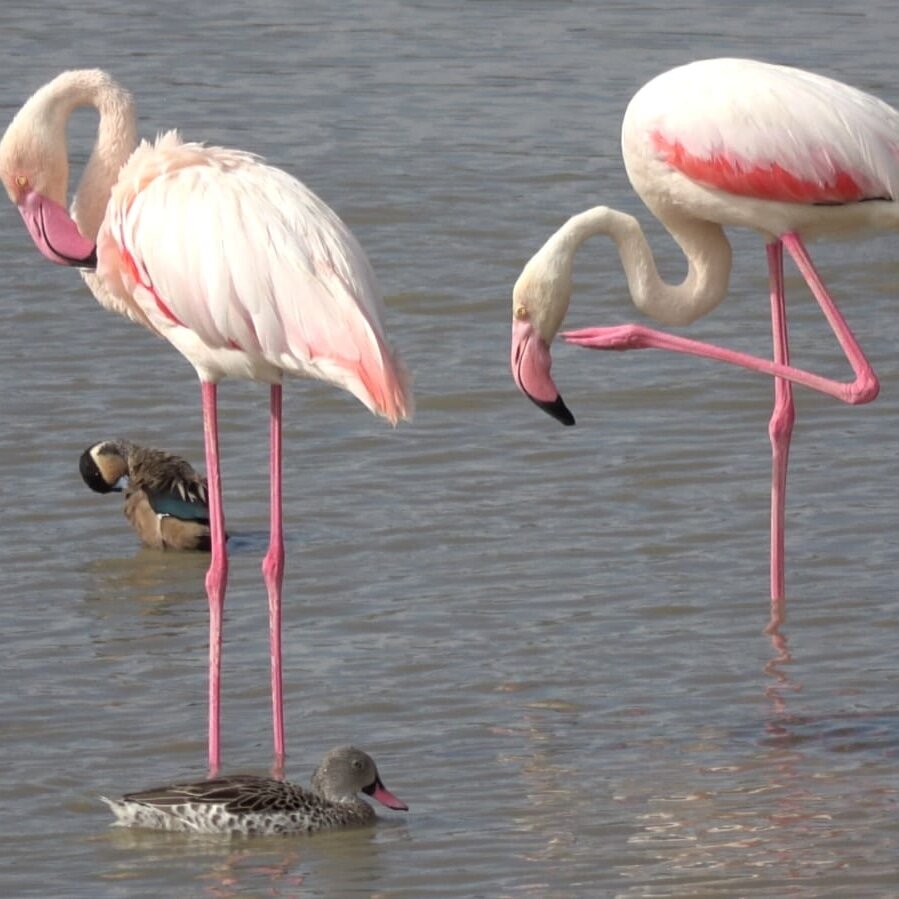
Flamingos follow a different rhythm to the big mammals. Their numbers swell when water levels are high, which means the wet season from November to April generally lines the alkaline shallows with the largest pink flocks, alongside pelicans and many other water birds. Because flamingo numbers shift with water and food, the flocks can be dramatic one week and thin the next, so treat big gatherings as a bonus rather than a certainty. If those pink clouds are high on your list, the dedicated best time to see flamingos guide tracks the water levels that drive them.
The Green Season: Birds, Baby Animals, and Quiet Roads
From November to May, the park splits into short rains around mid November into December and longer rains from March into May, with April usually the wettest. The landscape turns green and full, which makes general game viewing harder because animals scatter across abundant water and thicker cover. What you gain in return is real. This is the top window for birdwatching, as thousands of migratory birds from Europe and Asia join the residents, and it overlaps with the calving season, when many herbivores drop their young and predators follow the newborns.
Roads can turn muddy in the heaviest weeks of March and April, so a capable vehicle and a flexible plan help. Crowds thin out and rates soften compared with the peak dry months, so travelers who care more about green scenery, birds, and space than about maximum big mammal visibility often prefer this quieter stretch.
How Weather Shifts Your Sightings Day to Day
7-Day Serengeti, Ngorongoro, Tarangire & Manyara Safari
3-Day Family Mikumi National Park Safari
11-Day Northern Circuit & Ruaha Wilderness Safari
Beyond the broad seasons, daily weather tilts the odds. On the cool dry mornings of June and July, animals move longer into the day before seeking shade, which stretches the productive window. On the hot days of September and October, activity compresses into the early and late hours, and the tree-climbing lions grow more likely as the cats escape ground level heat. A passing rain shower in the green season can spark a burst of movement once it clears, while sustained heavy rain flattens activity and softens the roads.
The practical takeaway is to read the day in front of you. Cool and clear favors a long, patient loop. Hot and still favors an early push to water followed by a shade focused search for resting cats. Fresh rain favors waiting for the break and then covering ground while the animals stir. Matching your drive to the weather is the last small adjustment that turns a good day into a strong one.
Frequently Asked Questions
What is the single best month for wildlife viewing at Lake Manyara?
July is a standout. It sits in the cool, dry heart of the peak season, animals concentrate near water, and the heat and insects give strong odds on the tree-climbing lions. September and October push the concentration even higher as water grows scarce, though the days run hotter.
Is the dry season or wet season better for a safari here?
For general big mammal viewing, the dry season from June to October is better because thin vegetation and scarce water make animals easier to find. The wet season from November to May is better for birds, migratory species, calving, and quiet roads, at the cost of harder general game viewing.
What time of day should I start a game drive?
As early as the gate allows, around 6am. The first ninety minutes after sunrise are the most active for predators and feeding herds, the light is best for photography, and you get ahead of the vehicles arriving later from Arusha.
When am I most likely to see the tree-climbing lions?
During the dry season, with the hotter weeks from July through October giving the best chance, since heat and insects push the cats up into the acacias and fig trees. It remains a possibility rather than a promise on any given drive, so give the known lion areas time.
When is the best time to see flamingos?
Generally the wet season from November to April, when higher water levels and rich food draw the largest flocks to the alkaline shallows. Numbers move with the water, so flocks vary from week to week.
How much does entry to Lake Manyara cost?
Park entry fees for non resident adults typically run in the region of 50 to 60 US dollars per person for a standard day, with lower rates for East African residents and children, plus separate charges for guiding, vehicle, and any optional night drive. Confirm current figures with your operator or the park authority before you travel, as fees are reviewed periodically.