This 7-day safari covers the best of northern Tanzania at a steady pace. You search for elephants and baobabs in Tarangire, birds and tree-climbing lions at Lake Manyara, and big cats across two full days on the Serengeti plains. The trip ends with a descent into the Ngorongoro Crater, home to lion, elephant, hippo, and black rhino.
You land at Kilimanjaro International Airport and your guide drives you about an hour to a lodge near Arusha, passing coffee farms with Mount Meru rising behind. After checking in you have time to rest and settle before an evening briefing that covers the route, the parks, and daily timings. If you arrive early you can relax by the pool or walk the lodge gardens, which are full of birds. Arusha sits at a cool altitude, so pack a warm layer for the evening. Dinner is at the lodge, and an early night sets you up for the road tomorrow. Overnight at a lodge near Arusha. Meals: Dinner.
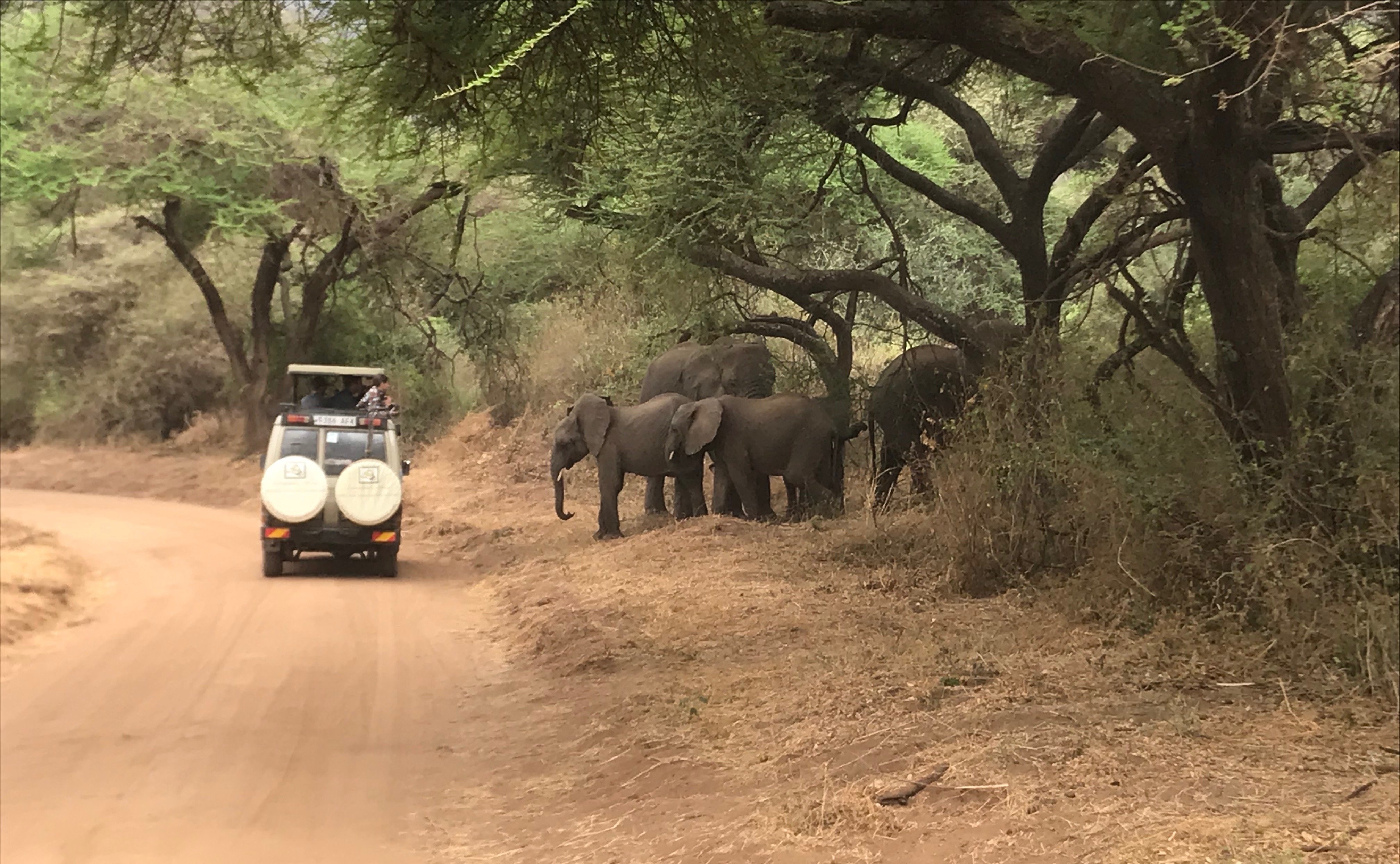
After breakfast you drive southwest to Tarangire National Park, a few hours from Arusha, entering a park defined by its river and by huge, ancient baobab trees. In the dry season animals gather here, and Tarangire holds some of the largest elephant herds in the north. You follow the river valley on a game drive, watching for lion, giraffe, zebra, wildebeest, and dry-country antelope such as fringe-eared oryx and lesser kudu. The birding is strong, with hornbills, bee-eaters, and flocks of small parrots. You spend a full day in the park with a picnic lunch, around six hours of driving and viewing. Overnight at a lodge or tented camp near the park. Meals: Breakfast, Lunch, Dinner.
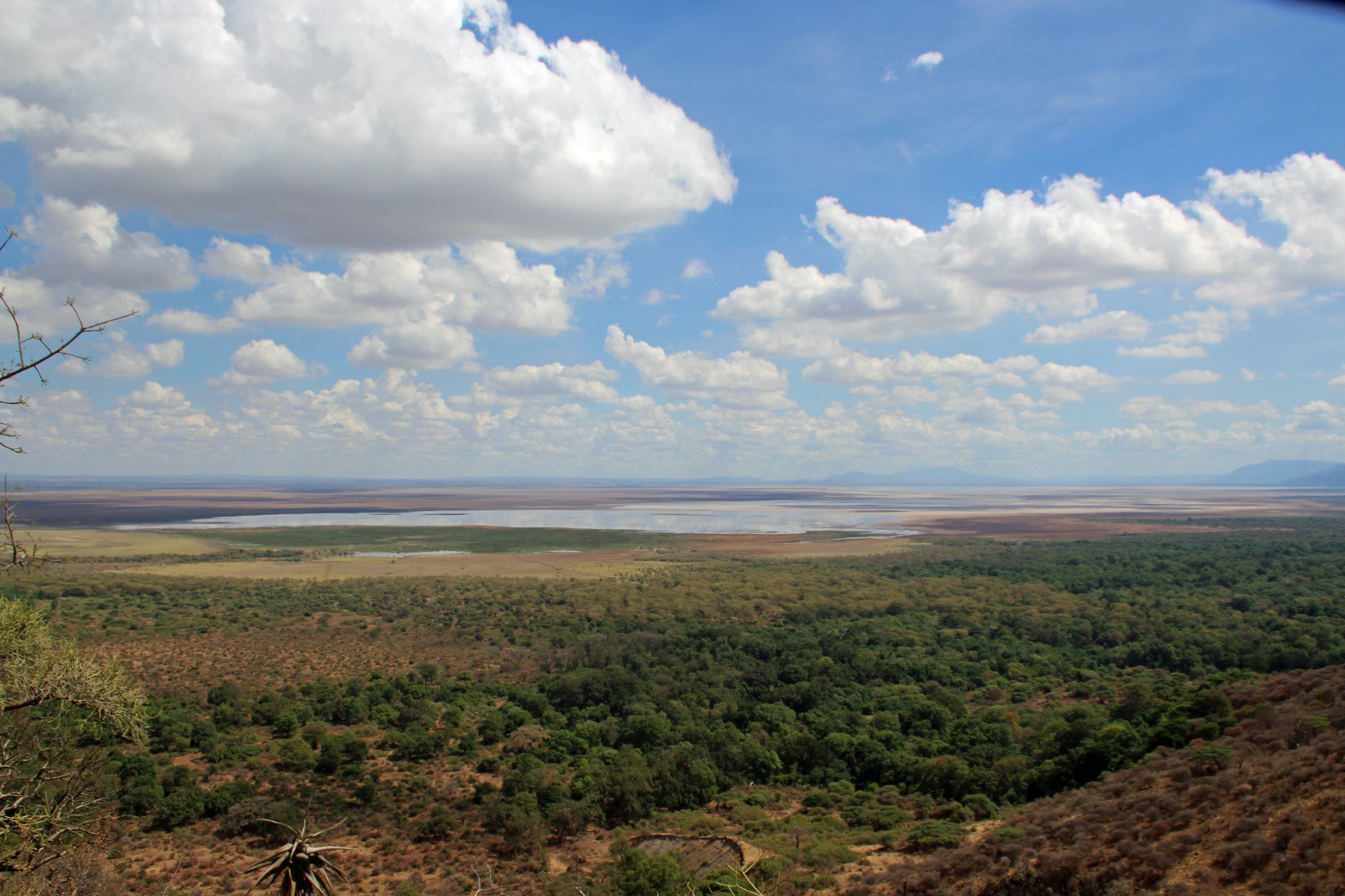
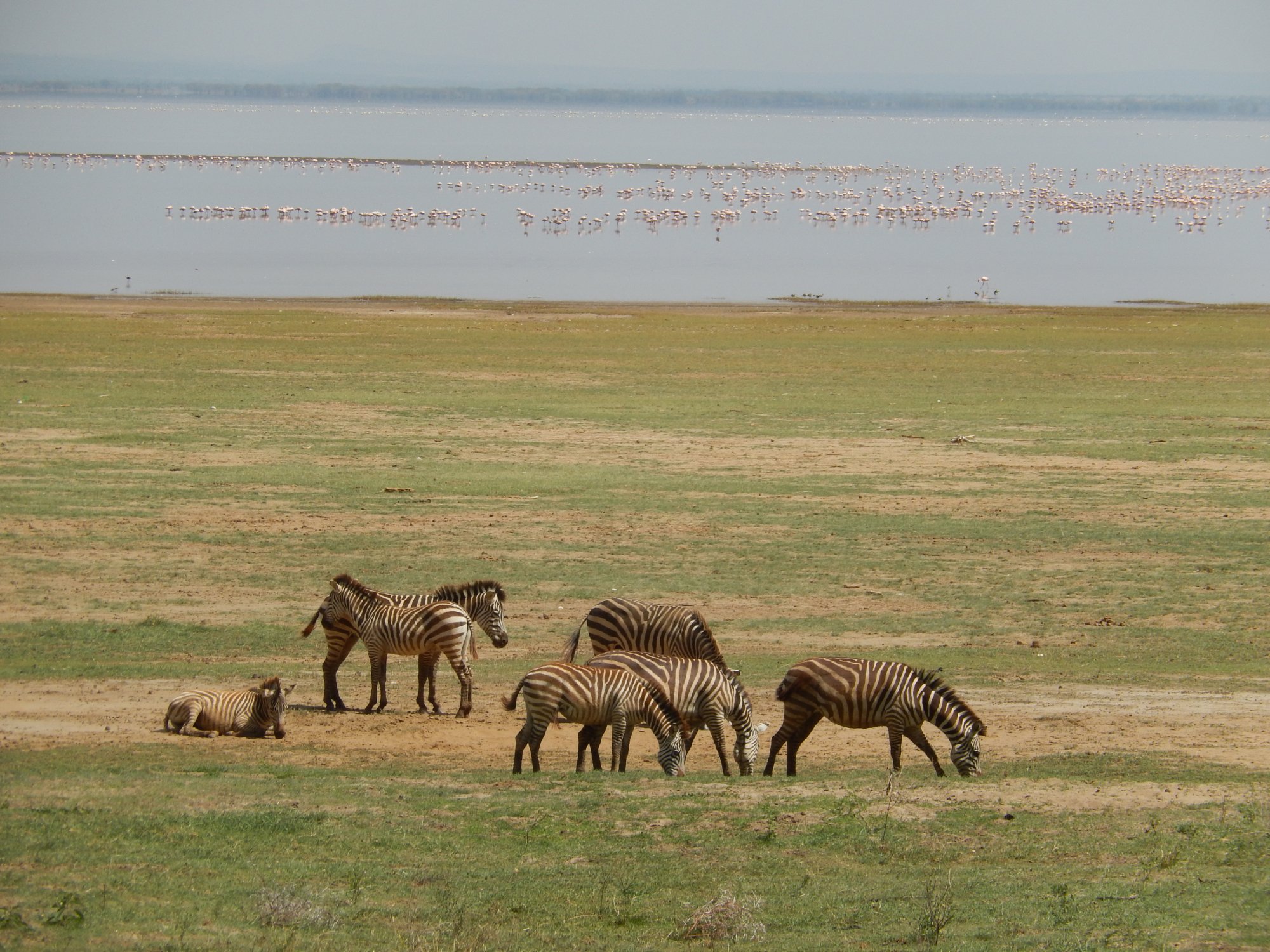
This morning you visit Lake Manyara National Park, a narrow strip between the Rift Valley wall and a shallow soda lake. The forest at the gate is busy with baboons and blue monkeys, and beyond it the floodplain opens to elephant, giraffe, zebra, and buffalo. The lake edge draws pelicans, storks, and flamingos, and Manyara is known for lions that sometimes rest in the acacia trees. Hippos wallow near the northern springs. After a morning game drive of around four to five hours and lunch, you begin the drive toward the Serengeti, climbing past the highlands as the country opens out. Overnight at a lodge or tented camp near the central Serengeti. Meals: Breakfast, Lunch, Dinner.
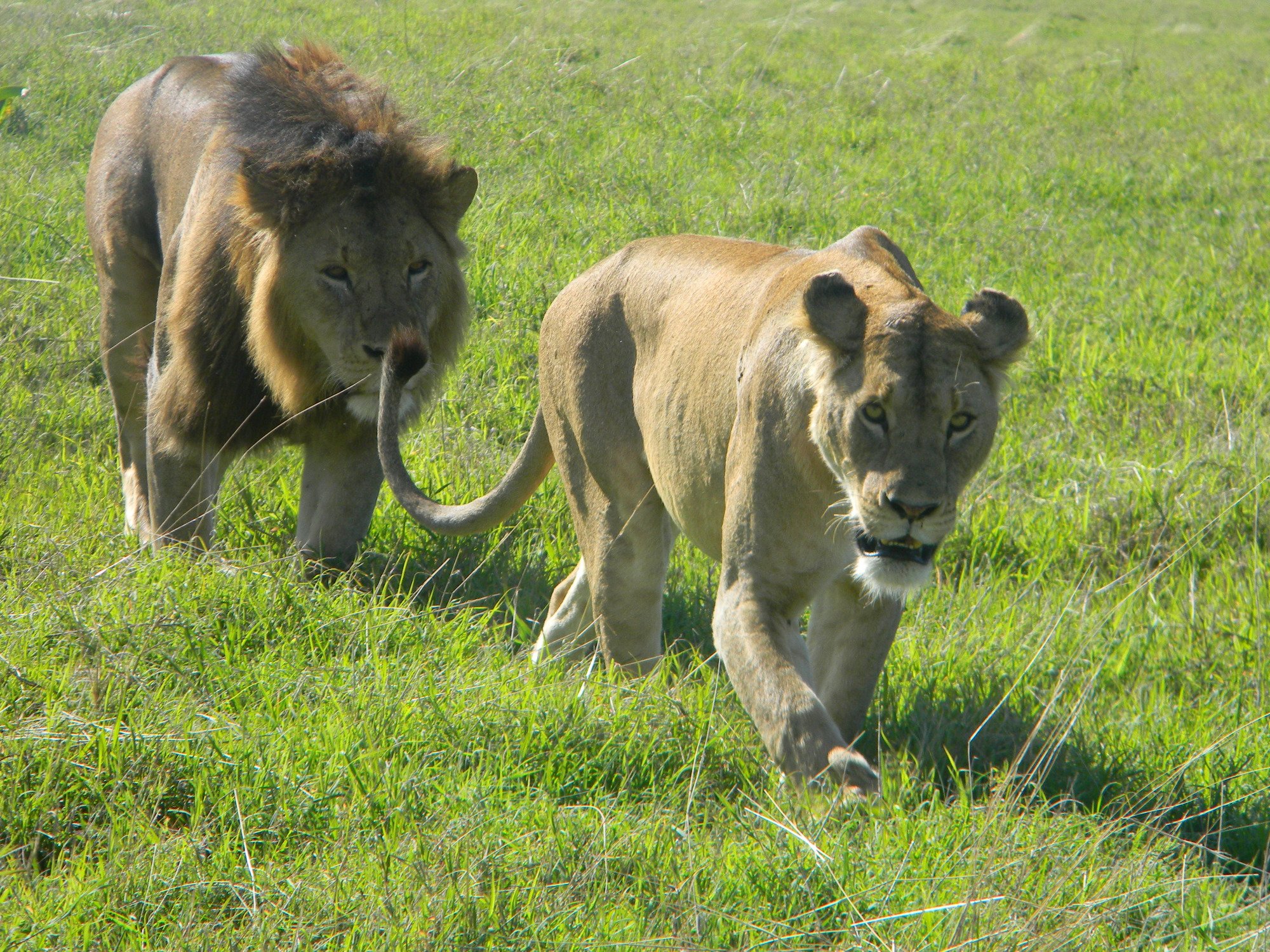
You have a full day to explore the Serengeti, starting at first light when the cats are most active. The central Seronera valley holds resident lion prides, cheetah on the open plains, and leopard draped in the riverine trees. Depending on the season you follow the wildebeest and zebra herds, which move between the southern plains and the western corridor through the year. Between the big sightings there is constant activity: elephant, giraffe, topi, hyena, and a heavy list of birds. You take a picnic lunch in the field to make the most of the day, or return to camp in the midday heat. Around eight hours of game viewing. Overnight at a lodge or tented camp in the Serengeti. Meals: Breakfast, Lunch, Dinner.
After a morning game drive in the Serengeti, you begin the drive back east toward the Ngorongoro highlands, game viewing as you go. The route passes the Olduvai area and the open short-grass plains where predators hunt gazelle and zebra. You reach the crater rim in the afternoon and settle at a lodge overlooking the caldera, with a view down to the floor where you will spend tomorrow. The rim sits at high altitude and is cool and often misty, so a warm layer is useful. This is a travelling day with plenty of wildlife along the way rather than a full park day. Overnight at a lodge on the crater rim. Meals: Breakfast, Lunch, Dinner.
You start early and descend into the Ngorongoro Crater, a collapsed volcanic caldera whose walls enclose grassland, a soda lake, and patches of forest. On the floor you have a strong chance of seeing all the big cats along with elephant, hippo, and the endangered black rhino that shelter here. Flamingos crowd the lake, and Maasai graze their cattle along the rim. The crater packs a great deal of wildlife into a compact area, so sightings come thick and fast. You spend the core of the day on the floor with a picnic lunch, around six hours including the descent and climb out, then return to your lodge. Overnight at a lodge near the crater or Karatu. Meals: Breakfast, Lunch, Dinner.
After breakfast you drive back down from the highlands toward Arusha, roughly three to four hours, watching the farmland and small towns of the Rift Valley pass by. Depending on your flight, you either transfer straight to Kilimanjaro International Airport or stop in Arusha for lunch and a day-use room before an evening departure. Your guide handles the transfer and sees you off. You leave having covered the classic northern circuit, from Tarangire's elephants to the Serengeti's cats and the Ngorongoro Crater's rhino, a full picture of the region in a week. Meals: Breakfast.
The dry months from around late June to October are the classic window. The grass is short, animals gather at rivers and waterholes, and the tracks are firm and easy to drive, which makes wildlife easier to find across all four parks. The short dry season around January and February is also excellent and often quieter, and it coincides with the wildebeest calving on the southern Serengeti plains, a strong draw for predators. The long rains from roughly March into May bring green landscapes and lower prices, but roads can be muddy and some wildlife spreads out. Animals are present all year, so the choice comes down to how the Serengeti herds are moving, how busy the parks are, and the balance of price and comfort you want.
This circuit covers the full northern cast. Tarangire is known for large elephant herds and its baobab country, along with lion, giraffe, zebra, and dry-country antelope. Lake Manyara adds heavy birdlife, including flamingos and pelicans, plus the chance of lions resting in the trees. The Serengeti is prime big-cat country, with resident lion prides, cheetah on the plains, and leopard in the riverine woodland, set against the movement of wildebeest and zebra. The Ngorongoro Crater then offers a dense concentration of animals in a small space, including one of the better chances anywhere of seeing the endangered black rhino. Between them these parks give a real shot at the big cats, elephants, and a long list of plains game and birds.
Northern Tanzania is a large region, so some long drives are part of the experience. The transfer from Arusha to Tarangire and the day you move from Manyara into the Serengeti both involve several hours on the road, and the roads inside the parks are rough by design. That said, the drives are rarely dull, since you are game viewing for much of the time and the scenery shifts from farmland to Rift Valley to open plain. The vehicle has a pop-up roof for standing and photographing, and your guide breaks the longer days with stops. If you would prefer to cut the driving, a light-aircraft flight into or out of the Serengeti can be added at extra cost. Otherwise, expect a comfortable but active week on the move.
Seven days is a well-judged length for the classic northern circuit. It gives you a full day in Tarangire, a morning in Manyara, two full days in the vast Serengeti, and a full crater day, which is enough to see each park at a sensible pace without rushing. Shorter trips tend to squeeze the Serengeti, which is the one park that really benefits from more time given its size. If you have longer, you could add days in the Serengeti or extend to a southern or western park, but as a standalone week this itinerary covers the headline wildlife and landscapes of the region. For a first safari in particular, it strikes a good balance between depth and cost.
Northern Tanzania is a malaria area, so antimalarial tablets are strongly recommended. See a travel clinic or your doctor a few weeks before you travel to arrange the right course and to review routine and recommended vaccinations, which often include hepatitis A, typhoid, and tetanus. A yellow fever certificate is generally only required if you are arriving from a country where the disease is present, but confirm the current rules before departure. Bring insect repellent, cover up at dusk, and use the nets and screens provided at your lodges. The higher, cooler Ngorongoro rim carries little malaria risk, while the lower parks warrant more care. Simple, consistent precautions greatly reduce any risk and let you enjoy the trip without worry.
This safari can be run either way. A private trip gives you your own vehicle and guide, flexible daily timing, and the freedom to linger at a sighting or set your own pace, which many families and couples prefer. A shared group departure lowers the per-person cost by splitting the vehicle and guide among several travellers, at the trade-off of a fixed schedule and travelling with others. Both use the same parks and route. Group sizes are kept reasonable so that everyone gets a window and roof-hatch space for photography. If wildlife photography or a particular pace matters to you, private is usually worth the extra. If budget is the priority, a small group works well.
Aim to book several months ahead, ideally four to six months or more for the busy dry season, when the best lodges and camps fill quickly. Early booking secures your preferred accommodation and, for group departures, your seat. Price varies mainly with season and the standard of lodge you choose. Park and conservation fees rise in the peak months, and lodges charge premium rates when demand is highest, so the same route costs more in July than in April. A classic-tier trip like this uses comfortable mid-range to good lodges and tented camps. Travelling in the shoulder or green season, or choosing a shared group over a private vehicle, are the main ways to lower the overall cost without changing the parks you visit.