This six-day classic safari covers four of the northern circuit’s best parks from Arusha at a steady pace. You visit Lake Manyara for elephants and flamingos, Tarangire for its baobabs and big herds, the Serengeti for lions and cheetahs on the plains, and the Ngorongoro Crater for a dense mix of wildlife and a shot at the big five.
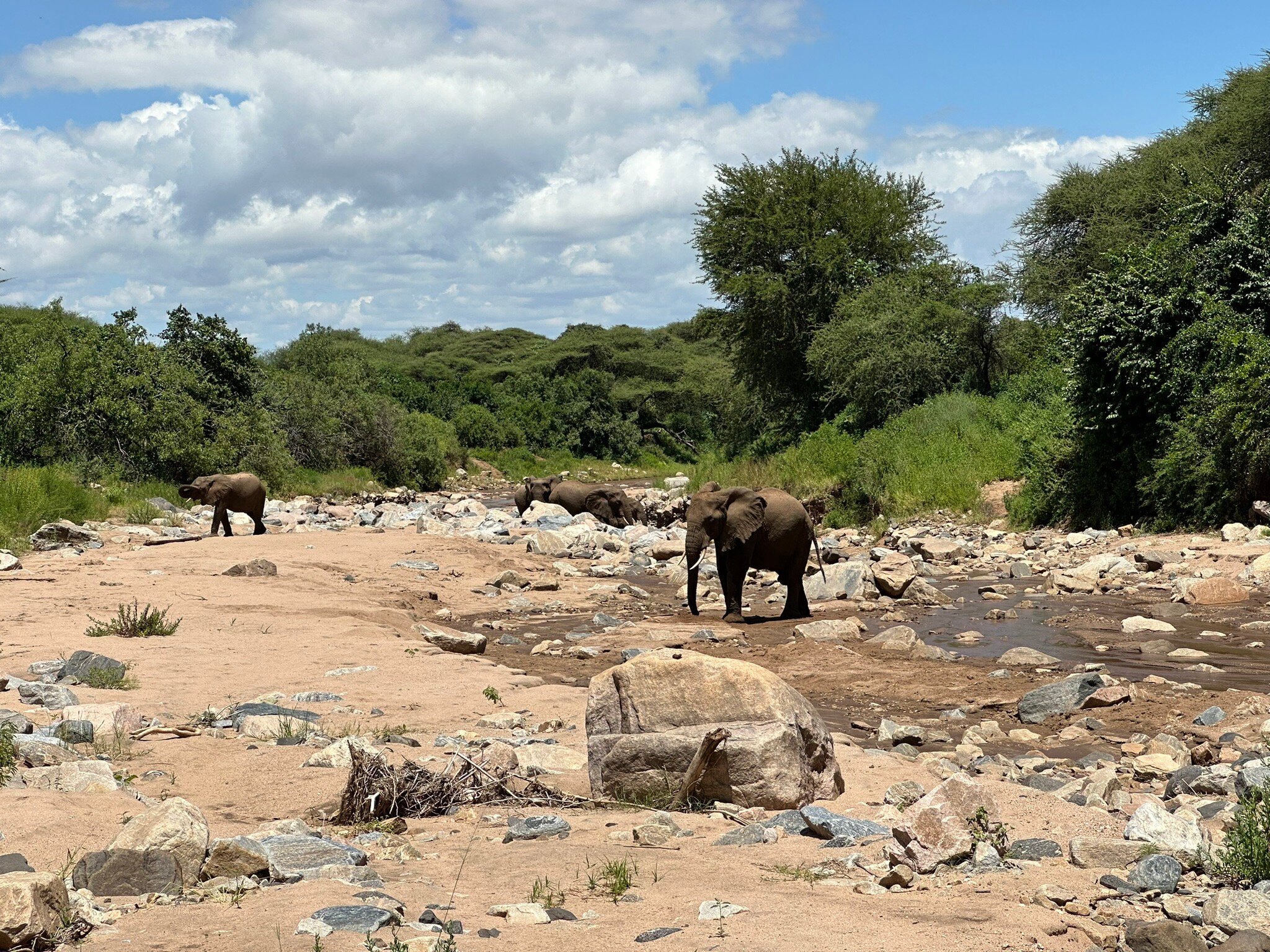
You are collected from your Arusha hotel or Kilimanjaro International Airport after breakfast and drive west by 4x4, around two to three hours, to Lake Manyara National Park at the foot of the Rift Valley escarpment. You enter through a shady groundwater forest full of baboons and blue monkeys, then reach the floodplains beside the soda lake, where flamingos and pelicans gather. Manyara is known for elephants, hippos and its tree-climbing lions. You spend the afternoon on game drives of three to four hours along the lakeshore and forest circuits, with the escarpment as a backdrop for evening photographs. Picnic or lodge lunch and dinner included. Overnight at a lodge or tented camp near the park on a full-board basis, ready for an early start tomorrow.
After breakfast you transfer to Tarangire National Park, about one to two hours, for a full day among baobabs and elephants. Tarangire is famous for very large elephant herds and for the river that pulls wildlife in through the dry season, so you can expect zebra, wildebeest, giraffe, buffalo and plenty of birds, with lion and leopard possible near the water. You game drive in the morning, break for a picnic lunch at a scenic spot, then continue in the afternoon, for around six hours of viewing. The park has a wilder, quieter feel and wide views over the Tarangire River valley. Dinner and overnight at a lodge or tented camp near Tarangire on a full-board basis, with the sounds of the bush at night.
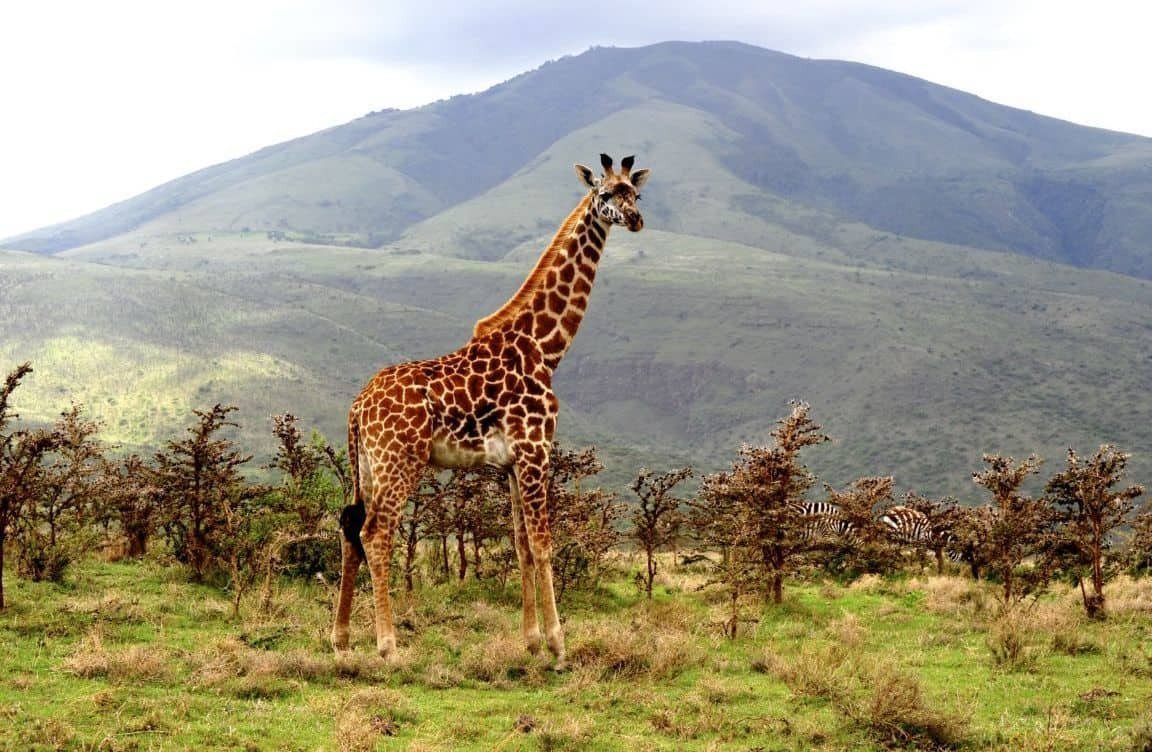
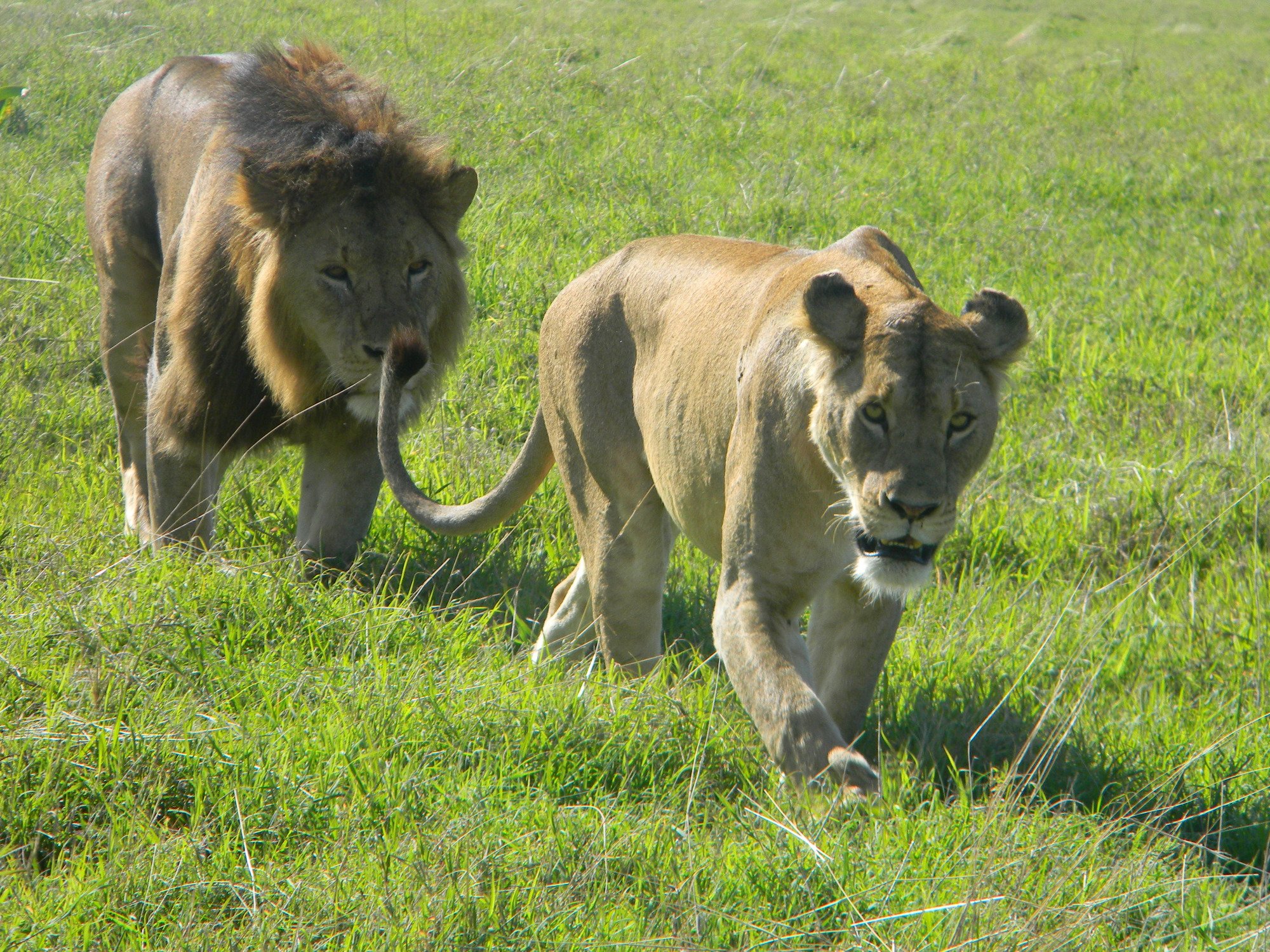
Today is a longer drive northwest into the Serengeti, roughly five to six hours with game viewing along the way. You climb through the Ngorongoro highlands, pass the crater rim viewpoint and drop onto the southern Serengeti plains, open grassland scattered with rocky kopjes. As you enter the park the game viewing gathers pace, and depending on the season you may meet herds of wildebeest and zebra on the move. You reach the central Seronera area in the afternoon, a reliable region for lion, cheetah and leopard. A picnic lunch is taken en route and there is time for a short evening drive as the light softens. Dinner and overnight at a lodge or tented camp in the Serengeti on a full-board basis.
An early breakfast lets you fit in a morning game drive in the Serengeti while the cats are active, working the Seronera valley for lions and leopards. You then drive east out of the park towards the Ngorongoro Conservation Area, taking in the plains and any migration herds along the way, roughly five to six hours with stops. In the late afternoon you reach the crater rim, with wide views down into the caldera you will explore tomorrow. Depending on timing you may enjoy the sunset over the rim. A picnic lunch is provided en route. Dinner and overnight at a lodge on or near the Ngorongoro Crater rim on a full-board basis. Nights on the rim are cold, so keep a warm layer handy.
After an early breakfast you descend the steep access road onto the floor of the Ngorongoro Crater, the world's largest intact volcanic caldera. Its floor holds grassland, swamp, forest and a soda lake, and one of the densest wildlife populations in Africa. In a morning drive you can see lion, elephant, buffalo, hippo, flamingos and, with luck, the endangered black rhino, giving a real chance at the big five in one place. You take a picnic lunch beside the hippo pool, then climb back to the rim in the afternoon. Around six hours of game viewing in this natural amphitheatre. You then transfer to your accommodation for the night. Dinner and overnight at a lodge near the crater or Karatu area on a full-board basis.
After breakfast you drive back towards Arusha, about three to four hours, with a possible stop at a Maasai market or curio shop along the way. On arrival you can freshen up at a day room if your flight is later, or transfer straight to Kilimanjaro International Airport, roughly one hour from Arusha, for your onward departure. Your guide handles the drop-off and any last arrangements. Breakfast is included, with lunch depending on your flight time. This closes a compact but full week that took in four of the northern circuit's best parks, from the flamingos of Manyara to the crater floor of Ngorongoro. Safe travels home.
The dry season from June to October is the classic choice, when wildlife concentrates near rivers and waterholes in Tarangire and the Serengeti and the thinner bush makes animals easier to spot. It is peak season, so parks and lodges are busier and prices higher. The short rains in November and the long rains from March to May bring green scenery, fewer vehicles and lower cost, with the odd afternoon shower. The Ngorongoro Crater rewards visitors year round because its wildlife is largely resident. The Serengeti migration shifts through the year, so what you see on the plains depends on the month. This six-day route runs well in any season, and your operator can suggest the window that best fits whether you want big herds, quieter parks or better value.
It is a well-judged length for a first safari or for travellers on a tighter schedule. Six days lets you cover the four headline northern parks with roughly a day of game viewing in each and one full drive from Tarangire to the Serengeti. You will not have a spare day to linger, and the Serengeti in particular could easily absorb more time, but the pace is realistic rather than rushed. If you have an extra couple of days, adding a second night in the Serengeti gives you a full day there and reduces driving pressure. For many people six days delivers the core experience, including the big cats and a big-five chance in the crater, without needing a longer trip.
The four parks give strong variety. Lake Manyara offers elephants, hippos and flamingos, with a chance of lions in the trees. Tarangire is elephant and baobab country, with zebra, giraffe, buffalo and good dry-season concentrations near the river. The Serengeti is excellent for lion, cheetah and leopard on its open plains, and depending on the month you may catch part of the wildebeest and zebra migration. The Ngorongoro Crater brings lion, elephant, buffalo, hippo, flamingos and a real chance at the endangered black rhino, which can complete a big-five sighting in one drive. Birdlife is rich everywhere. Wildlife is wild, so nothing is guaranteed on a single game drive, but across four parks in six days the chances of excellent sightings are high.
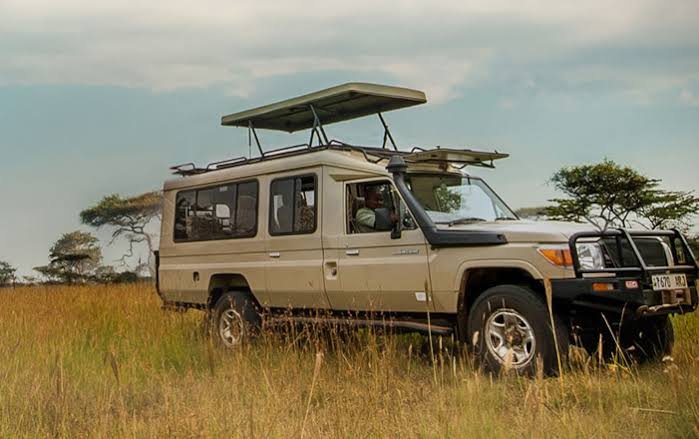
This is a road safari, so there are some longer transfers, notably the five to six hour drive from Tarangire into the Serengeti and a similar stretch from the Serengeti to Ngorongoro. Roads inside the parks are rough and dusty, which is normal for safari terrain. Your 4x4 has a pop-up roof for viewing and photography and comfortable seating, and your guide breaks up the longer days with game viewing and stops so the driving rarely feels dull. Most travellers find the scenery keeps the transfers interesting. If you are sensitive to bumpy roads, sit toward the front, stay hydrated and tell your guide so the pace can be adjusted. The road route is also what lets one trip link four parks that would otherwise be far apart.
Yes. These parks are malaria areas, so antimalarial tablets are strongly advised and should be started before arrival as your doctor directs. Use insect repellent, cover up around dusk and dawn, and sleep under the nets provided. A yellow fever certificate may be required if you are arriving from or transiting a country where yellow fever is present, so check your routing before you travel. Make sure routine vaccinations are up to date, and many travellers also cover hepatitis A, typhoid and tetanus. Visit a travel clinic four to six weeks ahead so any course has time to take effect and you get advice tailored to your health. Carry your personal medication in hand luggage along with a small first-aid kit.
Yes. Most of your time is spent seated in the vehicle during game drives, with only short walks at lodges and viewpoints, so a moderate level of everyday mobility is enough. That makes the trip workable for a wide range of ages, including families and older travellers. The long drive days and early starts can tire young children, so factor that in, and check minimum-age rules at some camps. The crater descent and game drives are all done by vehicle, so walking is minimal. If anyone in your group has a mobility need or health condition, tell your operator when booking so the seating, vehicle and pace can be arranged to suit. A private departure gives the most flexibility for families.
The trip can run privately for just your party, with your own guide and vehicle, or as a small shared group departure to spread the cost, and single travellers are welcome on either. Standard rates assume two sharing a room, so a single supplement applies if you want your own space. Book as early as you can, ideally six to twelve months ahead for the June to October and December to February peaks, when the best lodges and crater-rim rooms fill quickly. Prices vary with the season and the standard of lodge you choose, and peak-month park fees are higher. Booking early secures your dates and preferred accommodation and usually the better rates, and gives your operator time to tailor the trip.
Pack light, neutral-coloured clothing in layers, since early mornings and the crater rim are cold while midday is hot. Bring a warm fleece or jacket, a light rain layer, a sun hat, sunglasses, high-factor sunscreen and insect repellent. Binoculars and a camera with a zoom lens are worth carrying, along with spare batteries and memory cards for six days of viewing. Comfortable closed shoes, a small daypack and a refillable water bottle are useful, and a dust scarf and wet wipes help with the dry roads. Bring any personal medication in your hand luggage. Soft duffel bags travel better than hard cases in safari vehicles. Most lodges offer laundry, so you do not need to overpack for the week.