This 5-day safari packs the best of the northern circuit into a compact loop from Arusha. You explore Tarangire, the Serengeti plains, the Ngorongoro Crater and Lake Manyara, watching for lion, cheetah, elephant and the black rhino of the crater floor. It suits travellers who want the marquee parks without a long time away.
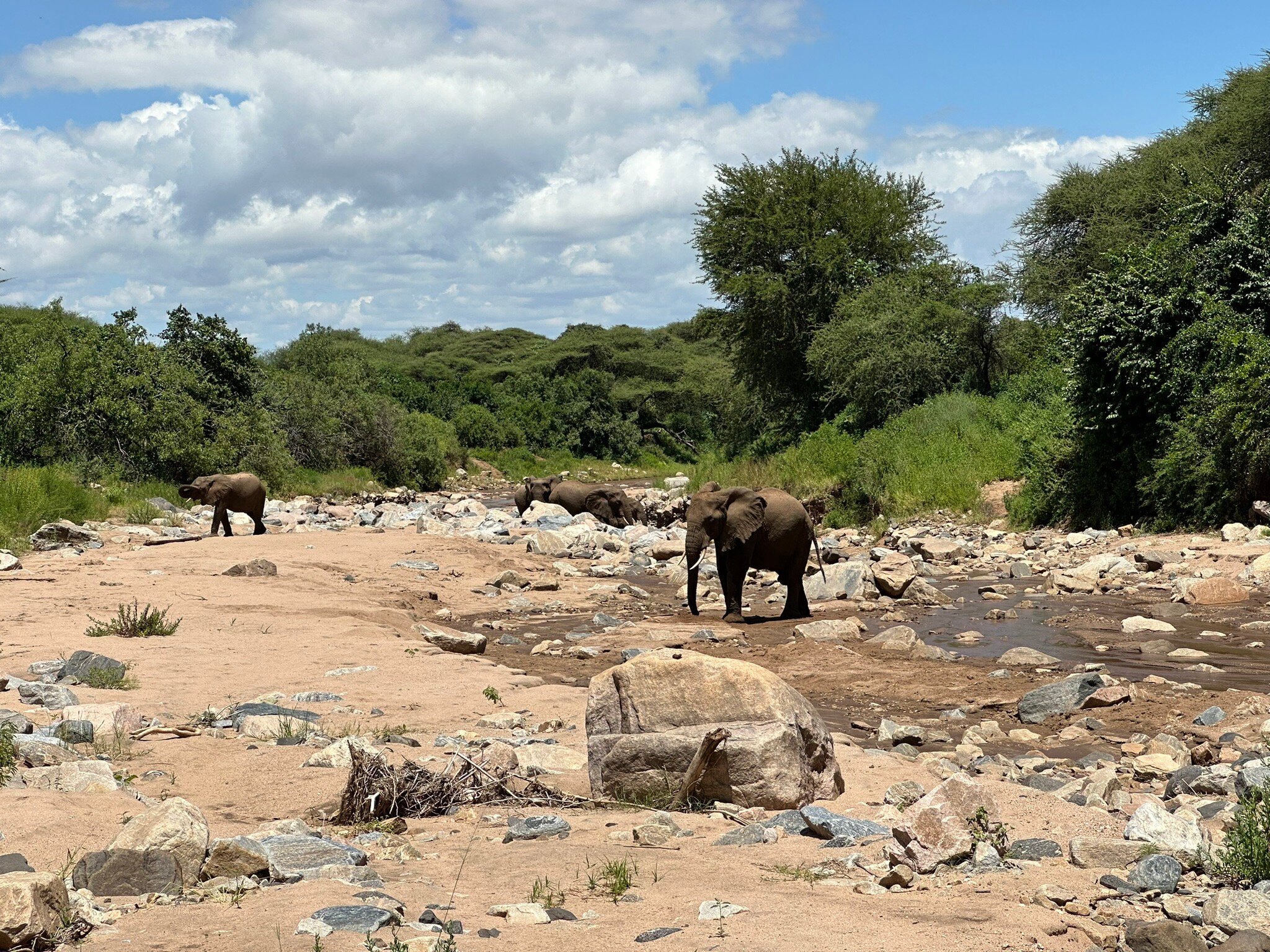
Your guide collects you in Arusha after breakfast and drives around two hours south to Tarangire National Park, a land of giant baobab trees and grassy river valleys. In the dry season the Tarangire River draws wildlife from far around, so you look for large elephant herds together with zebra, wildebeest, giraffe and buffalo, and the lions and leopards that follow them. Birdlife is rich, from hornbills to the ground hornbill. You game drive through the afternoon, around five hours in the field, working the river circuits as the light softens. Lunch is taken as a picnic in the park. Breakfast, lunch and dinner included. Overnight near Tarangire.
After an early breakfast you set off for the Serengeti, climbing through the Ngorongoro highlands with a stop at the crater rim viewpoint before the road drops onto the short-grass plains. The horizon opens to grassland running to the skyline. You game drive as you descend, reaching the central Seronera area by late afternoon. Seronera holds water year-round, so resident lion, leopard and cheetah live here, and depending on the season you may meet the migration herds. The full day of travel and viewing runs around eight hours with a picnic lunch. Your first evening on the plains often brings an early sighting. Breakfast, lunch and dinner included. Overnight in the central Serengeti.
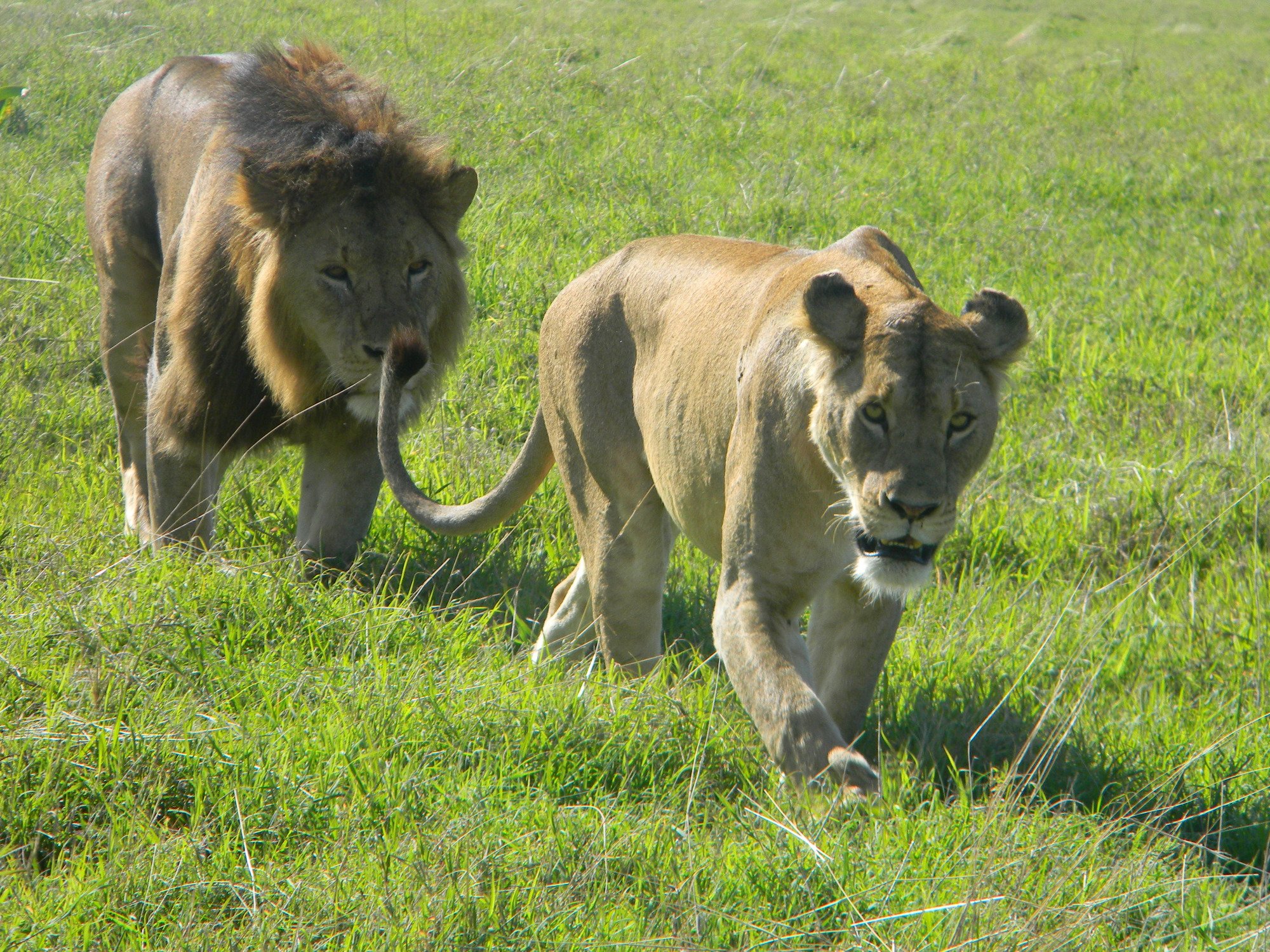
You spend a full day exploring the Serengeti, out early with a packed breakfast so you are among the wildlife during the cool, active hours. Your guide follows fresh tracks and radio calls toward the best sightings, whether that is a lion pride on a kopje, a leopard resting in a sausage tree or a cheetah hunting on open ground. Depending on the month you may track the migration, thousands of wildebeest and zebra on the move with predators close behind. Between the big cats there are hippo pools, giraffe, elephant and a long list of birds. Around eight hours in the field with a picnic lunch. Breakfast, lunch and dinner included. Overnight in the central Serengeti.
After a final morning drive in the Serengeti you head back east across the plains toward the highlands. The grassland gives way to Maasai grazing country, and you pass near Olduvai Gorge, an important early-human site where a short visit is optional. You climb to the forested Ngorongoro crater rim by late afternoon and look down almost six hundred metres into the caldera, a natural bowl full of wildlife. The rim is cool and often misty, so keep a warm layer close. Total travel and game viewing runs around seven hours with a picnic lunch along the way. Breakfast, lunch and dinner included. Overnight on the crater rim or in Karatu.
You descend into the Ngorongoro Crater after an early breakfast for a morning game drive on the floor, where lion, elephant, buffalo, flamingo, hippo and a good chance of black rhino gather in a compact space. By late morning you climb back to the rim and drive down the escarpment to Lake Manyara National Park for a short afternoon game drive, looking for the tree-climbing lions, elephant and flocks of flamingo along the soda lake. In the late afternoon you continue to Arusha or Kilimanjaro International Airport for your onward flight. It is a full and rewarding final day. Breakfast and lunch included. Departure.
The route works all year, and the season shapes what you see. The dry months from June to October bring short grass and animals concentrated at water, so cats and plains game are easier to find, and the Serengeti and crater are at their most productive. The migration moves through the Serengeti over the year, with calving on the southern plains from about December to March and the northern crossings from June, so your exact dates affect which herds you meet. The green season from November to May offers newborn animals, strong birding and fewer vehicles, with a few afternoon showers. For a first safari with the best odds of big sightings, the dry season is the safest bet, though the shoulder months are excellent value.
Yes, though it is a busy schedule. This route reaches the Serengeti by spending one long travel day driving up and a full day on the plains, which is enough for a genuine taste of the park and its big cats. The trade-off is the driving, since the Serengeti is a fair distance from Arusha, and the last day is full, combining a crater morning with a short Lake Manyara drive on the way back. If you have more time, a longer circuit lets you slow the pace and spend an extra night in the Serengeti. But for travellers on a tight schedule who still want the famous plains, five days delivers the highlights of four parks in one efficient loop.
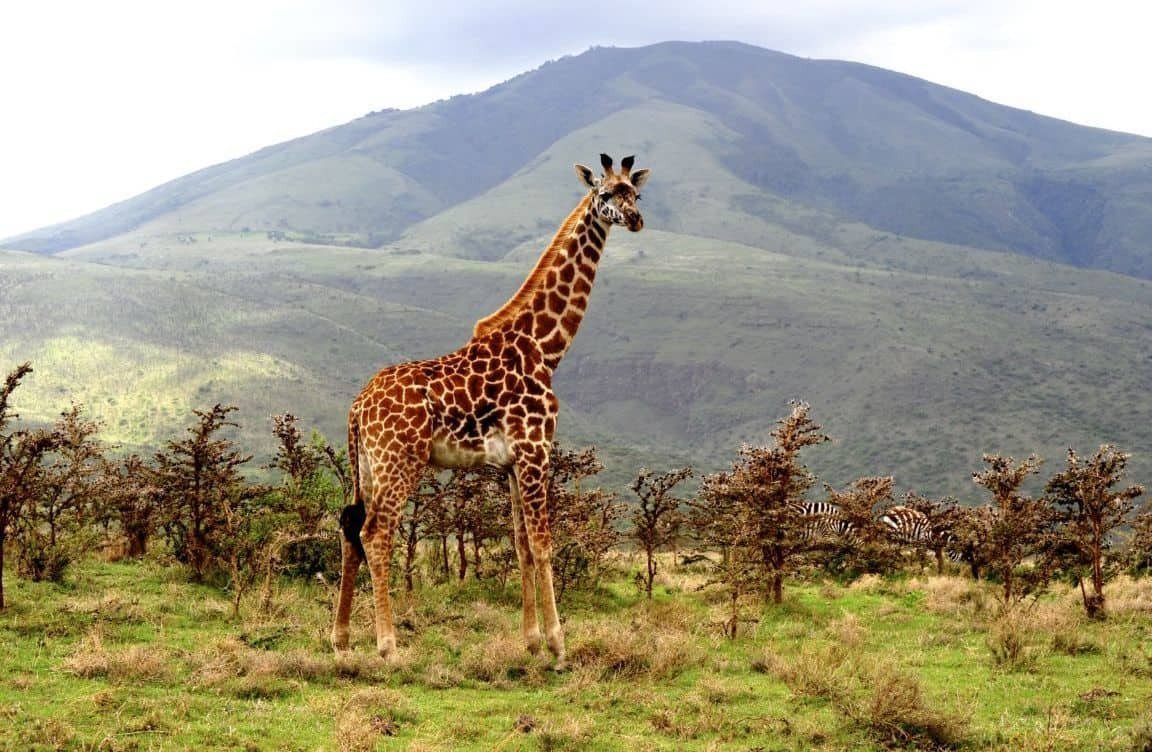
The line-up is strong. Tarangire is elephant country, with large herds among the baobabs plus zebra, wildebeest and predators. The Serengeti is prime cat territory, home to lion, leopard and cheetah, and in season the migration herds and their followers. The Ngorongoro Crater offers a good chance of all of the big five in one morning, including the black rhino that are hard to see elsewhere, alongside lion, elephant, buffalo, flamingo and hippo. Lake Manyara adds tree-climbing lions, elephant in the woodland and flamingo along the soda lake. Between the headline animals you see giraffe, many antelope species and a wide range of birds. No safari promises every animal, but this loop stacks the odds well.
Being a compact trip that still reaches the Serengeti, this itinerary involves some long drives. The push into the Serengeti on day two is around eight hours including stops and game viewing, and the final day is full, moving from the crater down to Lake Manyara and on to Arusha. Park roads are rough and dusty, which is normal on safari. To ease the load, most transfers double as game drives, so you are watching for wildlife rather than simply covering ground. Early starts help you make the most of the cool hours. If you would rather have a gentler pace, a longer version of the route spreads the same parks over more days with shorter drives.
Tanzania is a malaria area, so most travellers take antimalarial tablets. Speak to a travel clinic or your doctor before you leave, since some courses start before arrival. Use repellent with DEET, cover up at dawn and dusk, and sleep under the nets provided. The higher Ngorongoro area carries less mosquito risk than the lower parks, though protection is still sensible. A yellow fever certificate is generally required only if you arrive from or transit a country where yellow fever occurs, so check current entry rules before you fly. Routine vaccinations such as tetanus, hepatitis A and typhoid are commonly recommended. This is general information rather than medical advice, so make a clinic visit part of your planning.
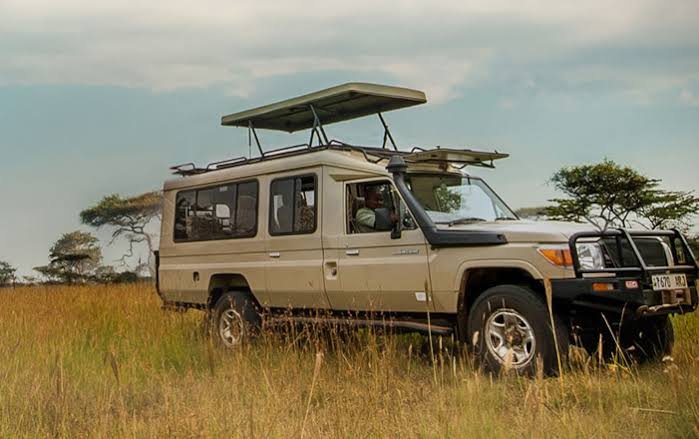
Both are available, and the choice comes down to budget and preference. A private safari gives you your own vehicle and guide, so you set the pace, stay at sightings and adjust the packed final day to suit you, which many people value on a fast-moving route like this. A shared group lowers the per-person cost and can be sociable, but you compromise on timing. Because the days are full, a private vehicle can make the schedule feel more comfortable, since you control the stops. Couples and small groups of friends often find a private trip works out reasonable once the numbers are shared. Either way, the vehicles are arranged so everyone gets a window seat.
Book three to nine months ahead, and earlier for the June to October dry season and the Serengeti calving window, when the better camps fill quickly. Price changes with the season because park fees, camp rates and demand all rise in the peak months, and popular Serengeti and crater lodges sell out first. Green-season departures cost less and bring quieter parks. Your tier sets the lodge standard and the level of service, which also shapes the price. Since this is a short, popular route, dates can book out, so confirming early keeps your choice of lodges open and usually secures a better rate. A private version costs more but gives the flexibility that a packed five-day schedule benefits from.