
Manyara National Park, known in full as Lake Manyara National Park, is a small but varied park in northern Tanzania, set between the Great Rift Valley wall and a shallow soda lake. A morning drive passes through groundwater forest, open grassland, acacia woodland, and the reedy lake edge where flamingos gather. Visitors come for tree climbing lions, big elephant herds, and more than 400 bird species. It sits on every northern circuit itinerary as the first safari stop after Arusha.
This guide is the practical overview of the park as a whole. It covers where it sits, how big it is, the main habitats, the headline wildlife, the activities on offer, a short note on timing and access, and how the park fits into a longer safari. Where a topic deserves a deeper look, it points you to a more detailed guide.
Quick orientation: Lake Manyara National Park covers roughly 330 square kilometres, of which the lake itself takes up around two thirds in a wet year. The main entrance is the northern gate near Mto wa Mbu, about a 90 minute to two hour drive from Arusha on tarred road.
Where Manyara National Park Is And How Big It Is
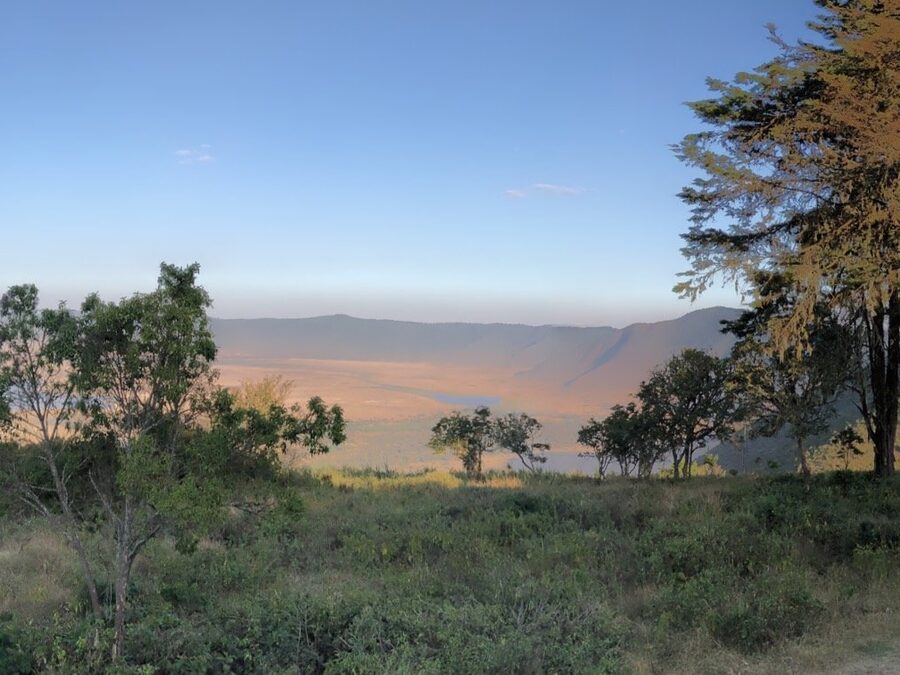
The park lies in the Arusha and Manyara regions of northern Tanzania, southwest of Arusha town at a road distance of about 126 kilometres. It runs as a long, narrow strip along the base of the western Rift Valley escarpment, that dramatic cliff you see rising several hundred metres to the west. Below the escarpment sits Lake Manyara, an alkaline lake in the Gregory Rift, which is an active arm of the East African Rift System.
Total protected area is around 330 square kilometres. In a wet season the lake can flood to cover roughly 200 square kilometres of that, which means the land available for game drives shrinks and swells with the rains. This is a genuinely small park by Tanzanian standards, and most visitors spend half a day to a full day here rather than several nights. The compact size is a feature rather than a drawback, because the habitats are packed close together and you move between them quickly.

The Habitats That Make The Park Work
Few parks this size hold so many distinct environments side by side. Just past the northern gate you enter a groundwater forest, fed not by rainfall but by springs that seep out of the base of the escarpment. Tall mahogany, fig, and tamarind trees form a shaded canopy here, and the air stays cool and green even in the dry months. This is where you meet the park’s famous troops of baboons and its blue monkeys.
Beyond the forest the land opens into acacia woodland and grassy floodplain, then the reeds and mudflats along the lake shore. In the south, the Silale Swamp holds water when much of the park is dry, acting as a natural flood buffer and a grazing magnet for buffalo, elephant, and plains game. Scattered through the park are geothermal features, including the Maji Moto hot springs, where mineral rich water bubbles up through the Rift floor. The name means hot water in Swahili, and the springs are hot enough that you would not want to test them by hand. This mix of forest, swamp, grassland, lake, and hot springs in a short distance is the reason a wide range of wildlife survives here year round.

Headline Wildlife In Manyara National Park
The park’s reputation rests on a few standout species, though the full wildlife list is much longer. The animal Manyara is best known for is the tree climbing lion. Lions here have a habit of draping themselves over the branches of acacia and large fig trees during the heat of the day. Guides and researchers still debate why. The leading ideas are that the branches catch a cooling breeze, keep the cats above biting insects on the ground, and give a better view across the grass. It is worth being honest about this one, because tree climbing lions are not guaranteed on any given visit. Lion numbers in the park are modest, and whether they are up a tree depends on the day, the season, and a fair amount of luck.
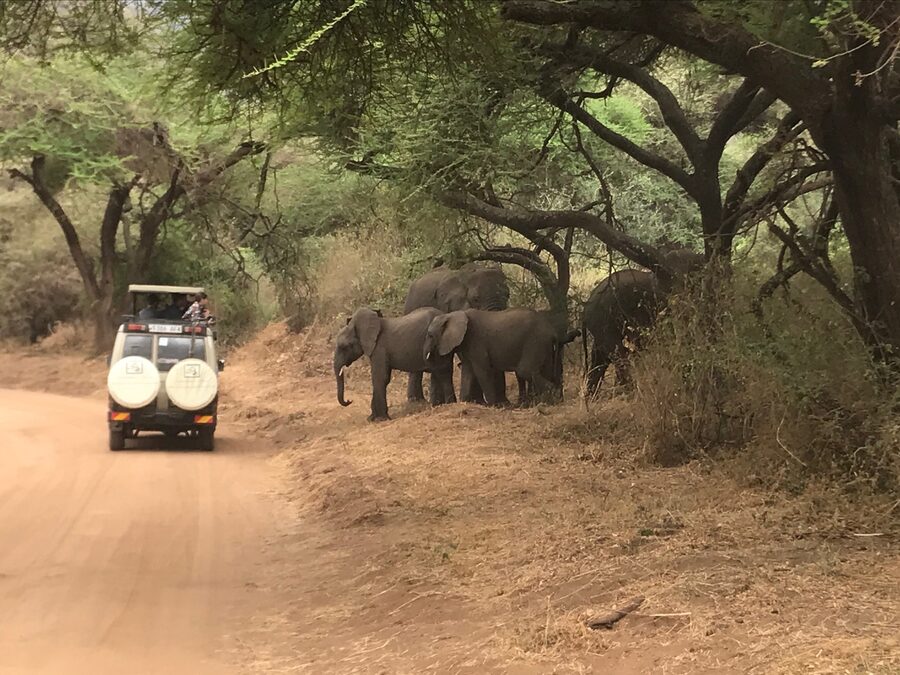
What you are far more likely to see are elephants, which move through the groundwater forest and often feed close to the road, and large numbers of baboons. Manyara holds one of the densest baboon populations recorded anywhere, and the troops near the forest can run into the hundreds. Hippos wallow at the Hippo Pool in the north of the park, where they cluster in the shallows and haul out to graze at night.
Out on the lake itself, the star is the flamingo. Lake Manyara is a shallow soda lake, and its alkaline water grows the algae that flamingos feed on. In a good year the shoreline turns pink with them. Both Lesser and Greater Flamingos occur, with the smaller, more intensely pink Lesser Flamingo usually the more numerous. Their numbers swing hugely with water levels, so some visits deliver a wall of pink and others just scattered birds. The park records more than 400 bird species overall, which makes it one of the better birding stops on the whole circuit.
Game Drives And The Main Safari Activities
The core activity is the game drive, and most visits are built around morning and afternoon loops. A typical route runs from the northern gate through the forest, out along the lake shore to the Hippo Pool, and down toward the Silale Swamp before turning back. Because the park is narrow and the road network limited, you cover the highlights without long transfers between sightings. For a fuller list of options, see the deeper guide to things to do in the park.
Canopy walk: The park has a treetop walkway, a suspended bridge running about 370 metres through the forest canopy, reported as one of the longest of its kind in Africa. It puts you at eye level with forest birds and gives a raised view over the ground below, where elephants, buffalo, and monkeys pass through. It is a good change of pace from sitting in a vehicle and works well for families.
Night game drive: Manyara is one of the few northern parks that permits guided night drives. With a spotlight you have a chance at animals that stay hidden by day, including genets, civets, porcupines, bushbabies, and grazing hippos on the roadside. Lions are more consistently active after dark, so a night drive can improve your odds of seeing them, even if not in a tree.
Birding and walks: The forest, lake shore, and swamp each hold different birds, from flamingos and pelicans on the water to hornbills and turacos in the trees. Ranger guided walking safaris of roughly one to four hours are available in parts of the park, giving a slower, ground level look at the smaller life you miss from a vehicle.
Best Time To Visit In Brief
There is no bad time, but the seasons suit different goals. The dry months, roughly June to October, concentrate animals near permanent water and open up the tracks, which makes general game viewing and the search for tree climbing lions easier. The green season, roughly November to May, brings migratory birds and often the highest flamingo numbers when the lake is full, at the cost of thicker vegetation and occasional muddy roads. Birders tend to favour the wet months, while first time safari goers chasing big mammals lean toward the dry season. The dedicated guide on the best time to visit breaks this down month by month.
Manyara rewards low expectations and an early start. Go for the forest, the elephants, and the lake, and treat a lion in a tree as a bonus rather than the plan.
Getting There In Brief
Most people arrive by road from Arusha, which is about 126 kilometres and takes 90 minutes to two hours on tar. The park has a northern and a southern gate, and the northern gate near Mto wa Mbu is the busier of the two because most lodges sit close to it. If you are not on a private safari, public buses run to Mto wa Mbu or nearby Karatu, from where local transport can get you the rest of the way. There are also scheduled light aircraft flights linking Manyara to Arusha, the Serengeti, and beyond for those short on time. For a full breakdown of routes and gates, see the guide on how to get there.

How Manyara Fits The Northern Safari Circuit
Manyara sits at the gateway of the northern circuit, the chain of parks that also includes Tarangire, the Ngorongoro Crater, and the Serengeti. Its position matters. The main road from Arusha to Ngorongoro and the Serengeti runs right past the park, and the Ngorongoro Conservation Area boundary is only a short drive further on. That makes Manyara an easy and logical first stop, usually visited as a half day or full day on the way west before the climb up to the crater rim.
Because it is small and close to the entry point, many itineraries treat Manyara as a warm up rather than a headline. That is a fair way to plan a route, but it undersells the park. The forest, the sheer escarpment backdrop, the elephants, and the birdlife give it a character none of the bigger parks quite share. Whether it earns a dedicated slot in your plan depends on your interests and pace, a question the guide on whether it is is it worth visiting tackles directly.
Practical Notes For Planning A Manyara Safari
Because the park is compact, you do not need many days to cover it. A common pattern is a single morning drive, the canopy walk, and lunch, then continuing to Ngorongoro the same afternoon. Travellers who want the night drive or deeper birding stay a night at one of the lodges near the northern gate. The road through the forest can be muddy after rain, so a four wheel drive vehicle is the sensible choice in the green season. Bring binoculars for the flamingos and forest birds, since much of the best viewing here is at a distance or up in the canopy rather than beside the track.
Manyara pairs naturally with Tarangire, which lies to the southeast and offers its own elephants and baobabs, and the two are often combined in the days before heading to Ngorongoro and the Serengeti. Kept in that context, a stop at Lake Manyara National Park adds a habitat and a mood that the grassland parks do not, which is a strong reason to give it more than a passing glance.
Frequently Asked Questions About Manyara National Park
Are the tree climbing lions guaranteed at Manyara?
No. Tree climbing lions are the park’s signature sight, but they are not a sure thing on any single visit. Lion numbers here are modest, and whether they are resting in a tree depends on the weather, the season, and luck. Many visitors see none, so it is best to treat a sighting as a bonus rather than the reason for the trip. A night drive can improve your overall chance of seeing lions, if not always in a tree.
How much time do you need in Lake Manyara National Park?
Half a day to a full day covers the park comfortably for most people. A single morning game drive plus the canopy walk is a common plan before moving on to Ngorongoro. If you want the night drive, deeper birding, or a slower pace, one night at a nearby lodge is worthwhile.
How much does it cost to visit the park?
Costs vary by nationality, season, and operator, so treat any figure as a guide rather than a quote. Expect a park entry fee per adult per day for non resident visitors, with lower rates for residents and citizens, plus separate charges for the canopy walk and night drive where applicable. Most people visit as part of a packaged safari, in which case the entry fees, vehicle, guide, and any extra activities are bundled into the overall price. Check current rates with your operator or the park authority before you travel.
Can you see the Big Five at Manyara?
Not reliably. Elephant and buffalo are common, lion is present but shy, and leopard is around but rarely seen. Rhino are effectively absent from the park, so a full Big Five sighting is not realistic here. Manyara is better thought of as a forest, elephant, and birding park than a Big Five destination, which is one reason it usually plays a supporting role alongside the Serengeti and Ngorongoro.
Is Lake Manyara good for birdwatching?
Yes, it is one of the strongest birding stops on the northern circuit, with more than 400 recorded species. The lake draws flamingos, pelicans, storks, and other water birds, while the groundwater forest holds hornbills, turacos, and many smaller species. The green season, roughly November to May, brings migratory birds and often peak flamingo numbers, making it the favourite window for keen birders.
When are flamingos most likely on the lake?
Flamingo numbers rise and fall with the water level and the algae it grows, so there is no fixed guarantee. The wet season, when the lake is fuller, often brings the largest gatherings and the classic pink shoreline. In drier spells the birds may be scattered or distant, which is why binoculars are useful and why flamingo viewing is best treated as variable rather than certain.

