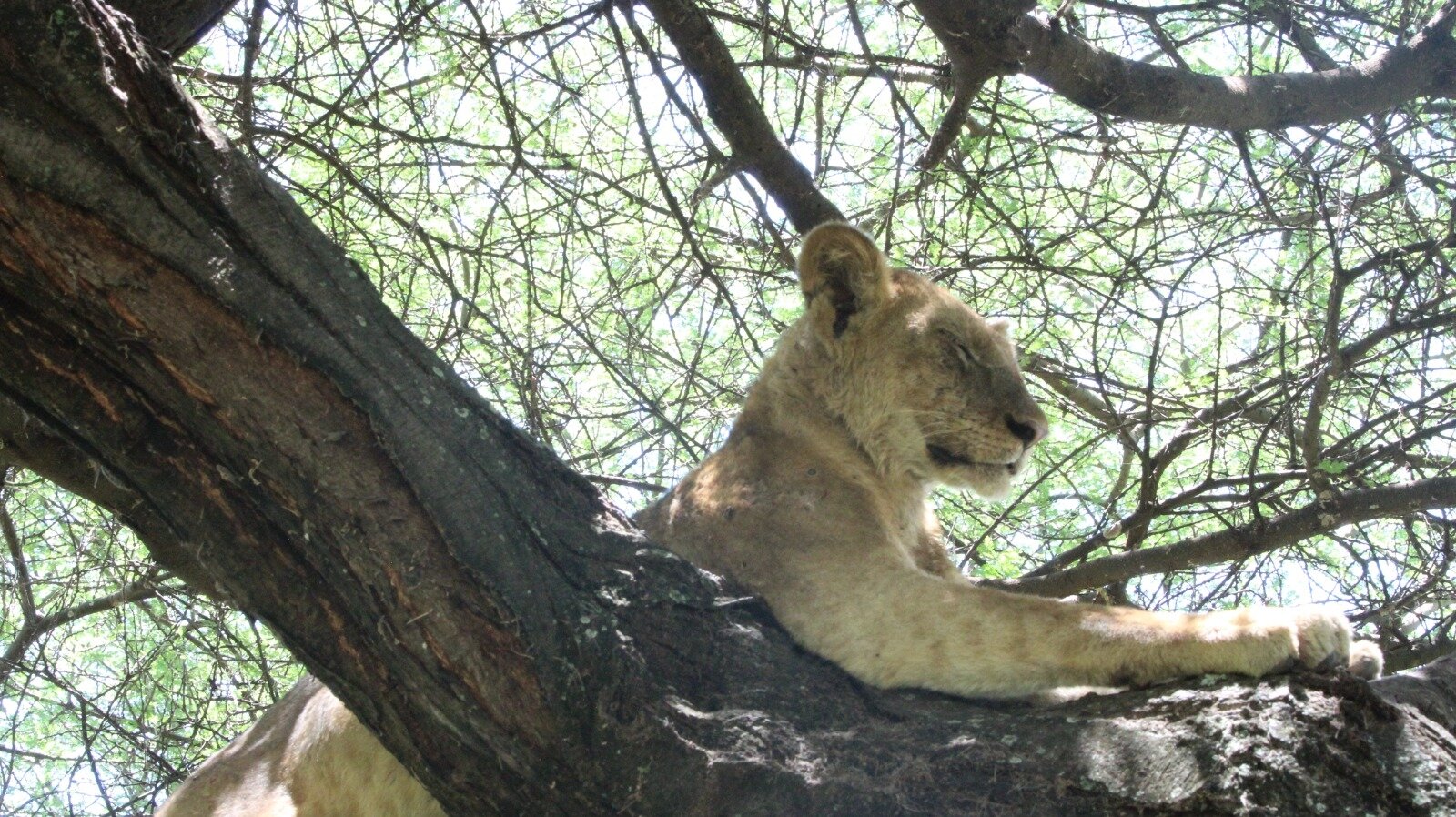
Choosing a Lake Manyara tour operator comes down to a few checks: confirm the TALA licence and TATO membership, read recent independent reviews, and demand an itemised quote with park fees included. The company you book hires and trains the guide who finds you tree climbing lions, so it matters more than the itinerary alone. This guide sets out exactly what to ask before you pay a deposit.

The good news is that the checks are simple and mostly free. You do not need insider contacts. You need patience, a short list of documents to confirm, and the willingness to walk away from a deal that feels rushed. Spend an evening on this and you protect both your money and your holiday.
Why the Right Safari Operator Matters at Lake Manyara
Lake Manyara sits close to the main gateway town of Arusha, which makes it one of the busiest starting points in the northern circuit. That popularity is a double edged thing. It means plenty of genuine, experienced companies compete for your booking, and it also means casual sellers and street agents crowd the same space, offering deals that sound too good to pass up. The park is often bundled with Tarangire, the Ngorongoro Crater and the Serengeti, so the operator you pick usually handles far more than one gate.
Because Manyara is frequently a single day inside a longer route, the quality of the driving guide matters enormously. A guide who knows where the lions rest in the acacia trees, when the elephants move through the forest, and how the light falls on the lake in the afternoon will find you sightings that a stranger to the park will drive straight past. The company you book is the company that hires, trains and equips that guide. That is why the operator, not the itinerary alone, is the real product you are buying.
Check TATO Membership and TALA Licensing First
Before you look at photos or read a single review, confirm that the company is legally allowed to run safaris in Tanzania. Two credentials do the heavy lifting here.
The first is the TALA licence, short for the Tourist Agents Licensing Authority approval, issued by Tanzania’s Ministry of Natural Resources and Tourism. This is the only licence that permits a company to operate tours in the country. A genuine operator holds a current TALA certificate and will show it to you without fuss. Ask for a copy. If the answer is vague, or you are handed a blurry photocopy that could belong to anyone, treat that as a serious warning.
The second is TATO membership, the Tanzania Association of Tour Operators. TATO registers and vets legitimate companies, and its list is verifiable. Membership is not compulsory by law, but its absence is a red flag worth pausing on. If a company appears on the TATO register, it almost always holds a valid TALA licence as well, since the two go together in practice.
Ask for the company’s full registered name, its TALA licence number and its TATO membership status in writing. A real operator answers these in a sentence. A seller who stalls, changes the subject or says the paperwork is with an accountant is telling you something important.
These checks take minutes and they filter out the largest single category of trouble: sellers with no legal standing who collect deposits and disappear. Do them before you fall in love with an itinerary.
Read Recent Independent Reviews Before You Commit
Testimonials on a company’s own site are marketing. The reviews that matter sit on third party platforms the operator cannot edit, such as SafariBookings, Google and TripAdvisor. Read them with a clear head.
Look first for volume and recency. A company with a couple of hundred reviews averaging four and a half stars or higher, spread across several years and still arriving this season, has a track record you can trust. A page with only a handful of glowing entries, all posted within the same short window, is suspect. Fake reviews tend to cluster, sound generic and avoid specifics.
Be cautious of a perfect score with no critical voices at all. Every busy operator collects the occasional complaint, and how a company replies to a fair criticism tells you more than the praise does. A calm, specific, responsible reply signals a team that takes service seriously. Platforms like SafariBookings screen submissions for fraud and penalise operators caught paying for reviews, which is one reason their entries carry weight. Read the three star reviews closely, since those honest middle voices usually describe the real experience most accurately.
Insist on Transparent Quotes and Clear Inclusions
A trustworthy tour operator gives you a written quote that itemises what your money covers. Park entry fees for Lake Manyara, the Ngorongoro conservation fee if the crater is on your route, accommodation by name, meals, bottled water, the vehicle, fuel and the guide’s wage should all appear in plain language. Ambiguity here is where budgets quietly blow up.
The classic trap is a quote that looks cheaper than the rest because it silently leaves out park fees, which in Tanzania are substantial and non negotiable. When you compare companies, compare like for like. Put the quotes side by side and confirm each one includes the same gates, the same nights and the same board basis. A figure that sits far below every other offer is not a bargain. It is a signal that something has been removed, and you will usually pay for it later at the gate or in a stripped down experience.
Ask specifically what is excluded. Tips, personal travel insurance, visas, international flights and optional activities are commonly outside the price, and a straight talking operator says so upfront. You can see how a full itinerary is usually structured by looking at typical tour packages and matching the inclusions against your own quote line by line.
Assess Vehicle and Guide Quality
The vehicle and the person driving it shape your day in the park more than almost anything else. On the vehicle, ask about age and condition, and confirm it is a proper four by four with a pop up roof for photography and clear sightlines. Ask how many guests share the vehicle and whether every seat has a window, since a full car with poor viewing angles ruins the point of the drive. Good operators run vehicles they own and keep well serviced, with charging points and a fridge for water. Companies that hire in random vehicles per trip cannot promise you the same standard.
On the guide, quality is everything at Lake Manyara. Ask whether the guide is employed by the company or contracted per trip, how long they have worked the northern circuit, and what training and first aid certification they hold. An employed, experienced guide has a stake in your satisfaction and knows the park’s rhythms. Ask what language the guide speaks and confirm it is one you share comfortably. A knowledgeable guide who can read animal behaviour turns a quiet afternoon into a run of memorable sightings. To understand what a strong guide should be delivering on the ground, it helps to know what to expect from a day of game viewing before you go.
The vehicle. A well serviced four by four with a pop up roof, window seats for everyone, charging points and cold water is the baseline. Owned vehicles beat hired ones because the operator controls the standard.
The guide. Employed rather than freelance, several seasons of northern circuit experience, first aid trained and fluent in your language. This is the person who finds you the tree climbing lions.
The group size. Fewer guests per vehicle means better views and a more personal pace. Confirm the maximum number sharing your car before you pay.
Look for Responsible and Ethical Safari Practices
How a company treats wildlife, land and local people is both an ethical question and a practical one, because operators who cut corners on conduct often cut corners on your experience too. Ask about their approach to wildlife viewing. Responsible operators keep a respectful distance from animals, avoid crowding a sighting, stay on the tracks and never harass wildlife for a closer photo. That discipline protects the park and, honestly, produces calmer animals and better viewing for everyone.
Ask how the company involves local communities. Genuine operators employ Tanzanian guides and staff, source food and supplies locally, and contribute to the villages around the parks. Some hold sustainability certifications such as Travelife, and many run low waste operations that limit single use plastic. A company that can speak specifically about its conservation and community work, rather than offering a vague line about caring for nature, is usually the same company that runs a tight, professional trip. Ethics and quality tend to travel together.
Test Communication and Responsiveness Early
The way a company handles your first few messages previews how it will handle you once your deposit has cleared. Send a specific question and watch what comes back. A reliable safari operator replies within a reasonable window, answers what you actually asked, and offers detail rather than a sales pitch. Slow, vague or evasive replies before you have paid rarely improve afterwards.
Good communication also means clear written terms. Ask for the cancellation and refund policy in writing before any money moves, and confirm how the itinerary would change if weather closes a road or a lodge falls through. Operators with real experience have thought about these contingencies and can describe them calmly. Pushy sales tactics, pressure to decide today, and reluctance to put things in writing all point the other way.
The seller who answers your awkward questions plainly, and puts the answers in writing, is worth more than the seller with the flashiest brochure.
Avoid Suspiciously Cheap Operators and Common Scams
The most expensive mistake many travellers make is chasing the lowest number. A quote that sits far below the market, often much cheaper than comparable offers, almost always hides excluded park fees, lower standards or costs that surface later. Scammers posing as legitimate companies approach visitors at airports and hotels around Arusha, offer a discounted safari, then deliver a tired vehicle, skip promised sites or leave a group stranded. Photocopied licences and last minute pressure deals are their trademarks.
Protect yourself with a few firm rules. Never book with someone who approaches you on the street or refuses to give a physical office address. Verify the company independently on the TATO register and on third party review sites before you send anything. When you do pay, use a method that gives you recourse, such as a credit card or a traceable channel for a modest deposit of roughly a fifth to a third of the total, rather than a full cash payment to a stranger’s account. Be wary of any operator that insists on a large wire transfer to a personal name or claims to have no bank account at all, which usually means no TALA licence either.
A short walk away is always cheaper than a bad safari. If a deal relies on urgency, secrecy or a price no one else can match, let it go. Genuine operators are comfortable with you taking a day to check them out.
Questions to Ask Before You Book Your Lake Manyara Tour
Once a company has passed the credential and review checks, a short interview settles the rest. Ask for the TALA licence number and TATO membership status. Ask whether the guide is employed or freelance and how many seasons they have worked. Ask the age and type of the vehicle and how many guests will share it. Ask exactly which park fees are included and which costs sit outside the quote. Ask what happens if a road floods or a lodge cancels. Ask for the written cancellation policy and the deposit terms. Ask what payment methods they accept and whether a card deposit is possible.
6-Day Arusha, Manyara, Tarangire & Ngorongoro Safari
6 Days Lake Manyara, Serengeti & Ngorongoro Crater
3 Days Lake Manyara & Tarangire
Pay attention to the answers and also to how they are given. A capable operator welcomes these questions because they have nothing to hide and everything to prove. Hesitation, irritation or vagueness on any of them tells you to keep looking. When you have found a company that answers all of them cleanly, you can turn your attention to matching your dates with the right accommodation, and comparing the best lodges near the park to round out the trip.
Bringing It Together
Choosing a Lake Manyara tour operator comes down to a handful of disciplined checks that anyone can run. Confirm the TALA licence and TATO membership. Read recent independent reviews with a sceptical eye. Demand a transparent quote with itemised inclusions. Weigh the vehicle and guide quality honestly. Favour operators with responsible practices and prompt, clear communication. Walk away from prices that look too good and from anyone who rushes you. Do that, and the company you hand your money to will be one that treats Lake Manyara, its wildlife and you with the care the park deserves.
Frequently Asked Questions
How much should a Lake Manyara safari day cost through a reputable operator?
A single day trip to Lake Manyara from Arusha through a licensed operator typically runs from around 250 to 400 US dollars per person, depending on group size, vehicle and whether meals are included. Multi day northern circuit trips that include Manyara alongside Tarangire, the Ngorongoro Crater and the Serengeti commonly range from about 250 to 600 US dollars per person per day for midrange service, and higher for luxury lodges. Park entry fees are a large, fixed part of any honest quote, so a price far below these figures usually means fees or standards have been quietly removed.
How do I verify a Tanzanian operator’s TALA licence and TATO membership?
Ask the company directly for its registered name, TALA licence number and TATO membership status, and request a copy of the TALA certificate. You can then cross check the company against the TATO members list, which is publicly verifiable. A genuine operator provides these details in writing without hesitation. If the paperwork is a blurry photocopy, the name on it does not match, or the seller avoids the question, treat that as a reason to walk away.
Is it safe to pay a deposit online before I arrive in Tanzania?
Yes, provided you have verified the operator and use a payment method that offers recourse. A common and sensible approach is to pay a deposit of roughly a fifth to a third of the total by credit card, which gives fraud protection, with the balance due closer to your arrival. Avoid large wire transfers to a personal name and avoid handing full cash to someone you have not verified. An operator that refuses any traceable payment or claims to have no bank account should be avoided.
Why are some Lake Manyara safari quotes so much cheaper than others?
Almost always because something has been left out. Park entry fees for Lake Manyara and the Ngorongoro conservation area are substantial and cannot be discounted, so a quote far below the market has usually removed them from the headline figure, or it relies on an older vehicle, a freelance guide and cut corners elsewhere. Compare quotes like for like by confirming each includes the same gates, nights, meals and board basis. The cheapest number is rarely the cheapest trip once the missing costs appear.
What is the single most important thing to check in a safari guide?
Experience combined with employment status. A guide who is employed by the operator rather than contracted per trip, who has worked the northern circuit for several seasons, holds first aid certification and speaks your language fluently, is the person who will find you tree climbing lions and elephants in the forest. Ask how long the guide has worked the park and whether they are on staff. The vehicle can be upgraded, but a weak guide cannot be fixed once you are in the park.
How far in advance should I book a Lake Manyara tour operator?
For the busy dry season months, booking two to six months ahead gives you the best choice of reputable operators, quality guides and preferred lodges, since the strongest companies and best accommodation fill first. Shorter notice is possible in quieter periods, but never let a tight timeline pressure you into skipping the credential and review checks. It is always better to book a verified operator a little later than to rush a deposit to an unverified one to save a few days.