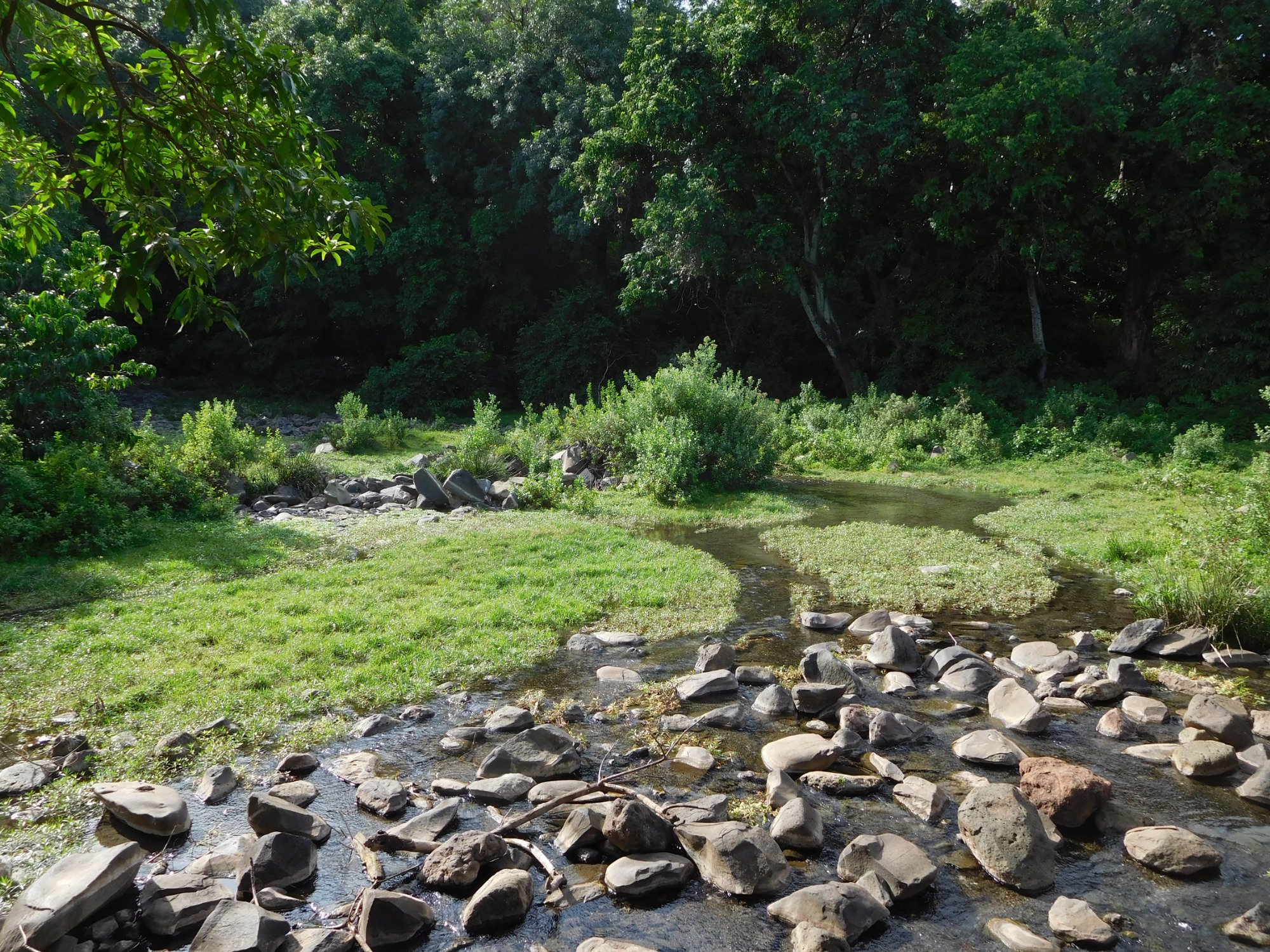
Longido is a Maasai town and a lone mountain in far northern Tanzania, near the Kenya border about 80 kilometres from Arusha. Visitors come to climb Mount Longido with Maasai guides, join a community cultural walk, or break the road trip toward Namanga and Nairobi. The town stays quieter than the famous parks, which makes it a grounded add-on for travellers who want walking and real Maasai contact.

This guide covers what Longido actually offers: the guided climb up Mount Longido, the long running Maasai cultural tourism program, the birds and animals of the surrounding steppe, and how the town fits into a wider trip through the region. If you want a slower, more grounded add on to a bigger Tanzania safari, Longido is worth a day or two of your time.
Longido works best as a short, honest detour rather than a headline destination. Two nights lets you both climb the mountain and spend real time with a Maasai family, without rushing either one.
Where Longido Sits On The Arusha To Namanga Road
Longido town lies on the main route that runs north from Arusha toward Namanga, the busy crossing point on the Tanzania and Kenya border. The drive from Arusha takes around one and a half hours on tar, so the town is easy to reach on a day trip or as a stop while heading to or from Nairobi. The mountain itself stands just east of the road, rising alone above flat Maasai grazing land, which makes it a clear landmark for anyone travelling this corridor.
Because it lines up so neatly with the border route, Longido suits travellers moving between Kenya and Tanzania who want to break the trip with something more meaningful than a fuel stop. The town has a long history too. In November of that early wartime year, forces clashed near Longido during the East African campaign of the First World War, and the mountain served as a lookout point over the plains that reach deep into Kenya. Today the only things watching from the ridge are eagles and the occasional buffalo.
The population of the town and its bomas is mostly Maasai, and that is obvious the moment you arrive. Men and women wear bright shukas, herders move cattle along the verges, and the weekly markets pull people in from settlements spread across the wider district. This is the heart of Maasailand, and Longido has stayed true to that in a way that busier towns have not.
Climbing Mount Longido On A Guided Trek
Mount Longido reaches roughly 2,637 metres and sits inside the Mount Longido Forest Reserve. The guided trek to the summit is short in distance but steep, gaining more than 1,300 metres of height over a route of only about 6.5 kilometres. That combination makes it a proper leg workout rather than a gentle stroll, and it rewards anyone who wants a mountain climb without the scale and cost of Kilimanjaro or Meru.
You do not climb alone. A Maasai warrior leads every trek, and because buffalo and leopard live on the forested slopes, an armed ranger comes along as well. The path starts on open plains and soon enters dense natural forest, following narrow footpaths and trails cut by buffalo over the years. After about three hours you reach a viewpoint the Maasai call Dawa ya Supu, which means medicine soup, a place named for the plants that grow there. From that point a steeper two hour push brings you onto the peak.
On a clear day the summit gives you long views toward Mount Kilimanjaro and Mount Meru, with the Maasai plains rolling out below and running north into Kenya. Many climbers time the ascent so they reach the top in the late afternoon, near sunset, then spend the night in a simple tented camp on the mountain before heading down. The descent the next morning is far kinder, taking two to three hours, often with a pause at a rocky spot known as Leopard Rock.
Longido is the northern mountain most people drive past and few think to climb. That is exactly why the forest still feels wild.
One Day Or Two Day Trek Options
There are two common ways to take on the mountain, and your choice depends on fitness and time. The first is a single day push, up and back down, which usually takes at least seven hours at a steady pace and asks a lot of your legs on the return. It suits fit walkers who want the whole thing done between breakfast and a late lunch.
The second option splits the climb across two days, with a night camping high on the mountain. This softer two day trek lets you settle into the forest, watch the light change over the plains, and reach the summit fresh the next morning. Camps are basic, and on some routes you are asked to bring your own tent, so check the details with your guide before you set out. Either way, the reward is the same quiet peak with its wide reaching views.
A gentler alternative skips the summit altogether. On this walk you climb from the plains at around 1,200 metres up a Maasai cattle trail to a hilltop near 1,600 metres, taking in views of Kilimanjaro and Meru, then descend to the small settlement of Kimokouwa in what the Maasai call the valley of wells. It gives you the shape of the mountain and the feel of the land without the full summit effort.
The Longido Maasai Cultural Tourism Program
Longido runs one of the oldest and most respected cultural tourism programs in the Arusha region. Set up so that money stays with the local community, it lets visitors spend structured time with Maasai families rather than treating a village as a quick photo stop. The program is built around guided walks with Maasai hosts, boma visits, and market days, and it is often called the most remote yet most liked of the northern cultural tours.
A short module takes half a day. On it you make a bird walk across the Maasai plains from the town out to the bomas of Ol Tepesi, a name drawn from the Maasai word for the acacia tree. Your guides point out colourful birds along the way and show you the trees and plants they rely on for food and medicine. A longer one day version adds a walking safari from Ol Tepesi to Kimokouwa, following a thin cattle trail that winds over the lower slopes of the mountain.
Inside a boma, elders and warriors welcome you into daily life. You watch women thread beadwork in bold colours, you can try milking a cow or making fire the traditional way, and you hear how herbs and roots form the base of Maasai medicine. These are working homesteads, not stage sets, and the warmth is real. To keep it that way, follow your host’s lead on where to walk and always ask before taking photos of people.
Half day bird walk from Longido town to the Ol Tepesi bomas, spotting birds and useful plants with Maasai guides.
One day walking safari from Ol Tepesi to Kimokouwa along a cattle trail over the mountain’s lower slopes.
Boma visit with beadwork, fire making, cattle milking, and talk of Maasai plant medicine.
Market day trip on Wednesday or Saturday for livestock trading, beadwork stalls, and everyday town life.
Maasai Culture, Markets And Boma Visits
The markets are one of the best reasons to plan your visit around a certain day. On Saturdays the local Maasai market fills with colourful fabric, handmade beadwork, and the steady business of livestock trading, while Wednesdays bring a large and lively cattle market. Standing among the herders as they haggle over animals gives you a clear window into how the pastoral economy really works, far from any tourist script.
Spending time in a boma is the heart of the experience. The Maasai are among the largest pastoralist groups in East Africa, moving cattle across rangelands shared with wildlife, and their homes reflect that life. If you want to understand more about the beadwork, the layered cloth, and the meaning behind what people wear here, it helps to read a little about Maasai culture and dress before you arrive, so the details you see carry more weight.
The whole program is designed to be respectful on both sides. Visitors are guests, guides set the pace, and the fees you pay support schools and community projects across the district. That structure is a large part of why Longido has kept its dignity while other places have drifted toward performance.
Wildlife And Birds On A Longido Walking Safari
Longido is not a fenced park, so wildlife here is free ranging and sightings are never promised. That is part of the appeal. On a walking safari across the open savannah with a Maasai guide, there is a fair chance of seeing giraffe, zebra, antelope, and baboon moving through the bush as they have always done. Your guide reads tracks in the dust, names the plants underfoot, and explains how the Maasai live alongside these animals rather than apart from them.
The forested mountain holds shyer residents. Buffalo shape the trails you walk on, and leopard move through the trees, which is exactly why an armed ranger joins any climb. You are unlikely to see the big animals, but knowing they share the slope keeps the forest feeling honest and alive.
Birds are the steadier reward. The plains and acacia scrub around Longido carry a good spread of species, and the half day bird walk is built around them. With patient guides and quiet mornings, birders can build a solid list while learning which trees and shrubs the Maasai turn into food and medicine. For a nature focused traveller, the mix of birds, plants, and open country makes Longido one of the more rewarding best places to visit for a slow paced day on foot.
Longido As An Off The Beaten Path Safari Add On
Longido shines brightest as an add on rather than a main event. Its position on the Arusha to Namanga road means it slots neatly into a northern circuit or a cross border trip toward Nairobi, and a single night is enough to feel the change of pace after busier parks. Many travellers pair a day of Maasai culture here with the wildlife of the well known reserves further south, using Longido to slow down and connect with people rather than chase big game.
Because the town sees fewer visitors, the experience stays personal. You are not one bus among many. Guides have time to answer real questions, families are not worn out by constant traffic, and the mountain trail is often empty except for your small group. For travellers who value quiet and contact over checklist sightings, that trade is well worth making.
Pack for a mix of heat and altitude. Days on the plains are warm and dusty, while the mountain summit and its camp can turn cold and wet, so bring layers, sturdy shoes, sun cover, and plenty of water. A little cash for the market and for community fees goes a long way, and a few words of Maasai greeting will always be met with a smile.
Planning Your Longido Trek And Tour
7-Day Lake Manyara, Tarangire, Serengeti & Ngorongoro Safari
3 Days Lake Manyara National Park
13-Day Grand Tanzania North and South Safari
Getting to Longido is simple. Most visitors arrange the trip through an Arusha based operator or through the cultural tourism program office in town, which pairs you with local Maasai guides and, for the mountain, an armed ranger. You can drive up for a day walk or a market visit, or stay longer to climb the peak and camp on its slopes.
The dry months are the most comfortable time for the Longido trek and tour, when trails are firm and views of Kilimanjaro and Meru are at their clearest. Rain can make the forest paths slick and the plains muddy, though it also greens the land and brings out more birds. Whatever the season, keep your plans flexible, listen to your guides on the mountain, and treat every boma as the home it is.
Longido Frequently Asked Questions
How high is Mount Longido and how hard is the climb?
Mount Longido rises to roughly 2,637 metres and sits inside a forest reserve. The trek is short at about 6.5 kilometres but steep, gaining more than 1,300 metres of height, so it feels demanding despite the modest distance. A reasonable level of fitness and a willingness to climb steadily for several hours will get most walkers to the top.
How far is Longido from Arusha and from the Kenya border?
Longido lies about 80 kilometres north of Arusha, roughly one and a half hours by road. It sits just east of the main route between Arusha and Namanga, the crossing point on the Tanzania and Kenya border, which makes it an easy stop for anyone travelling toward Nairobi.
Do I need a guide and a ranger to climb the mountain?
Yes. A Maasai guide leads every trek, and because buffalo and leopard live on the forested slopes, an armed ranger is required for the summit climb. This is arranged through the cultural tourism program or your operator and is part of what keeps the walk safe.
What does a visit to Longido cost?
Prices vary by operator and by how long you stay, and the cultural tourism program charges community fees on top of guide and ranger costs. A half day bird walk is the cheapest option, a one day walking safari costs a little more, and the two day mountain climb with camping is the most expensive because it adds a ranger, gear, and an overnight. Confirm current rates directly with the program office or your operator, and carry some cash for the market and fees.
When are the Longido markets held?
The main market days are Wednesday and Saturday. Saturdays bring a lively general market with beadwork, fabric, and livestock trading, while Wednesdays host a large cattle market. Timing your visit to catch one of these days adds a strong sense of everyday Maasai life to the trip.
Can I visit Longido as a day trip?
Yes. The short drive from Arusha makes a day trip easy, giving you time for a bird walk, a boma visit, or a market. To climb the mountain properly, though, plan for at least one overnight so you can reach the summit and take the gentler descent the next morning.