A week long circuit through five of Tanzania’s northern parks, starting in Arusha. You walk among giraffe in Arusha National Park, drive Lake Manyara and Tarangire for elephants and birdlife, cross the Serengeti plains in search of big cats and the migration, and finish on the floor of Ngorongoro Crater with its lions and black rhino.
Your flight lands at Kilimanjaro International Airport, where your driver guide meets you for the transfer to Arusha, about an hour through farmland below Mount Meru. After checking in you have time to rest before a short briefing on the week ahead, the five parks, the driving involved and the daily pattern of morning and afternoon game drives. The rest of the day is free to relax, swim or wander the lodge gardens. Arusha is the base town for northern circuit safaris and a comfortable spot to begin. Dinner is served at the lodge. Overnight at a lodge in Arusha.
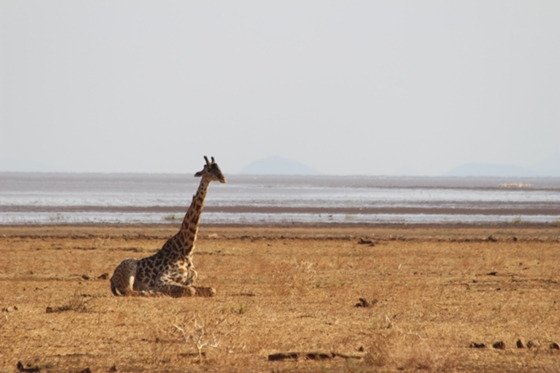
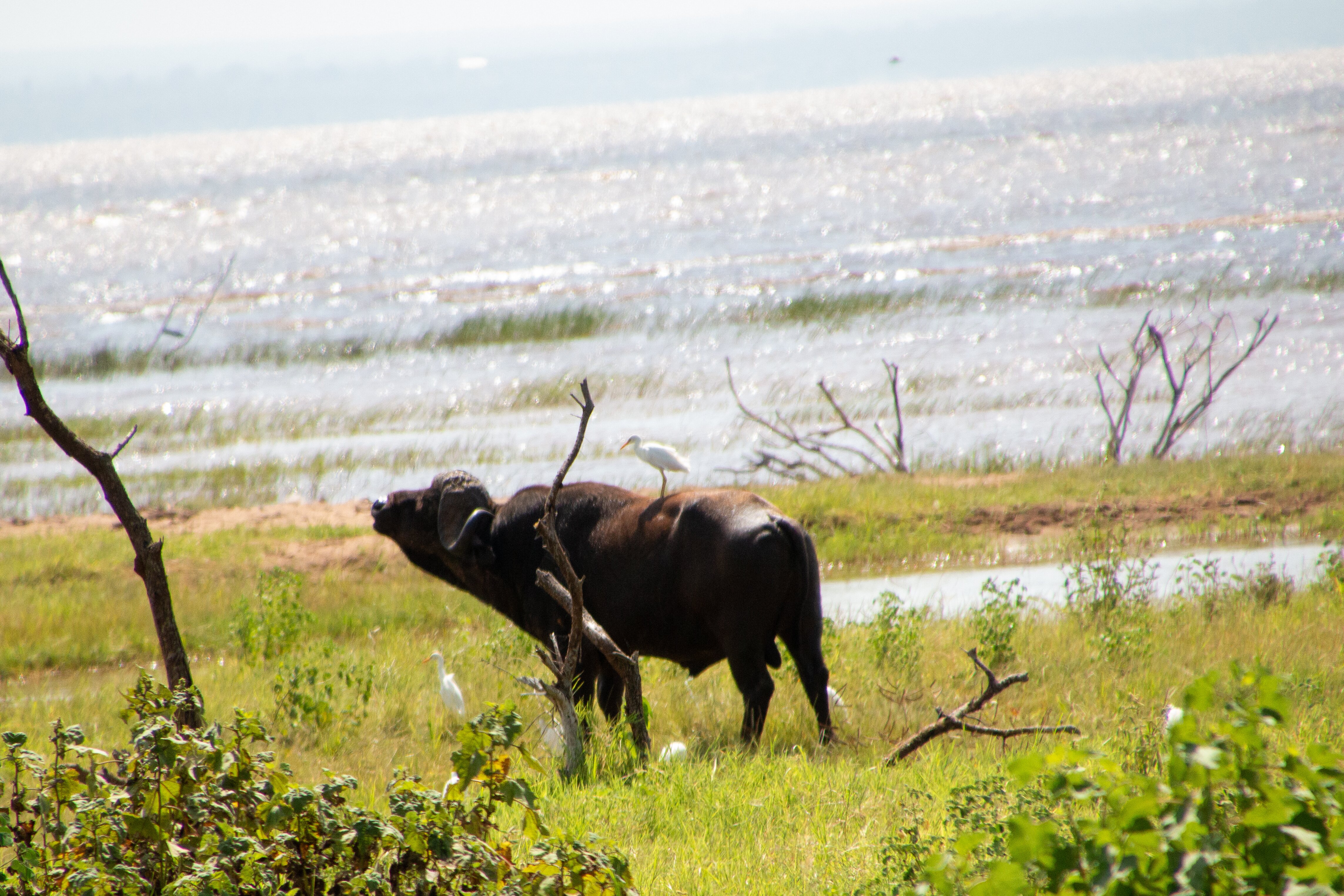
After breakfast you drive the short distance to Arusha National Park on the slopes of Mount Meru. This small park offers real variety in a single day, the Momella lakes ringed with flamingos and waterbirds, the forested Ngurdoto Crater, and grassy glades where giraffe, buffalo, zebra and black and white colobus monkeys feed. With no lions in the park, you can take a guided walking safari on foot with an armed ranger, a rare chance to leave the vehicle and feel the bush up close. Kilimanjaro sometimes appears beyond Meru on a clear morning. You explore for around five hours with a picnic lunch. Meals are breakfast, lunch and dinner. Overnight at a lodge near Arusha.
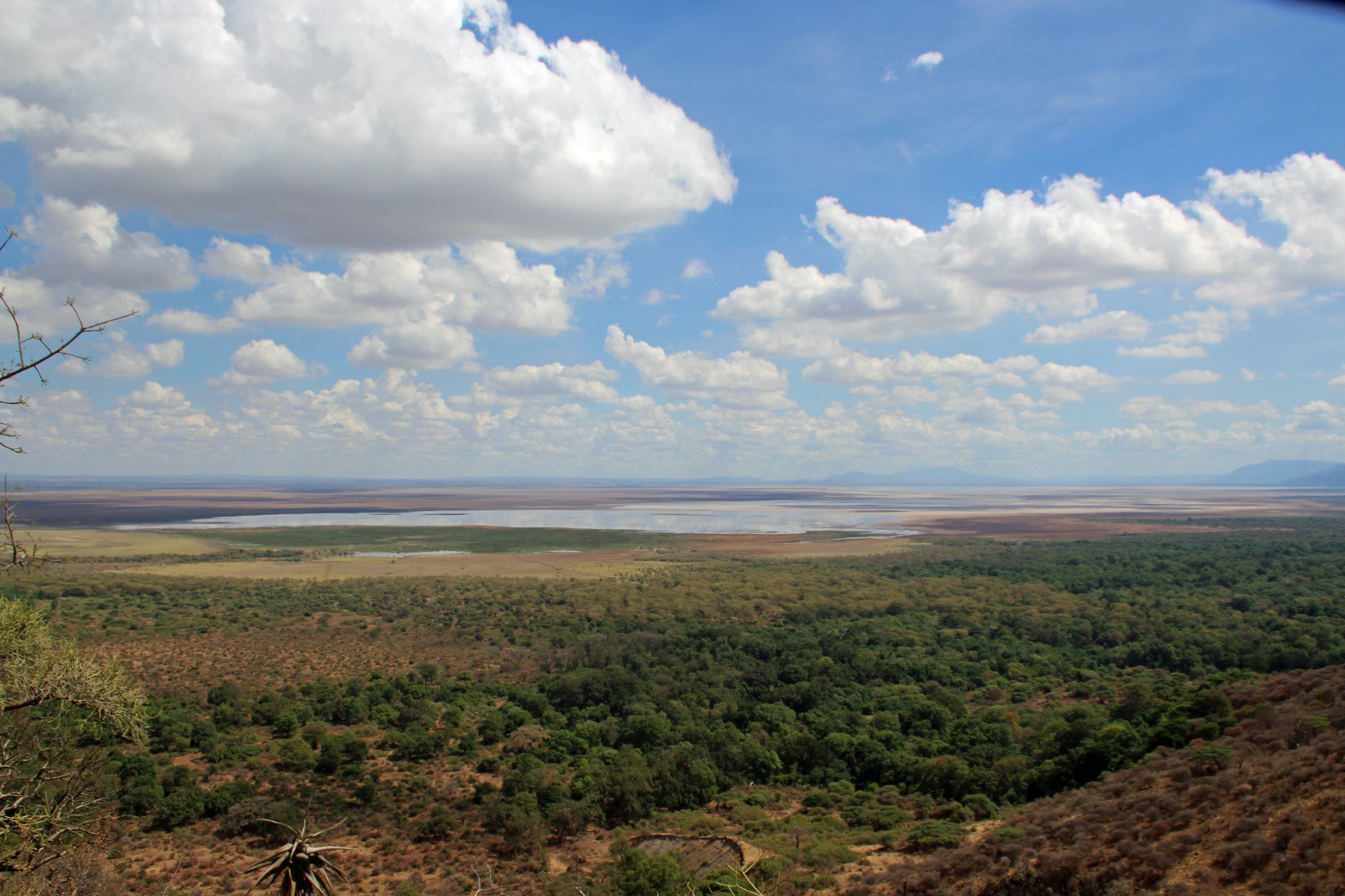
You drive southwest after breakfast to Lake Manyara National Park, about two hours away below the Rift Valley escarpment. Narrow but varied, the park runs from shady groundwater forest, alive with baboons and blue monkeys, to open floodplain grazed by elephants and buffalo. The soda lake draws flamingos, pelicans and storks, and hippos wallow in the spring fed pools. Manyara is one of the few places where lions sometimes rest up in the trees. You spend about five hours on a game drive with a picnic lunch in the park. In the afternoon you continue toward the Tarangire area. Meals are breakfast, lunch and dinner. Overnight at a lodge between Manyara and Tarangire.
A full day in Tarangire National Park, famous for elephants and its ancient baobab trees. In the dry season the Tarangire River is the main water source for a wide area, so it draws big herds of elephant, zebra, wildebeest and buffalo, with lion, leopard and cheetah in pursuit. You game drive through rolling grassland studded with baobabs, a scene quite different from the other parks. The birdlife is excellent, from colourful bee eaters to the giant kori bustard. A picnic lunch is taken in the park, and you spend around six hours exploring the tracks. Meals are breakfast, lunch and dinner. Overnight at a lodge or tented camp near Tarangire.
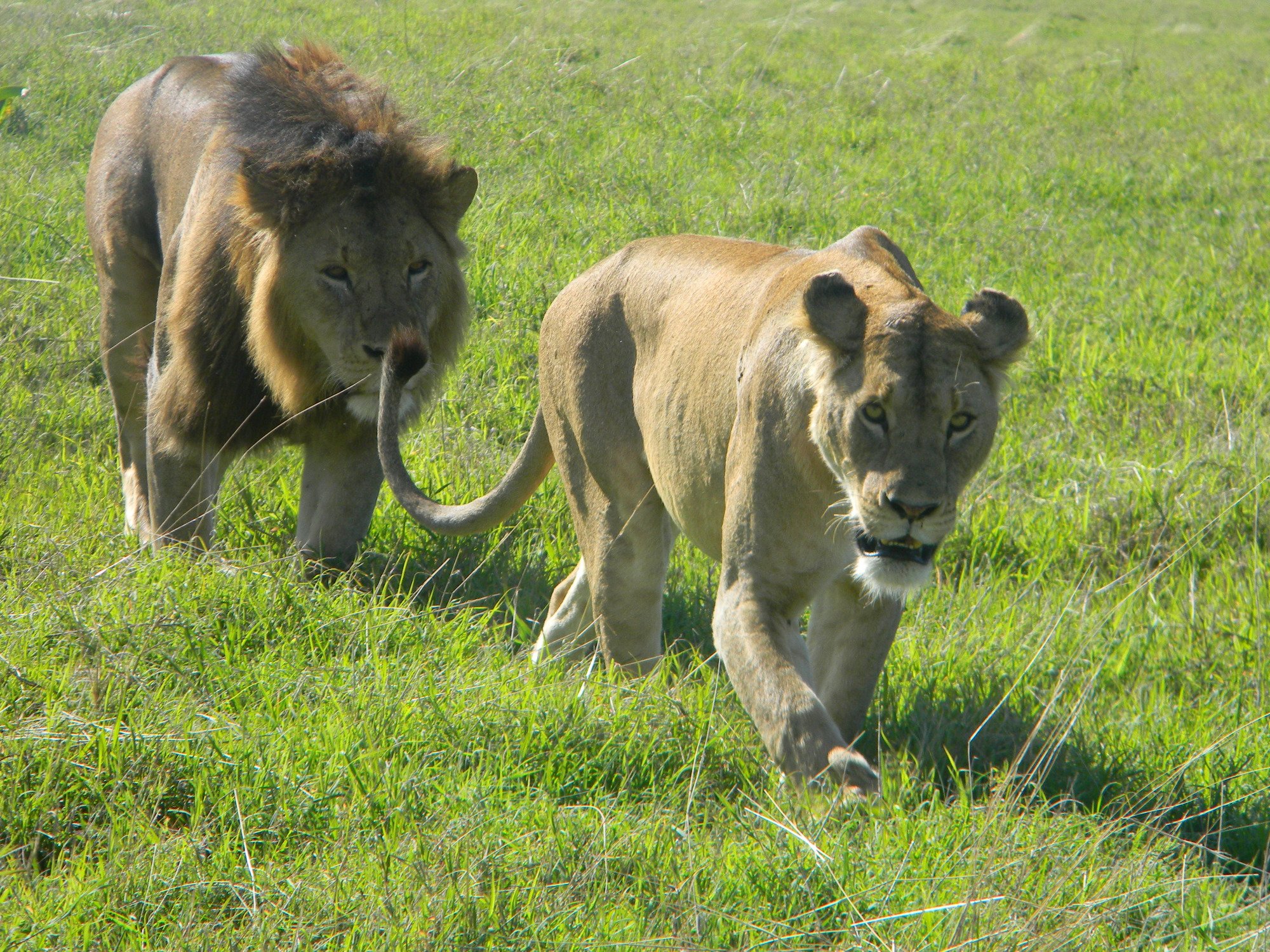
Today you make the scenic climb up to the Serengeti. The road runs through the Ngorongoro Conservation Area, past Maasai homesteads and grazing herds, with a stop at the crater rim viewpoint. From there you drop onto the open plains and enter at Naabi Hill Gate, beginning game viewing as you drive to the central Seronera area. The short grass country is prime ground for lion and cheetah and, in the right season, the wildebeest migration stretched to the horizon. You reach camp in the afternoon with time for a first drive as the light softens. A picnic lunch is taken en route. Meals are breakfast, lunch and dinner. Overnight at a camp in the central Serengeti.
An early morning game drive in the Serengeti gives you the best light and the most active predators, with lion, leopard and cheetah among the plains game around Seronera. Later you turn east toward the highlands, viewing wildlife as you go and stopping if time allows at Olduvai Gorge, where early human fossils were found. The road climbs to the cool, forested rim of Ngorongoro Crater, where the views over the caldera open up. You settle into a lodge on the rim for the night, ready for an early descent in the morning. The day mixes game viewing with driving and a picnic lunch. Meals are breakfast, lunch and dinner. Overnight at a lodge on the Ngorongoro rim.
After an early breakfast you descend into Ngorongoro Crater, dropping down the steep track to the floor of this collapsed volcano. The crater holds one of the densest gatherings of wildlife anywhere, ringed by high walls. On the game drive you look for black rhino, lion, elephant, buffalo, hippo and flamingos on the soda lake, with a picnic lunch beside the water. In the early afternoon you climb back out and drive to Arusha, roughly three to four hours. Depending on your flight, your guide transfers you to Kilimanjaro International Airport for your departure, or to a hotel for a day room. Meals are breakfast and lunch. End of services.
Seven days on the northern circuit works in any season. The dry months from late June to October are the classic choice, with easy game viewing, animals gathered at water and the migration often in the northern Serengeti. Prices and visitor numbers peak then. The green season from November to May turns the country green, brings the wildebeest calving to the southern plains around February and offers the best birding, usually at lower cost and with fewer vehicles. Short afternoon rains are common in the green months but rarely disrupt a day. Choose the dry season for peak wildlife density, or the green season for scenery, young animals and value.
A week is enough to see the highlights without rushing, but it is a full schedule with some long drives, especially the transfer up to the Serengeti. Because the itinerary covers five parks, you spend roughly a day in each, which is ideal for the smaller parks and a taste of the big ones. If you want two full days in the Serengeti to really work the migration and the big cats, look at the longer versions of this trip. As it stands, the pace suits travellers who want breadth, a bit of everything the north offers, over depth in a single park. A private vehicle keeps the days flexible so you are never held to someone else's clock.
Across the five parks you can reasonably expect the big cats, lion, leopard and cheetah, plus elephant, buffalo, giraffe, zebra, hippo and many antelope. Arusha National Park adds colobus monkeys and, on foot, close views of giraffe and buffalo. Lake Manyara is good for elephants, baboons, flamingos and its tree climbing lions. Tarangire has some of the biggest elephant herds in the country among its baobabs. The Serengeti is the place for predators and, in season, the migration. Ngorongoro Crater offers the best chance on the whole route of seeing black rhino, alongside lion, buffalo and flamingo. Birdlife is rich everywhere, with hundreds of species between the lakes, plains and forests.
The wildebeest migration circles the Serengeti through the year, so what you see depends on your dates. In broad terms the herds calve on the southern plains from around December to March, push west and north across the middle of the year, and reach the far north from about July to October. With a day or so in the Serengeti your guide drives toward wherever the herds are, though a single day means the migration is not guaranteed to be nearby. Even if the great herds are elsewhere, the Serengeti always holds resident lions, leopards and cheetah, so the park delivers regardless. We can advise what your travel month is likely to show.
The safari itself asks little of you physically, as most of the day is spent in the vehicle. The one active element is the guided walking safari in Arusha National Park, a gentle few hours on foot with an armed ranger across fairly flat ground, suitable for anyone in normal health. The crater descent and ascent are done by vehicle, not on foot. If you have limited mobility you can still enjoy the whole trip, and the walk is optional. Comfortable closed shoes are all you need for the walking section. Let us know of any health concerns and we will make sure the pace and activities fit.
The northern parks are in a malaria zone, so antimalarial tablets are advised. See a travel clinic or your doctor a few weeks before you leave to choose and start the right course. Common vaccinations include hepatitis A, typhoid and tetanus, and a yellow fever certificate may be required if you arrive from or transit a yellow fever country. The higher parks like Ngorongoro and Arusha carry lower risk because of the cooler altitude, but covering the whole trip is safest. Bring repellent, cover up at dusk and use the mosquito nets in your room. Sort all of this out before you travel rather than on arrival.
Pack light in soft, neutral coloured clothing you can layer. Early mornings and the crater rim are cold while midday is hot, so bring a fleece and a light rain jacket along with shorts and light shirts. Add a sun hat, sunglasses, high factor sunscreen and insect repellent. Closed walking shoes are handy for the Arusha walking safari. Bring binoculars, a camera with a zoom lens, a reusable water bottle, a small daypack and any personal medicines. Keep bags soft sided in case of internal flights. Laundry is available at most lodges, so a few changes of clothing are plenty for the week.
The cost depends on the season and the standard of lodges you pick. Park and crater fees climb in the busy dry months, and lodge rates rise around the peak season and holidays, so the same seven days cost more in high season than in the quieter green months. Simpler tented camps and lodges lower the price, while premium properties raise it. This trip uses a private guide and 4x4, which costs more than a shared group vehicle but lets you set the pace and linger at sightings. Optional extras like a Serengeti balloon flight add to the total. We are happy to quote the route at different comfort levels to match your budget.