Six days on Tanzania’s northern circuit taking in four parks from Arusha. You start with a walking safari among giraffe and buffalo in Arusha National Park, track elephants and lion in Tarangire, cross the Serengeti plains for big cats and the migration, and drop into Ngorongoro Crater for rhino and flamingo before returning to Arusha.
Your flight lands at Kilimanjaro International Airport, where your driver guide meets you for the transfer to Arusha, about an hour through coffee farms and small towns below Mount Meru. After checking in you have time to rest before a short briefing on the six days ahead, the parks, the driving and the daily rhythm of game drives. The rest of the day is free to relax at the lodge, swim or take a walk. Arusha is the base town for northern safaris and an easy place to start. Dinner is served at the lodge. Overnight at a lodge in Arusha.
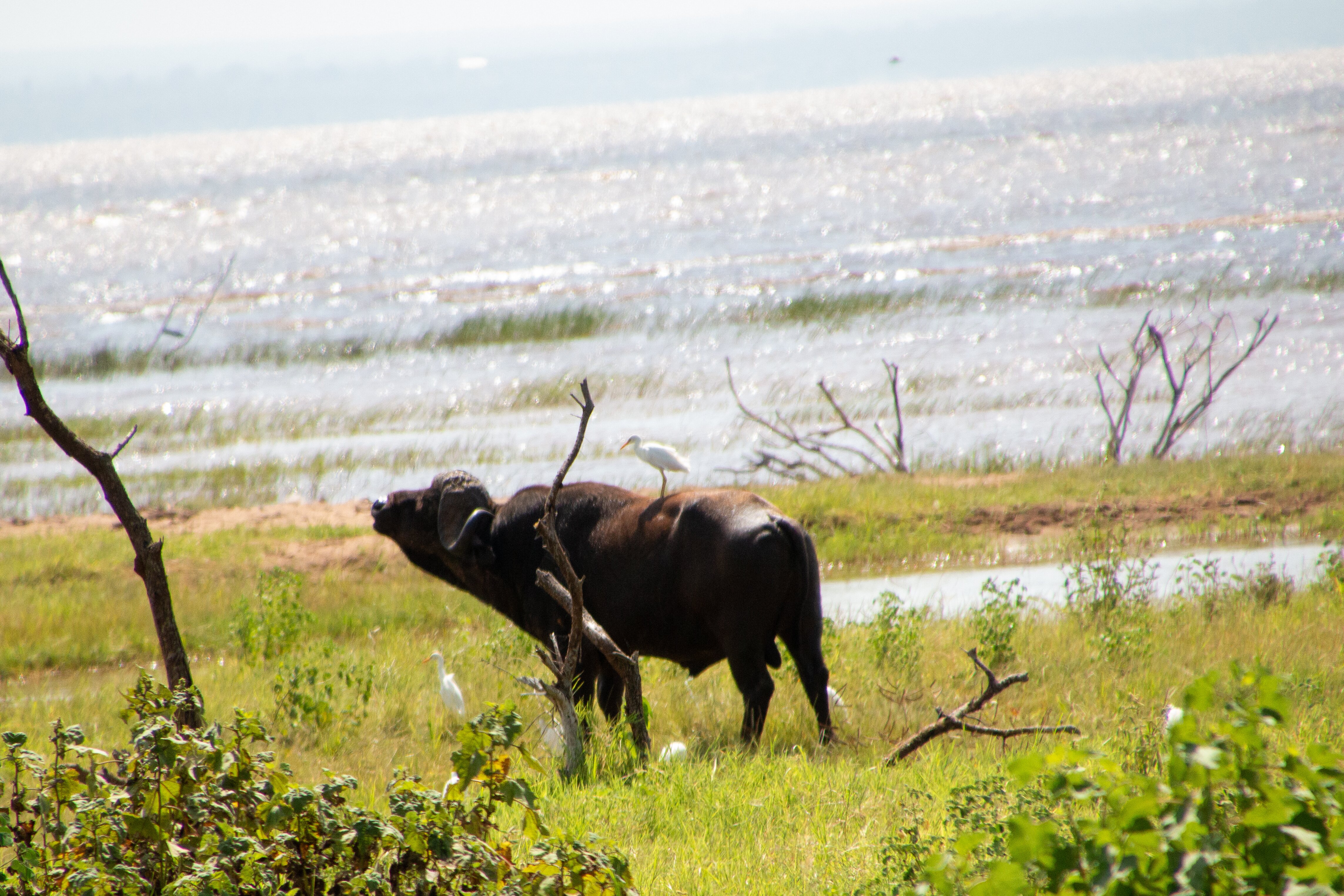
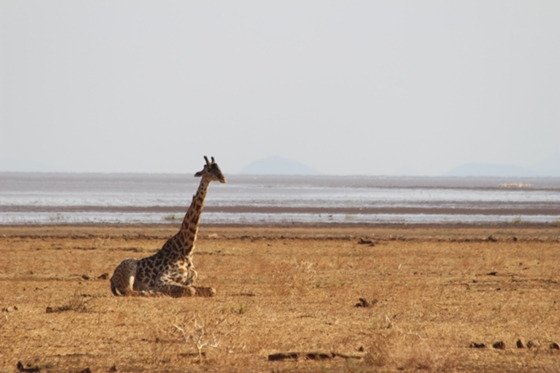
After breakfast you drive the short distance to Arusha National Park on the flanks of Mount Meru. The park mixes several settings in one day, the Momella lakes dotted with flamingos, the forested Ngurdoto Crater, and open glades where giraffe, buffalo, zebra and colobus monkeys graze. With no lions present, you can take a guided walking safari on foot with an armed ranger, a chance to leave the vehicle and read the bush at ground level. On clear mornings Kilimanjaro shows beyond Meru. You explore for around five hours with a picnic lunch, then return toward Arusha. Meals are breakfast, lunch and dinner. Overnight at a lodge near Arusha.
You drive after breakfast to Tarangire National Park, known for its elephants and its old baobab trees. In the dry season the Tarangire River is the main water for a wide area, drawing herds of elephant, zebra, wildebeest and buffalo, with lion, leopard and cheetah trailing them. You game drive through rolling grassland studded with baobabs, a scene quite unlike the plains to come. The birdlife is strong, from hornbills and bee eaters to the huge kori bustard. A picnic lunch is taken in the park, with around six hours of viewing across the day. Meals are breakfast, lunch and dinner. Overnight at a lodge or tented camp near Tarangire.
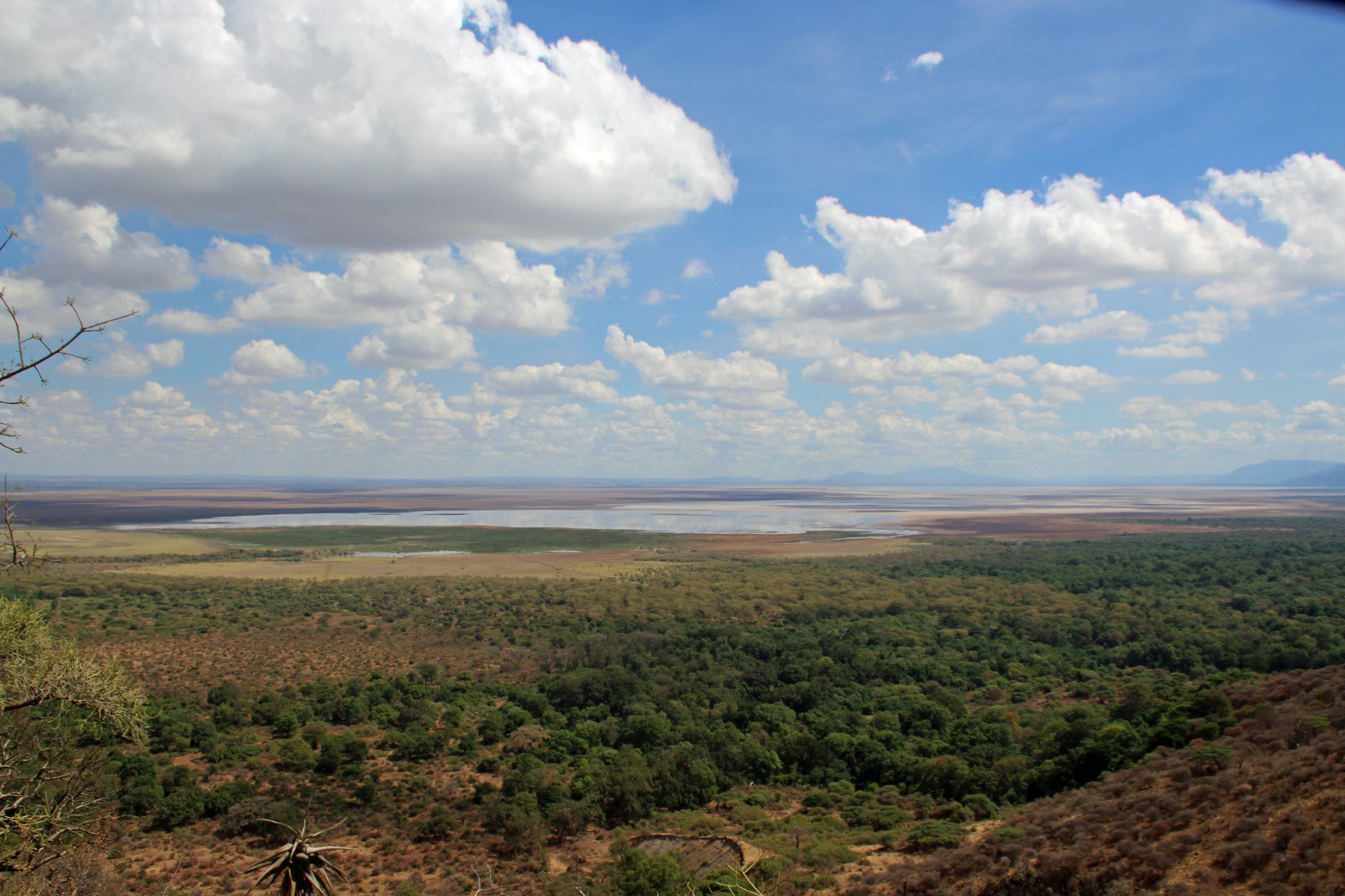
Today you climb up to the Serengeti on a long, scenic drive. The road runs through the Ngorongoro Conservation Area, past Maasai villages and grazing herds, with a stop at the crater rim viewpoint. From there you descend to the open plains and enter at Naabi Hill Gate, beginning game viewing as you drive to the central Seronera area. The short grass country is prime ground for lion, cheetah and, in the right season, the wildebeest migration. You reach camp in the afternoon with time for a first game drive. A picnic lunch is taken along the way. Meals are breakfast, lunch and dinner. Overnight at a camp in the central Serengeti.
An early game drive in the Serengeti catches the best light and the most active predators, with lion, leopard and cheetah among the plains game around Seronera. Later you turn east toward the highlands, viewing wildlife as you go and stopping if time allows at Olduvai Gorge, where early human fossils were found. The road then climbs to the cool, forested rim of Ngorongoro Crater, with wide views over the caldera at the end of the day. You settle into a lodge on the rim for the night, ready for an early descent tomorrow. The day blends game viewing with driving and a picnic lunch. Meals are breakfast, lunch and dinner. Overnight at a lodge on the Ngorongoro rim.
After an early breakfast you descend into Ngorongoro Crater, dropping down the steep track to the floor of this collapsed volcano. The crater packs an astonishing density of wildlife inside its walls. On the game drive you look for black rhino, lion, elephant, buffalo, hippo and flamingos on the soda lake, with a picnic lunch beside the water. In the early afternoon you climb back out and drive to Arusha, roughly three to four hours. Depending on your flight, your guide transfers you to Kilimanjaro International Airport for departure, or to a hotel for a day room. Meals are breakfast and lunch. End of services.
Six days on the northern circuit suits any season. The dry months from late June to October give the clearest game viewing, with animals drawn to water and the migration often in the north of the Serengeti, though this is the busy, higher priced time. The green season from November to May brings greener country, the wildebeest calving on the southern plains around February and strong birding, usually cheaper and quieter. Brief afternoon rains in the green season rarely spoil a day. Pick the dry season for peak animal density or the green season for scenery, newborn wildlife and better value. Either way the crater and Tarangire deliver good sightings across the year.
Six days is a solid short safari that hits four different parks without feeling rushed, though it does involve a couple of long transfer days, particularly to and from the Serengeti. You get a walking safari in Arusha National Park, elephants and baobabs in Tarangire, the plains and predators of the Serengeti and the crater finale. There is roughly a day in each park, plus part of a second in the Serengeti. If you want two clear days on the plains for the migration, consider a longer version. For a first safari or a tighter schedule, six days gives a genuine spread of the north with a private guide keeping the days flexible.
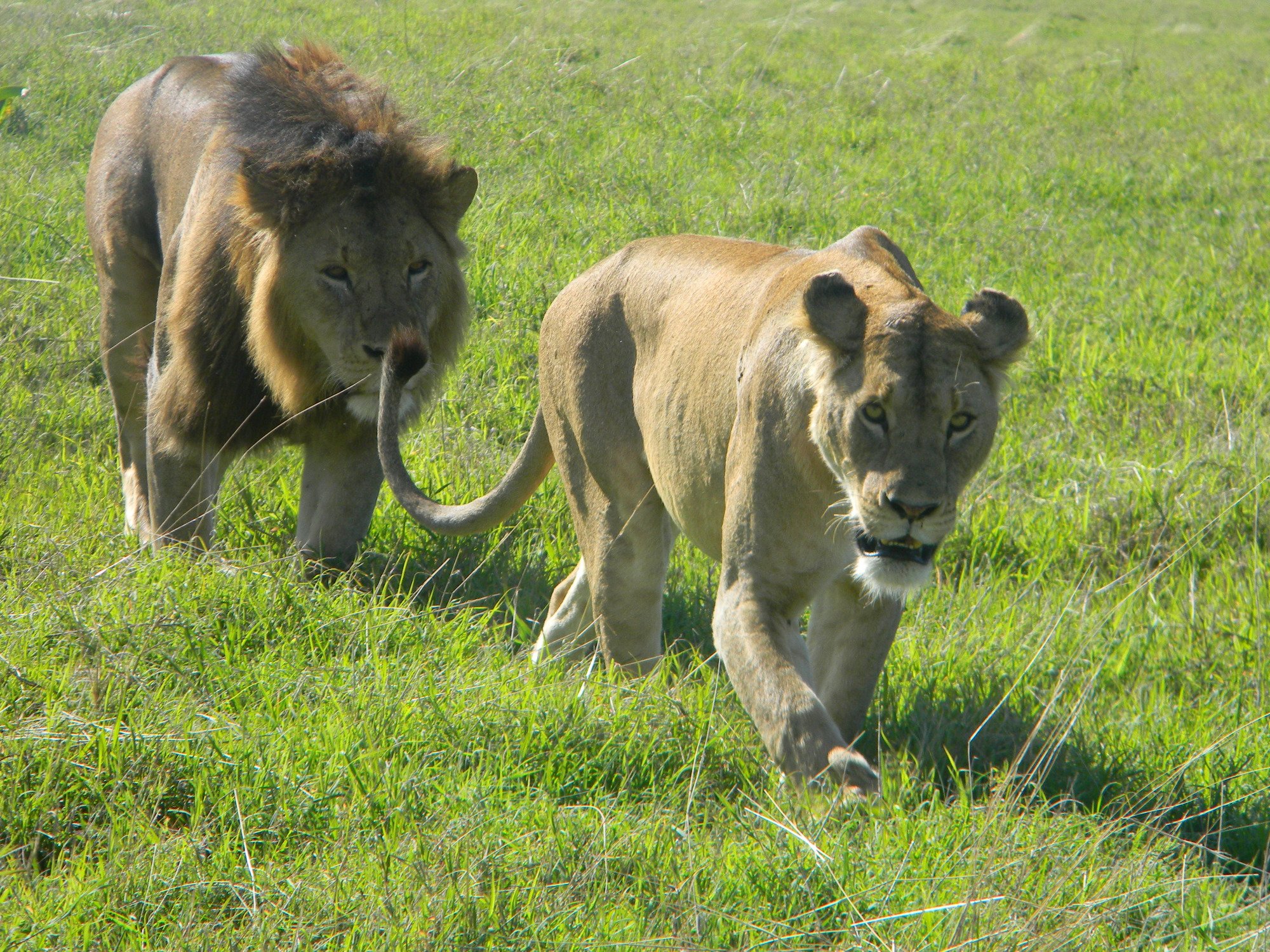
Between the four parks you can expect lion, leopard and cheetah, along with elephant, buffalo, giraffe, zebra, hippo and plenty of antelope. Arusha National Park adds colobus monkeys and close, on foot views of giraffe and buffalo. Tarangire is one of the best places in the country for big elephant herds among ancient baobabs. The Serengeti is the home of the big cats and, in season, the migration. Ngorongoro Crater gives you the best chance on the trip of seeing black rhino, together with lion, buffalo, elephant and flamingo packed into one volcanic bowl. Birdlife is excellent across all four, from the crater lakes to the woodland.
The migration moves around the Serengeti all year, so what you catch depends on your dates. Broadly, the herds calve on the southern plains from about December to March, head west and north mid year, and reach the far north from roughly July to October. With around a day and a half in the Serengeti your guide heads for wherever the herds are, though on a shorter trip the great herds are not guaranteed to be beside you. Resident lions, leopards and cheetah are present regardless, so the plains deliver either way. Ask us what your chosen month usually brings and we will set expectations honestly.
The safari is undemanding physically, since you spend most of the day in the vehicle. The only walking is the guided safari on foot in Arusha National Park, a gentle couple of hours with an armed ranger over flat ground, fine for anyone in ordinary health, and optional if you prefer to stay in the vehicle. The crater is explored by 4x4, not on foot. Closed comfortable shoes are all the walk requires. Travellers with limited mobility can still do the full trip. Please mention any health issues when booking so we can adjust the pace and choose suitable lodges.
The northern parks sit in a malaria area, so antimalarial tablets are recommended. Visit a travel clinic or your doctor a few weeks ahead to choose and start the right course. Usual vaccinations include hepatitis A, typhoid and tetanus, and a yellow fever certificate may be needed if you arrive from or transit a yellow fever country. Risk is lower at the cool heights of Ngorongoro and Arusha, but covering the whole trip is the safe approach. Bring repellent, cover up at dusk and use the nets in your room. Arrange the medical side before you travel rather than on arrival.
Bring soft, neutral clothing you can layer. Mornings and the crater rim are cold, midday is hot, so a fleece and a light rain jacket earn their place alongside lighter shirts and trousers. Add a sun hat, sunglasses, high factor sunscreen and insect repellent. Closed walking shoes help for the Arusha walking safari. Pack binoculars, a camera with a zoom, a reusable water bottle, a small daypack and personal medicines. Keep to soft bags if any flights are added. Laundry is available at most lodges, so a few outfits are enough for the six days.
Cost depends on the season and the lodges you choose. Park and crater fees rise in the peak dry months, and lodge rates climb around the busy season and holidays, so the same six days cost more in high season than in the green months. Simpler camps lower the price, premium lodges raise it. The trip uses a private guide and 4x4, dearer than a shared group vehicle but giving you control of each day. Extras like a Serengeti balloon flight add to the total. We can price the route at several comfort levels to fit your budget while keeping the parks and wildlife unchanged.