This 5-day safari makes a compact loop through northern Tanzania, ideal for a first trip or a short break. You walk the forest slopes of Arusha National Park, watch elephants gather among the baobabs of Tarangire, look for tree-climbing lions and flamingos at Lake Manyara, and finish with a descent into the Ngorongoro Crater to find lion, elephant, hippo, and black rhino.
You land at Kilimanjaro International Airport, where your guide meets you and drives about an hour toward Arusha. If time allows you head straight to Arusha National Park, a compact reserve on the flanks of Mount Meru, for an afternoon game drive. You pass the Momella Lakes, often ringed with flamingos, and open glades where giraffe, buffalo, warthog, and black-and-white colobus monkeys feed. The forest is cool and green, and the birdlife along the water is heavy. A short guided walk may be possible, one of the few places in the north where walking is allowed. Around three to four hours in the park. Overnight at a lodge near Arusha. Meals: Lunch, Dinner.
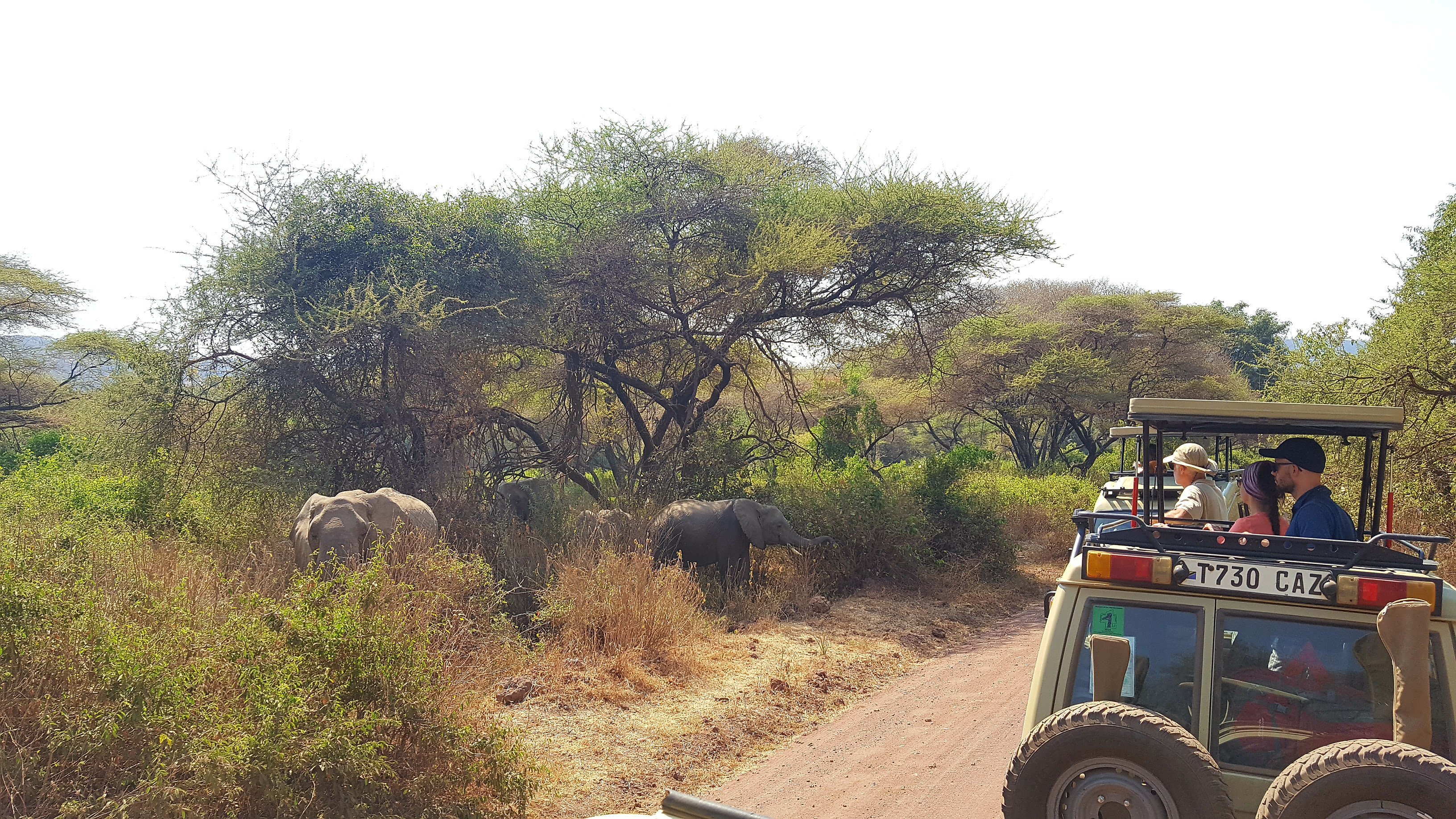
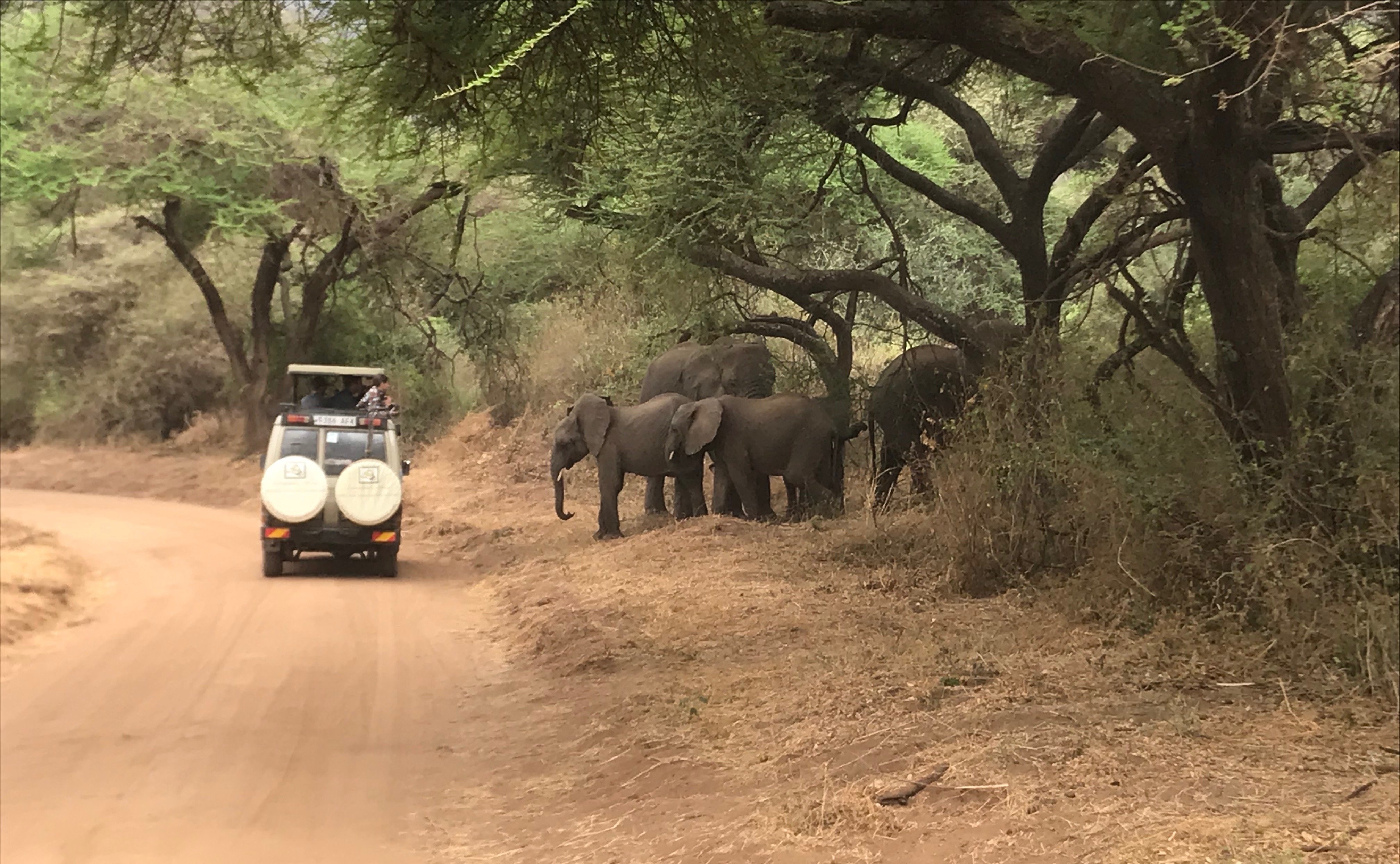
After breakfast you drive southwest to Tarangire National Park, a few hours from Arusha, entering a park defined by its river and by huge, ancient baobab trees. In the dry season animals concentrate here, and Tarangire holds some of the largest elephant herds in the north. You follow the river valley on a game drive, watching for lion, giraffe, zebra, wildebeest, and dry-country antelope such as fringe-eared oryx and lesser kudu. The birding is strong, with hornbills, bee-eaters, and flocks of small parrots. You spend a full day in the park with a picnic lunch, around six hours of driving and viewing, before settling in for the night. Overnight at a lodge near Lake Manyara. Meals: Breakfast, Lunch, Dinner.
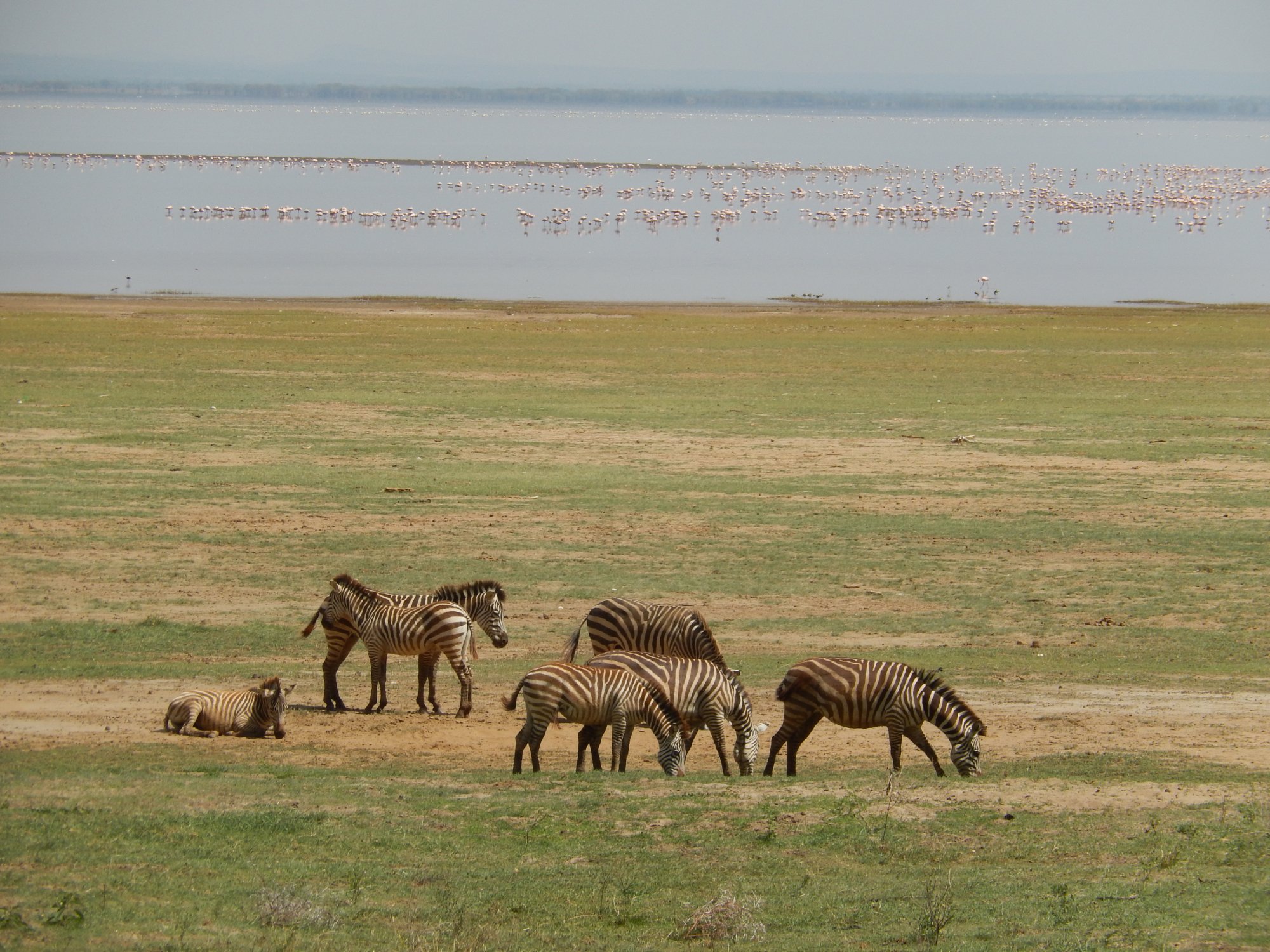
This morning you visit Lake Manyara National Park, a narrow reserve between the Rift Valley wall and a shallow soda lake. The forest at the gate is full of baboons and blue monkeys, and beyond it the floodplain holds elephant, giraffe, and buffalo, while the lake draws pelicans, storks, and flamingos. Manyara is known for lions that sometimes rest in the acacia trees, and hippos wallow near the northern springs. After a morning game drive of around four hours and lunch, you drive up to the Ngorongoro highlands and settle at a lodge on or near the crater rim, arriving in time to look down over the caldera before dark. The rim is cool at night, so bring a warm layer. Overnight at a lodge near the crater rim. Meals: Breakfast, Lunch, Dinner.
You start early and descend into the Ngorongoro Crater, a collapsed volcanic caldera whose walls enclose grassland, a soda lake, and forest. On the floor you have a strong chance of seeing all the big cats along with elephant, hippo, and the endangered black rhino that shelter here. Flamingos crowd the lake, and Maasai graze their cattle along the rim. The crater packs a great deal of wildlife into a small area, so sightings come quickly and the variety is high. You spend the core of the day on the floor with a picnic lunch, around six hours including the descent and climb out, then return to your lodge for the evening. Overnight at a lodge near the crater or Karatu. Meals: Breakfast, Lunch, Dinner.
After breakfast you drive back down from the highlands toward Arusha, roughly three to four hours, watching the farmland and Rift Valley towns pass by. Depending on your flight, you either transfer straight to Kilimanjaro International Airport or stop in Arusha for lunch and a short rest before an evening departure. Your guide handles the transfer and sees you off. In a compact five days you have taken in the forest and lakes of Arusha National Park, the elephants of Tarangire, the birds of Manyara, and the wildlife of the Ngorongoro Crater, a strong introduction to the northern circuit. Meals: Breakfast.
Yes, for a first trip or a short break this length works well. It covers four parks at a sensible pace: a taste of Arusha National Park on arrival, a full day among Tarangire's elephants, a morning at Lake Manyara, and a full crater day, which together show off the variety of the northern circuit. What five days does not include is the Serengeti, which sits further out and really needs its own days to do justice. If seeing the great plains and the wildebeest herds is a priority, consider a longer trip. But if you want a strong, efficient introduction to Tanzanian wildlife without a large time commitment, this compact loop delivers a lot, including the crater, which is one of the finest single wildlife sites in Africa.
The dry months from around late June to October give the easiest conditions, with short grass, firm tracks, and animals gathered at water, which makes wildlife easier to spot across all four parks. The short dry spell around January and February is also very good and tends to be quieter. The long rains from roughly March into May bring green scenery and lower prices, but the roads can be muddy and wildlife spreads out. Because this route stays in the north and includes the crater, which holds resident animals year round, you can have a good trip in almost any month. The main differences between seasons are the ease of driving, how green or dusty the country looks, and the price.
For a short trip the species list is broad. Arusha National Park offers giraffe, buffalo, colobus monkeys, and flamingos on the Momella Lakes in a forest setting. Tarangire is famous for large elephant herds and its baobabs, with lion, zebra, and dry-country antelope. Lake Manyara adds heavy birdlife, hippos, and the chance of lions in the trees. The Ngorongoro Crater is the highlight, with a dense mix of lion, elephant, buffalo, hippo, flamingos, and one of the better chances anywhere of seeing black rhino, all within the caldera walls. You are not guaranteed every animal, but the range of habitats packed into five days gives a real chance at the big cats, elephants, and a long list of plains game and birds.
There is a fair amount of road time, since the parks are spread across the north, but it is manageable and rarely dull. The longest stretches are the drive from Arusha to Tarangire and the climb up to the Ngorongoro highlands, each a few hours. Inside the parks the roads are rough by nature, which is part of the safari experience. The vehicle has a pop-up roof for standing and taking photos, and your guide breaks up the longer transfers with wildlife stops. Because the itinerary stays within the northern circuit and skips the far-flung Serengeti, the daily drives are shorter than on longer trips. Most days mix a transfer with active game viewing rather than long, featureless road time.
Northern Tanzania is a malaria area, so antimalarial tablets are strongly advised. Visit a travel clinic or your doctor a few weeks before departure to arrange the right course and to review routine and recommended vaccinations, which often include hepatitis A, typhoid, and tetanus. A yellow fever certificate is usually only required if you are arriving from a country where the disease is present, but confirm the current rules before you travel. Bring insect repellent, cover your arms and legs at dusk, and use the nets and screens at your lodges. The higher, cooler Ngorongoro rim carries little malaria risk, while the lower parks warrant more care. Simple, consistent precautions keep any risk low so you can focus on the wildlife.
This safari runs either as a private trip or a shared group departure. Private means your own vehicle and guide, flexible timing, and the freedom to linger at a sighting, which couples and families often prefer. A shared group lowers the per-person cost by splitting the vehicle and guide among several travellers, in exchange for a fixed schedule and travelling with others. Both follow the same route and parks, and group sizes are kept reasonable so everyone gets window and roof-hatch space for photos. For a short trip where you want to make the most of limited time, a private vehicle is often worth the extra. If budget is the main concern, a small group is a good value option.
Book a few months ahead where you can, especially for the busy dry season from June to October, when the better lodges fill quickly. Early booking secures your preferred accommodation and, on group departures, your seat, though shorter trips like this can sometimes be arranged at closer notice. Price varies with season and the standard of lodge you choose. Park and conservation fees rise in the peak months, and lodges charge more when demand is high, so the same route costs more in July than in April. A classic-tier trip uses comfortable mid-range lodges. Travelling in the shoulder or green season, or joining a shared group rather than taking a private vehicle, are the simplest ways to reduce the overall cost while keeping the same parks and experience.