A short four day safari from Arusha through three of the northern circuit’s best parks. You game drive Lake Manyara for elephants, tree climbing lions and flamingos, spend a full day among the baobabs and elephant herds of Tarangire, and finish on the floor of Ngorongoro Crater, where lion, buffalo and black rhino share one grassy bowl.
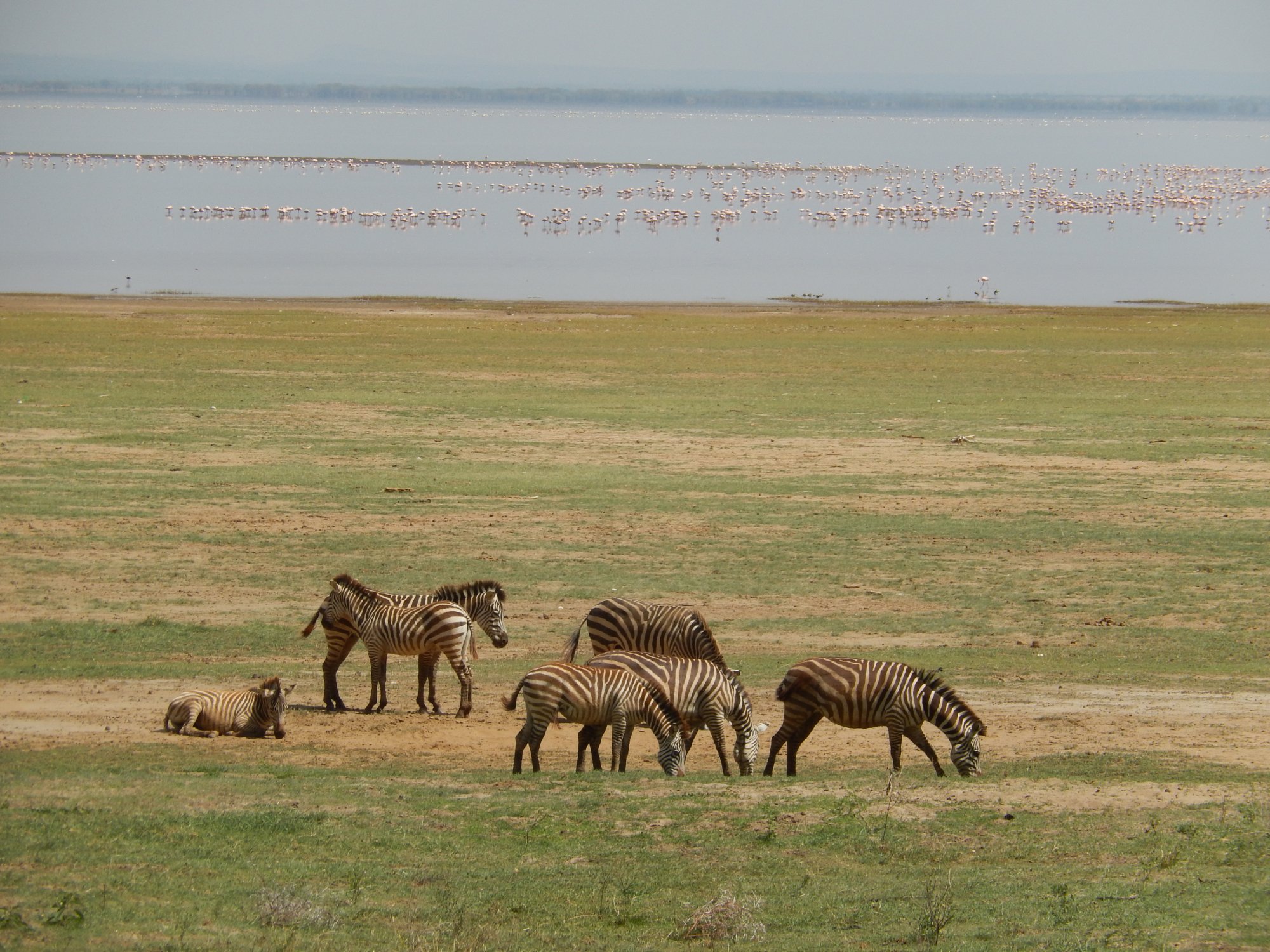
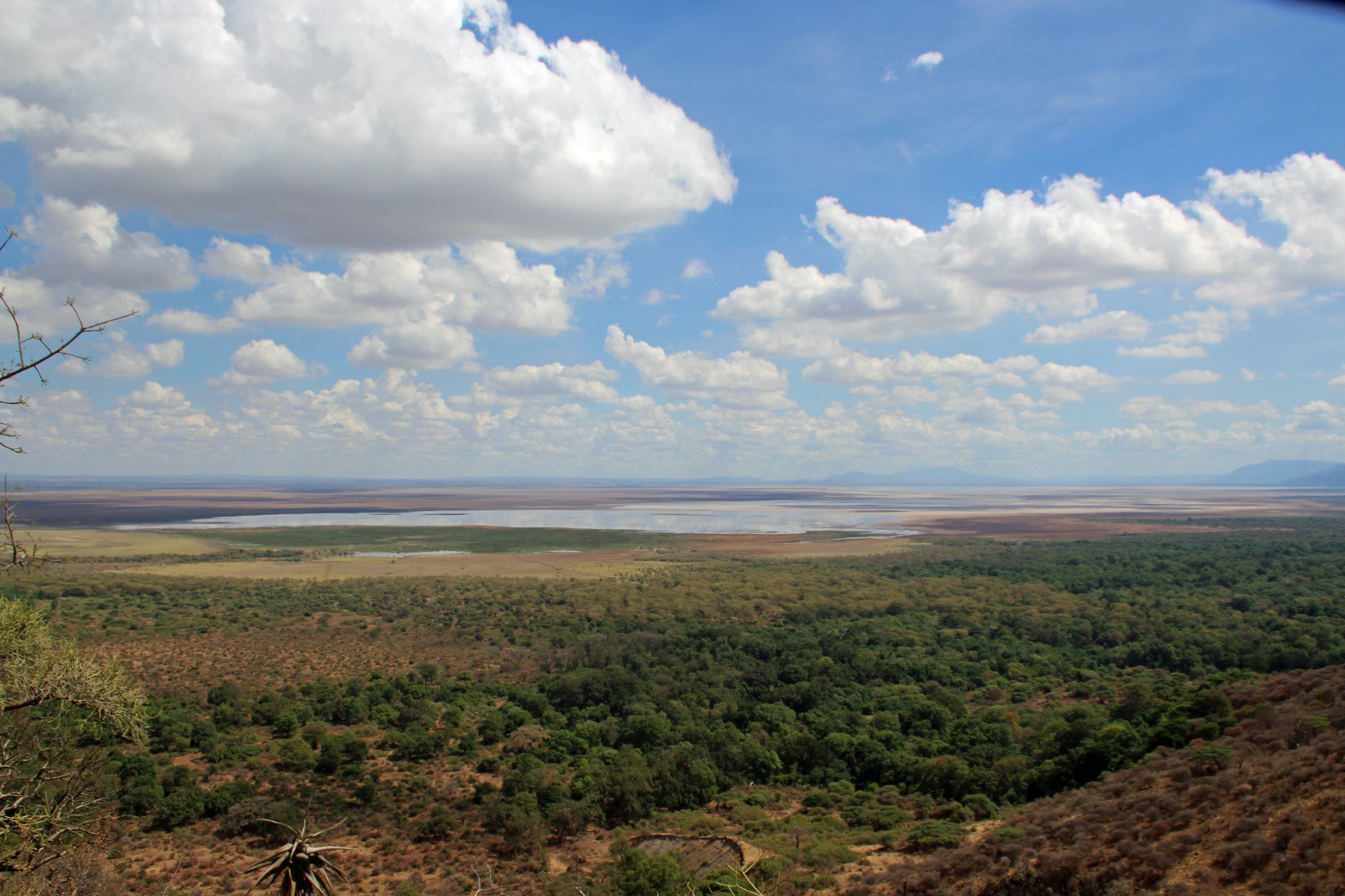
After breakfast your driver guide meets you in Arusha and you set off southwest to Lake Manyara National Park, about two hours away below the Rift Valley escarpment. You reach the park around midday for a picnic lunch, then spend the afternoon on a game drive. Manyara is narrow but varied, running from shady groundwater forest full of baboons and blue monkeys to open floodplain grazed by elephants and buffalo. The soda lake draws flamingos, pelicans and storks, and hippos wallow in the spring fed pools. This is one of the few parks where lions sometimes rest in the trees. In the evening you settle in the highland town of Karatu. Meals are breakfast, lunch and dinner. Overnight at a lodge in Karatu.
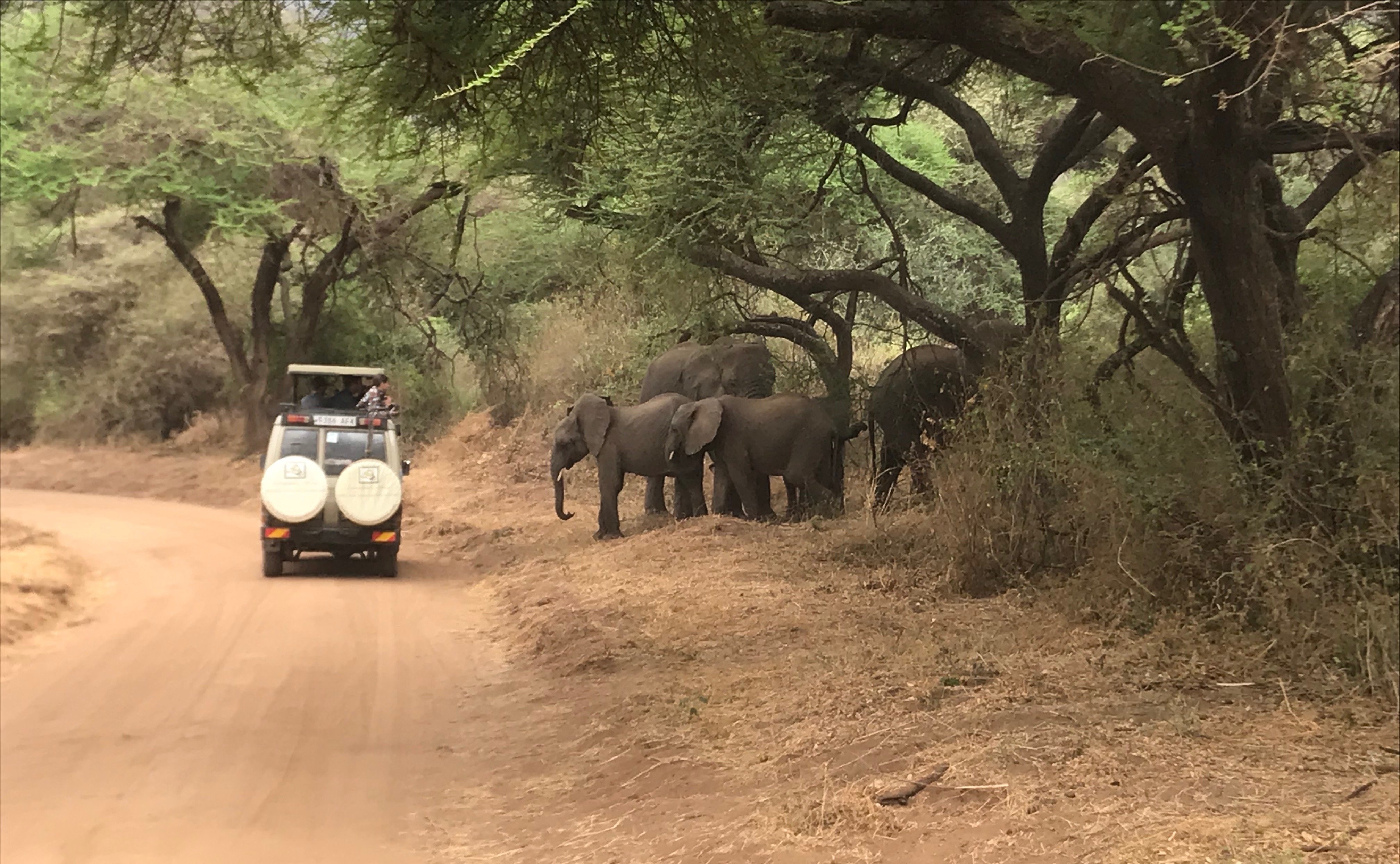
After breakfast you drive to Tarangire National Park for a full day of game viewing. Tarangire is known above all for its elephants and its ancient baobab trees. In the dry season the Tarangire River is the main water for a wide area, pulling in herds of elephant, zebra, wildebeest and buffalo, with lion, leopard and cheetah following. You game drive through rolling grassland studded with baobabs, a scene quite unlike the other parks, with a picnic lunch in the park. The birdlife is excellent, from hornbills and bee eaters to the giant kori bustard. In the late afternoon you drive back up to Karatu for the night. Meals are breakfast, lunch and dinner. Overnight at a lodge in Karatu.
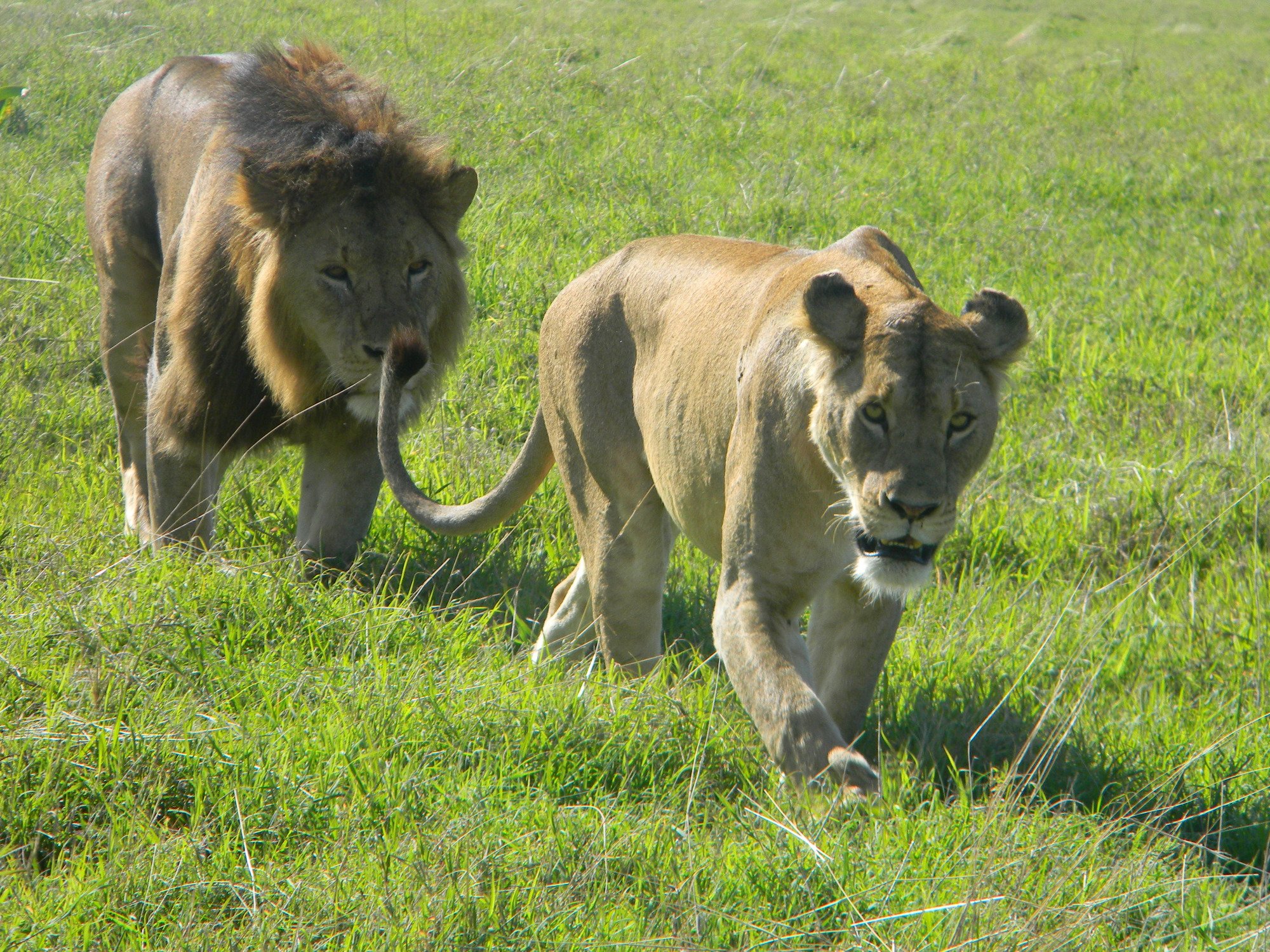
After an early breakfast you drive up to the Ngorongoro rim and descend the steep track into the crater, the floor of a collapsed volcano ringed by high walls. Inside is one of the densest gatherings of wildlife anywhere. On the game drive you look for black rhino, which shelter here in good numbers, along with lion, elephant, buffalo, hippo and flocks of flamingo on the soda lake. The setting is unlike any other park, a self contained bowl of grassland, marsh and water. A picnic lunch is taken beside a hippo pool. In the afternoon you climb back out and return to Karatu. Meals are breakfast, lunch and dinner. Overnight at a lodge in Karatu.
After breakfast you leave the highlands and drive back to Arusha, roughly three hours through farmland and small towns. Depending on your onward plans, your guide drops you in Arusha, transfers you to Kilimanjaro International Airport for a flight, or connects you to a beach extension in Zanzibar. There may be time for a stop to shop for crafts or coffee before you go. The short safari has taken you through forest, baobab country and the crater floor, a compact spread of the northern circuit. Meals are breakfast. End of services.
This short safari runs well all year. The dry season from late June to October gives the easiest viewing, with animals concentrated at water in Tarangire and the crater, and clear roads. It is the busiest and priciest window. The green season from November to May brings green scenery, plentiful birds and lower prices, with elephants and general game still reliable in all three parks. Tarangire is especially good in the dry months, when its river pulls in huge herds. Ngorongoro Crater holds its wildlife year round because of the permanent water and grass inside. Choose the dry season for density, the green season for scenery and value.
Four days is a popular short safari that still packs in three of the north's best parks. It suits travellers with limited time, those adding a safari to a Zanzibar beach holiday, or anyone wanting a first taste of Tanzania. You get an afternoon in Lake Manyara, a full day among the elephants and baobabs of Tarangire, and a morning on the floor of Ngorongoro Crater. The pace is comfortable, based around the town of Karatu to keep repositioning short. It does not reach the Serengeti, which needs more days, so if the migration is your priority look at a longer trip. For a compact, wildlife rich getaway, four days works nicely.
The three parks between them offer a lot. Lake Manyara has elephants, hippos, baboons and blue monkeys, big flocks of flamingos on the lake and the chance of its tree climbing lions. Tarangire is famous for large elephant herds among old baobabs, with lion, zebra, wildebeest, giraffe and a rich bird list. Ngorongoro Crater is the highlight, a volcanic bowl holding lion, elephant, buffalo, hippo, flamingo and one of the best chances anywhere of seeing black rhino. You will not see the migration on this route, as that is a Serengeti event, but the resident wildlife and the crater density more than make up for it on a short trip.
This safari is easy going and needs no special fitness. Almost all of the wildlife viewing is done from the seat of a 4x4, including the crater floor, which is reached by vehicle down and up the access tracks. There is no trekking or long walking involved, so it suits all ages and most mobility levels. The main comfort factor is the bumpy park roads and a couple of transfer drives, which are broken up with game viewing and picnics. If anyone is prone to motion sickness, bring tablets. Tell us of any health or mobility needs and we will choose lodges and a pace to match.
The short length and easy pace make this a good family safari. Children tend to love the elephants of Tarangire and the drama of the crater, and a private vehicle lets you shorten drives, take breaks and manage the day around younger travellers. Basing the nights in Karatu keeps the driving between parks reasonably short. Most lodges welcome families and many have pools and family rooms. There is no walking required, so it works for a wide range of ages, though some camps set their own minimum ages. Share the ages in your group when booking and we will match the lodges and the daily plan to suit.
These parks lie in a malaria area, so antimalarial tablets are advised. See a travel clinic or your doctor a few weeks before departure to select and start the right course. Common vaccinations include hepatitis A, typhoid and tetanus, and a yellow fever certificate may be asked for if you arrive from or transit a yellow fever country. The higher, cooler ground around Ngorongoro carries less risk, but covering the whole trip is safest. Use repellent, wear long sleeves at dusk and sleep under the nets provided. Handle the medical arrangements before you leave home rather than at the airport.
Pack light in soft, neutral clothing. Early mornings and the crater rim are cold while midday is hot, so bring a fleece and a light rain jacket with lighter shirts and trousers. Add a sun hat, sunglasses, high factor sunscreen and insect repellent. Comfortable closed shoes are fine, as no trekking is involved. Bring binoculars, a camera with a zoom, a reusable water bottle, a small daypack and any personal medication. If you are combining this with a beach stay or a flight, keep to a soft bag. Laundry is available at most lodges, so a few changes of clothing cover the four days.
The price varies with the season and the standard of lodges. Park and crater fees rise in the busy dry months, and lodge rates increase around the peak season and holidays, so the same four days cost more in high season than in the green months. Budget friendly lodges and camps bring the price down, while premium properties push it up. The trip runs with a private guide and 4x4, which costs more than a shared group seat but keeps your days flexible. We can quote the same three park route at different comfort levels so it fits your budget without changing the wildlife you see.