This twelve-day trip pairs a Machame route climb of Kilimanjaro with a classic northern safari. You trek through rainforest, moorland and glacier zones to Uhuru Peak, Africa’s highest summit, then track big cats and elephant herds across Lake Manyara, Tarangire, the Serengeti and the Ngorongoro Crater before returning to Moshi.
You land at Kilimanjaro International Airport and transfer roughly forty-five minutes to a hotel in Moshi, the small town below the mountain. The rest of the day is for rest and a full gear check. Your mountain guide meets you in the afternoon to brief the group on the Machame route, walking pace, altitude and what to expect over the next six days. Your kit is weighed and checked, and anything missing can be hired locally. Take it easy, drink plenty of water and eat well. Overnight at a comfortable hotel in Moshi on a bed and breakfast basis. Dinner is at leisure in town or at the hotel restaurant.
After breakfast you drive about an hour to Machame Gate at around 1,800 metres, where guides register the climb and porters load the gear. The first day walks through thick montane rainforest, often damp and green, with colobus monkeys and birdsong overhead. The trail climbs steadily for about five to seven hours to Machame Camp at roughly 3,000 metres. Go slowly, or pole pole as the guides say, to start acclimatising. Camp sits at the forest edge with the first views of Kibo when clouds clear. Porters set up your tents and a hot meal. Lunch on the trail, dinner and overnight at Machame Camp. Expect cool, moist conditions at night.
You leave the forest and enter open heath and moorland, with giant heather and the first big views back over the plains. The climb is shorter but steeper, around four to six hours, rising from 3,000 to about 3,840 metres at Shira Camp on the western plateau. The landscape turns rocky and the air noticeably thinner. Your guide monitors everyone for headaches or breathlessness and keeps the pace slow. From Shira the walls of Kibo rise ahead and sunsets over the Shira ridge are wide and clear. Lunch en route, dinner and overnight in tents at Shira Camp. Nights here are cold, so pack a warm layer close by.
This is a key acclimatisation day built around the climb high, sleep low principle. You ascend gradually to the Lava Tower at about 4,600 metres, where you stop for lunch and feel the altitude. From there the trail drops into the Barranco Valley, passing groves of giant groundsel and lobelia plants found only on these slopes. You finish at Barranco Camp near 3,960 metres, so you sleep lower than the day's high point, which helps your body adjust. Walking time is around six to seven hours. The camp sits beneath the Barranco Wall with the glaciers of Kibo above. Lunch on the trail, dinner and overnight in tents at Barranco Camp.
The day opens with the Barranco Wall, a steep scramble that looks harder than it is and rewards you with wide views at the top. You then cross a series of ridges and valleys to the Karanga Valley, the last water point, before climbing on to Barafu Camp at about 4,673 metres. Total walking is around seven to eight hours over rocky, exposed alpine desert. Barafu is your summit base camp, cold and windy, with the final push ahead. You arrive by mid afternoon, eat an early dinner and rest, since you will wake around midnight to start for the top. Lunch en route, dinner and a short overnight in tents at Barafu Camp.
You wake around midnight, dress in all your warm layers and set off by headtorch. The climb up the scree to Stella Point at about 5,756 metres is slow and steady and takes roughly six to seven hours, often the hardest part of the whole trek. From Stella Point you follow the crater rim to Uhuru Peak at 5,895 metres, the highest point in Africa, usually reaching it near sunrise. After photos by the summit sign you descend back to Barafu for a rest and hot meal, then continue down to Mweka Camp at around 3,100 metres. Total moving time can reach eleven to fourteen hours. Meals provided, dinner and overnight in tents at Mweka Camp.
A gentler morning walks you down through moorland back into the rainforest, often muddy underfoot, to Mweka Gate over about three to four hours. Here you sign out, and successful climbers receive their summit certificates. It is customary to thank and tip the mountain crew before saying goodbye. A vehicle drives you back to Moshi, roughly one hour, for a hot shower, a proper meal and a real bed. Take the afternoon to rest tired legs. Your safari guide will confirm the next morning's start. Breakfast on the mountain and lunch on arrival. Overnight at a hotel in Moshi on a bed and breakfast basis, with the safari beginning the following day.
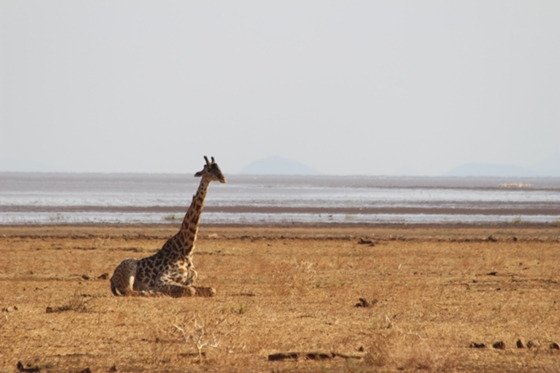
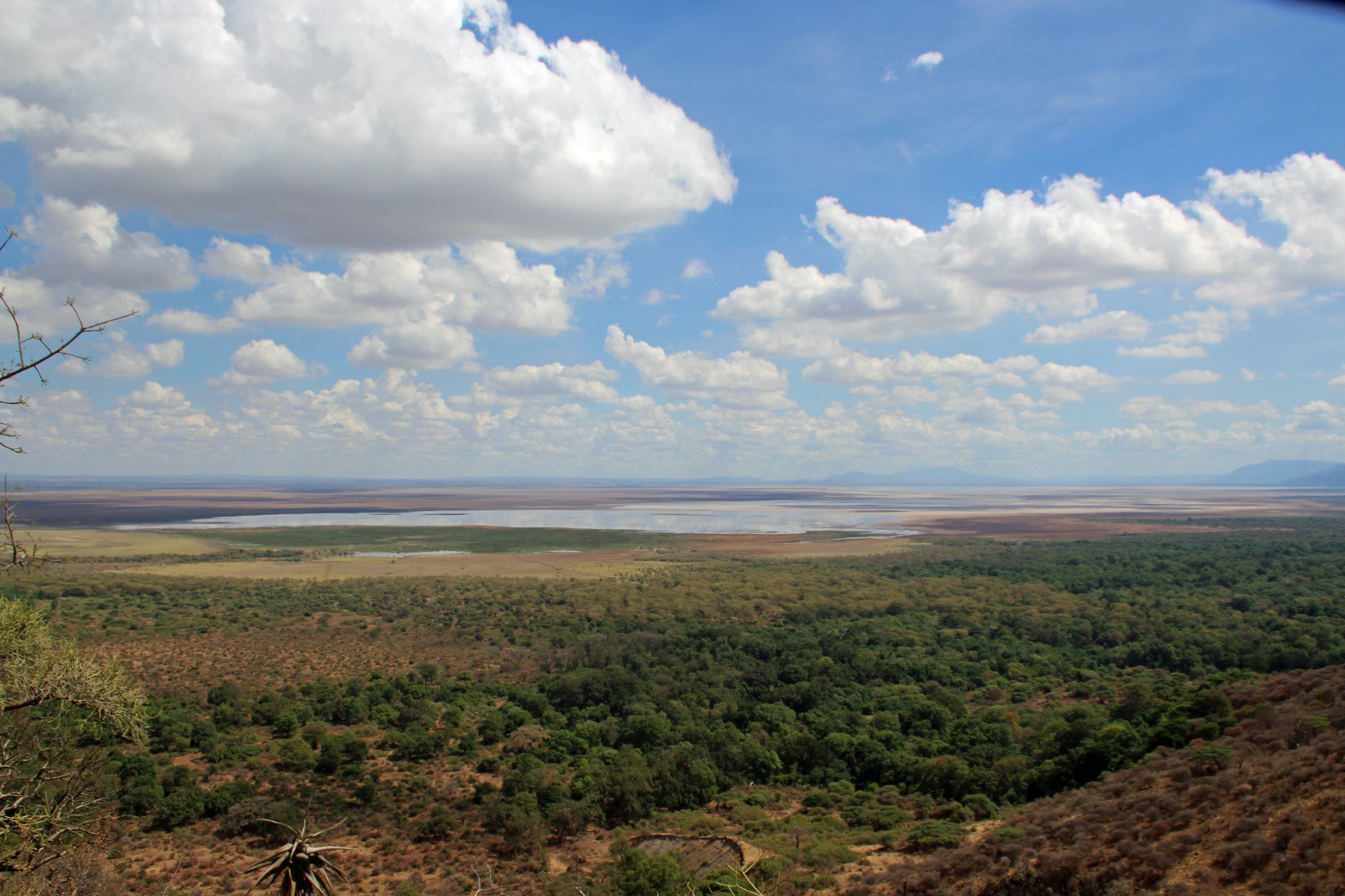
After a relaxed breakfast you meet your safari guide and set off west by 4x4, roughly three to four hours, towards Lake Manyara National Park. This narrow park runs along the base of the Rift Valley escarpment and packs a lot into a small area. You enter through the groundwater forest, home to blue monkeys and baboons, then reach open floodplains beside the soda lake, where flamingos and pelicans gather. Manyara is known for elephants and for its tree-climbing lions, sometimes seen draped in acacia branches. An afternoon game drive of three to four hours covers the main circuits. Lunch and dinner included. Overnight at a lodge or tented camp near the park on a full-board basis.
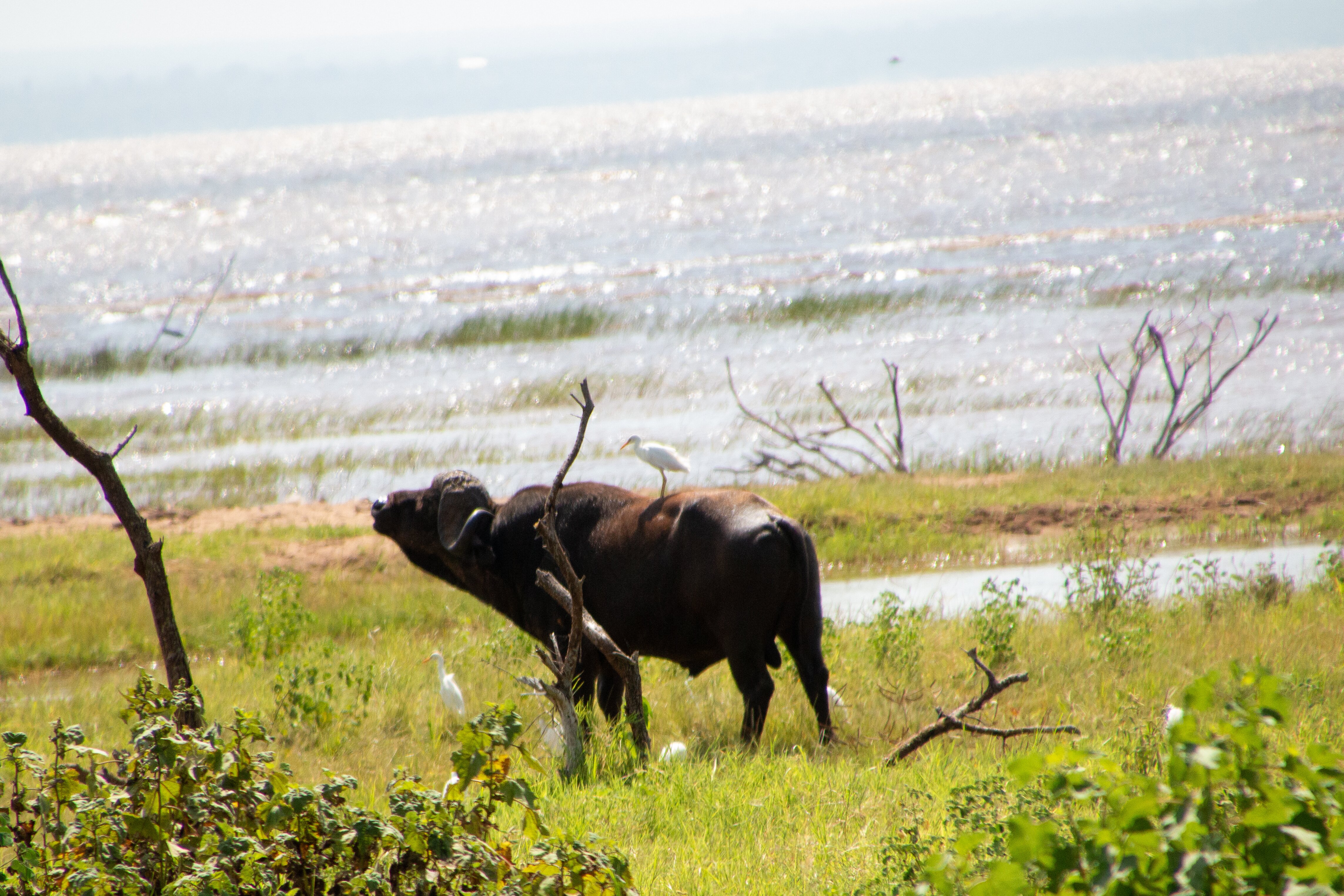
You drive to Tarangire National Park, about one to two hours, and spend the day on game drives along the Tarangire River. Tarangire is famous for very large elephant herds and for its baobab trees, which stand thick across the grassland. In the dry season animals concentrate near the river, so you can see zebra, wildebeest, giraffe, buffalo and the occasional lion or leopard, along with strong birdlife. You break for a picnic lunch under a baobab or at a designated site, then continue exploring in the afternoon. Total game viewing runs about six hours with a midday break. The park has a quieter, wilder feel than the busier northern parks. Dinner and overnight at a lodge or tented camp near Tarangire, full board.
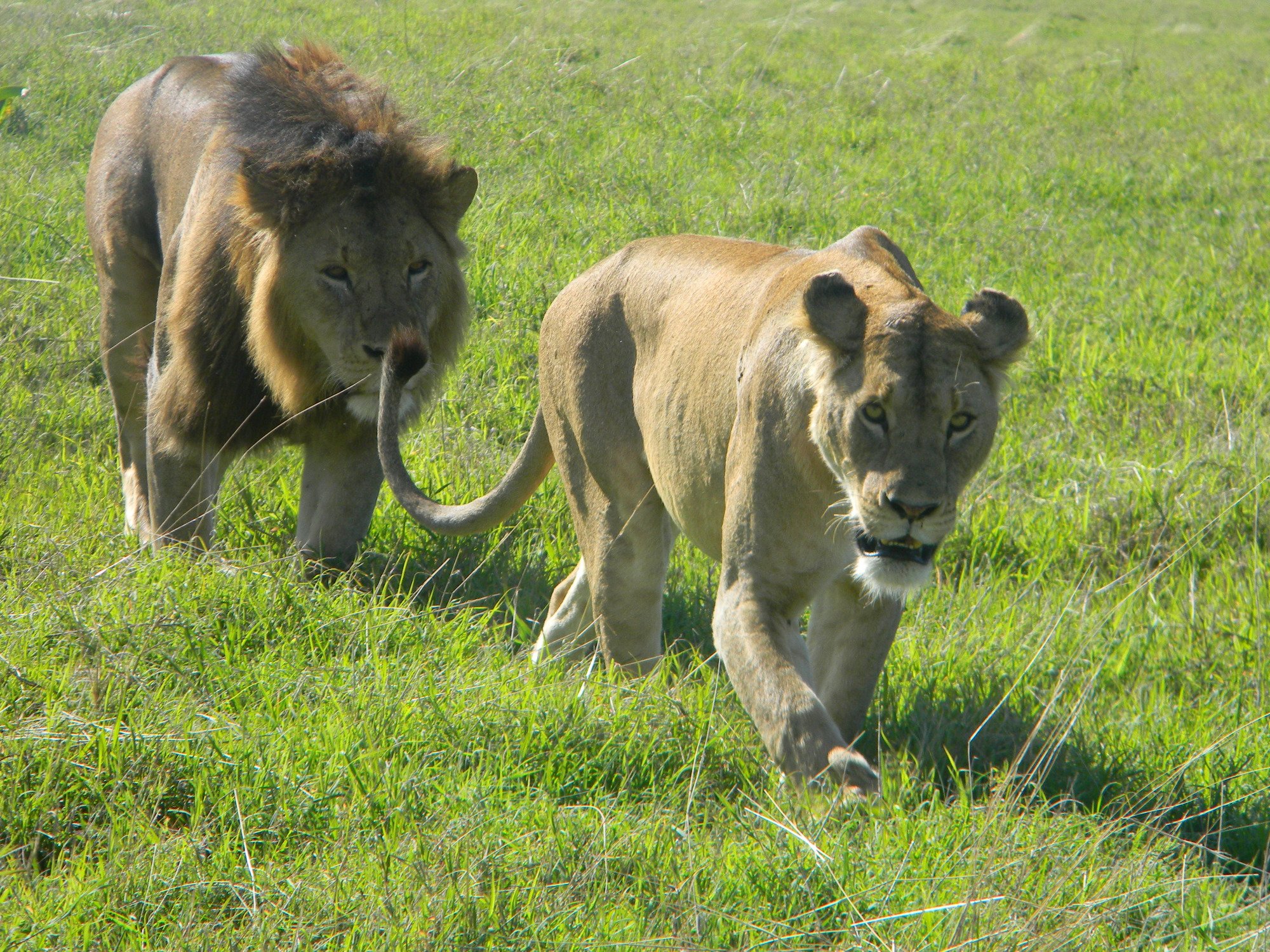
After breakfast you drive northwest towards the Serengeti, passing the Ngorongoro highlands and descending onto the plains, a half-day transfer with game viewing as you enter the park. The Serengeti is Tanzania's largest and best known park, endless grassland dotted with rocky kopjes and acacia. Depending on the season you may catch part of the great migration of wildebeest and zebra, and the open plains are strong for lion, cheetah and other predators. You game drive as you cross into the central Seronera area, one of the best regions for big cats year round. Picnic lunch en route and an afternoon drive. Dinner and overnight at a lodge or tented camp in the Serengeti, full board.
An early breakfast lets you fit in a morning game drive in the Serengeti before leaving. You then drive to the Ngorongoro Conservation Area and descend into the Ngorongoro Crater, the world's largest intact volcanic caldera, its floor spread with grassland, swamp and a soda lake. This natural bowl holds a dense population of wildlife, including black rhino, lion, elephant, buffalo and flamingos, giving a real chance to see the big five in one place. You spend several hours on the crater floor with a picnic lunch, then climb back up to the rim in the late afternoon. Roughly six to seven hours of activity with driving. Dinner and overnight at a lodge on the crater rim, full board.
After a final breakfast with views over the crater rim you drive back towards Arusha, about four hours, with a stop at a Maasai market or curio shop if there is time. On arrival you can freshen up at a day room before your onward flight, or transfer straight to Kilimanjaro International Airport, roughly one hour from Arusha, for your departure. Your guide handles the drop-off and helps with any final arrangements. Breakfast included, with lunch depending on your flight time. This closes a trip that took you from the summit of Kilimanjaro to the wildlife of the northern circuit. Safe travels home.
The best months for Kilimanjaro are the drier windows of January to early March and June to October, when the trails are firmer and summit views are clearer. These months also line up well with the northern safari. From June to October wildlife concentrates around rivers and waterholes in Tarangire and the Serengeti, which makes big animals easier to find, and the Ngorongoro Crater is good all year. The migration moves through the Serengeti with the seasons, so exactly what you see there depends on the month. April, May and November bring heavier rain, muddier climbing conditions and quieter parks at lower cost. This twelve-day format works in any dry window, and your operator can advise the best fit for your dates.
You do not need technical mountaineering skills, but you do need solid general fitness and determination. The Machame route is a walking climb, not a rock climb, yet you will trek for five to seven hours on most days and up to fourteen hours on summit day at high altitude. Train for a few months beforehand with regular hiking, long walks with a daypack, stair climbing and cardio. The single biggest factor in reaching the top is not raw strength but how well you handle altitude, which is why this itinerary uses the climb high, sleep low profile and a slow pace. Anyone in reasonable health who trains sensibly and walks slowly has a good chance. Talk to your doctor first if you have heart, lung or blood pressure concerns.
Altitude sickness happens when your body gets less oxygen at height, and mild symptoms such as headache, tiredness and poor sleep are common above 3,000 metres. The main defences are a slow pace, good hydration, eating well and giving your body time to adjust, all of which are built into the Machame route with its acclimatisation day at Lava Tower. Your guides carry a pulse oximeter and check your oxygen levels and pulse twice a day, and they are trained to spot the warning signs early. Many climbers also take preventative medication after speaking with their doctor. If serious symptoms appear the only real cure is to descend, and your crew will bring you down without hesitation. Being honest about how you feel is the safest approach.
The four-park safari gives strong variety. Lake Manyara is known for elephants, hippos, flamingos on the soda lake and its tree-climbing lions. Tarangire has some of the largest elephant herds in the country and dramatic baobab country, with zebra, giraffe, buffalo and predators drawn to the river in the dry season. The Serengeti offers wide plains that are excellent for lion, cheetah and, depending on the month, part of the wildebeest and zebra migration. The Ngorongoro Crater packs a dense mix of wildlife onto its floor, including a chance to see black rhino, which completes the big five across the trip. Bird life is rich everywhere. No sighting is ever guaranteed in the wild, but this combination of parks stacks the odds in your favour.
For many travellers it is the best possible use of the time. You have flown a long way, and doing the climb and the safari back to back means one trip covers Africa's highest summit and its finest wildlife parks. The safari days also work as active recovery, letting you rest tired legs in a vehicle while still seeing something special every day. Standing at Uhuru Peak at sunrise and then watching elephants and lions a few days later gives a real sense of Tanzania from top to bottom. It is a full twelve days, so it suits people who want depth rather than a quick sample. If your schedule and budget allow, combining the two is more rewarding than either on its own.
Tanzania is a malaria area at safari altitudes, so antimalarial tablets are strongly advised, and you should start them before arrival as your doctor directs. The high slopes of Kilimanjaro are above the mosquito line, but the towns and safari parks are not, so keep taking your tablets throughout. A yellow fever certificate may be required if you arrive from or transit a country where the disease is present. Routine vaccinations should be up to date, and many travellers also cover hepatitis A, typhoid and tetanus. Bring insect repellent, cover up at dusk and use the nets provided. See a travel clinic four to six weeks before departure so there is time for any course to take effect and for personalised advice based on your health.
Both are possible. This can run as a private trip for you or your own party, or you can join a small scheduled group to share vehicle and crew costs. Single travellers are welcome on either. If you prefer your own room and tent, a single supplement applies, since standard pricing assumes two people sharing. On the mountain you will always be part of a supported team with guides, cook and porters regardless of group size, so you are never alone. Solo climbers often find the shared effort creates quick friendships. Tell your operator your preference when booking and they will confirm the group size, the supplement and any pairing options.
You need proper cold-weather climbing gear as well as lighter safari clothing. For the mountain bring broken-in waterproof boots, warm insulated layers, a windproof jacket, gloves, a warm hat, a headtorch, a four-season sleeping bag and trekking poles, most of which can be hired locally if needed. For the safari pack light neutral clothing, a sun hat, sunglasses, sunscreen and binoculars. Book as early as you can, ideally six to twelve months ahead for the popular June to October and January to March windows, since good crews, permits and lodges fill up. Prices vary by season and by lodge standard, with peak months and higher-end camps costing more. Early booking secures your dates and usually the better rates.