This three-day safari links two contrasting parks in northern Tanzania, both an easy drive from Arusha. Tarangire is known for its huge elephant herds and ancient baobab trees along a seasonal river, while Lake Manyara offers forest, lakeshore flamingos, and lions that sometimes rest in the trees. It is a short, rewarding taste of the northern circuit without long distances.
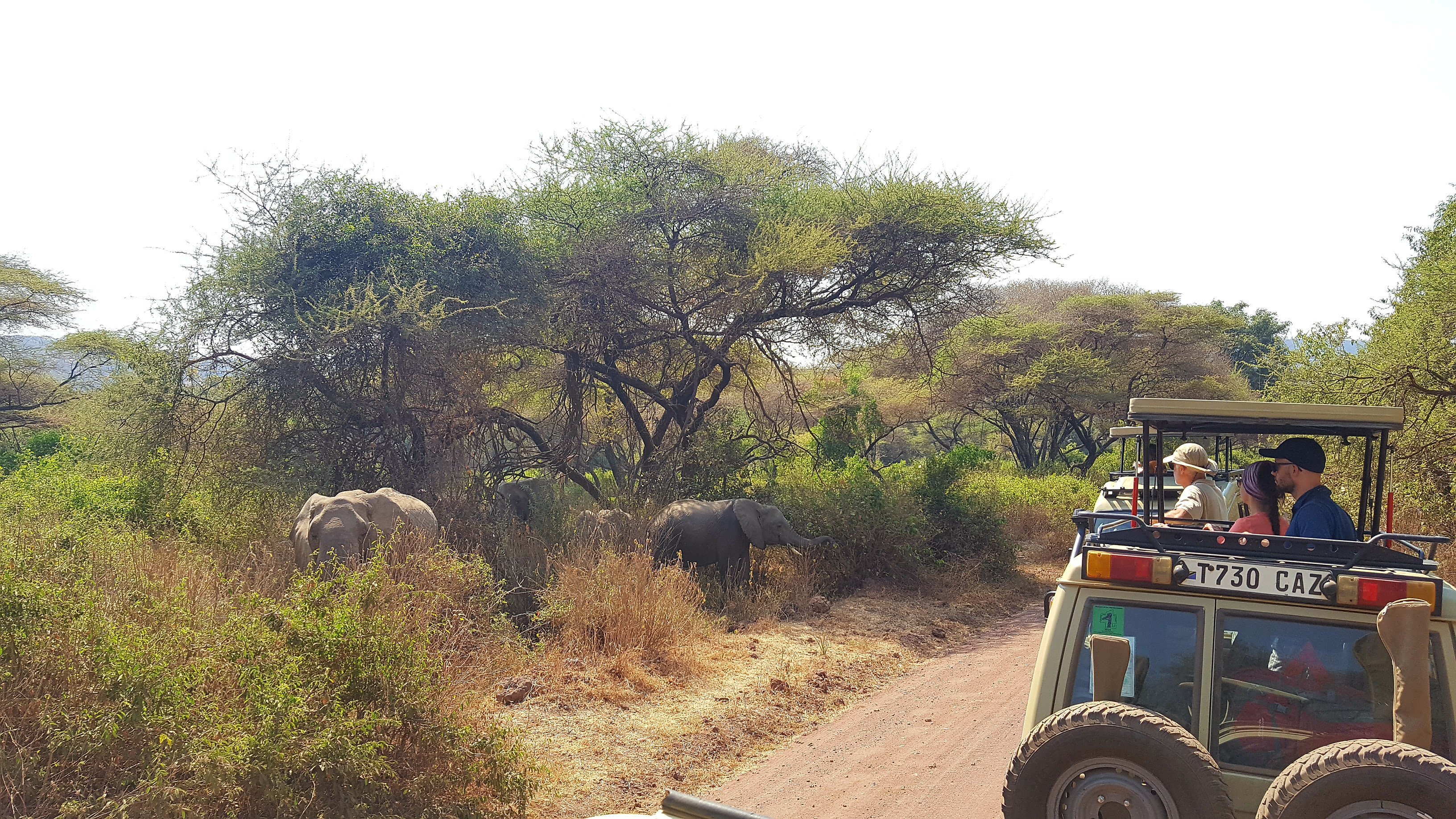
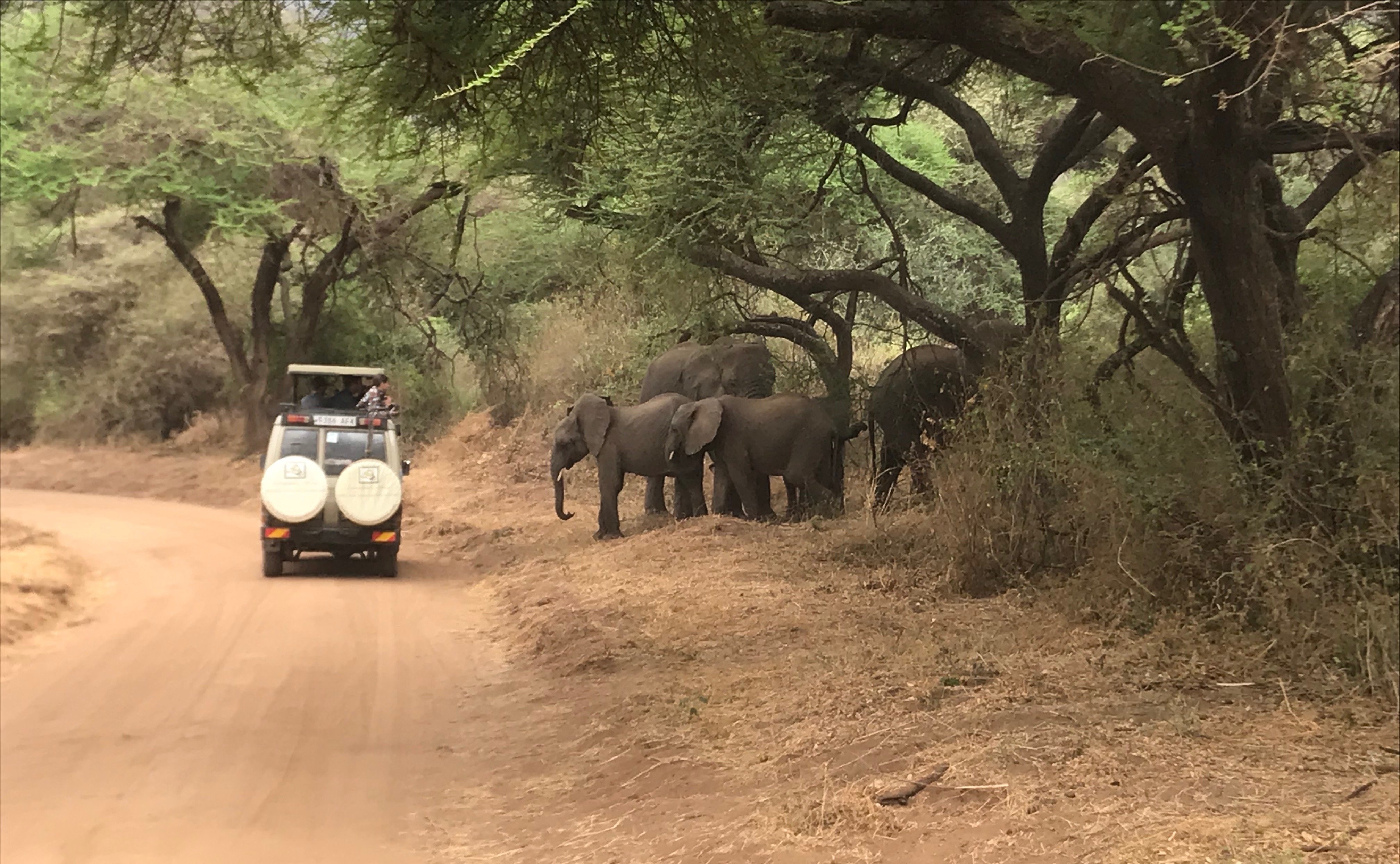
Your guide collects you in Arusha after breakfast and drives southwest to Tarangire National Park, roughly two to three hours away. You enter with a picnic lunch and spend the day on a game drive along the Tarangire River, the lifeline that draws animals in the dry season. Tarangire is famous for elephants in large numbers, and you often see family herds crossing the track or gathering at the water. Between them stand the huge baobab trees the park is known for, some centuries old. Look also for zebra, wildebeest, giraffe, buffalo, and the many birds, from hornbills to birds of prey. In the late afternoon you leave the park for your lodge nearby. Full-board from lunch. Overnight at a lodge or tented camp near Tarangire.
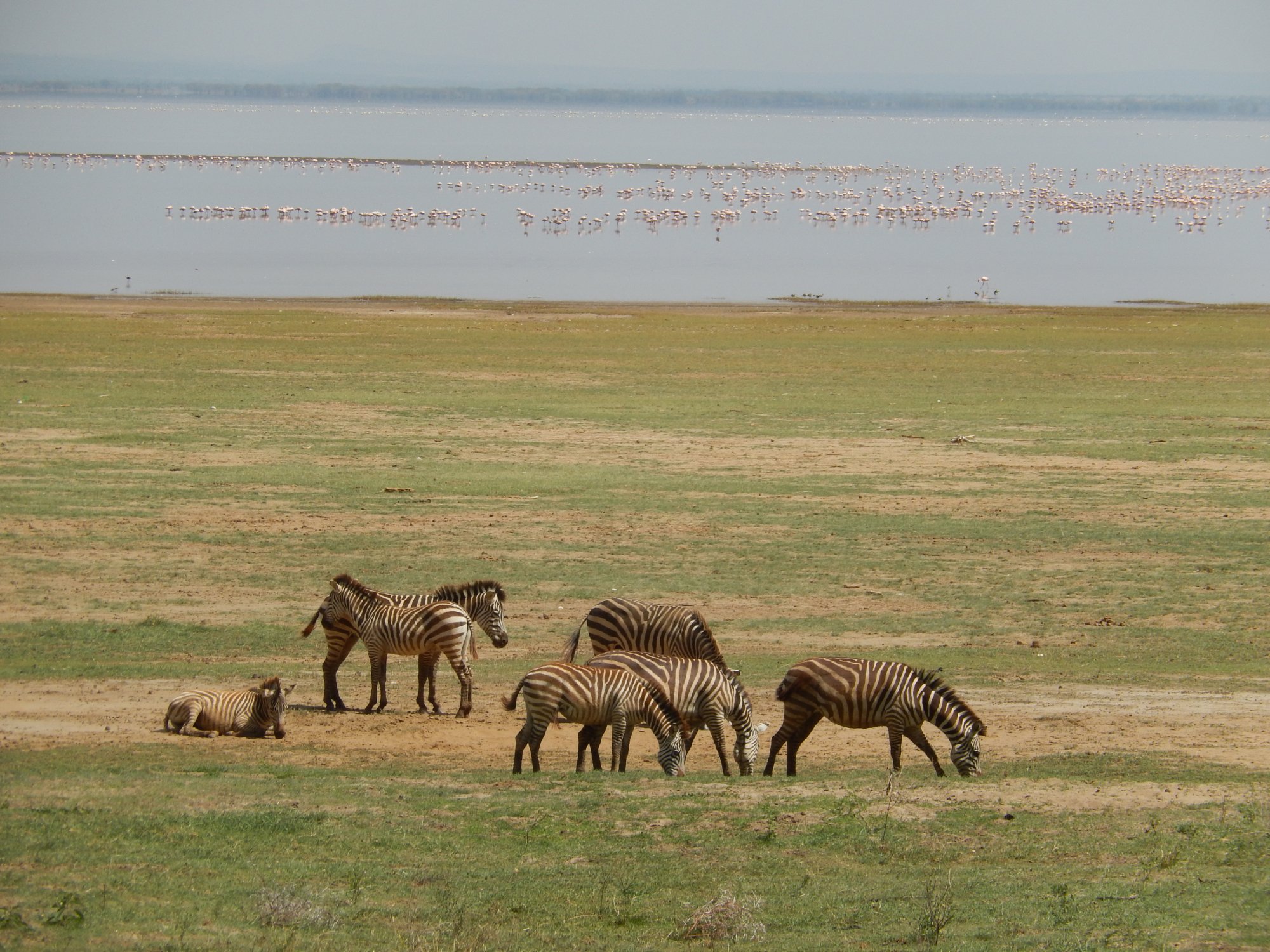
After breakfast you drive north to Lake Manyara National Park, below the Rift Valley escarpment, a trip of a couple of hours with the small town of Mto wa Mbu on the way. You enter with a picnic lunch and spend the day on a game drive through the park's mix of habitats. The groundwater forest near the gate holds baboons and blue monkeys, and the acacia woodland beyond is where lions occasionally climb into the trees. Along the lakeshore, flamingos and pelicans gather in the shallows when the water is right, backed by elephant, giraffe, and buffalo on the floodplain. The birdlife is exceptional. Toward evening you head to your lodge. Full-board. Overnight at a lodge near Lake Manyara or in the highlands.
You return to Lake Manyara for an early morning game drive while the air is cool and the animals are active, a good time to catch anything missed the day before, whether elephant families, tree-resting lions, or the flamingos on the lake. Your guide can focus the drive on your interests, from big game to birds and photography. Around midday you leave the park and begin the drive back to Arusha, stopping for lunch along the way, with the Rift Valley scenery unrolling as you go. You reach Arusha in the afternoon, where the trip ends with a transfer to Kilimanjaro International Airport or to your hotel for onward plans. Full-board through lunch. End of services.
The dry months from June to October are the strongest time, especially for Tarangire, when the river becomes the main water source and elephants and other game gather in great numbers along it. Lake Manyara is good year round, with the wetter green season boosting birdlife and flamingo flocks when water levels suit. The green months from November through the rains bring lower prices and fresh scenery, though wildlife is more spread out in Tarangire because water is widely available. For the classic elephant-herd experience, the dry season is the clear pick.
Tarangire is best known for large elephant herds, sometimes hundreds gathered near the river, set among giant baobab trees. You can also expect zebra, wildebeest, giraffe, buffalo, impala, and a good chance of lion, with over five hundred bird species recorded. Lake Manyara adds forest monkeys, elephant, giraffe, hippo, and the flamingos and pelicans of the lakeshore, plus the possibility of lions resting in trees. Between them the two parks give a broad cross-section of northern Tanzania's wildlife in a short trip, without the long drives of a full circuit. Tarangire is also strong for dry-country species such as fringe-eared oryx and gerenuk in places, while Manyara adds hippo pools and troops of baboons along the forest tracks.
Yes, for a focused first taste or a short add-on. Both parks are close to Arusha and to each other, so you spend more time watching wildlife and less time on the road than a longer circuit demands. Three days give you a full day in each park plus a final morning drive, which is enough to see the elephants of Tarangire and the varied habitats of Manyara at a comfortable pace. If you have more time and want to add Ngorongoro Crater or the Serengeti, we can extend the trip easily. Many travellers use these three days as a self-contained safari before or after a beach stay in Zanzibar, since the short length fits neatly around other plans.
The distances on this trip are modest by Tanzanian standards. Arusha to Tarangire is around two to three hours, Tarangire to Manyara is a couple of hours, and the return from Manyara to Arusha is similar. Roads are mostly good tarmac between the parks, with rougher tracks inside them. The 4x4 has a pop-up roof so everyone can stand for game viewing, and each traveller gets a window seat. Because the driving is short, the days are relaxed and there is little of the long-haul travel that longer safaris involve, which suits families and first-timers.
Yes. Both parks lie in areas with a malaria risk, so take antimalarial tablets and use repellent and long clothing at dawn and dusk. A yellow fever certificate may be required depending on your route into Tanzania, so check the current rules for your nationality. Keep routine vaccinations up to date, and many travellers add typhoid and hepatitis A. A travel clinic visit six to eight weeks before you leave is the best source of advice for your circumstances. Carry any personal medication in your hand luggage, as supplies near the parks are limited.
A private safari gives you your own vehicle and guide, so you set the pace and travel only with your own party, which is ideal for families, photographers, or anyone wanting flexibility. A shared group departure lowers the cost by splitting the vehicle among a small number of travellers and suits solo visitors and budget-minded couples. Both options follow the same route and parks, and group vehicles are capped so everyone keeps a window seat. Tell us your group size and preferences and we will recommend the best value option for you.
Even for three days, bring neutral-coloured layers, since mornings are cool and midday is hot. Include a fleece or light jacket, a hat, sunglasses, sunscreen, and comfortable closed shoes. Add binoculars, a camera with a zoom lens and spare batteries, and a small daypack for game drives. A refillable water bottle, lip balm, and a scarf against dust are all useful, along with insect repellent for the evenings. Soft bags are easiest to handle. Most lodges offer laundry if you need it, and do not forget any personal medicines you take.
Park fees and lodge rates rise in the busy dry season and over the festive period and fall in the quieter green months, so the same trip costs more at peak times. The standard of accommodation is the other main factor, from simple camps to full-comfort lodges, with a wide gap in price. Group size matters too, since a shared vehicle spreads the running cost while a private trip carries it alone. Because this is a short itinerary close to Arusha, the total stays lower than the longer circuits. Tarangire and Manyara also carry lower park fees than the Serengeti and Ngorongoro Crater, which keeps the overall cost down. We can adjust dates, lodges, and group arrangements to suit your budget.