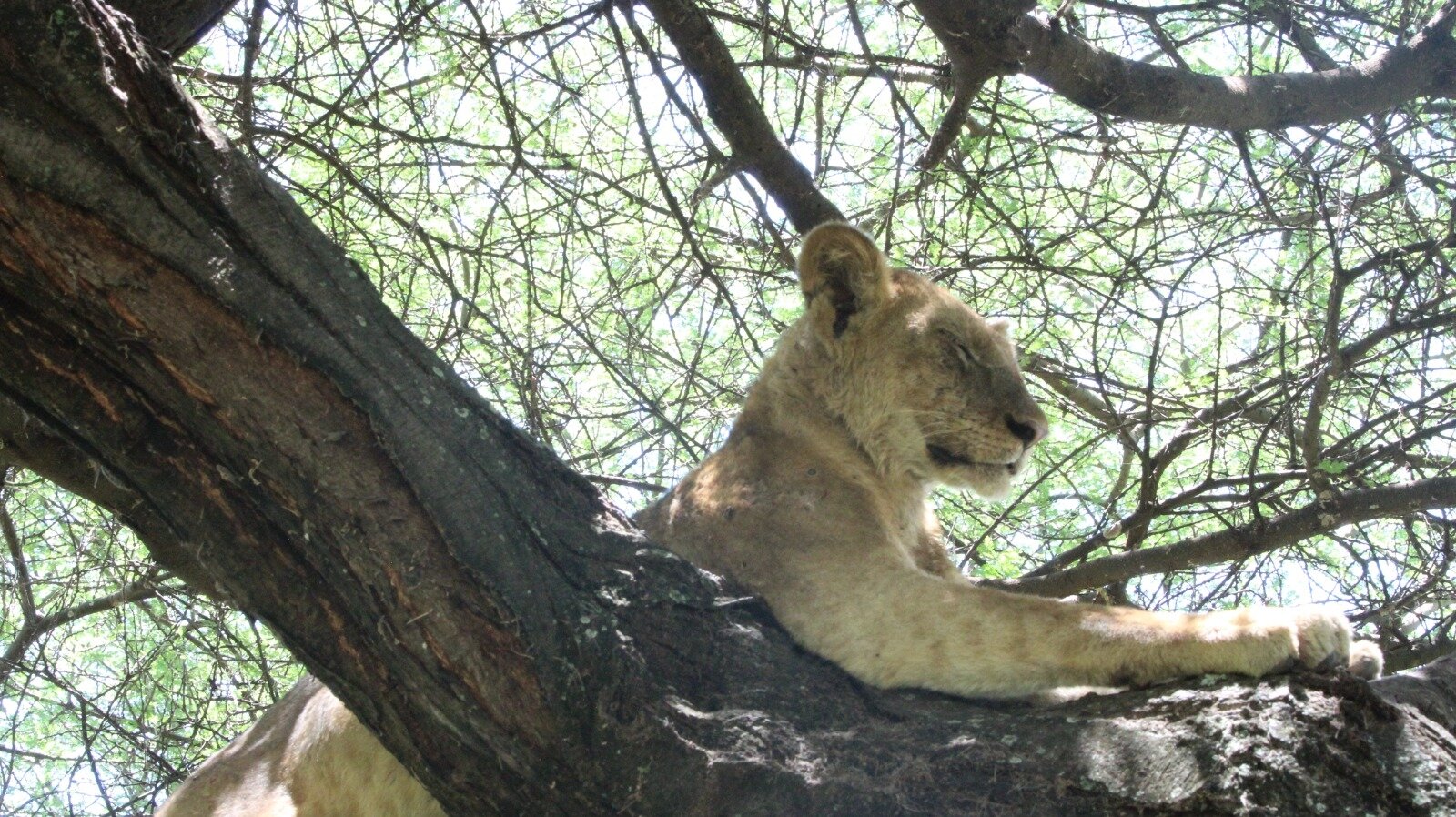
Lake Manyara’s tree climbing lions are prides that rest draped along acacia and fig branches, paws hanging, rather than lying in the grass as lions usually do. They are the park’s most talked about sight, drawing visitors hoping to photograph a lion where a leopard normally sits. The behaviour is real but less predictable than much travel writing suggests, so a sighting on any single game drive through this northern Tanzania park is never guaranteed.
This guide walks through what tree-climbing lions are, the trees they choose, where and when they tend to rest above the ground, how rare the habit is worldwide, and why even a well-planned safari cannot promise you a sighting. The aim is to set honest expectations while still giving you the best possible chance of seeing something special.
What Tree-climbing Lions Actually Are
There is no separate species or subspecies at play here. The lions of Lake Manyara are ordinary African lions that have picked up an unusual habit of resting in trees during the warmer parts of the day. On the ground they hunt, mate, raise cubs and defend territory like any other pride. The difference is simply how they spend their downtime. Instead of flopping in the shade of a bush, a Manyara lion will often haul itself up into the crook of a large tree and settle across a horizontal branch for hours.
Climbing itself is nothing special for a lion. Most lions can scramble up a low branch if they need to, and cubs do it in play. What sets a small number of prides apart is that they do it routinely, as part of daily life, rather than as a rare one-off. At Lake Manyara this habit appears to be passed down within prides, with cubs learning it from the adults around them. That social learning is part of why the behaviour stays concentrated in a few specific places rather than spreading everywhere lions live.
A quick reality check. Not every lion in the park climbs, and the ones that do are not up a tree at all hours. You are hoping to catch a specific animal in a specific mood during a specific window of the day. Treat a sighting as a bonus rather than a guarantee, and the whole park becomes more rewarding.
The Acacia and Sycamore Fig Trees They Choose
Lions are heavy, so the tree matters. A big male can weigh well over 180 kilograms, and that weight needs a branch that runs close to horizontal, sits low enough to reach, and is thick enough not to bend. Two trees at Lake Manyara suit this better than most. The flat-topped acacia, with its spreading limbs and sturdy forks, gives a lion a broad platform to balance on. The sycamore fig, a far larger tree with a wide trunk and heavy lateral branches, offers deep shade and room for more than one animal at once.
You will sometimes read that lions here also use candelabra trees and other species, and that can happen, but the acacia and the sycamore fig are the two you should train your eye on. Look for a low fork roughly two to six metres off the ground, a branch that runs sideways rather than up, and a shape in the canopy that does not quite match the leaves around it. A lion at rest can look a lot like a broken limb or a lump of bark until it shifts its head or lets a tail swing free.
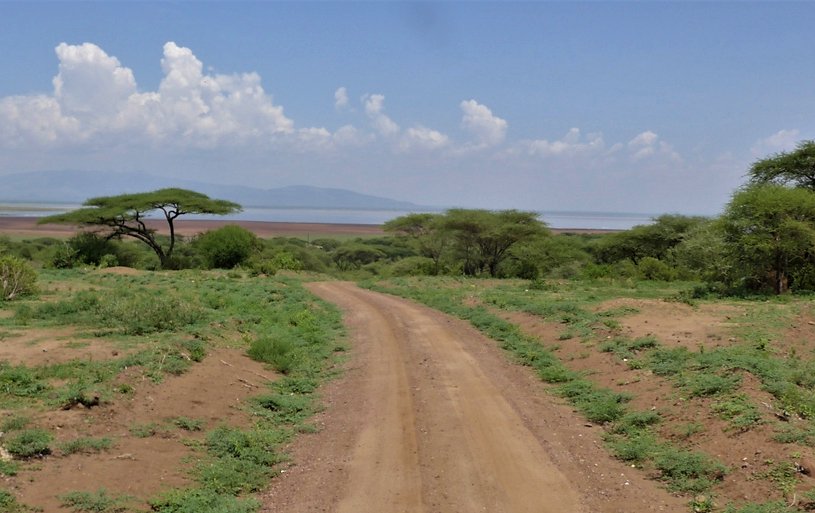
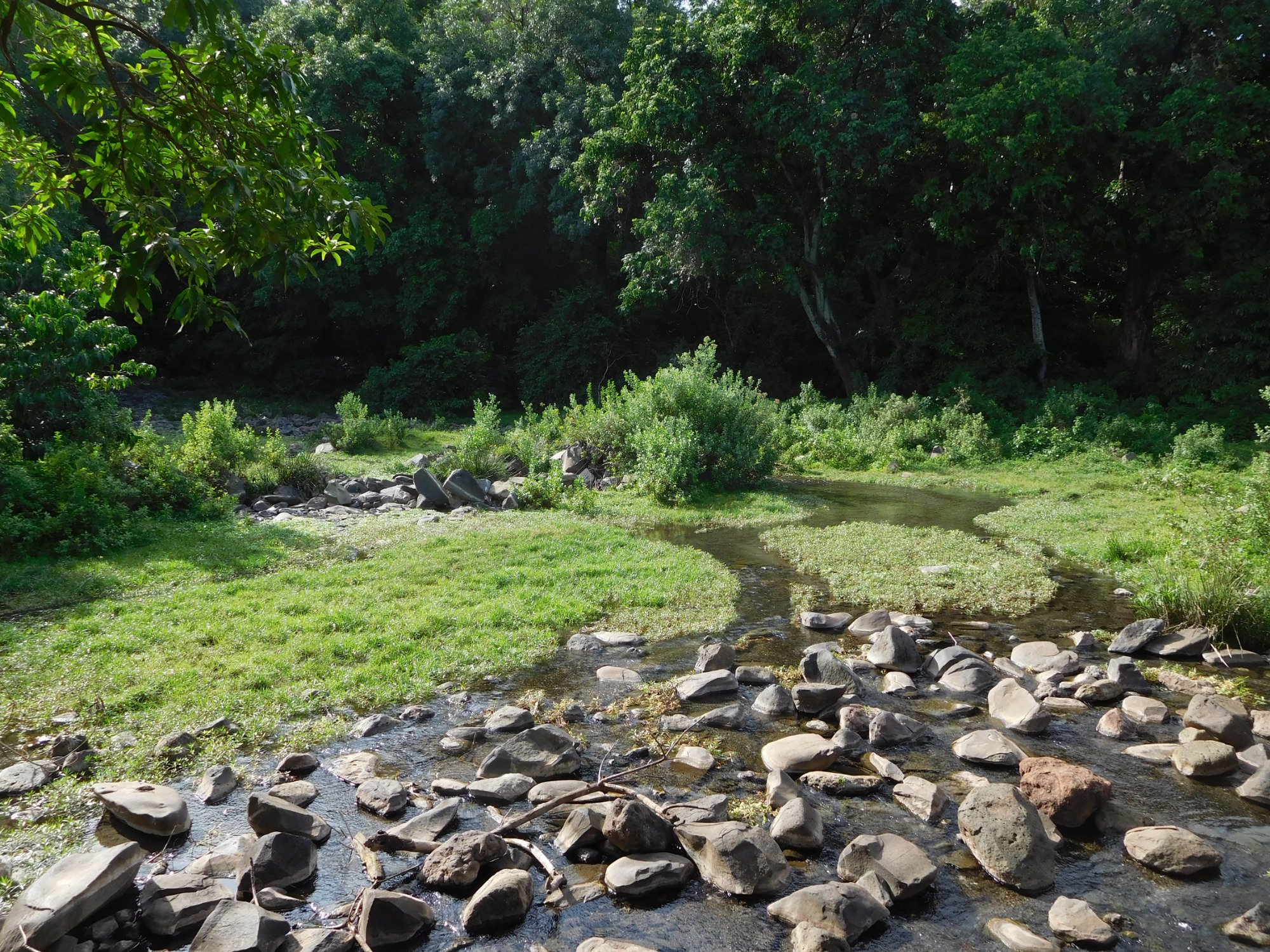
The park’s setting helps explain why these trees are here in the first place. Lake Manyara sits at the base of the Rift Valley escarpment, and a series of groundwater springs keeps the ground wet for much of the year. That moisture supports a belt of tall groundwater forest and scattered large trees that a drier savannah would not sustain, which in turn gives the lions the sturdy branches they need. If you want the fuller ecological explanation, this piece on why the lions climb trees goes deeper into the competing theories.
Why Lions Climb Trees at Lake Manyara
No single explanation has been proven, and researchers tend to list several possible reasons that may work together rather than one clean answer. The most commonly cited ideas are worth understanding, because they also tell you when a lion is most likely to be up a tree.
Relief from biting insects. The damp ground around the springs and the lake edge breeds tsetse flies, stable flies and other biting insects that torment an animal lying in the grass. A few metres up, in a light breeze, the pressure eases. This is one of the more widely accepted explanations.
Escaping the heat. Ground level in the middle of the day is hot and still. Higher up, moving air passes over a lion’s body and helps it shed heat. A branch in dappled shade can be several degrees more comfortable than the baked earth below.
A better vantage point. From a branch a lion can watch herds of buffalo, wildebeest and impala across a wide area, and keep an eye on where other predators and scavengers are moving. Whether the lions climb for this reason or simply enjoy the view is hard to prove, but the sightline is real.
Notice that all three reasons point to the same time of day. When it is hot, buggy and bright, roughly late morning through mid-afternoon, a lion has the most to gain from being up a tree. In cold or rainy weather the incentives fade, and Manyara lions behave much like lions anywhere, resting on the ground. That single fact shapes the timing of your whole search.
Where to Find Them on a Game Drive
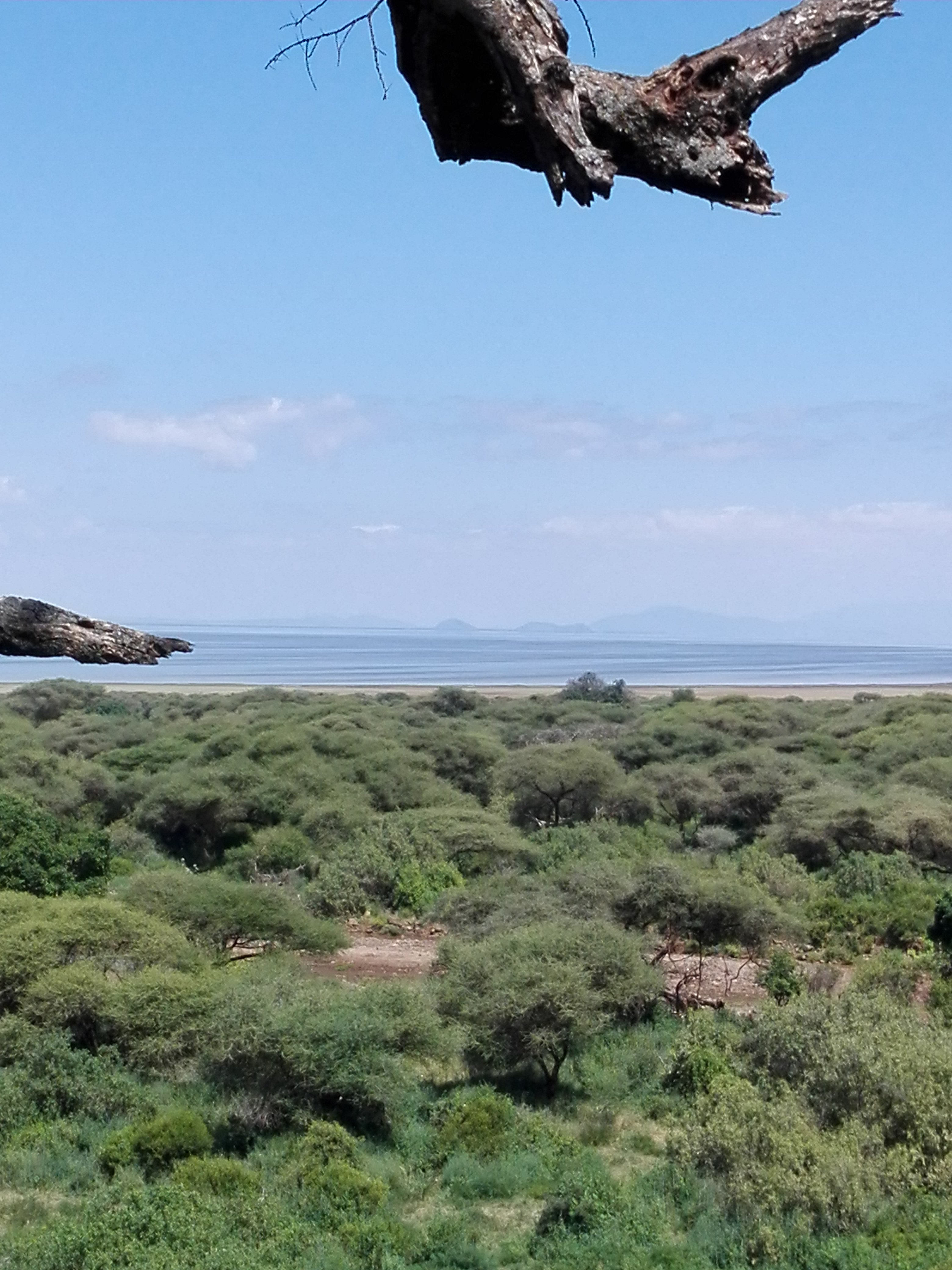
The park is long and narrow, pinned between the escarpment and the lake, and the main track runs roughly north to south through changing habitat. The northern groundwater forest is dense and shady, good for elephants and blue monkeys but harder for spotting a resting lion in a tree. As you move south the country opens into acacia woodland and grassy floodplain near the lake, and this is where the tree-climbing sightings are more often reported.
The southern acacia belt and the areas near the lake edge, with their scattered large trees and open lines of sight, tend to be the most productive ground. A good guide will slow down here and scan the mid-level branches methodically, tree by tree, rather than driving through at speed. Because the lions rely on the same favoured trees repeatedly, guides who work the park daily often know which individuals have been resting where, and radio word travels between vehicles when a lion is found.
Lions are only one part of the picture, of course. The same drive routinely turns up large elephant herds, hippos, giraffe, zebra, baboons and an exceptional range of birds along the lake. If you want a sense of the wider cast, this overview of the animals in Lake Manyara sets the lions in context, and a dedicated predator guide covers the leopards, hyenas and smaller hunters you might also come across.
You are hoping to catch one specific animal, in one specific tree, during one specific window of the day. That is what makes a sighting feel earned.
The Best Time for Wildlife Viewing and Lion Sightings
Timing works on two scales, the season and the hour, and both matter for tree-climbing lions.
On the seasonal scale, the dry months from June to October are generally the strongest for game viewing across the park. Grass is shorter, water is concentrated, and animals gather where they are easier to see. The dry heat also gives the lions more reason to seek out a breezy branch. The green season from November through May brings dramatic scenery and superb birding, but taller grass and cooler, wetter spells can push the lions back down to the ground and make any big cat harder to pick out.
On the daily scale, the middle of a hot, bright day is when a lion is most likely to be resting above the ground, which runs against the usual safari advice to focus on dawn and dusk. Early morning and late afternoon are still the best hours for general activity and for seeing lions on the move, hunting or walking, but if a tree sighting is your specific goal, do not write off the warm hours in between. Many visitors find the ideal plan is a long drive that spans both, so you catch the cool active periods and the hot resting period in one outing. For a fuller breakdown of seasons and hours across all the wildlife, see this guide to the best time for wildlife viewing.
How Rare Is Tree-climbing Behaviour
This is where honest framing matters most. Routine tree-climbing by lions, as a settled daily habit rather than an occasional stunt, is documented in only a couple of populations worldwide. One is here at Lake Manyara in Tanzania. The other, the most famous, is in the Ishasha sector of Queen Elizabeth National Park in Uganda, where lions are seen lounging in big fig trees on an almost daily basis.
It is worth being clear about the difference between the two. In Ishasha the behaviour is close to a daily routine, and whole prides are regularly found in the same well-known trees, which makes it a fairly reliable draw. At Lake Manyara the habit is more occasional and more seasonal. You are less likely to find an entire pride arranged across the branches, and more likely to come across a single lion or a pair on a good day. Both places are genuine, but Manyara asks for more patience and a bit more luck.
Because the habit is confined to so few places, it remains one of the more unusual things you can watch a lion do. That rarity is exactly why it draws attention, and also why no responsible guide will promise it to you in advance.
How a Game Drive Works to Find Them
A typical outing runs in an open-sided four-wheel-drive safari vehicle with a raised roof for viewing and photography. Your guide handles both the driving and the spotting, and their local knowledge is the single biggest factor in what you see. The rhythm of a search for tree-climbing lions is slower and more deliberate than a general game drive. Rather than covering ground quickly to tick off species, the vehicle works through the acacia and fig belt at a crawl, with the guide scanning each promising tree for an out-of-place shape.
Communication between vehicles plays a real part. When one guide locates a lion in a tree, word usually spreads, and other cars converge on the spot. This is efficient for sightings but can mean several vehicles gathering at a single tree, so patience and courtesy help everyone get a clear view. Once a lion is found, the payoff is unusually good for photography, because an animal on a branch is up at eye level, framed against the canopy and sky rather than hidden in long grass.
Some operators also offer a night game drive at Lake Manyara, using a spotlight to find nocturnal animals. Lions are far more active after dark, so night drives are excellent for seeing them hunting and moving, though this is a different experience from the daytime tree sightings and the two should not be confused. Whichever drive you choose, keep noise down, follow your guide’s lead on how close to approach, and stay inside the vehicle at all times.
Make the most of the search. Bring binoculars, since a lion can be tucked high in a fig where the naked eye misses it. Ask your guide directly what has been seen in recent days and let them set the pace. Keep your camera ready during the hot midday hours, not just at dawn. And treat any sighting as a gift rather than a booking, so the rest of the park’s wildlife still feels like a full day out.
Setting Honest Expectations
4-Day Ngorongoro, Tarangire & Lake Manyara Explorer
7-Day Serengeti, Ngorongoro, Tarangire & Manyara Safari
5 Days Lake Manyara, Tarangire & Ngorongoro
It is worth saying plainly that many visitors spend a full day in Lake Manyara and do not see a lion in a tree. Some do not see lions at all, since the park’s lion density is not high and the animals range over a large, partly forested area. This is not a failing of the park or the guide. Wild animals are not staged, and the unpredictability is part of what makes a real sighting worth having.
If a guaranteed lion photograph is the only thing that would make your trip a success, you may set yourself up for disappointment. If instead you come for a varied park with elephants, hippos, giraffe, superb birdlife and the standing chance of that one extraordinary lion in a tree, you are far more likely to leave satisfied. Manage the expectation, give yourself enough time, lean on a knowledgeable guide, and let the park surprise you rather than perform for you.
Frequently Asked Questions
Are you guaranteed to see tree-climbing lions at Lake Manyara?
No. Sightings are never guaranteed. The behaviour is occasional and seasonal at Lake Manyara, lion density is not high, and the park is large and partly forested. A good guide raises your chances, but many visitors leave without a tree sighting, and some without seeing lions at all. Come for the whole park and treat a tree sighting as a bonus.
What time of day are the lions most likely to be in the trees?
Usually the hotter, brighter part of the day, roughly late morning to mid-afternoon, when a breezy branch offers relief from heat and biting insects. This is different from the dawn and dusk timing that suits most game viewing, so a long drive spanning both the cool active hours and the hot resting hours gives you the best overall odds.
Which trees should I watch for?
Focus on large acacia trees with sturdy horizontal forks and on the much bigger sycamore figs, which offer wide branches and deep shade. Look for a low fork a few metres up and a shape that does not match the surrounding leaves. A resting lion can look like a broken branch until it moves its head or lets a tail hang down.
How does Lake Manyara compare with Ishasha in Uganda?
Ishasha, in Queen Elizabeth National Park, is the more reliable of the two known tree-climbing lion populations, with prides seen in the same fig trees almost daily. At Lake Manyara the habit is more occasional and seasonal, and you are more likely to find one or two lions than a whole pride. Both are genuine, but Manyara asks for more patience.
What does a game drive to find them cost?
Costs vary widely with group size, vehicle, season and whether park fees, a guide and transfers are bundled in. As a rough guide, a shared day game drive in a safari vehicle often runs in the region of about 150 to 250 US dollars per person including park entry, while a private vehicle or a specialist night game drive costs more. Always confirm exactly what park fees, guiding and taxes are included before you book.
Is a night game drive better for seeing lions?
Night drives are excellent for seeing lions active, hunting and moving, because lions are naturally more mobile after dark. They are not, though, the way you see the tree-climbing behaviour, which happens in daylight hours. Think of a night drive as a separate experience for general predator activity rather than a substitute for the daytime tree sightings.