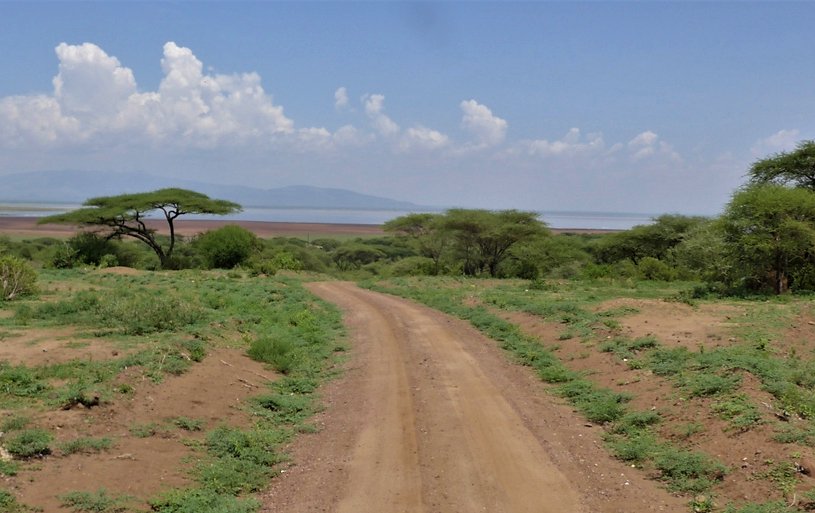
No, you cannot see the full Big Five at Lake Manyara National Park, because rhino were lost here long ago and never returned. The park holds four of the five: lion, elephant, buffalo and leopard, with lions and elephants the most reliable on a game drive. Lake Manyara is a compact park in northern Tanzania between the Rift Valley escarpment and an alkaline lake, so plan a wider circuit if a rhino sighting matters.
That does not make Manyara a lesser stop. It is a compact, green, water-rich park that packs a lot of wildlife into a narrow strip between the Rift Valley wall and the alkaline lake. What follows is a realistic look at each member of the Big Five here, how likely you are to see it, and how a short drive to nearby Ngorongoro Crater lets you complete the set on the same northern circuit trip.
The plain truth up front: Lake Manyara gives you a strong four out of five. To see a rhino and finish the Big Five, you pair Manyara with Ngorongoro Crater, which sits about an hour and a half up the road.
What Are the Big Five on Safari?
The term Big Five comes from old hunting language and describes the five animals that were once considered the hardest and most dangerous to hunt on foot: lion, African elephant, Cape buffalo, leopard, and rhinoceros. The phrase stuck long after the guns fell silent, and today it is the checklist most first-time safari travelers carry in their heads.
It is worth saying that the Big Five is a marketing and heritage term, not a measure of how good a park is. Plenty of superb wildlife viewing has nothing to do with these five species. Still, the checklist shapes how people plan a trip, so it makes sense to be clear about what a Lake Manyara game drive can and cannot deliver.
Lions: The Famous Tree Climbers
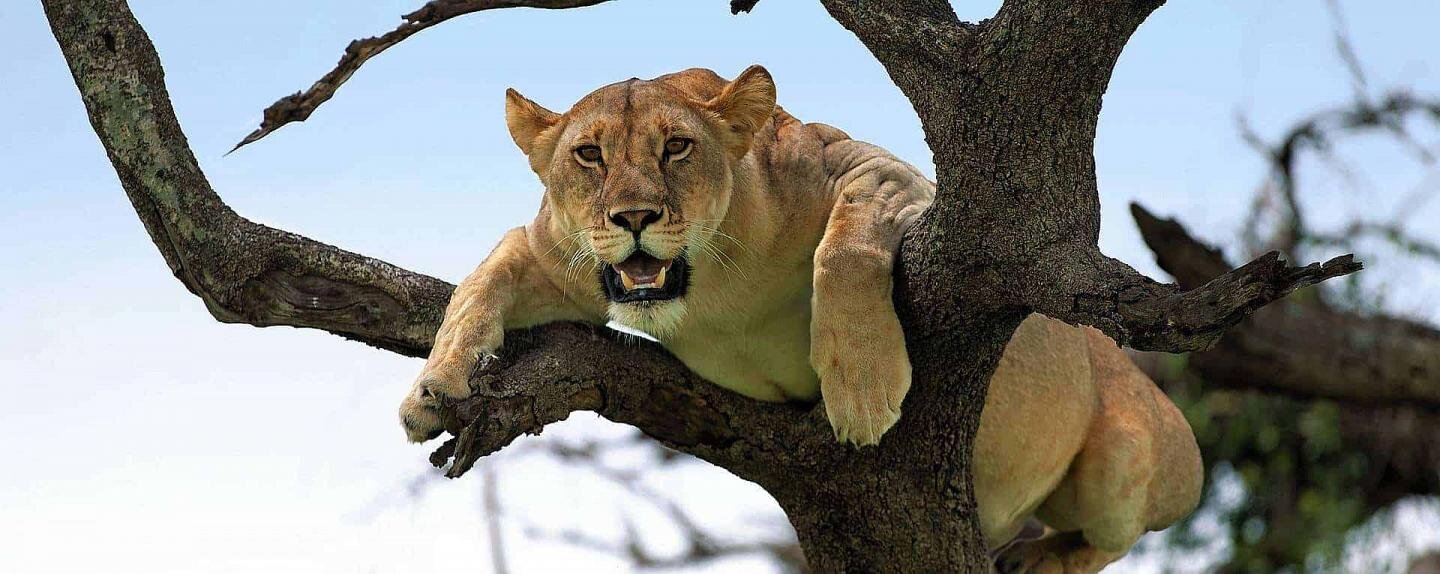
Lake Manyara built its reputation on lions that rest in trees. In most of Africa lions lie in the grass or under a bush during the heat of the day. Here they climb into the broad limbs of acacia and sausage trees and drape themselves over the branches. Guides and biologists have offered a few reasons: the branches catch a cooler breeze, they lift the cats above the biting flies that swarm near the ground, and they give a wider view across the woodland toward prey. The full reason is still debated, which is part of what makes the sight interesting.
Be honest with yourself about the odds. The tree-climbing lions are the park’s signature, but they are not on show every day. Lions here move across a large area, the pride numbers are not huge, and you need the animals, the right tree, and daylight to line up. Some visitors get a picture-perfect lion sprawled along a branch. Others drive through and see no lions at all. Treat a tree lion as a lucky bonus rather than a guarantee, and you will not be disappointed. Your guide will know the trees the pride tends to favor and will check them on the game drive.
Elephants of the Groundwater Forest
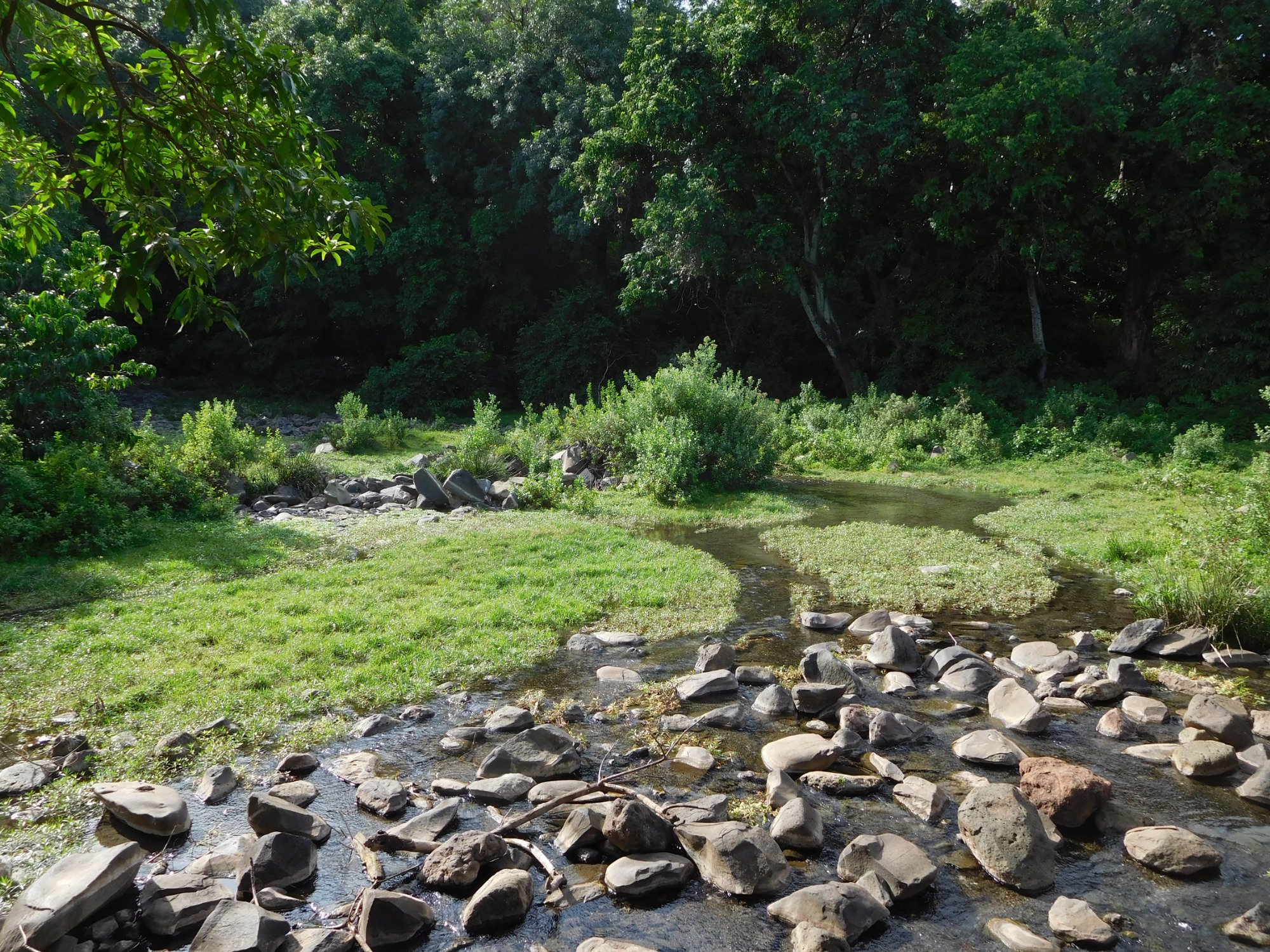
Elephants are the animal you are most likely to see well at Manyara, and they are one of the reasons the park exists. The entrance opens into a dense groundwater forest fed by springs that seep out at the base of the Rift wall. This forest stays green even in the dry months, and the elephants of Lake Manyara move through it in family groups, often close to the track.
Because the forest is tight and shaded, sightings here feel different from the wide-open elephant views you get on the plains. You come around a bend and there is a breeding herd feeding among the fig and tamarind trees, sometimes only a few meters from the vehicle. Big bulls with heavy tusks turn up too. Elephants are the safest bet on your Big Five list at this park, and the forest setting makes them one of the most memorable parts of a Manyara game drive.
Buffalo on the Floodplain and Grassland
Cape buffalo are common and easy to find at Lake Manyara. The open grassland and the floodplain near the lake hold large herds, and they mix with zebra, wildebeest, and impala on the same stretches of short grass. A herd of a few hundred buffalo grazing near the shoreline is a normal sight rather than a rare one.
The buffalo here are relaxed enough to watch at length, which is a good chance to notice the details: the heavy boss of horn across the forehead, the oxpecker birds riding on their backs, the old solitary bulls that split from the herd. Along with elephants, buffalo make the second member of the Big Five you can count on seeing on almost any full game drive.
Leopards: Present but Hard to See
Leopards live at Lake Manyara, and the escarpment forest and the wooded areas give them good cover. That cover is exactly why you probably will not see one. Leopards are solitary, mostly active at night, and expert at staying hidden. The thick vegetation that makes the park beautiful also swallows a spotted cat within a few meters.
If you want a chance at the leopards here, look up into the trees, since they like to rest along a horizontal branch with their legs and tail hanging down. Early morning and late afternoon give you slightly better odds. Even so, be realistic: many regular visitors and even some guides go long stretches without a clear leopard sighting at Manyara. Count a leopard as a genuine piece of luck, not part of the plan. This is the member of the four present species that most often stays off the list at the end of a day.
Elephant and buffalo are near certain, lion is likely with luck, leopard is a bonus, and rhino simply is not here.
Why the Rhino Is Missing at Lake Manyara
Here is the part many trip planners miss. Lake Manyara once carried a healthy population of black rhino. Heavy poaching through the 1970s and 1980s stripped them out, and by the mid 1990s there were no rhino left in the park. That is a local extinction: the species that belonged here was hunted away and did not recover on its own.
Because there is no established, free-roaming rhino population at Manyara today, you should not plan on seeing one during a normal game drive. This is the single reason the full Big Five cannot be completed inside Lake Manyara National Park. Any tour that promises all five species at Manyara alone is overselling what the park holds. It is better to know this before you arrive so you plan the rest of your route around it.
Set expectations honestly: at Lake Manyara aim for four of the Big Five. Bank the elephant and buffalo, hope for a lion in a tree, treat a leopard as a gift, and plan to find your rhino elsewhere on the circuit.
Completing the Big Five at Ngorongoro Crater
The good news is that the missing rhino is close. Lake Manyara sits on Tanzania’s northern safari circuit alongside Tarangire, the Serengeti, and the Ngorongoro Conservation Area. From the Manyara gate it is roughly an hour and a half up the escarpment road to the rim of Ngorongoro Crater, which makes the two an easy pairing.
Ngorongoro Crater is one of the few places in Africa where you can realistically see all five members of the Big Five in a single day, sometimes in a single game drive. The crater floor is a compact, enclosed grassland ringed by high walls, so the animals stay concentrated. Most important for your checklist, the crater holds a small resident population of black rhino, protected and monitored, and it is one of the most dependable places on the continent to see a wild rhino. They are often distant specks on the open floor, so bring binoculars, but the sighting is genuinely possible here in a way it is not at Manyara.
Put the two parks together and the picture is clear. Lake Manyara gives you elephants in the forest, buffalo on the floodplain, a shot at tree-climbing lions, and an outside chance at a leopard. Ngorongoro adds the rhino, and usually gives you a second look at lion, elephant, and buffalo on its floor as well. That combination is how most travelers actually complete the Big Five on a short northern circuit trip.
Making the Most of a Lake Manyara Game Drive
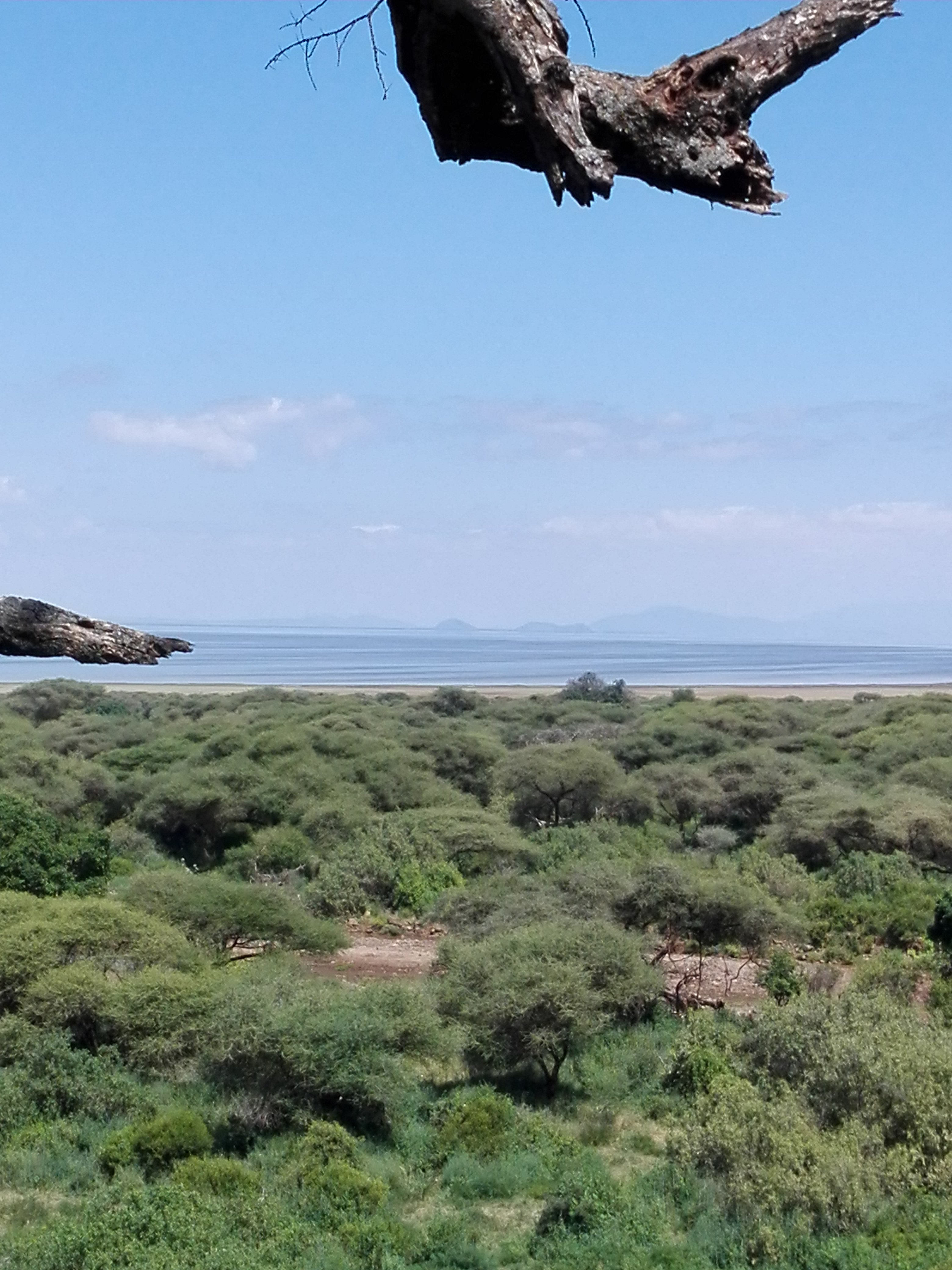
Even without the rhino, Manyara rewards a careful drive. The park is long and thin, running along the lakeshore, and it changes character as you go: groundwater forest at the entrance, then open woodland, then grassland and the alkaline flats near the water. Each zone holds different wildlife, so a slow drive through all of them shows you far more than a rushed pass.
The dry season, roughly June to October, thins the vegetation and pulls animals toward the remaining water, which makes for the strongest big-mammal viewing and the best chance at your four resident Big Five species. The wet months turn the park green and bring in huge numbers of birds, including flamingos on the lake when conditions suit them, though the thicker growth makes cats even harder to spot. Beyond the Big Five, the park is well known for large baboon troops, blue monkeys, hippos, giraffe, and a bird list running past 400 species, so there is plenty to fill a game drive between the headline animals. If you want the wider picture of what shares this habitat, it helps to read up on the full range of animals in Lake Manyara before you go.
Go in expecting a rich, green, water-fed park with four of the Big Five and a strong supporting cast, and plan Ngorongoro as the place that completes the set. That is the honest way to answer the question at the top of this page.
Frequently Asked Questions
Can you see all of the Big Five at Lake Manyara National Park?
No. Lake Manyara holds four of the Big Five: lion, elephant, buffalo, and leopard. Rhino are absent because they were poached out of the park decades ago and never returned as a resident population. To complete the full Big Five you need to add another park, most easily Ngorongoro Crater.
Why are there no rhinos at Lake Manyara?
Lake Manyara once had a solid black rhino population, but heavy poaching through the 1970s and 1980s wiped them out, and none were left by the mid 1990s. This is a local extinction. There is no established free-roaming rhino population to see on a normal game drive today, which is why the Big Five cannot be completed at Manyara alone.
Where can I see a rhino to complete the Big Five near Lake Manyara?
Ngorongoro Crater is the answer for most travelers. It sits about an hour and a half from the Manyara gate on the same northern circuit and holds a protected resident population of black rhino. It is one of the most reliable places in Africa to see a wild rhino, so pairing the two parks lets you finish all five species.
Are the tree-climbing lions guaranteed at Lake Manyara?
No, they are a lucky sighting rather than a sure thing. The lions here do rest in trees, but they range across a large area and are not present on every drive. Some visitors get an excellent view of a lion draped over a branch and others see no lions at all. Your guide will check the trees the pride tends to use.
Which Big Five animals are easiest to see at Lake Manyara?
Elephant and buffalo are the near-certain sightings. Elephants move through the groundwater forest right by the track, and large buffalo herds graze the floodplain and grassland near the lake. Lion is likely with some luck, leopard is a genuine bonus because of the thick cover, and rhino is not present at all.
How much does a Lake Manyara safari cost?
Costs vary with the operator, group size, vehicle, and whether the park is a day trip or part of a longer circuit. Budget the park entry fee per adult per day, plus your share of the guide, vehicle, and fuel, and more if you stay in nearby lodges. Because Manyara is often combined with Ngorongoro and Tarangire, most people price it as one leg of a multi-park northern circuit rather than a standalone trip. Get a written quote from your operator that lists park fees separately so you can see exactly what is included.