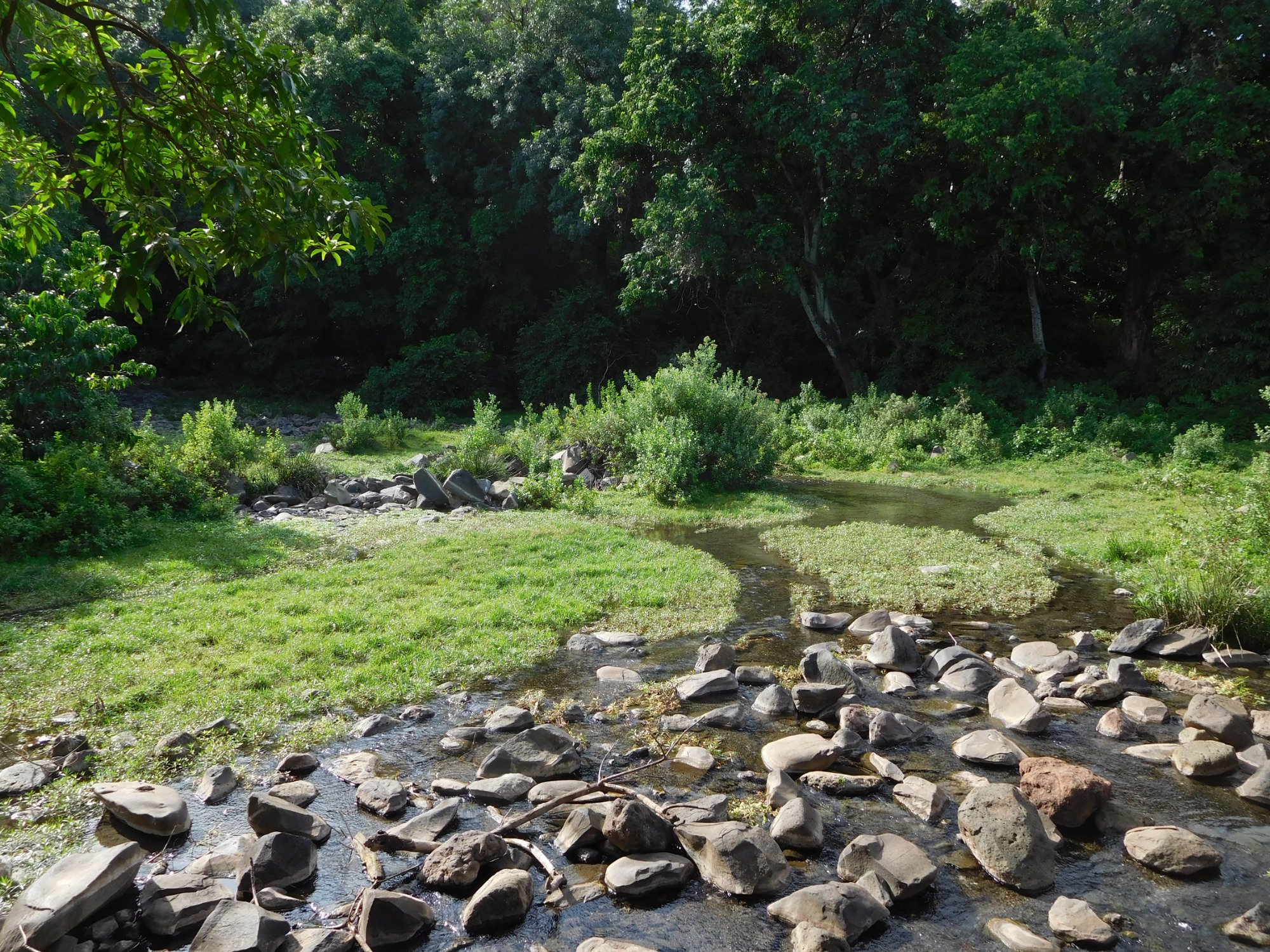
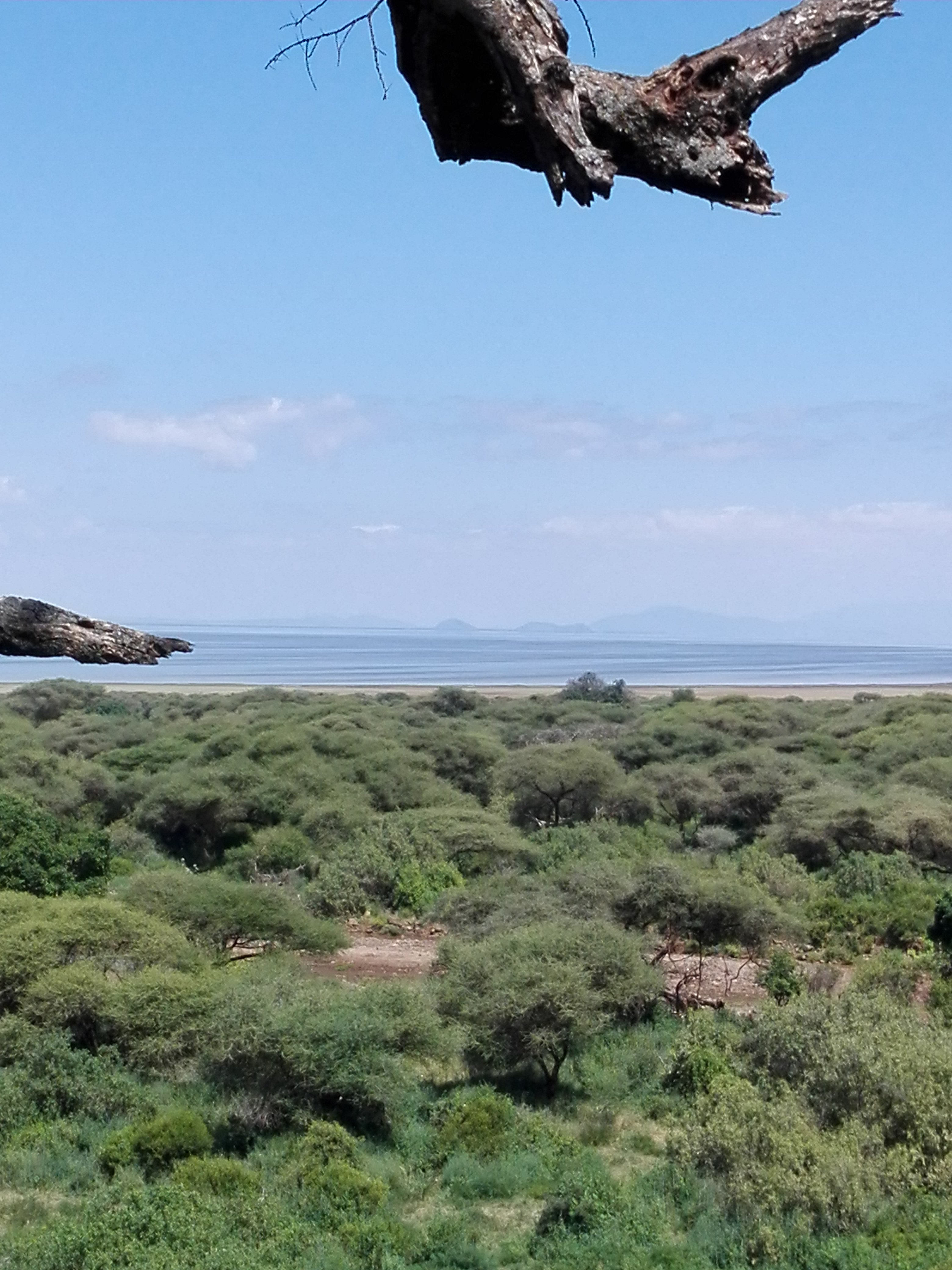
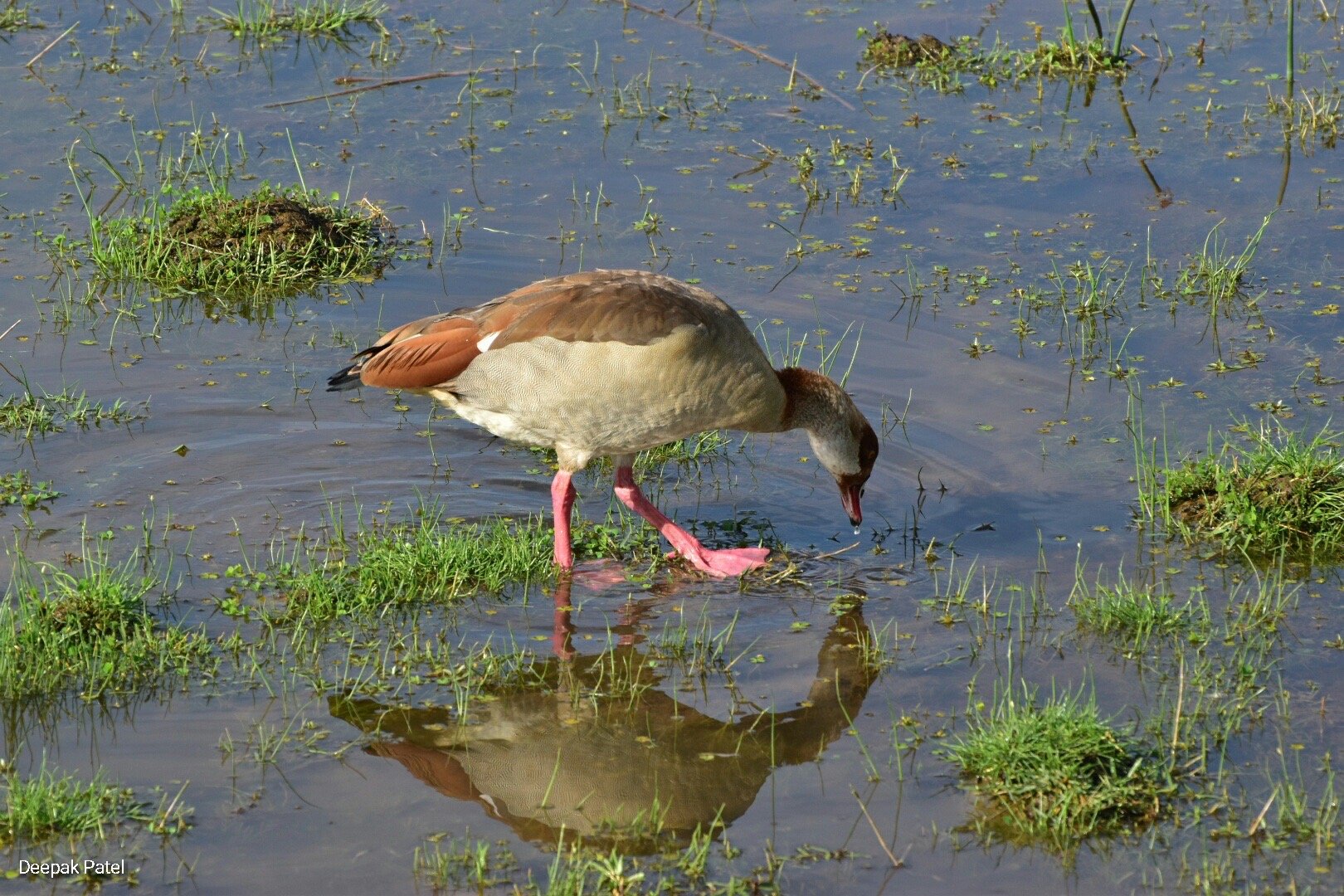
Lake Manyara National Park stacks several habitats into roughly 330 square kilometres at the foot of the Great Rift Valley. Just past the main gate lies its groundwater forest, a tall, damp woodland kept green year round by springs from the escarpment. Within a short drive this shades into acacia woodland, floodplain grassland, and the alkaline lake edge. Each zone holds different wildlife. Reading how the forest and other habitats fit together explains what you see on a game drive.
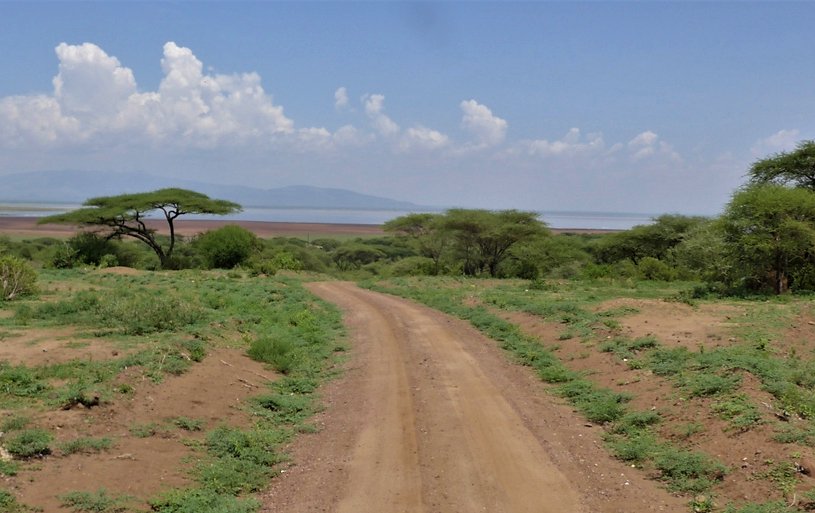
The park sits in a long, narrow strip between the sheer wall of the rift escarpment to the west and the shallow soda lake to the east. That geography is the reason the habitats line up in bands. Water that falls on the highlands above sinks into the rock, travels underground, and reappears at the base of the cliff as springs. From there it works its way downhill toward the lake, and the plants sort themselves out according to how much of that water they can reach. The result is a compact mosaic that rewards slow, attentive driving. For a wider look at how these pieces connect, this ecosystem guide lays out the full picture.
The Groundwater Forest at the Base of the Escarpment
The forest near the gate feels almost tropical, and that impression is earned. Sweet fresh water seeps out of the Rift Valley wall into rivulets and small streams, keeping the soil moist all year. Because the trees draw on this underground supply rather than on seasonal rain, they stay green through the long dry stretches when the surrounding country turns brown and dusty. This is what makes a groundwater forest different from ordinary rainforest. Its life depends on springs and seepage from the escarpment, not on clouds.
The canopy here is tall and layered. Mahogany, fig and tamarind trees form the upper storey, some reaching twenty to thirty metres, their crowns closing into a shaded ceiling. Giant sycamore figs spread wide limbs over the streams, and evergreen mahoganies hold the highest branches. Below them grow smaller trees recorded by botanists in the park, including broad leaved croton, the quinine tree, and the forest toad tree, along with Trichilia species that dominate much of the understorey. More than 670 flowering plants and ferns have been logged across the park, and a large share of that diversity is packed into these shaded groves.
Slow right down in the first few minutes past the gate. The forest is easy to rush through on the way to the lake, but early morning light filtering through the fig canopy is when the primates and forest birds are most active. Roll the windows down and listen as much as look.
The forest is the coolest, dampest part of any Lake Manyara safari, and its shade supports a community of wildlife you will not find out on the open ground. This is where the habitat mix begins to show why the park is special. Within a single morning drive you can move from this humid green tunnel to sunbaked grassland, and the animals change with it.
Forest Wildlife: Primates, Elephants and Birds
The groundwater forest is the best place in the park for primates. Lake Manyara is famous for holding some of the largest baboon troops recorded anywhere in Africa, and the olive baboons here gather in impressive numbers along the forest floor and roadside. Sharing the same trees are blue monkeys, shy and quick, slipping between the mahogany branches. The park is one of the few stops on the northern Tanzania circuit where blue monkeys are reliably seen, and spotting one high in the canopy is a small reward for patience. Vervet monkeys and bushbuck round out the forest mammals, the bushbuck stepping carefully through the deep shade at the edges.
The elephants of the park also love this zone. They move through the forest to feed on tamarind, acacia bark and figs, and it is common to find a family group browsing quietly among the trees close to the gate. Watching an elephant reach up to strip figs from a low branch, framed by that towering canopy, is one of the classic Manyara sights.
Overhead, the forest carries a busy bird life. Silvery cheeked hornbills are a signature species, their heavy bills and loud calls giving them away in the high canopy. They have even been seen picking freshwater crabs from the groundwater streams. Other forest birds recorded here include the crowned eagle, the Narina trogon, and the white starred robin, along with the black and white casqued hornbill. The dense cover, the year round moisture and the fruiting figs together make this a rich pocket of habitat for anyone interested in the smaller creatures as much as the big game. To see how forest species overlap with the rest of the park, this rundown of animals in Lake Manyara is a good companion.
Acacia Woodland and the Tree Climbing Lions
Past the forest the ground opens and dries. Most of the land between the lakeshore and the rift wall is acacia woodland, a more open country of scattered trees over pale star grass. The flat topped umbrella acacia is the classic tree of this zone, spreading its thin canopy like a parasol over the grass below. A narrow band of especially dense acacia grows right at the base of the cliff, rooted in the loose material washed down the rock face over the ages.
This woodland is the stage for one of the park’s best known sights. Lake Manyara is celebrated for its tree climbing lions, which drape themselves along the sturdy limbs of acacia and sycamore fig trees during the heat of the day. Nobody is certain why they do it, though the usual explanations point to escaping biting insects, catching a cooling breeze, and staying off wet or muddy ground. Whatever the reason, finding a lioness stretched along a high branch is a quiet thrill.
In the space of one morning you can drive from a dripping green forest to a sunlit acacia grove with a lion asleep in the branches above you.
The acacia zone also holds the park’s greatest concentration of large mammals. Giraffes browse the taller acacias, leopards use the same trees as the lions, and Lake Manyara can claim one of the densest elephant populations in East Africa. Impala and other antelope work the grass between the trees, and the mix of cover and open ground makes this some of the most productive game viewing country in the park.
Floodplain Grassland Between Forest and Lake
Where the woodland thins toward the water it gives way to floodplain grassland, an open sweep of short grass that floods and dries with the seasons. This is roughly a half hour drive from the gate, and it feels like a different world after the enclosed forest. The wide grass plains draw grazers into the open, and this is where you are most likely to see buffalo, wildebeest and giraffe out on the flats and along the fringes.
The floodplain is a transition zone, neither forest nor lake, and it borrows wildlife from both. Elephants cross it between the trees and the water. Herds of zebra and antelope spread across the short grass. The openness makes it excellent for photography, with the escarpment rising as a backdrop behind the grazing animals. Because the grass is fed partly by water moving down from the springs and partly by the rise and fall of the lake, its condition shifts through the year, which in turn changes where the herds gather.
The Alkaline Lakeshore and Its Birds
At the eastern edge lies the reason the park has its name. Lake Manyara is a shallow, alkaline soda lake that swells and shrinks with the rains, sometimes covering a large share of the park and sometimes drawing back to a glinting margin of mud and salt. Its chemistry is rich in the tiny cyanobacteria and algae that flamingos feed on, which is why the shoreline is one of the important flamingo gathering points along the Rift Valley.
In the wet season, from about November to April, great numbers of greater and lesser flamingos crowd the shallows, and at peak times the water’s edge turns a deep pink with feeding birds. They are only part of the show. The lake and its fringing swamps make Lake Manyara one of the finest birding parks in Tanzania, with more than 400 species recorded across all its habitats. The shoreline and floodplains hold pink backed pelicans, yellow billed storks, marabou storks, grey herons, spoonbills, egrets, Abdim’s storks and a long list of waders and water thick knees. Pelicans and storks breed here in large colonies, and the mix of open water, mud and reed keeps the birding lively no matter the season.
How Spring Water Keeps the Forest Green Year Round
The single feature that ties the whole park together is water, and specifically where it comes from. Rain falling on the highlands above the rift does not simply run off. Much of it soaks into the ground and moves slowly downhill through the rock, hidden from the sun. When it reaches the base of the escarpment it emerges as perennial springs, feeding streams, freshwater swamps and even small waterfalls at the foot of the cliff.
This underground plumbing is what allows the forest to stay evergreen while the plains around it wither. The mahoganies, figs and tamarinds root into constantly moist soil and never depend on the arrival of the rains. That reliability is rare in a landscape shaped by long dry seasons, and it is the reason the groundwater forest can support tall trees, a closed canopy, and a resident community of primates and forest birds. The same springs then carry water on toward the floodplain and the lake, so a single hidden water source quietly shapes every habitat downstream of it.
Why the Habitat Mix Makes Lake Manyara Special
Plenty of parks have forest, or woodland, or a lake. What sets Lake Manyara apart is having all of them pressed into a narrow strip you can cross in a morning. The rift escarpment on one side and the lake on the other squeeze five distinct habitats, groundwater forest, acacia woodland, open grassland, swamp and lakeshore, into a small area. Ecologists call this kind of squeezing ecological compression, and it is exactly what drives the park’s famous density of wildlife.
6 Days Lake Manyara, Serengeti & Ngorongoro Crater
12-Day Kilimanjaro Climb & Serengeti Safari
13-Day Grand Tanzania North and South Safari
Because the zones sit so close, animals can move between them easily, and a visitor gets to sample a whole cross section of northern Tanzanian wildlife in a compact space. A troop of baboons in the forest, an elephant family in the acacias, buffalo on the floodplain and a shoreline pink with flamingos can all belong to one afternoon. The forest anchors that variety. Kept alive by spring water year round, it is the green heart from which the rest of the park unfolds, and it is what makes even a short visit to Lake Manyara feel full.
Planning a Visit Around the Habitats
Knowing the habitat layout helps you plan a drive. Early morning is best spent in the cool forest near the gate, when primates and hornbills are active and the light is soft. As the day warms, the acacia woodland comes into its own, with lions resting in the branches and elephants browsing the shade. Midday and afternoon suit the floodplain and lakeshore, where open ground and water draw grazers and huge numbers of birds. Because everything sits within a short distance, you can loop through all of it without long transfers, which is one of the quiet pleasures of a small park. Give the forest the time it deserves rather than treating it as a corridor to the lake, and Lake Manyara repays the attention.
Frequently Asked Questions
What is a groundwater forest and why is Lake Manyara’s forest evergreen?
A groundwater forest is woodland that lives on water seeping up from underground rather than on seasonal rain. At Lake Manyara, rain falling on the highlands sinks into the rock and reappears as springs at the base of the rift escarpment. The mahogany, fig and tamarind trees root into this permanently moist soil, so they stay green all year while the surrounding plains dry out.
What wildlife will I see in the groundwater forest?
The forest is the park’s prime spot for primates, including large troops of olive baboons and the shy blue monkey, along with vervets and bushbuck. Elephants move through to feed on figs and tamarind, and the high canopy carries silvery cheeked hornbills and other forest birds such as the Narina trogon and white starred robin.
How many habitats does Lake Manyara National Park have?
The park is usually described as holding five main habitats pressed into a narrow strip: the groundwater forest at the base of the escarpment, acacia woodland, open floodplain grassland, swamp, and the alkaline lakeshore. Their closeness is what gives the park its famous density and variety of wildlife.
When is the best time to see flamingos on the lake?
Greater and lesser flamingos gather in the largest numbers during the wet season, roughly November to April, when the lake fills and its algae rich shallows draw huge flocks. In peak periods the shoreline can turn deep pink with feeding birds. Water levels vary from season to season, so flamingo numbers shift with the rains.
How much does it cost to visit Lake Manyara National Park?
Park entry fees for international visitors have generally run in the region of about 50 to 60 US dollars per adult per day, with lower rates for East African residents and reduced fees for children. Most travellers reach the park on a guided safari, where the entry fee is bundled into a wider package covering a vehicle, a guide and the surrounding parks. Fees are set by the parks authority and are worth confirming before you travel.
Why are the acacia woodland lions found in trees?
Lake Manyara is well known for lions that rest in the branches of acacia and sycamore fig trees. The behaviour is not fully explained, but it is usually linked to escaping biting insects on the ground, catching a cooling breeze, and keeping off wet or muddy soil during and after the rains. Whatever the cause, the woodland is the best zone to look for them.