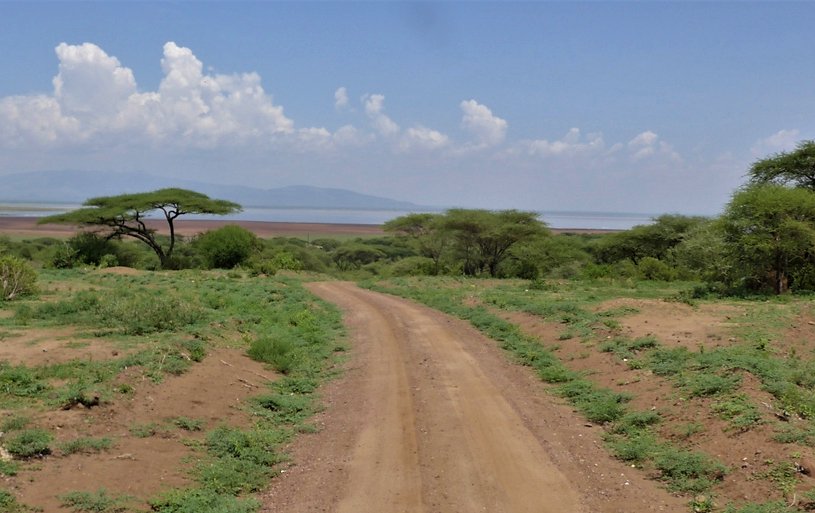
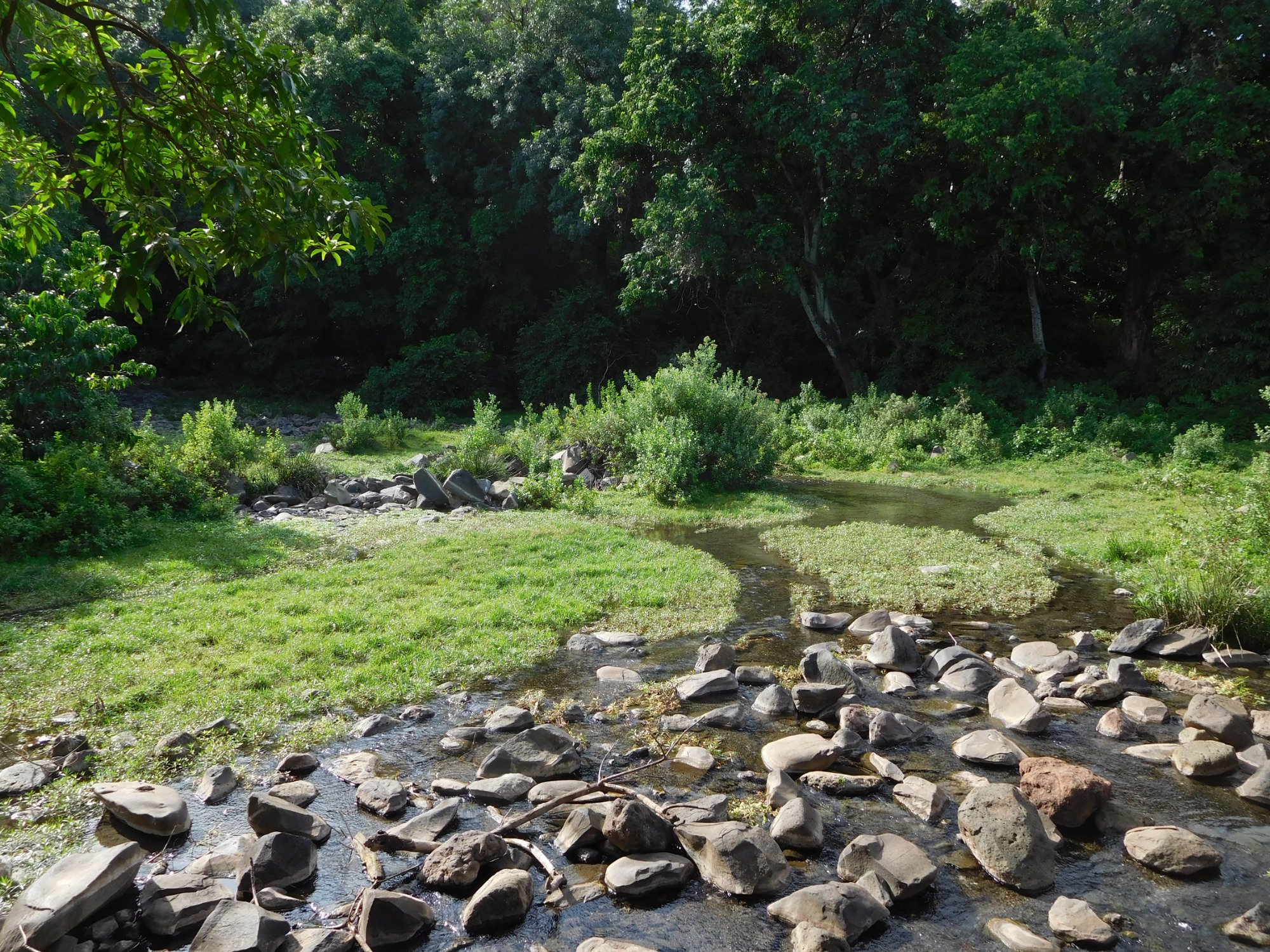
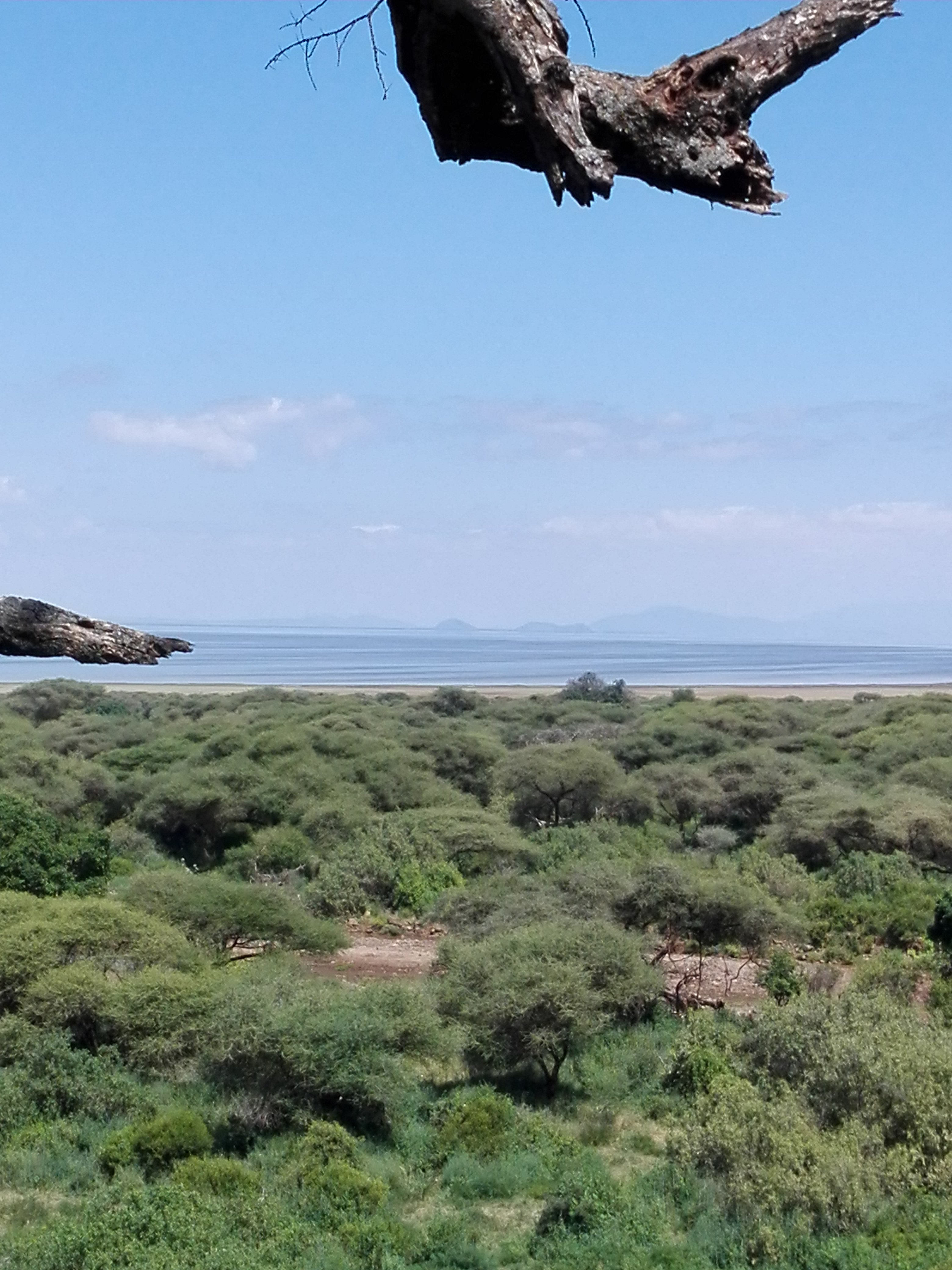
Wildlife conservation at Lake Manyara centres on protecting a small but crowded park and keeping open the land corridors that tie it to larger neighbours. The work runs through the park authority, biosphere reserve status, and community and tourism programmes. Lake Manyara is a narrow strip between the Rift Valley escarpment and a shallow soda lake in northern Tanzania, holding a high density of large mammals.

This guide walks through the park’s conservation story, from its early protection in 1960 to the pressures it faces now. It covers the reserve’s international standing, the agency that runs it, the wildlife corridor that keeps its genetics healthy, the threats that have tested it, and the community and tourism work that helps hold the whole system together.
Quick orientation: Lake Manyara National Park covers roughly 330 square kilometres, of which the alkaline lake itself takes up close to two thirds during the wet season. The dry land runs as a thin corridor of groundwater forest, acacia woodland, grassland, and lakeshore. That variety of habitat in a small space is what makes the park so rich, and so worth protecting.
How Lake Manyara Became a Protected Park
The area was first set aside as a game reserve in 1957. Three years later, in 1960, it was formally gazetted as a national park under the legal framework that governed protected land in what was then Tanganyika. That makes Lake Manyara one of the country’s older parks, established before Tanzania even existed as a united nation. The original reason for protection was straightforward. The land held a large and heavily used elephant population, and the goal was to give those animals a secure home along the lakeshore and in the forests fed by springs seeping out of the Rift wall.
Early protection worked. Generations of elephants grew up inside the boundary without being hunted, and the woodland herds of Manyara became known for being unusually relaxed around vehicles. Large family groups still gather in the acacia and the deep shade of the groundwater forest, and their calm behaviour is a direct product of decades of steady guarding. That long history is a reminder that conservation results are measured in generations, not seasons. The animals in Lake Manyara that visitors see today are shaped by choices made more than sixty years ago.
UNESCO Status and the Lake Manyara Biosphere Reserve
In 1981 the wider landscape around the park was recognised by UNESCO as the Lake Manyara Biosphere Reserve, part of the Man and the Biosphere Programme. This designation matters because it treats conservation as something bigger than a fenced park. A biosphere reserve is built in zones. A protected core, in this case the national park and the lake, sits at the centre. Around it are buffer zones where limited use is allowed, and beyond those are transition areas where people farm, graze livestock, and live their daily lives.
The idea behind this layered design is that wildlife and people do not exist in separate worlds. The reserve stretches across a huge area of the Lake Manyara basin, and hundreds of thousands of people live within its outer boundaries, most of them practising pastoralism and small-scale farming. The biosphere model tries to hold two goals together at once, keeping the core wild while helping the surrounding communities use the land in ways that do not destroy it. It is an honest acknowledgement that a park this small cannot survive as an island cut off from everything around it.
A park this small cannot survive as an island. Its future depends on the land, and the people, beyond its boundary.
TANAPA and the Management of the Park
Lake Manyara National Park is managed by Tanzania National Parks, the agency known as TANAPA. This body oversees the country’s national parks, and its job at Manyara is to balance two things that often pull in opposite directions. On one side is strict protection of habitat and wildlife. On the other is tourism, which brings the money that funds ranger patrols, road maintenance, and anti-poaching work.
TANAPA rangers handle day-to-day security inside the park, from patrolling against poachers to managing the flow of vehicles so that game viewing does not disturb the animals. The agency also maintains the infrastructure that keeps the park accessible, including the road network and the well-known canopy walkway that lets visitors move through the treetops of the groundwater forest. Park entry fees collected by TANAPA feed back into the national parks system, which means every visitor contributes directly to keeping the place protected. This funding link is one of the clearest ways that tourism and conservation connect in Tanzania.
The Kwakuchinja Wildlife Corridor
Perhaps the single most important piece of Lake Manyara’s conservation puzzle lies outside the park itself. The Kwakuchinja wildlife corridor is a strip of land that links Lake Manyara National Park with Tarangire National Park to the east. Animals use this route to move between the two parks, following seasonal water and grazing. Elephants, zebras, wildebeest, giraffes, lions, and many other species travel through it.
The corridor does something a fence never could. It lets elephant herds from Tarangire mix with those from Manyara, which keeps the gene pool healthy and lowers the risk of inbreeding in what would otherwise be two small, isolated populations. Without this movement, each park would slowly become a genetic dead end. With it, the whole Tarangire-Manyara ecosystem functions as one connected system rather than a set of separate enclosures.
The trouble is that the corridor runs through land where people also live and farm. As settlements and cultivated fields have spread, the safe passage has narrowed. Researchers studying the Kwakuchinja corridor found that the share of cultivated land inside it roughly doubled over recent decades, climbing from a small fraction to a much larger one. By the late 2000s the corridor’s ecological health was rated critical. Keeping this land open is now one of the central conservation challenges of the region, because if the corridor closes, the long-term future of both parks weakens.
Threats Facing Wildlife at Lake Manyara
Lake Manyara faces a set of pressures that are common across East Africa but sharpened by the park’s small size and its squeeze between the escarpment and the lake. The most serious threats fall into a few groups.
Habitat loss is the slow, steady danger. As farms and villages grow along the corridor and around the park edges, the space available to wildlife shrinks. Every field planted in the corridor is a field that migrating animals must now avoid or cross at risk. This gradual squeezing of the land is harder to see than a single dramatic event, but over years it does the most damage.
Human-wildlife conflict follows directly from that squeeze. When animals and farmers share the same ground, collisions happen. Elephants and zebras raid crops, and farmers can lose a season’s food and income in a few nights. Predators such as hyenas take livestock. For a family living on the edge of a park, a crop-raiding elephant is not a wildlife spectacle but an economic blow, and that resentment can turn communities against the very animals conservationists want to protect. Studies in the Kwakuchinja area found that residents singled out elephants and zebras as the biggest threats to their crops, while carnivores drove most livestock losses.
Poaching has left deep scars in this landscape. During the 1980s and into the 1990s, elephant populations across the Tarangire-Manyara ecosystem were hit hard by ivory poaching, and numbers fell sharply. Rhinos suffered even worse across the wider region and largely disappeared from many of the areas where they once roamed. Anti-poaching enforcement eventually brought elephant numbers back up, but the memory of those losses shapes conservation priorities to this day.
Corridor development is the newest and one of the most worrying pressures. Roads, expanding settlements, and infrastructure that cut across the migration routes can sever the connection between parks. A single well-placed barrier can undo the benefit of thousands of hectares of protected land on either side of it.
Community and NGO Conservation Efforts
Because so much of the pressure on Lake Manyara comes from beyond the park boundary, much of the most important conservation work happens there too. Non-government organisations and local communities have built a set of tools aimed at keeping the corridor open and keeping people willing to live alongside wildlife.
One of the landmark projects is Manyara Ranch, a large stretch of land that sits squarely inside the Kwakuchinja corridor. Once a cattle ranch under government control, the land was handed over in 2001 to a local trust set up with the help of the African Wildlife Foundation and its partners. The transfer was treated as a conservation milestone because it turned a degraded ranch into a community-led conservancy that blends livestock grazing with wildlife protection. The ranch now supports strong populations of species such as eland, lesser kudu, and gazelle, and it has become an important nursery for the endangered Maasai giraffe, with high numbers of calves born there each year.
Anti-poaching work on the ranch and in the surrounding conservancies has paid off. Elephant poaching in the area fell to very low levels, and across the Tarangire-Manyara ecosystem elephant numbers have climbed again after the hard years. Conservation groups have also worked to reduce the friction between people and predators. One practical example is the introduction of reinforced livestock enclosures, sometimes movable ones, that keep cattle safe at night. When a farmer’s herd is protected, that farmer has far less reason to kill a lion or hyena in revenge, and the whole balance shifts toward coexistence.
These efforts sit alongside work to protect the endangered animals of the region, whose survival depends as much on secure land outside the park as on the guarded core within it. For a fuller picture of how the habitats fit together, the ecosystem guide lays out the forest, woodland, grassland, and lake zones that make this landscape so productive.
Community bomas. Reinforced and mobile livestock enclosures protect cattle from predators at night, cutting the revenge killing of lions and hyenas and easing the pressure on carnivore populations.
Wildlife management areas. Blocks of village land set aside for conservation give communities a legal stake in wildlife and a share of the income it generates, strengthening the wider ecosystem around the park.
Corridor protection. Keeping Manyara Ranch and the surrounding land open preserves the migration route between Manyara and Tarangire, the single most important factor in the long-term health of both parks.
How Safari Tourism Revenue Supports Conservation
Tourism is the financial engine behind a great deal of conservation at Lake Manyara. The money works through several channels. Park entry fees paid to TANAPA go straight into running and protecting the national parks, funding the rangers and patrols that keep poaching in check. Beyond the gate, tourism spending reaches the communities that share the land with wildlife.
Community conservancies and wildlife management areas earn income from tourism and from the lodges and camps built on their land. That income is shared with villages and often channelled into schools, clinics, water services, and bursaries. This is the quiet logic that holds the whole system together. When a village earns real, visible benefits from having wildlife nearby, the animals stop being only a threat to crops and start being an asset worth protecting. A living elephant that draws paying visitors year after year is worth far more to a community than a poached one.
The link runs in the other direction too. When poaching or habitat loss drives wildlife numbers down, the safari appeal fades and the income that supports both conservation and community services shrinks with it. Healthy wildlife populations and a healthy tourism economy rise and fall together, which is why so much effort goes into keeping both strong at the same time.
The Future of Conservation at Lake Manyara
11-Day Northern Circuit & Ruaha Wilderness Safari
5-Day Lake Manyara, Tarangire, Serengeti & Ngorongoro Safari
5 Days Lake Manyara, Tarangire & Ngorongoro
The story of Lake Manyara is, in the end, a story about connection. The park has been protected since 1960 and recognised internationally since 1981, and TANAPA guards its core well. But the animals inside the boundary depend on land and goodwill far beyond it. The Kwakuchinja corridor must stay open for the genetics of the elephant herds to remain healthy. The farmers along the park edge must keep seeing enough benefit from wildlife to tolerate the cost of living beside it. The tourism revenue must keep flowing to fund the rangers and reward the communities.
None of these threads works alone. Strong anti-poaching enforcement means little if the corridor closes. An open corridor means little if the people who own that land turn against the wildlife crossing it. Community goodwill fades if tourism collapses. The conservation of Lake Manyara succeeds only when all of these hold together at once, and that is the ongoing work that keeps this small, crowded, extraordinary park alive.
Frequently Asked Questions About Lake Manyara Conservation
When was Lake Manyara National Park established?
The area was first protected as a game reserve in 1957 and was formally gazetted as a national park in 1960. It is one of Tanzania’s older parks. The wider surrounding landscape was later recognised as the Lake Manyara Biosphere Reserve by UNESCO in 1981.
Who manages Lake Manyara National Park?
The park is managed by Tanzania National Parks, known as TANAPA. The agency handles ranger patrols, anti-poaching enforcement, road and infrastructure upkeep, and the collection of park entry fees, which are reinvested into the national parks system.
What is the Kwakuchinja wildlife corridor?
It is a strip of land linking Lake Manyara National Park with Tarangire National Park. Elephants, zebras, wildebeest, and other animals use it to move between the two parks, which keeps their populations genetically connected. Farming and settlement inside the corridor have narrowed it and threatened its function.
How does tourism help conservation at Lake Manyara?
Park entry fees fund TANAPA’s protection work, including anti-poaching patrols. Tourism income earned by community conservancies and lodges is shared with local villages and put toward schools, clinics, and water services. This gives communities a real reason to protect wildlife rather than see it only as a threat. A typical park entry fee for an adult foreign visitor runs in the region of several tens of US dollars per day, and that money goes directly into the conservation system.
Has poaching been a problem at Lake Manyara?
Yes. Elephant populations across the Tarangire-Manyara ecosystem were hit hard by ivory poaching during the 1980s and 1990s, and rhinos largely disappeared from much of the wider region. Anti-poaching enforcement and community conservancy work later brought elephant numbers back up, with poaching in the surrounding conservancies falling to very low levels in recent years.
What role does Manyara Ranch play in conservation?
Manyara Ranch is a community-led conservancy inside the Kwakuchinja corridor. Handed to a local trust in 2001 with help from the African Wildlife Foundation, it combines livestock grazing with wildlife protection, keeps the migration route open, and serves as an important breeding ground for endangered Maasai giraffe.