A Lake Manyara wildlife checklist reliably delivers elephant, buffalo, giraffe, zebra, hippo, baboons and both monkey species on a single game drive, plus strong birdlife, with lion and leopard as harder bonuses. Visitors work through the odds by habitat, from forest to floodplain. Lake Manyara National Park is a compact strip in northern Tanzania between the Rift Valley escarpment and an alkaline lake, stacking five habitats within a few kilometres.

Most people drive Lake Manyara as a half day stop on the northern safari circuit, often on the way to Ngorongoro or the Serengeti. That short window shapes what you see. Some species are near guaranteed, some need patience, and a few need real luck. I have tried to be straight about which is which, because a checklist that promises leopards on every drive does you no favours.
How to read the odds: Near certain means you would be unlucky to miss it. Likely means most drives produce a sighting. Possible means it happens often enough to hope for. Lucky means treat any sighting as a bonus. These ratings assume the dry season, roughly June to October, when thinner vegetation and animals drawn to water make a game drive far more productive.
The Groundwater Forest And Its Safari Primates
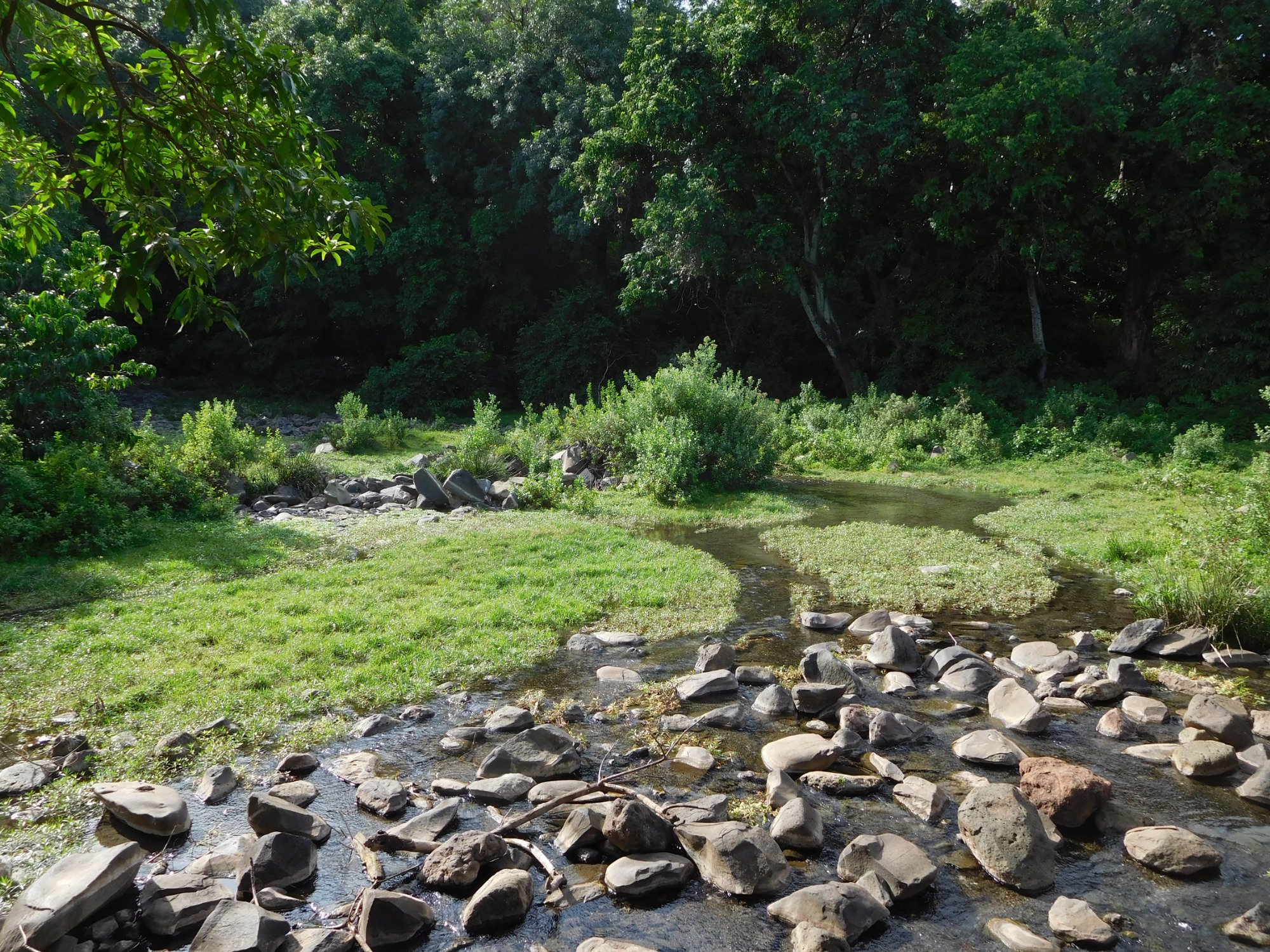
Your drive begins in the groundwater forest just past the entrance gate. This is a genuine forest fed by springs from the escarpment, shady and green even in the dry months, and it feels nothing like the open savanna most people picture for a Tanzania safari. It is the first habitat you meet and one of the richest for primates and shade loving mammals. Spend a little time here rather than rushing through toward the lake.
The forest holds two monkey species that are easy to tell apart once you know them. Blue monkeys keep to the canopy and have a dark, grizzled coat, while vervet monkeys are paler with the black face and pale brow that make them instantly familiar. Both live in habituated troops around the gate, so they are among the most reliable sightings in the whole park.
Forest Species And Your Chances
Olive baboon. Near certain. Lake Manyara is famous for enormous baboon troops, said to be among the largest anywhere, and you will pass them lounging on the road and grooming in the open. Watch for a while and you get real behaviour rather than a quick glance.
Blue monkey. Likely. The forest canopy near the gate is the classic spot. Look up into the tall trees rather than at ground level.
Vervet monkey. Near certain. Common along the forest edge and around the picnic areas. Keep your snacks packed away, as they are bold.
Bushbuck. Possible. This shy forest antelope slips through the undergrowth near the entrance. A patient scan of the shadows sometimes turns one up, but many drives miss it.
Kirk’s dik-dik. Likely. A tiny antelope, roughly the size of a hare, that pairs for life and freezes in the thicket. Common through the woodland fringes but easy to drive past.
The forest is also where you begin to sense the density of the place. Because the habitats sit so close together, a troop of baboons on the ground and a blue monkey overhead can share the same patch of trees. That layering is part of what makes the park feel busy even when the headline animals stay hidden. For a fuller sense of the range on show, our guide to the animals in Lake Manyara covers the supporting cast in more detail.
Acacia Woodland And The Big Game Drive Species
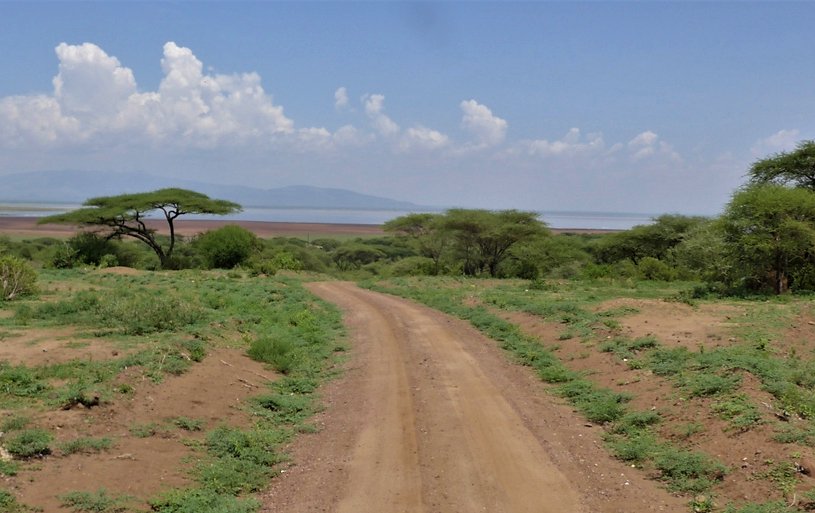
Past the forest the track opens into acacia woodland at the base of the rift wall. This is where the classic large mammals of a Lake Manyara game drive appear, and where the park earns its reputation. The mix of cover and open ground suits browsers and grazers alike, and the thinner canopy makes spotting easier than in the forest.
Elephants are the anchor here. Lake Manyara has long been known for its elephants, studied for decades, and they move through the woodland feeding on acacia. They are used to vehicles and often cross the road at close range, which makes for some of the best elephant viewing on the northern circuit. Buffalo share the same ground in herds that can number well over a hundred.
Woodland Mammals Worth Ticking Off
African bush elephant. Near certain. Family groups feed through the acacia and along the tracks. Sightings are frequent and often close.
African buffalo. Near certain. Large herds graze the woodland edge and floodplain. Old bulls, darker and often mud caked, sometimes stand apart.
Masai giraffe. Likely. The local giraffe browse the taller acacia, their jagged patches distinctive against the canopy. You usually see several across a drive.
Common warthog. Likely. Family groups trot across open patches with tails held upright. Reliable in the woodland and grassland margins.
Impala. Likely. Graceful antelope in loose herds, the males carrying lyre shaped horns. Common through the mixed woodland.
The woodland is also the home of the park’s best known oddity. Tree climbing lions rest in the acacia and the larger fig trees here, draped along horizontal branches in a way lions elsewhere rarely bother with. Nobody is certain why they do it. The usual guesses are escaping biting flies on the ground, catching a breeze in the heat, or gaining a view over the grass. Whatever the reason, seeing one is a genuine highlight.
The tree climbing lions are the park’s signature, but be honest with yourself before the drive. They are present, not guaranteed, and plenty of visitors leave without seeing one.
I rate lions here as possible rather than likely. The population is not large and the park is heavily visited, so on a busy day a resting lion draws a cluster of vehicles that a guide can follow. On a quiet drive you may find nothing. Ask your guide for the recent radio chatter, as fresh sightings travel fast between vehicles and often make the difference.
Grassland, Floodplain And The Grazers
Beyond the woodland the land flattens into grassy floodplain running down to the lakeshore. In the dry season the lake shrinks and exposes broad flats, drawing grazers out into the open where a game drive gives long, clear views. This is the most savanna like part of the park and the easiest ground for spotting animals at distance.
Zebra are the reliable draw on the plains, grazing in scattered groups that are easy to pick out against the pale grass. In the wetter months they are joined by wildebeest and gazelle moving between Manyara and neighbouring Tarangire, so numbers on the floodplain swing a lot with the season. During the dry months the resident grazers still hold the open ground.
Plains And Floodplain Wildlife
Plains zebra. Near certain. Grazing groups spread across the open floodplain. Among the easiest large mammals to tick off.
Blue wildebeest. Possible. Numbers rise sharply when herds move through from Tarangire in the greener months and thin out in the dry season.
Thomson’s and Grant’s gazelle. Possible. Present on the open flats, more numerous during migratory movement through the area.
Waterbuck. Possible. Sturdy antelope with a shaggy coat and a white ring on the rump, keeping to wetter ground near the lake and streams.
Bohor reedbuck. Lucky. A tawny antelope of the marsh edges, less often seen and easily overlooked in tall grass.
The open floodplain is also your best chance for a predator to show itself. Spotted hyena range across the grassland, hunting as well as scavenging, and a clan resting near a den or trotting along a track is a fairly regular sight for drives that reach the plains early. I rate hyena as possible, better in the first light of morning when they are still active before the heat pushes them into cover.
The Lakeshore, Hippo Pool And Waterbirds
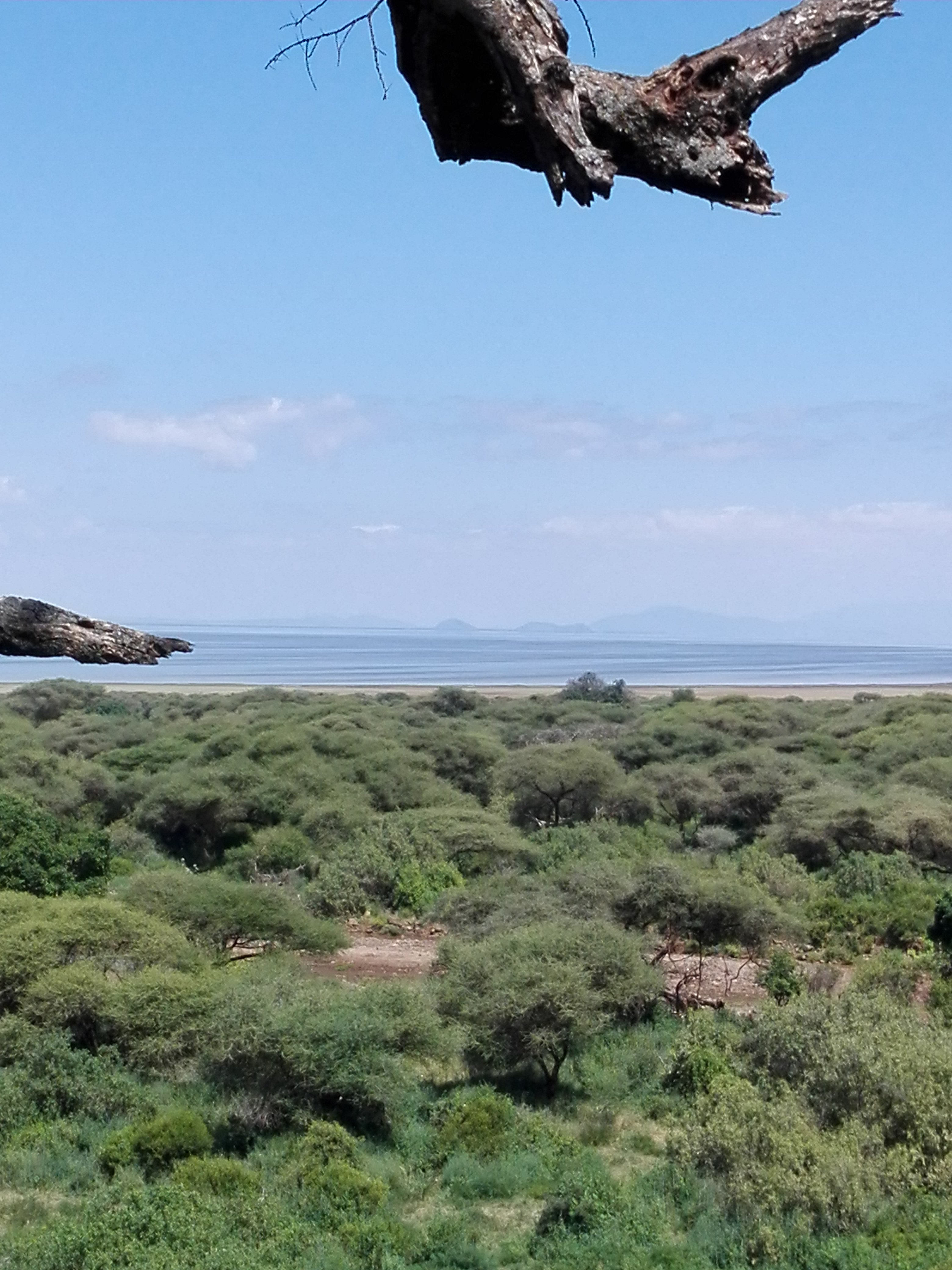
The lake itself is the reason the park exists and the stage for its most colourful wildlife. Lake Manyara is shallow and alkaline, and its waters feed clouds of birds along with a well known hippo pool near the northern shore. A short distance inland from the lake, hundreds of hippos gather in a permanent pool where a designated viewpoint lets you leave the vehicle and watch them at a safe distance.
Hippopotamus are near certain at the pool, wallowing, yawning and jostling through the day, though they spend most of it half submerged. Early or late visits catch them more active. Around the water’s edge you also get some of the best birding of any northern circuit park, which is worth slowing down for even if birds are not your main interest.
Lakeshore Birds And Water Species
Lesser and greater flamingo. Variable. When conditions suit, tens of thousands gather and paint the shallows pink. Numbers swing with water levels and algae, so some visits find a dazzling band and others find a scatter. Bring the odds down in your mind and treat a big showing as a bonus.
Pink backed pelican. Likely. Manyara is a breeding site, and pelicans are a common sight loafing on the flats and fishing the shallows.
Yellow billed stork. Likely. Breeds here in numbers and feeds along the shoreline through much of the year.
Marabou stork and grey heron. Likely. Both work the lake margins, the marabou unmistakable and ungainly, the heron patient in the shallows.
Hippopotamus. Near certain at the pool. Best viewed from the designated stop early or late in the day.
Birders can push the tally much higher, as the park has recorded well over 350 species and the water draws waders, raptors and kingfishers alongside the marquee flocks. If the birdlife pulls you in, our dedicated guide to the birds of Lake Manyara breaks the checklist down by family and habitat.
The Escarpment And The Species That Need Luck
Rising sharply on the western side is the Rift Valley escarpment, a wall of vegetation and rock that shapes the whole park. It is beautiful, and it holds animals, but it is the hardest ground to watch because the cover is thick and the slopes steep. This is the home of the species you should not count on, no matter how much you want them.
Leopard live along the escarpment in what is described as a dense population, yet they are secretive, largely nocturnal and superb at staying hidden. A leopard sighting on a standard day drive is genuine luck rather than expectation. Scan the fig branches and the shaded rock ledges, ask your guide about recent activity, and keep your hopes measured. Many regular safari goers have visited Manyara several times without one.
Give the hard species a fair chance: Book an early morning drive rather than a rushed midday stop, and if your schedule allows, stay long enough to reach the far tracks toward the hot springs. Predators and shy antelope are far more active in the cool hours, and the vehicles that leave the gate first tend to reach the best sightings before the crowd builds. For where to point the driver, our notes on the best wildlife spots map out the productive corners.
Klipspringer, a small rock loving antelope, also cling to the escarpment slopes and rate as lucky at best. The point of listing these is not to discourage you but to set the target right. A checklist that treats leopard and klipspringer as expected sets you up for disappointment, while treating them as a bonus lets the whole day feel like a win.
Building Your Realistic Lake Manyara Tick List
Put the odds together and a sensible expectation takes shape for a single good game drive. You should reliably tick off elephant, buffalo, giraffe, zebra, baboon, both monkey species, dik-dik, warthog, impala and hippo, plus a strong showing of waterbirds. That is a full and satisfying list before you even reach the harder species, and it is why Manyara punches above its size.
The next tier, the ones most drives get some of but not all, includes lion, hyena, waterbuck, wildebeest and gazelle. Whether you land these depends on season, timing and a little luck with what is moving on the day. The top tier of leopard, bushbuck at close range, reedbuck and klipspringer are the ones to chase quietly and celebrate loudly if they appear.
6 Days Lake Manyara, Serengeti & Ngorongoro Crater
5-Day Lake Manyara, Tarangire, Serengeti & Ngorongoro Safari
4-Day Tarangire, Lake Manyara & Ngorongoro Safari
Season shifts the whole picture. The dry months from June to October concentrate mammals around water and thin the leaves for easier spotting, which is the stronger choice for a mammal focused checklist. The greener months from November to April bring migratory grazers and the biggest flamingo gatherings, trading some mammal visibility for spectacle on the lake. Neither is wrong, and matching the season to the species you most want is the single best planning decision you can make.
Whatever the calendar, go in with a checklist that respects the honest odds. Lake Manyara is not the place for sheer numbers of predators, and pretending otherwise only sours a fine half day. Treated for what it is, a compact, layered park where forest, woodland, plain and lake stack up within a few kilometres, it delivers a wildlife list that few parks its size can match, and a handful of surprises for the patient.
Frequently Asked Questions
Am I guaranteed to see the tree climbing lions?
No. The lions are present and the park is famous for them, but the population is modest and sightings are best rated as possible rather than certain. Your odds improve on an early drive and when guides are sharing fresh radio reports between vehicles. Plenty of visitors leave without a lion, so treat one as a highlight rather than a given.
What is the single most reliable animal to see at Lake Manyara?
Elephants, buffalo, baboons and hippos are all close to guaranteed on a normal drive. The park’s baboon troops are among the largest anywhere, so those you can count on within minutes of the gate. Hippos are reliable at the designated pool, though they spend much of the day resting in the water.
When will I see the most flamingos?
Flamingo numbers swing with water level and algae rather than following a fixed calendar. The greener months from November to April often bring the largest gatherings, sometimes tens of thousands, but conditions vary and some visits find only a scattered pink band. Go hoping for a big gathering and count it as a bonus if you get one.
How long do I need for a proper wildlife checklist drive?
A half day of roughly four to five hours covers the main habitats and lets you tick off most of the reliable species. A full day gives you a far better shot at the shy and predator species, since you can start at first light and reach the quieter tracks toward the hot springs before the day heats up.
What does it cost to visit Lake Manyara National Park?
Adult foreign visitor park entry runs to roughly forty five to sixty US dollars per person per day, with children charged at a reduced rate. On top of that you pay for a vehicle and guide, which most people arrange through a tour operator as part of a wider northern circuit itinerary. Concession and camping fees apply if you stay overnight inside the park boundary, so confirm the current rates with your operator when you book.
Is it worth stopping at Manyara if I am short on time?
Yes, for most itineraries. The park sits on the road toward Ngorongoro and the Serengeti, and even a half day delivers elephants, giraffe, hippos, primates and superb birding in a compact area. If your only interest is big cats you may find it thin, but for variety across habitats it is a strong use of a spare morning.