Yes, it is safe to go to Tanzania, a politically stable country that welcomes more than two million visitors a year for safaris, beaches, and mountain climbs. Travelers can follow the northern safari circuit, Zanzibar, and Kilimanjaro with confidence, far from the one troubled strip near the far southern border. The real risks are ordinary ones: petty theft in bigger towns, rural road conditions, and malaria, all manageable with sensible habits.
This guide walks through the honest picture. It covers what the official advisories actually say, where pickpockets work, how the roads behave, why a good safari guide keeps you safe around big animals, and the health steps worth taking before you fly. None of it is meant to scare you off. It is meant to help you travel relaxed, because a traveller who knows what to expect is a traveller who enjoys the place instead of worrying about it.
Is Tanzania a Safe Country to Visit Right Now
Tanzania has been a peaceful, unified nation for decades. It does not have the civil conflict some visitors imagine when they picture parts of the continent. Elections pass, life carries on, and tourism is one of the pillars of the economy, which gives the whole country a strong reason to look after the people who come to see it. Local hospitality is genuine. Greetings matter here, a smile goes a long way, and most travellers comment on how warm and helpful ordinary Tanzanians are.
Government travel advisories do flag a few areas, and it is worth reading them properly rather than reacting to a headline. The one region repeatedly named is the far south near the border with the Cabo Delgado province of Mozambique, where advisories warn against all but the most necessary travel within about twenty kilometres of that border because of extremist activity. That corner is nowhere near any normal tourist route. The classic northern safari circuit of Serengeti, Ngorongoro, Tarangire, and Lake Manyara, along with Zanzibar and Kilimanjaro, lies a very long way from it. Advisories also mention urban crime and caution for certain travellers, which is the same practical detail we cover below. If you want a fuller read on how visitors from abroad are treated day to day, this look at safety for foreign tourists is a good companion piece.
The short version: mainstream safari and beach Tanzania is safe. The named trouble spot is a remote southern border strip that no ordinary itinerary goes anywhere near. Read your own government advisory, then plan normally.
Petty Theft in Arusha, Dar es Salaam, and Stone Town
The most common problem tourists actually meet is opportunistic theft, and it lives in the busy towns rather than the bush. This is pickpocketing, bag snatching, and phone grabbing. It is the same category of risk you would manage in any large city anywhere in the world, and the same habits keep you clear of it.
Dar es Salaam is the largest city and the place to be most alert. The risks are pickpockets in crowds, bags lifted through open car windows at traffic lights, and trouble after dark in quiet, poorly lit streets. Keep car windows up and doors locked in slow traffic, do not leave a phone or handbag on the seat beside an open window, and do not wander unlit areas late at night. In rare cases criminals have forced victims to withdraw cash from a machine, so if anyone threatens you, hand over what they want. Nothing you carry is worth a fight.
Arusha is the gateway to the northern parks and is comfortable to walk around by day. Its particular nuisance is the aggressive touts, sometimes called flycatchers, who latch onto tourists to sell dodgy street corner safaris. Book your safari through a licensed operator, be firm and polite with touts, and do not be talked into handing money to a stranger on the pavement. Ordinary pickpockets work the busy market areas too, so keep valuables zipped away and out of sight.
Stone Town in Zanzibar is safe and lively during the day, with its maze of lanes full of shops and cafes. After dark the sensible move is to stick to the main, busier squares and streets, because bag snatching by someone on a scooter does happen along quiet lanes and the waterfront at night. Carry little, walk with purpose, and use a taxi back to your hotel late in the evening. For a broader, town by town breakdown of where visitors do and do not run into trouble, this rundown of why Tanzania is Tanzania safe for tourists puts the city risks in context.
Road Safety and Getting Around Tanzania
If there is one risk that gets underrated, it is the roads. Traffic accidents, not crime or animals, are statistically the thing most likely to spoil a trip anywhere in East Africa. Highways can be busy with fast buses and heavy trucks, road surfaces vary, and driving after dark brings extra hazards from unlit vehicles, pedestrians, and the occasional animal on the tarmac.
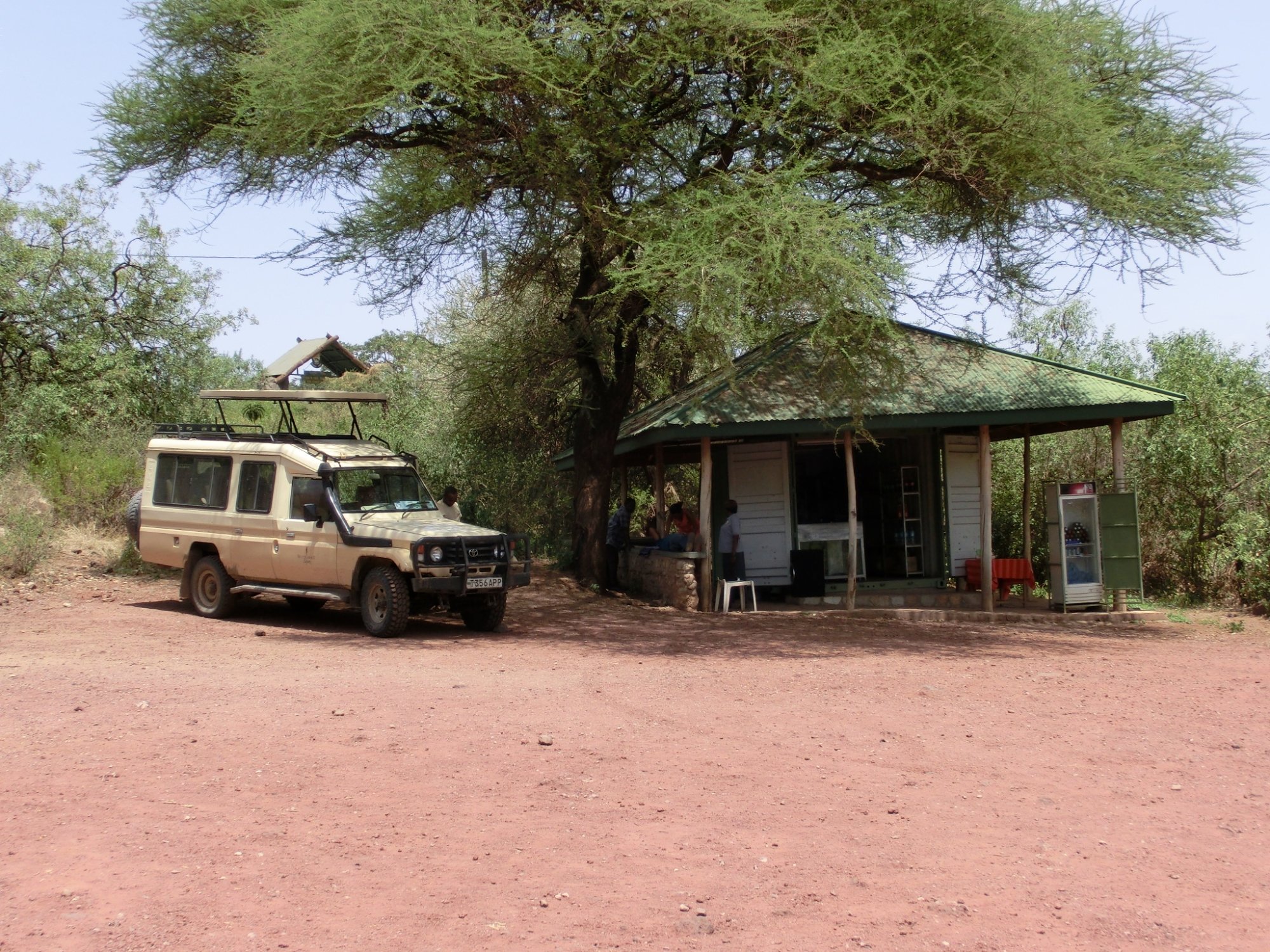
The good news is that on an organised safari you barely deal with this yourself. Your driver guide handles the roads, knows the routes, and drives them constantly. Choose a reputable tour operator with well maintained vehicles and experienced staff and this risk largely takes care of itself. In towns, do not flag down random cars or unmarked taxis. Use a trusted ride app such as Uber or Bolt where it operates, or ask your hotel to arrange a car with a driver they know. Avoid long road travel at night wherever you can, and always buckle your seatbelt even in the back of a safari vehicle on rough tracks.
On a well run safari, the single biggest daily risk, the road, is being managed for you by someone who drives it for a living.
Wildlife Safety on Safari and Listening to Your Guide
People often assume the animals are the danger on a Tanzania safari. In reality, serious wildlife incidents involving tourists are very rare, and almost every one traces back to someone ignoring simple rules. The single most important safety habit on any game drive is this: listen to your guide and do what they say. These are trained professionals who read animal behaviour for a living and know exactly how close is too close.
Stay inside the vehicle at all times unless your guide clearly tells you it is safe to step out. To a lion or an elephant, a safari vehicle reads as one large, harmless shape and the animals mostly ignore it. The moment a person stands up above the roofline or steps onto the ground, you become recognisable as a human, and that can change how an animal reacts. Keep your voice low, avoid sudden movements, and never try to feed, call, or touch any animal. Give wildlife plenty of room, especially mothers with young and big bulls in musth.
At tented camps and lodges inside the parks, staff will often escort you between your tent and the dining area after dark, because animals move freely through unfenced camps at night. Follow that routine, keep a torch handy, zip your tent closed, and do not keep food inside it. Follow these ordinary courtesies and a safari is one of the calmest, safest wildlife experiences you can have. A quick read of general travel tips before you go helps you settle into the rhythm of camp life faster.
Health Precautions and Malaria in Tanzania
Health preparation is where a little planning pays off the most. The main one to take seriously is malaria. Most of Tanzania below about 1,800 metres, including Zanzibar, carries a malaria risk, so speak to a travel clinic or doctor well before you fly and take a course of antimalarial tablets such as atovaquone with proguanil, doxycycline, or mefloquine, whichever your doctor recommends for you. Take the full course as directed. On top of the tablets, prevent bites: use a repellent with DEET, wear long sleeves and long trousers at dawn and dusk when mosquitoes are most active, and sleep under the net your lodge provides.
Check your routine vaccinations are current and ask your clinic about typhoid, hepatitis A, and others they may suggest for your circumstances. A yellow fever certificate is only required if you are arriving from a country where yellow fever is present, which includes some travellers who route through another African nation first, so confirm your exact flight path with a clinic. Bring a small personal medical kit with any prescription medicines in their original packaging, plus rehydration salts, plasters, and painkillers. Above all, buy comprehensive travel insurance that covers medical evacuation, because the best hospitals are in the cities and you want cover to reach them from a remote park if you ever need to.
Water, Food, and Staying Well on the Road
Stomach upsets are the most common minor complaint travellers pick up, and they are easy to dodge. Stick to bottled or properly boiled water, and use it for brushing your teeth too. Skip ice unless you know it was made with safe water, though good lodges and hotels generally use filtered water and are fine. Choose food that is freshly and thoroughly cooked and served hot. Fruit you can peel yourself is a safe bet. Busy places with a fast turnover of food tend to be safer than a dish that has been sitting out.
One more freshwater note: bilharzia, a parasite carried in some lakes and slow rivers, is present in parts of Tanzania, so avoid swimming or paddling in still fresh water unless it is a chlorinated pool or the sea. The ocean around Zanzibar and the coast is fine. Stay hydrated in the heat, wear sun protection and a hat, and take the altitude seriously if you are climbing Kilimanjaro or Meru, where going slowly and acclimatising properly matters far more than fitness alone.
Solo Travel and Female Travellers in Tanzania
Tanzania is a popular and comfortable destination for solo travellers, including women travelling on their own, and many do exactly that every year on safaris and beach stays. On an organised safari you are rarely truly alone anyway, since you travel with a guide and often share a vehicle with others, which makes it an easy first solo trip. The standard sensible habits apply: keep people at home updated on your plans, avoid walking alone after dark, use trusted transport rather than random taxis, and carry only the cash you need while leaving passports and spare cards in the hotel safe.
Dressing modestly is both respectful and practical, especially in Zanzibar and other predominantly Muslim areas where covering shoulders and knees away from the beach is the norm. A light scarf or sarong tucked in your bag, thrown on when you enter a town or village, costs nothing and noticeably improves how people treat you. Swimwear is fine on the beach; a cover up is the courteous choice once you leave the sand. Female travellers report that firm, friendly boundaries handle the occasional overfriendly seller or would be guide perfectly well. Trust your instincts, and if a situation feels off, remove yourself from it without worrying about being polite.
Practical Precautions for a Safe Tanzania Safari
Pulling it together, the habits that keep travellers safe in Tanzania are simple and low effort. Book your safari and tours through a licensed, reputable operator rather than a stranger on the street. Keep valuables out of sight, split your cash, and carry a cheap secondary phone if you like. Use trusted transport, avoid unlit areas at night, and keep car windows up in city traffic. Take your malaria tablets, drink safe water, and buy proper travel insurance with evacuation cover. On game drives, stay in the vehicle and follow your guide. Register with your embassy if your country offers it, keep digital copies of your documents, and share your itinerary with someone at home.
5-Day Lake Manyara, Tarangire, Serengeti & Ngorongoro Safari
7-Day Lake Manyara, Tarangire, Serengeti & Ngorongoro Safari
4 Days Lake Manyara & Ngorongoro Crater
What most trips actually feel like: long golden mornings watching elephants and lions from a comfortable vehicle, warm meals at camp, friendly faces in every village, and evenings under enormous starry skies. The precautions above run quietly in the background so you can spend your attention on the wildlife and the coast rather than on worry.
Tanzania rewards the traveller who arrives prepared and open. Millions of people make this trip safely, and with a good operator and a bit of everyday care, there is every reason to believe you will be one of them. Go, watch the great herds move across the plains, wander Stone Town, and come home with the kind of stories that make other people start planning their own trip.
Frequently Asked Questions About Safety in Tanzania
Is Tanzania safe for tourists overall?
Yes. Tanzania is politically stable and welcomes over two million visitors a year to its parks and beaches. The main practical risks are petty theft in the larger towns, road safety, and health matters like malaria, all of which are easy to manage with sensible habits and a good tour operator. The one region advisories warn against is a remote strip near the far southern Mozambique border, far from any normal safari or beach route.
How much does a safari in Tanzania cost, and does spending more make it safer?
Budget camping safaris often run from roughly 200 to 300 US dollars per person per day, mid range lodge trips around 350 to 600, and luxury safaris from about 800 upward per person per day, usually including park fees, guide, vehicle, meals, and accommodation. Spending more mainly buys comfort and location rather than safety, since even budget operators run safe vehicles. What matters most for safety is choosing a licensed, well reviewed operator at any price level rather than an unregistered street tout.
Do I need malaria tablets and vaccinations for Tanzania?
Malaria tablets are strongly recommended for most of the country below about 1,800 metres, including Zanzibar, so see a travel clinic before you go and take the full course. Make sure routine vaccinations are up to date and ask your clinic about typhoid and hepatitis A. A yellow fever certificate is only required if you are arriving from a country where yellow fever is present, so confirm your exact route with a health professional.
Is Zanzibar safe, and what should I wear?
Zanzibar is a safe and popular beach destination. Stone Town is fine by day; after dark stick to busier, better lit streets and take a taxi late at night. Because the islands are predominantly Muslim, dress modestly away from the beach by covering shoulders and knees. Swimwear is for the beach and pool, and a light cover up, scarf, or sarong is the respectful choice in towns and villages.
Is Tanzania safe for solo female travellers?
Yes, many women travel Tanzania solo every year and report feeling comfortable with standard precautions. Organised safaris put you alongside a guide and often other travellers, which makes solo travel easy. Avoid walking alone after dark, use trusted transport, dress modestly in conservative areas, keep valuables secure, and trust your instincts. Firm, friendly boundaries handle any overly persistent sellers without trouble.
Are the animals dangerous on a Tanzania safari?
Serious wildlife incidents involving tourists are very rare and almost always follow someone breaking the rules. Stay inside your vehicle unless your guide says it is safe to step out, keep your voice low, never feed or approach animals, and follow your guide’s instructions at all times. At camps, let staff escort you after dark and keep food out of your tent. Do these simple things and a safari is a calm, controlled wildlife experience.