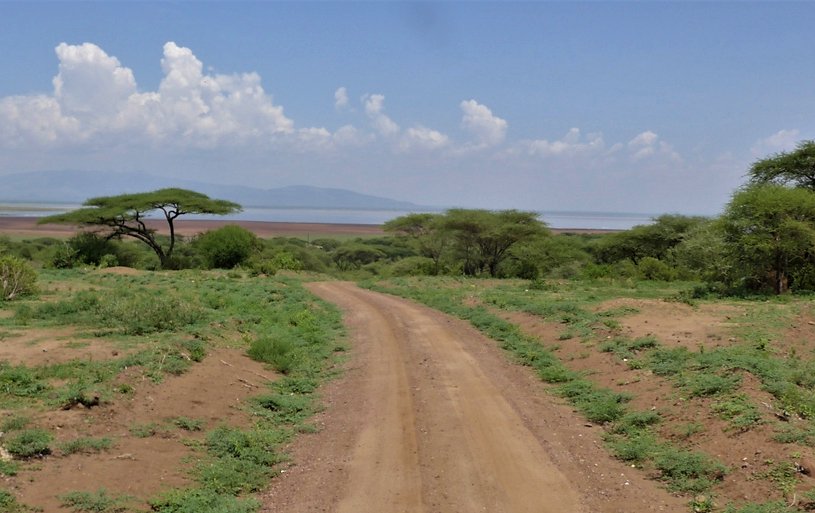
The best time to visit Burigi-Chato National Park is the dry season, roughly June to October, when tall grass dies back, tracks firm up and wildlife gathers near the remaining water. Travellers after green scenery, strong birding and lower rates can come in the wetter months, accepting harder game viewing in return. The park lies in Tanzania’s far northwest near Lake Victoria, one of the country’s newest and largest protected areas.

The short version is simple. For general game viewing, the dry season from June to October gives you the clearest sightings. For birds and green scenery, the wet months from November to May fill the papyrus swamps and bring migrant species. Below, each section stays on the question of when, so you can read the part that fits your plans.
Dry season, June to October. Thinner vegetation, animals drawn to permanent water, firmer tracks, and the easiest driving conditions of the year.
Green season, November to May. Two rain peaks, full wetlands, resident and migratory birds in good numbers, fewer vehicles, and softer light for photography.
The Dry Season From June to October Is the Prime Window
If you only remember one thing about timing a trip here, make it this. The stretch from June through October is the most reliable time for wildlife viewing in Burigi Chato. Rain becomes rare, the grass that shoots up during the wet months dries down and thins out, and animals stop wandering because the seasonal pools have gone. They gather instead around Lake Burigi, the Kagera River and the few permanent water points that hold on through the dry weather.
That concentration is what makes the difference. Elephant, buffalo, zebra, giraffe and the park’s many antelope species become far easier to find when they are tied to water rather than spread across a soaked landscape. Predators follow the same logic, so your chances of seeing lion or the more secretive leopard improve as well. The tracks firm up too, which matters in a park where all game routes still need a high clearance vehicle. During the rains some of these roads turn to mud and a few areas close off entirely, so the dry months simply give you more of the park to move through.
Nights in this season run cool and days stay warm rather than hot, which suits long hours in an open vehicle. Skies are usually clear, dust is light early in the season and builds toward October, and the whole park feels quiet because visitor numbers here are low even at the busiest time of year.
June and July: The Land Dries and Animals Settle Near Water
June marks the turn away from the long rains. The country has dried out from the March and April downpours, the vegetation is still fairly green from all that moisture, and the air feels fresh. This is a pleasant time to arrive because you get the benefit of thinning cover without the dust that comes later. Water is still reasonably widespread in early June, so animals have not fully committed to the permanent sources yet, but by the end of the month that pattern begins to set in.
July builds on this. Grass continues to shorten, sightlines open across the plains and around the lake margins, and game viewing steadies into a dependable rhythm. Mornings are cold enough for a fleece, afternoons are comfortable, and the light stays clear. For a first visit to this off the beaten path park, July is one of the safest bets on the calendar.
August, September and October: Peak Game Viewing
These three months are the heart of the dry season and the strongest for spotting animals. By August the seasonal pools have gone and wildlife is firmly drawn to Lake Burigi, the Kagera River and the remaining waterholes. Vegetation is at its thinnest, so herds that would vanish into tall grass earlier in the year now stand out on open ground.
September and October push this further. The land is dry, dust hangs in the afternoon air, and the pull of water is at its strongest, which packs the most game into the smallest number of viewing spots. October is the hottest and driest of the dry months, and it sits right before the rains return, so if you want the most concentrated wildlife of the year this is the moment. The one thing to note is that October can feel harsh at midday, so plan the bulk of your driving for the early morning and late afternoon.
Planning tip. In the peak dry months, book your game drives around dawn and the last two hours of daylight. Animals move most in the cool and rest in shade through the heat, so the middle of the day is the weakest window whatever the season.
The Green Season From November to May and Why It Still Works
The wet half of the year is often written off as the worst time to visit, and for pure ease of game viewing that is fair. Rain fills the seasonal pools again, animals scatter because they no longer need to crowd the permanent water, and the grass grows tall enough to hide them. Some roads soften into mud and a few corners of the park become hard to reach. If your single goal is to tick off big mammals with the least effort, this is not the season to choose.
Yet the green season has a strong case of its own. The landscape turns deep green, the wetlands and papyrus swamps fill out, and the whole park looks its best for photography under soft, cloud filtered light. This is calving time for several antelope, which means young animals on the plains and the predator activity that follows them. Visitor numbers, already low, drop further, so you are likely to have sightings entirely to yourself. And for anyone who cares about birds, this is the peak of the year.
The dry season shows you mammals. The green season shows you the water, the birds and a park almost entirely to yourself.
When to Come for Birding: November Through April
Burigi Chato is a genuine birding park, with more than 400 recorded species, and its wetland setting is the reason. The best time for birds runs through the green season from November to April, when migratory species arrive from the north and join the residents. Full wetlands mean water birds are active and easy to work along the lake edges and river channels.
The species that draw birders here are tied to the papyrus swamps and floodplains of the Kagera River system. The saddle billed stork, African fish eagle and grey crowned crane are all part of the mix, along with the wattled crane, village weaver and red necked francolin. The park is also one of the places where the rare shoebill turns up, adapted to exactly the kind of papyrus swamp and floodplain that Burigi Chato holds. Sightings of the shoebill are never guaranteed anywhere it lives, so treat it as a lucky prize rather than a promise, but the wet months give you the best odds because the wetlands are at their fullest.
The same swampy ground is home to the sitatunga, a shy semi aquatic antelope that keeps to reed beds and marsh. Patient time near the water in the green season is your best chance of seeing one. If wetland birds and marsh specialists are your reason for coming, aim for the months when the rains have topped everything up rather than the dry heart of the year.
The Short Dry Spell in January and February
The wet season is not one long stretch of rain. This part of East Africa has two rainfall peaks, one around November and December and a second in March and April, with a drier gap in between. That gap in January and February gives you a useful middle option. The heavy rain eases, the roads dry out somewhat, and the country stays green from the earlier downpours.
These two months blend the strengths of both seasons. You still get green scenery and good bird activity from the green season, but with more workable driving conditions than the peak of the rains. Sightings are not as sharp as the June to October window because water is still widely available and the grass is up, yet January and February suit travellers who want green photographs, birds and thinner crowds without the full commitment of a soaked landscape. It is a quieter, softer alternative to the dry season peak.
March, April and May: The Wettest Stretch
The long rains fall across March and April and taper into May, and this is the most demanding time to plan a visit. Rain comes in heavy bursts, the wetlands overflow, and the black cotton soils that lie under many tracks turn greasy and slow. A few routes and areas can close, and even the open ones need a capable 4WD and an unhurried pace.
The trade offs are real, though. The park is at its greenest and most photogenic, the air is washed clean, and birding stays excellent because the migrants are still around and the water is high. You will share the park with almost no one. This stretch rewards patient travellers and keen photographers far more than anyone chasing a long list of mammal sightings. If you do come now, keep your itinerary flexible and build in extra time in case weather reshapes the day.
Matching the Season to the Kind of Trip You Want
Because Burigi Chato is remote and lightly developed, the season shapes your whole experience more than it would at a busier park. First time safari visitors and anyone whose main hope is clear mammal viewing should aim squarely at June to October, with August through October the strongest. The driving is easiest, the animals are most visible, and the park is at its most forgiving.
11-Day Northern Circuit & Mahale Chimpanzee Safari
6-Day Arusha, Manyara, Tarangire & Ngorongoro Safari
4 Days Lake Manyara & Ngorongoro Crater
Birders, photographers and travellers who prize solitude are better served by the green season, with November to April best for migrants and full wetlands. Those wanting a compromise can slot into the drier January and February gap. The park’s water based side, including boat outings on Lake Burigi and the chance of sitatunga and shoebill in the swamps, leans toward the wetter months when the wetlands are full. Whatever your dates, a high clearance vehicle and realistic expectations matter here. This is a young, quiet park, and honest planning around the seasons is what turns a long trip to the northwest into a rewarding one. Working with Burigi Chato safari specialists who know the current road and water conditions is the surest way to time a visit well.
It is worth remembering how different this park feels from Tanzania’s headline destinations. The dry season logic that fills the plains of the Serengeti with visitors applies here too, but without the crowds, and the remote, water rich character has more in common with the wild southern reaches of Ruaha National Park than with the busy northern circuit. Time your trip around water and grass, and Burigi Chato repays the effort of getting there.
Frequently Asked Questions About When to Visit Burigi Chato
What is the overall best time to visit Burigi Chato National Park?
The dry season from June to October is the best time for general wildlife viewing. Vegetation thins out, seasonal pools dry up, and animals gather around Lake Burigi, the Kagera River and the permanent waterholes, which makes them far easier to find. The tracks are also firmer and more of the park stays open.
When is the best time for birdwatching?
The green season from November to April is the peak for birds. Migratory species arrive to join the more than 400 resident species, and the full wetlands make water birds active and visible. This is also the window that gives the best odds, though never a guarantee, of the rare shoebill in the papyrus swamps.
Is it worth visiting during the wet season?
Yes, if your priorities are birds, green scenery, photography and solitude. The landscape is at its most beautiful, the park is nearly empty of other visitors, and several antelope calve during this period. The trade off is muddy roads, tall grass and more scattered mammals, so it suits patient travellers more than those wanting quick big game sightings.
What are January and February like for a visit?
They fall in a drier gap between the two rain peaks. You get green scenery and good birding with more workable driving than the heaviest rains, making these months a solid middle option. Mammal viewing is not as sharp as the June to October dry season because water is still widespread, but the crowds are thin and the park looks lovely.
How do I reach the park, and does the season affect access?
You can fly to Chato airport or take a charter to an airstrip near Lake Burigi, drive from Mwanza in about five to six hours or from Bukoba in three to four, or approach by boat across Lake Victoria. The season matters a great deal by road, since the wet months turn many tracks to mud and can slow or block the drive, while the dry season keeps the routes firm.
How much does it cost to visit Burigi Chato?
As a remote park, most of your budget goes to reaching it rather than the gate fees, which sit at the lower end for Tanzanian parks. Park entry runs in the region of a few tens of US dollars per adult per day for international visitors, with extra charges for a guide, vehicle and any boat activity. Because there is very little lodging inside or near the park, transport and a private 4WD with a driver guide usually make up the largest share of the total, so build your plan around getting there before worrying about entry costs.