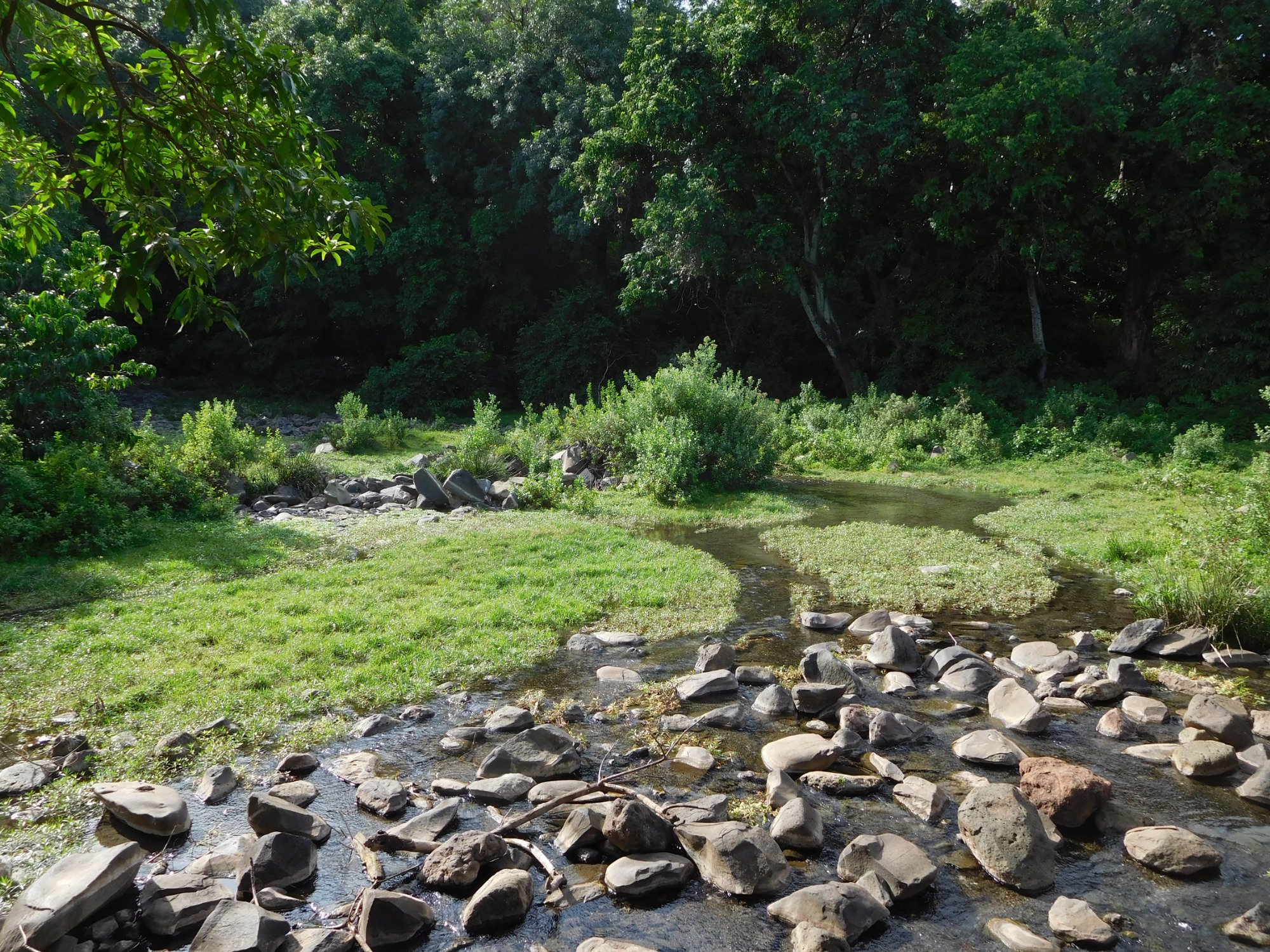
Hiking Mount Nkungwe means a multi-day climb to the highest peak of Mahale Mountains National Park, which rises to about 2,460 metres above Lake Tanganyika in far western Tanzania. The route climbs through lowland forest, bamboo and cool montane woodland, with basic camps along the way. It is one of the country’s remotest treks, reached only by boat, and often paired with chimpanzee trekking in the same park.

This guide is honest about what the climb involves. It is a demanding walk in a remote place, not a casual afternoon stroll, and most people who come to Mahale spend their days tracking chimpanzees rather than pushing for the top. If you do want the peak, plan for it in advance, arrive fit, and treat the mountain with the respect the local people have always given it.
Quick orientation: Nkungwe sits inside a park with no roads. You arrive by small plane or by boat, sleep in tented camps or a park guesthouse near the lake, and every step of the climb is guided. There is no mobile signal on the mountain and no rescue vehicle waiting at the trailhead.
What the Nkungwe hike actually involves
The trek to the top of Mount Nkungwe is usually spread over two or three days, and that spread matters. Attempting it in a single very long day is possible for strong, acclimatised walkers, but it turns a rewarding climb into a grind. Most guides recommend the slower version, camping partway up so the body has time to recover before the final push to the summit.
The climb starts near the park headquarters at Kansyana or from one of the beach camps along the lake. From there the path gains height steadily. The total ascent is close to 1,700 metres from the lakeshore, since the water sits at around 770 metres and the peak reaches about 2,460 metres. That is a serious amount of climbing over rough ground, and much of it is on narrow forest trails that are muddy, rooty, and slick after rain.
Do not expect graded switchbacks or signposts. The route follows game trails and old paths cut by rangers, and it can be steep, overgrown, and hard to read in places. Your guide sets the pace, finds the water sources, and chooses the camp clearings. Walking here is as much about patience and footing as about raw fitness.
The forest zones you climb through on the trek
One of the real pleasures of this climb is watching the vegetation change with height. The mountain stacks several distinct habitats one above the other, and you pass through all of them on the way to the top.
Low down, near the lake, the trail runs through warm, humid lowland tropical forest, thick with tall trees, tangled undergrowth, and the calls of forest birds. This is the same belt where the chimpanzees of Mahale spend much of the dry season, so early parts of the walk often overlap with prime primate country.
Higher up the path enters bands of dense bamboo, where the stems grow so close together that the light dims and the trail narrows to a green tunnel. Above the bamboo comes cooler montane forest, full of podocarpus, mahogany, and branches draped in moss and lichen. Near the summit the trees thin out and give way to more open, wind exposed slopes and grassy patches. Feeling the air cool as you gain height, and swapping heavy heat for a crisp mountain chill, is one of the quiet highlights of the whole climb.
You start the day sweating in lakeside jungle and finish it pulling on a fleece in cool mossy woodland, all on the same mountain.
The summit and the view from the top
The final approach to the roughly 2,460 metre summit takes you onto the high ridge that forms the spine of the Mahale range. On a clear morning the top of Nkungwe gives an enormous view. Below and to the west lies the long silver sheet of Lake Tanganyika, the second deepest and longest freshwater lake in the world, with the hills of the Democratic Republic of Congo rising faintly on the far shore. In other directions, forested peaks roll away in layers of blue and green.
Cloud often builds over the high ground by mid morning, so guides aim to reach the top early. That usually means a pre dawn start from the high camp, walking by headtorch through the last stretch of forest to catch the view before the mist closes in. Standing on the highest point of a park that almost no one reaches, with the lake stretched out far below, is a genuinely rare feeling.
A mountain the Batongwe and Holoholo hold sacred
Nkungwe is not just a high point on a map. For generations the Batongwe (also called the Tongwe) and the Holoholo people who lived along this shore of Lake Tanganyika have regarded the mountain as sacred ground, a dwelling place of ancestral spirits. The peak and its forests carried deep spiritual meaning long before any park boundary was drawn.
That history has a hard edge. When the Mahale Mountains Wildlife Research Centre was established in 1979 and the national park followed in 1985, communities who had farmed and fished here for centuries were moved out of the mountains. The traditions did not vanish. Batongwe and Holoholo families still living near the park keep customs tied to the land and the lake, from building canoes by hand to dances that honour the water.
Walk it respectfully. Ask your guide how the mountain is regarded locally, follow any guidance about places that are not to be disturbed, and treat the climb as a visit to a place that matters to people, not just a summit to bag. Leave no litter, and take nothing from the forest.
Combining the climb with chimpanzee trekking at Mahale
Most people who make the long trip to Mahale come for the chimpanzees, and the smart plan pairs the two. Mahale protects one of the largest wild chimpanzee populations in Africa, with a habituated community that researchers have followed for decades. A morning tracking these animals through the same lowland forest that forms the base of Nkungwe is, for many visitors, the single best wildlife experience in Tanzania.
Because chimp tracking can be short or long depending on where the group has moved, and because the Nkungwe climb needs several clear days, it is worth building a flexible itinerary. A common shape is a few days based at a lakeside camp for chimpanzee trekking, kayaking, and swimming, followed by the multi day push up the mountain with a small support team. That way a difficult, weather dependent climb does not swallow your only chance to see the chimps.
Mahale works well as one leg of a wider Tanzania safari, though it sits far from the northern circuit and needs its own flights. Many travellers combine it with the western parks or bolt it onto a classic plains safari as a wilder, forested finale.
Chimpanzee trekking: Guided walks from the beach camps into the lower forest to find the habituated group. Fitness helps, since the chimps often climb the slopes.
Nkungwe summit climb: The two to three day trek to the top, camping en route, for fit and prepared walkers.
Lake time: Swimming, snorkelling for colourful cichlid fish, kayaking, and boat trips on Lake Tanganyika between forest outings.
Forest and birding walks: Shorter guided hikes for those who want the forest without the full summit commitment.
Getting to Mahale for the trek
Reaching the trailhead is part of the adventure, because Mahale has no road access. There are two realistic ways in.
The fastest route is by air. Light charter and scheduled flights run from Arusha, Dar es Salaam, or the lakeside town of Kigoma to the small Mahale airstrip. From the airstrip a boat transfer of one to two hours along the lake carries you to the camps near the park headquarters. Flying saves days and is how most safari guests arrive.
The slower route is by boat from Kigoma. Kigoma is served by domestic flights and by the historic lake railway, and from there you can reach Mahale by water. A private speedboat takes roughly three to four hours. The old passenger ferry, the MV Liemba, is far cheaper and far slower, a memorable but time consuming way to travel down the lake. Overland travel by road is possible only as a rough multi day expedition and is not recommended for a normal trip.
Plan buffer days. Small planes and boats depend on weather. Build a spare day into your schedule so a delayed flight does not eat the day you set aside for the summit.
Fitness, guides, and safety on the climb
Be realistic about the demands. The Nkungwe climb is physically hard, with big daily height gains on rough, often slippery ground, in heat and humidity low down and cold, damp air near the top. It suits walkers in genuinely good condition who are comfortable with long days and basic camping. If you are unsure of your fitness, splitting the climb over three days rather than two makes it far more manageable, and turning back is always a sensible option.
Every ascent is done with park guides and rangers, which is both a rule and a necessity. They know the route, carry firm knowledge of the forest, and handle any wildlife you meet on the trail. A support team usually helps with camp gear and water. Come prepared with sturdy broken in boots, rain protection, warm layers for the summit camp, plenty of insect cover, and any personal medication, since there is no shop and no clinic on the mountain.
Compared with a major high altitude climb such as climbing Kilimanjaro, Nkungwe is lower and shorter, so altitude sickness is far less of a worry. The challenge here is different. It is the remoteness, the rough underfoot conditions, the humidity, and the sheer effort of hauling yourself up nearly 1,700 metres of forest with no easy exit if things go wrong. Treat it seriously and it is deeply rewarding.
Best time to tackle the Nkungwe tour
7-Day Arusha to Serengeti Northern Circuit Safari
12-Day Kilimanjaro Climb & Serengeti Safari
6-Day Lake Manyara, Tarangire, Serengeti & Ngorongoro Safari
Timing is everything on this mountain. The clear choice for both the climb and chimp tracking is the dry season, roughly from May or June through to October. In these months the trails are firmer and less treacherous, the summit views are more likely to be clear, and the chimpanzees tend to move down to the lower slopes, making them easier to find near the start of the climb.
The wet months bring heavy rain that turns the steep forest paths to mud, swells the streams, and often smothers the summit in cloud, while the chimps spread higher up the mountain. Some camps close entirely during the heaviest rains. For a serious attempt on the peak, aim squarely for the heart of the dry season and give yourself flexible dates around it.
Frequently asked questions about the Mount Nkungwe hike
How high is Mount Nkungwe and how much do you climb?
The summit stands at roughly 2,460 metres above sea level, the highest point in Mahale Mountains National Park. Because Lake Tanganyika sits at about 770 metres, the total height gain from the shore to the top is close to 1,700 metres, spread over the two or three day trek.
How many days does the Nkungwe trek take?
Most climbs take two to three days, camping at rough clearings along the way. Very strong walkers sometimes attempt it in one long day, but splitting it over two or three days is safer, more comfortable, and far more common.
Do I need to be very fit for this climb?
Yes. This is a demanding walk with large daily height gains on steep, muddy, root covered forest trails, in humid heat low down and cold air near the top. It suits people in good physical condition who are used to long days on foot and basic camping. Spreading the climb over three days makes it more achievable for less experienced hikers.
Can I combine the climb with chimpanzee trekking?
Absolutely, and most visitors do. A common plan is a few days of chimpanzee tracking and lake activities from a beach camp, then the multi day summit climb with a guided support team. Building the two into one trip makes the long trip to this remote park well worth it.
What does it cost to visit Mahale and climb Nkungwe?
Mahale is a remote, fly in destination, so it sits at the higher end of Tanzanian travel budgets. Costs stack up from charter or scheduled flights, boat transfers, park and chimpanzee permit fees, guide and ranger fees for the climb, and camp or lodge accommodation. Guided climbing packages that bundle transfers, permits, guides, and camping typically run into several thousand US dollars per person once flights are included, so it is best priced as a tailor made trip with an operator rather than as a fixed rate.
Is the mountain safe to climb, and are guides required?
All climbs must be done with park guides and rangers, both for your safety and to follow park rules. They handle route finding, water, camp sites, and any wildlife on the trail. The main risks are the remoteness, rough footing, and weather rather than altitude, since Nkungwe is far lower than Kilimanjaro. Come well equipped, follow your guide, and be ready to turn back if conditions or your energy demand it.
When is the best time to hike Mount Nkungwe?
The dry season, roughly May or June to October, is the best window. Trails are firmer, summit views are clearer, and chimpanzees move to the lower slopes where they are easier to find. The wet season brings mud, cloud, and swollen streams, and some camps close, so the dry months are strongly preferred for the summit trek.