Ten days across the full sweep of Tanzania’s northern circuit, from the forests and lakes of Arusha National Park to the open Serengeti plains. You explore Lake Manyara and Tarangire for elephants and birdlife, spend two full days chasing big cats and the migration in the Serengeti, and drop into Ngorongoro Crater for rhino, lion and flamingo.
Your international flight arrives at Kilimanjaro International Airport, where your driver guide is waiting to transfer you to Arusha, about an hour away through farmland below Mount Meru. After checking in you have time to rest and shake off the travel. Your guide meets you for a short briefing on the route ahead, the parks, the daily rhythm and what to expect from the northern circuit. The rest of the day is yours to relax at the lodge, swim or stroll the gardens. Arusha is the base town for safaris in this part of the country and a comfortable place to start. Dinner is served at the lodge. Overnight at a lodge in Arusha.
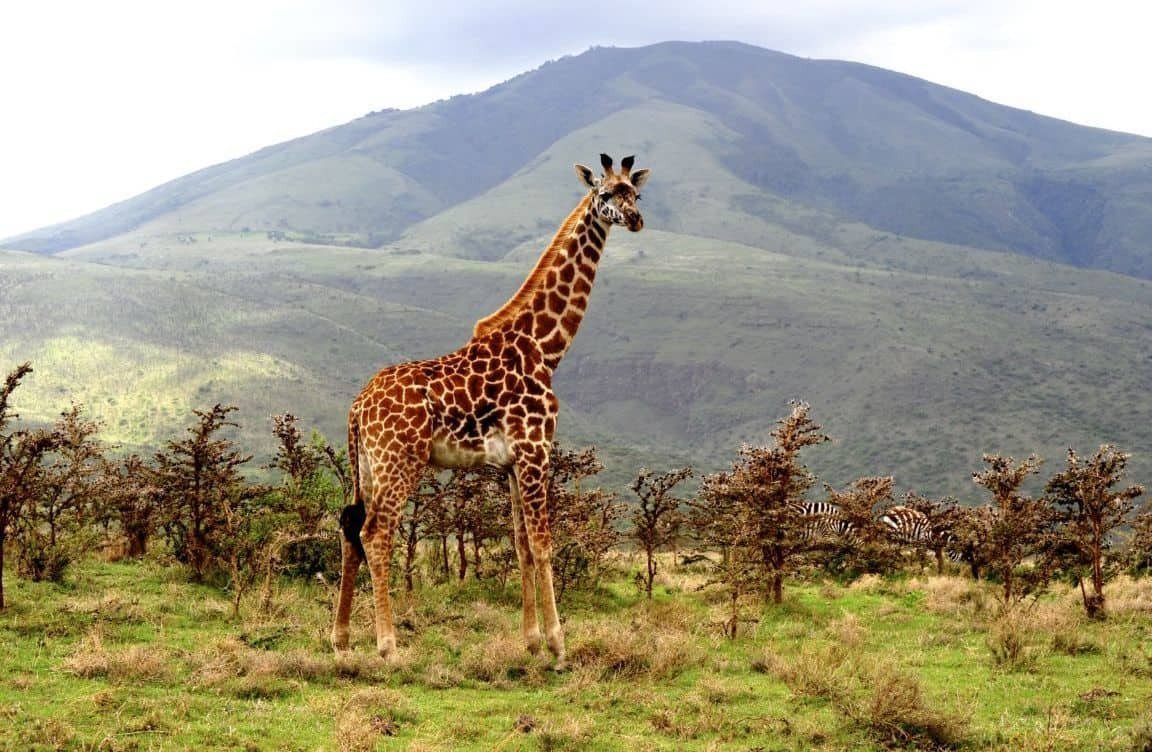
After breakfast you head to Arusha National Park, a compact and often overlooked park on the slopes of Mount Meru. In one day you pass through three different settings, the Momella lakes with their flamingos and waterbirds, the forested Ngurdoto Crater, and open glades where giraffe, buffalo, zebra and colobus monkeys feed. Because there are no lions here, the park allows a guided walking safari on foot with an armed ranger, a rare chance to leave the vehicle. On a clear day Mount Kilimanjaro shows on the horizon beyond Meru. You spend around five hours exploring with a picnic lunch. In the afternoon you return toward Arusha. Meals are breakfast, lunch and dinner. Overnight at a lodge near Arusha.
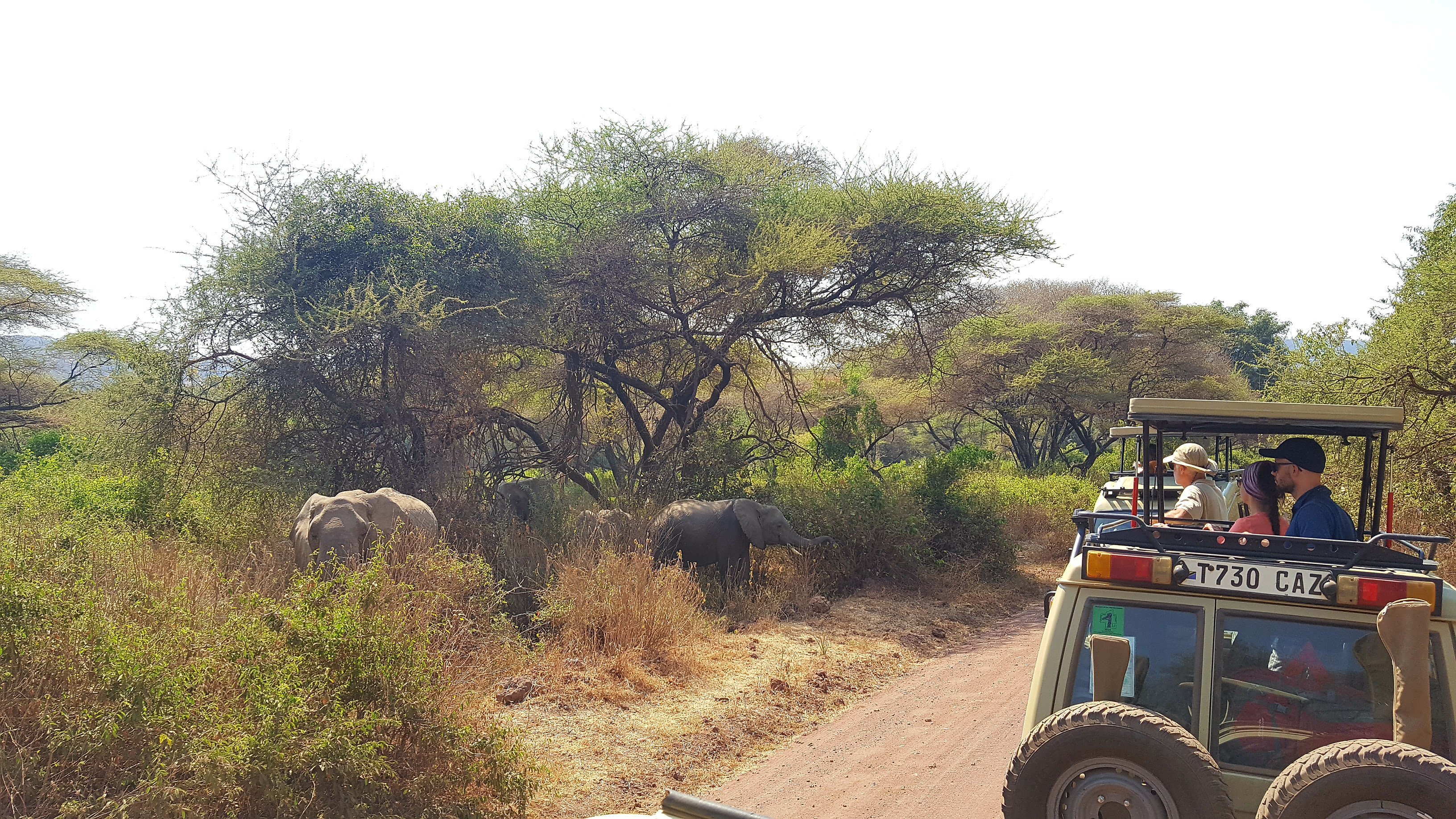
You drive southwest after breakfast to Lake Manyara National Park, roughly two hours away below the Rift Valley wall. The park is a thin strip between the escarpment and the shallow soda lake, packing a lot of variety into a small area. A game drive takes you from shady groundwater forest, full of baboons and blue monkeys, out to open floodplain where elephants and buffalo graze. The lake edge draws flamingos, pelicans and storks, and Manyara is one of the places where lions sometimes rest in the trees. Hippos wallow in the pools near the springs. You cover about five hours of viewing with a picnic lunch in the park. Meals are breakfast, lunch and dinner. Overnight at a lodge near Manyara.
This morning you continue to Tarangire National Park, known for two things above all, elephants and baobab trees. In the dry season the Tarangire River is the only reliable water for miles, so it pulls in big herds of elephant, zebra, wildebeest and buffalo, with lion, leopard and cheetah not far behind. You game drive through rolling grassland dotted with the thick trunks of ancient baobabs, a landscape quite unlike the other parks. Birdlife is excellent, from hornbills to the kori bustard. A picnic lunch is taken in the park, and you spend a full day of around six hours on the tracks. Meals are breakfast, lunch and dinner. Overnight at a lodge or tented camp near Tarangire.
Today you make the long and scenic drive up to the Serengeti. The route climbs through the Ngorongoro Conservation Area, past Maasai villages and grazing herds, with a stop at the crater rim viewpoint. From there you descend to the plains and enter the park at Naabi Hill Gate, beginning your game viewing as you drive toward the central Seronera area. The short grass country is prime ground for lion, cheetah and, in the right season, the wildebeest migration spread to the horizon. You reach camp in the afternoon with time for a first proper drive. A picnic lunch is taken along the way. Meals are breakfast, lunch and dinner. Overnight at a camp in the central Serengeti.
A full day in the Serengeti with morning and afternoon game drives out of Seronera. The valley here has resident lion prides, leopards resting in the sausage and acacia trees, and cheetah working the open plains. Your guide reads the tracks and radio calls to find the best sightings, whether that is a kill, a river of migrating wildebeest or a den of cubs. Between the predators you see elephant, giraffe, hippo, topi and endless gazelle. The middle of the day is spent back at camp out of the heat, with lunch and a rest before heading out again as the light softens. There is an optional dawn balloon flight for those who want it, booked ahead. Meals are breakfast, lunch and dinner. Overnight at a camp in the central Serengeti.
A second full day lets you range further across the Serengeti, following where the wildlife and the season lead. Depending on the month your guide may drive north toward the Grumeti area or south onto the plains, tracking the migration or simply working the resident game more slowly. Full day drives with a packed lunch let you reach quieter corners away from the busier central tracks. This is the day to sit with a sighting, watch a hunt unfold or wait at a waterhole and see who comes down to drink. The Serengeti rewards patience, and two days here give it time to deliver. You return to camp in the evening. Meals are breakfast, lunch and dinner. Overnight at a camp in the central Serengeti.
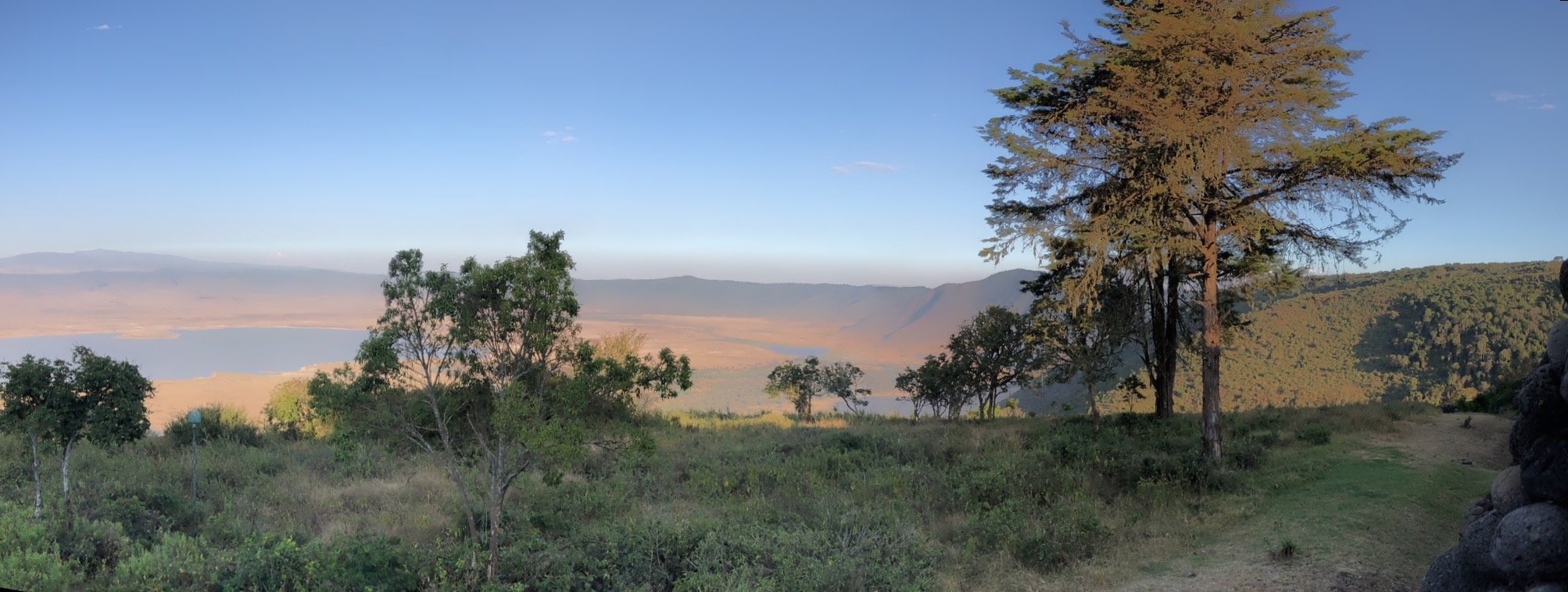
After a last morning game drive in the Serengeti you turn back east toward the highlands, viewing wildlife as you go. On the way you can stop at Olduvai Gorge, the site where early human fossils were found, for a short talk at the small museum. The road then climbs to the forested rim of Ngorongoro Crater, where the air is cool and the views over the caldera open up at sunset. You settle into a lodge on the rim for the night, ready for an early descent in the morning. The drive and viewing fill most of the day with a picnic lunch. Meals are breakfast, lunch and dinner. Overnight at a lodge on the Ngorongoro rim.
You descend into Ngorongoro Crater after an early breakfast, dropping down the steep track to the floor of this collapsed volcano. The crater holds one of the densest gatherings of wildlife anywhere, contained within its walls. On the game drive you look for black rhino, which shelter here in good numbers, along with lion, elephant, buffalo, hippo and flocks of flamingo on the soda lake. The setting is unlike any other park, a self contained bowl of grassland, marsh and water ringed by high walls. A picnic lunch is taken beside a hippo pool. In the afternoon you climb back out and transfer to a lodge near Arusha or Karatu for your final night. Meals are breakfast, lunch and dinner. Overnight near Arusha.
After breakfast the safari winds down. Depending on your flight time you may relax at the lodge or make a stop in Arusha to shop for crafts and coffee before your transfer. Your driver guide takes you to Kilimanjaro International Airport in good time for your onward flight. Looking back, the trip has carried you from the small forests of Arusha National Park through elephants, big cats and the open plains to the rhinos of the crater, a full picture of the northern circuit. Meals are breakfast. End of services.
The classic northern circuit is a year round destination, but the two seasons feel different. The dry months from late June to October give the strongest game viewing, with short grass, thinner bush and animals concentrated at water, and this is when the Serengeti migration often reaches the north. It is also the busiest and priciest time. The green season from November to May brings afternoon showers, greener country and the wildebeest calving on the southern Serengeti plains around February, which draws big cat action. Birding peaks in the green months when migrants arrive. There is no bad time, it depends on whether you want peak animal density and dry trails or lower prices, fewer vehicles and green scenery.
Each stop has its own character. Arusha National Park is small and green, good for a gentle first day and a walking safari among giraffe and buffalo, with no lions to worry about. Lake Manyara is a narrow strip of forest, floodplain and soda lake, strong on elephants, baboons, hippos and flamingos. Tarangire is all baobabs and huge elephant herds, quieter and very scenic. The Serengeti is the headline act, open plains with the highest concentration of big cats and the migration. Ngorongoro Crater is a compact volcanic bowl with astonishing density, the best place on the route for black rhino. Visiting them in sequence means the land and the wildlife keep changing rather than repeating.
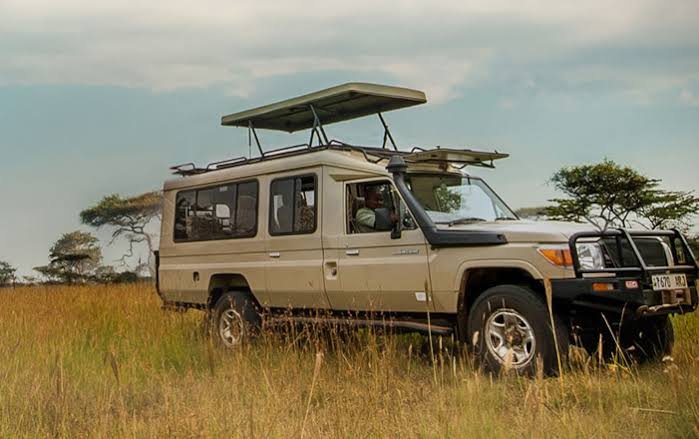
This is a road based safari, so expect some long drives, especially the day up to the Serengeti and the return from it, which can each run several hours on a mix of tarmac and rough park tracks. The vehicle is a purpose built 4x4 with a pop up roof, cushioned seats and space to spread out, and your guide breaks up the long stretches with game viewing, photo stops and a picnic. The roads inside the parks are bumpy by nature, part of the safari. If anyone in your group is prone to motion sickness, bring tablets. On balance the driving is very manageable and the changing scenery keeps it interesting rather than tedious.
The great migration moves around the Serengeti ecosystem all year, so whether you see it, and where, depends on the month. As a rough guide the herds are on the southern and eastern plains from about December to March for the calving, move west and north through the middle of the year, and reach the far north and the Mara River from roughly July to October. With two full days in the Serengeti your guide will drive to wherever the herds are that week. Even outside the main herds there is always resident wildlife, so a quiet migration day still delivers lions, leopards, cheetah and plains game. We can tell you what to expect for your chosen dates.
Yes, this trip works well for families. The pace is varied, the walking safari in Arusha National Park and the crater descent are highlights that keep children engaged, and a private vehicle means you can adjust drive lengths, take breaks and manage nap times around young ones. Most lodges welcome families and many have pools and family rooms. Very long drive days, like the Serengeti transfers, can test younger children, so we sometimes suggest breaking these up or adding an internal flight to shorten them. There is no minimum age for the game drives, though some camps set their own limits. Tell us the ages in your group and we will pitch the lodges and the pace to suit.
Tanzania's northern parks lie in a malaria area, so antimalarial tablets are recommended. Visit a travel clinic or your doctor several weeks before departure to pick a suitable course and begin it on time. Commonly advised vaccinations include hepatitis A, typhoid and tetanus, and you may need to show a yellow fever certificate if you are arriving from or passing through a country where yellow fever occurs. In practice the risk is reduced at the higher, cooler altitudes of Ngorongoro and Arusha, but it is safest to cover the whole trip. Use repellent, wear long sleeves at dusk and sleep under the nets provided. Arrange all of this ahead of time rather than on arrival.
Bring neutral, comfortable clothing in soft, packable layers. Mornings and evenings on the crater rim and in Arusha National Park are cold, while midday on the plains is hot, so layering matters. Pack a warm fleece, a light rain jacket, a sun hat, sunglasses and high factor sunscreen. Closed walking shoes are useful for the Arusha walking safari. Add insect repellent, any personal medication, a reusable water bottle and a small daypack for drives. Binoculars and a camera with a decent zoom greatly improve the wildlife viewing. Keep luggage in a soft bag if any internal flights are added. Most lodges offer laundry, so you can travel light and rewear outfits.
The price moves with the season and the standard of accommodation you choose. Park and crater fees are higher in the peak dry months, and lodge rates rise sharply around the busy season and the holidays, so identical dates cost more in July than in April. Simpler lodges and tented camps bring the price down, while more exclusive or better located properties push it up. A private guide and vehicle, as included here, costs more than a shared seat in a group vehicle but gives you full control of the days. Adding a Serengeti balloon flight or upgrading rooms also changes the total. We can build the same route at several price levels while keeping the parks and the wildlife the same.