
Manyara Wildlife Safari Camp is a tented safari camp set high on the Great Rift Valley escarpment above the northern shore of Lake Manyara, near the town of Mto wa Mbu in northern Tanzania. You can book it through most northern circuit operators, and it sits roughly ten to fifteen minutes from the Lake Manyara National Park gate. The camp works as a comfortable base for game drives and wider safaris across the region.
The name Manyara comes from a Maasai word, emanyara, which refers to the euphorbia plant that grows across this part of the country. This is a camp that leans into its setting, perched on a gentle slope with wooded hills rising behind and the pale sheet of the lake spread out below. Guests tend to arrive after a long drive from Arusha or a game drive in the park, and the camp gives them a place to slow down, eat well, and watch the light change over the valley.
A Rift Valley Escarpment Base for Your Lake Manyara Safari
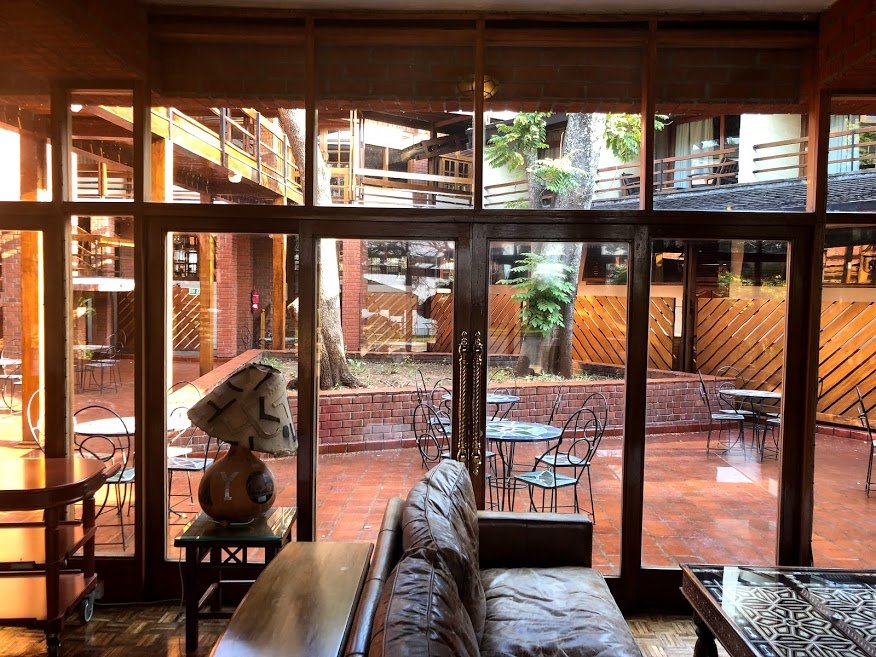
Location does a lot of the work here. The camp sits at the top of the escarpment, a wall of rock and green that climbs several hundred metres above the northern tip of Lake Manyara. From the open sided lounge and the upper level of the dining building, you look out across the lake and the rolling hills that frame it.
Being just outside the park has practical value. You are close enough to reach the entrance gate within about ten to fifteen minutes, so early starts are genuinely early and you catch the best wildlife hours before the day heats up. Staying outside the park boundary also means the camp can offer walks, night drives, and cultural visits that are harder to arrange from lodges deep inside a protected area.
Tented Chalets and Cottages at Manyara Wildlife Safari Camp
Accommodation comes in two main forms: canvas tented chalets and double storey cottages. Both are built in a similar style, with traditional thatched roofing and private decks or balconies that face out toward the lake and the grassland. The tents are permanent structures on solid bases, so this is tented in the safari sense rather than anything you pitch yourself.
Inside, rooms are set up for comfort after a dusty day. Beds are dressed with mosquito netting, and configurations run from king beds to twin and triple arrangements, which makes the camp workable for couples, friends travelling together, and families. Each unit has its own bathroom with hot and cold showers, plus small touches like a fan and tea and coffee facilities. The private deck is the part guests remember, a quiet spot to sit with a drink and watch birds work the bushes below.
Exact room counts vary a little between listings, so it is fair to call the camp a mid sized property rather than a sprawling hotel or a tiny bush camp. That scale keeps things personal while still supporting a proper restaurant, a pool, and a bar.
Canvas walls under a thatched roof, on raised bases, with a private deck facing the valley. They carry the classic safari feel while keeping solid bathrooms and comfortable beds.
Built structures with an upper level and a balcony, giving a little more height for the view. A good pick if you want a slightly more solid room and enjoy looking out over the treetops.
Dining and Evenings at the Camp Above Lake Manyara
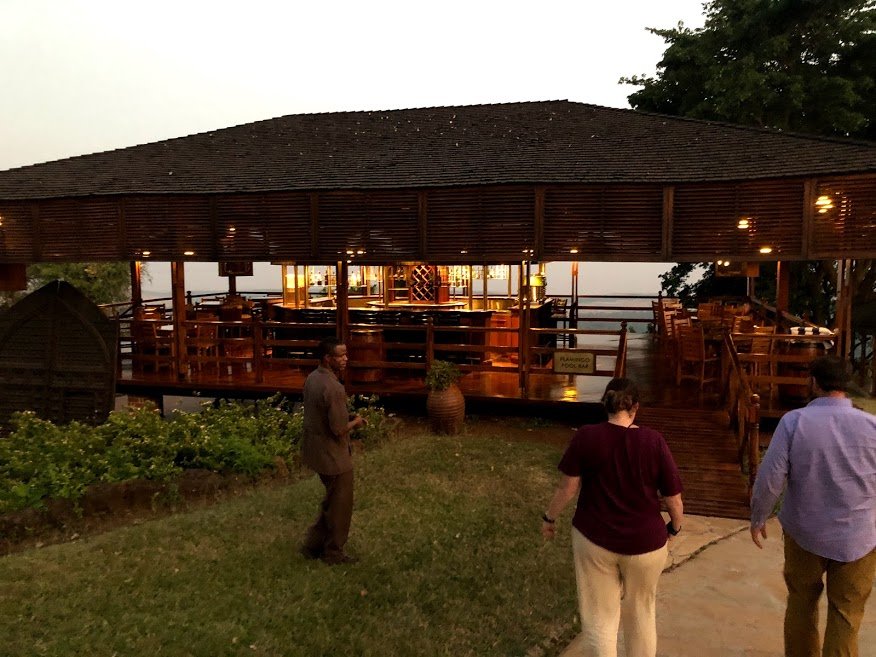
The dining room is one of the camp’s stronger features. It has a warm interior lit softly by lamps, and an upper floor that opens toward the game park and the lake. Eating in the open air while looking over the bush is the sort of thing that makes a safari stay feel different from a hotel, and the kitchen backs it up with a varied menu.
Food leans international with local roots. You will find intercontinental dishes alongside Indian cooking and Tanzanian plates, and much of the produce, the vegetables and herbs, is grown in the villages nearby. The chef and staff are used to handling dietary needs, so guests with restrictions can usually be looked after with a little notice. Meals run from breakfast through lunch to dinner, and a bush dinner is sometimes part of the mix.
Evenings settle into a gentle rhythm. A campfire is lit most nights, giving people a place to gather for drinks and swap stories from the day before dinner. Those who prefer indoors can head to the upper level of the dining building to relax with a view over the park and lake. The swimming pool sits right in front of the dining area, so an afternoon dip to wash off the day’s heat is easy to fit in.
Game Drives in Lake Manyara National Park
The main reason to base yourself here is the game viewing in Lake Manyara National Park, a short drive down the escarpment. The park is compact but rich, with a groundwater forest near the gate that gives way to open grassland, the lakeshore, and acacia woodland. That mix packs many habitats into a small area, so a half day drive can move through several very different scenes.
Elephants are commonly seen moving through the forest and along the tracks, and large herds of buffalo, giraffe, zebra, and various antelope are regular sightings in the drier months. The park is also known for its tree climbing lions, though these are never a sure thing and depend on luck and conditions on the day. Hippos gather in the pools near the lake, and the shoreline draws big numbers of birds. Guests staying at the camp often report seeing lions, giraffes, and elephants among other wildlife, with the caveat that the bush offers no guarantees.
Because the gate is so close, you can run a productive morning drive, return to camp for lunch and a rest through the hot part of the day, and head out again in the cooler late afternoon. That flexibility is one of the quiet advantages of sleeping right above the park.
Leave soon after the gate opens to catch active wildlife in the cool hours, working the forest and lakeshore before the day warms.
Carry a packed lunch and stay out across the different habitats, giving yourself the best chance at the wider range of animals and birds.
A shorter late day loop after a midday break at camp, timed for softer light and animals moving again toward evening.
Walking Safaris and Night Game Drives from the Camp
Sitting outside the park opens up activities that a vehicle drive alone cannot give you. Walking safaris are one of them. Guided walks in the Lake Manyara area follow different trails, including forest walks and routes along the escarpment, and they let you take in the smaller details that get lost from a moving vehicle: tracks, birdsong, plants, insects, and the general feel of the bush on foot. A walk is slower and more personal, and it changes how you read the country around you.
The camp also arranges night game drives on request. These run after dark and give more adventurous guests a chance to look for the nocturnal animals that stay hidden during the day. A spotlight can pick out genets, bushbabies, and other creatures that only come out once the sun is down. Because these drives depend on arrangements and conditions, it is worth asking about them when you book or on arrival.
Cultural Tours Around Mto wa Mbu
Mto wa Mbu, the market town just below the escarpment, is one of the more ethnically mixed places in Tanzania, and a cultural tour here is an easy addition to a stay. Many guests spend part of a day visiting the local market and the craft shops, where Maasai beadwork such as necklaces and earrings is on display alongside other local art. It is a chance to meet people, see how the town works, and buy something made close by.
The camp can also help arrange bicycle rentals, which suit a gentle explore of the surrounding area at your own pace. Pairing a morning game drive with an afternoon cultural visit is a common way to build a day, and the travel desk at camp is the place to sort out the details.
Birding and Wildlife Watching at Lake Manyara
Lake Manyara is a strong birding spot, and the camp makes a good perch for it. The lake is an alkaline body of water that draws large numbers of waterbirds, and in the right season flamingos can gather along the shallows in pink drifts, though their numbers rise and fall with water levels and are never fixed. Pelicans, storks, herons, and many smaller species work the shoreline and the surrounding woodland.
You do not have to be in the park to enjoy the birds. The bushes and trees around the tents and cottages are busy with life, and a slow morning on your deck with a coffee can turn up a surprising list. For guests who care about birds as much as big mammals, the mix of lakeshore, forest, and escarpment habitats near the camp gives plenty to look at.
Northern Circuit Safari Tours Beyond Lake Manyara
Lake Manyara is one stop on Tanzania’s northern circuit, and the camp’s position makes it a natural staging point for the wider route. The Ngorongoro Crater lies roughly two hours away by road, and the vast plains of the Serengeti sit beyond it. Tarangire National Park, known for its elephants and baobab trees, is also within reach for a day trip or a stop on the way through.
Many itineraries use Lake Manyara as a first or last night on a longer loop, a gentle way to ease into the safari or wind down at the end. Because the camp is set up for northern circuit travel, staff are used to guests coming and going on multi park trips, and the travel desk can help slot the camp into a broader plan.
Getting to Manyara Wildlife Safari Camp
Most guests arrive by road as part of a northern circuit trip. The usual gateway is Kilimanjaro International Airport, from which Arusha is about an hour by car. From Arusha it is roughly a further 90 minutes to two hours west along a surfaced road to the Mto wa Mbu area, close to the camp. The road has improved a lot, which makes the transfer smoother than it once was.
Flying closer is possible too. Light aircraft serve the Lake Manyara airstrip from Arusha and Kilimanjaro, and from the airstrip it is a short vehicle transfer of under an hour up to the camp. Coming from the other direction on a circuit, the Ngorongoro Crater is about two hours away by road. No matter how you arrive, the final approach climbs the escarpment, and the drive in often produces a few wildlife sightings before you have even checked in. Your operator will normally handle the transfers as part of the safari arrangement.
Best Time to Visit Lake Manyara for a Safari
The camp stays open all year, and each season has its own character. The dry months, roughly late June through October, are the classic game viewing window: vegetation thins out, animals gather around water, and tracks are easier to drive. This is when big herds are most visible and photography is at its clearest. It is also the busier and generally pricier stretch.
The green season, during the rains, brings a different reward. The country turns thick and full, migrant birds arrive, and the camp is quieter. Roads can be trickier and some wildlife scatters when water is everywhere, but the birding is at its best and the scenery is at its richest. Neither window is wrong. It depends on what you want from the trip.
11-Day Northern Circuit & Ruaha Wilderness Safari
6 Days Lake Manyara, Serengeti & Ngorongoro Crater
3-Day Family Ruaha National Park Safari
Late June to October. Easier game viewing, animals near water, clear skies. The most popular time, so book ahead.
The rainier months. Fewer visitors, superb birding, and green scenery, with some wildlife more spread out and roads softer.
Frequently Asked Questions About Manyara Wildlife Safari Camp
Where exactly is Manyara Wildlife Safari Camp?
The camp sits on top of the Great Rift Valley escarpment above the northern shore of Lake Manyara, near the town of Mto wa Mbu in northern Tanzania. It is outside the park boundary, around ten to fifteen minutes by road from the Lake Manyara National Park gate.
What kind of accommodation does the camp offer?
Guests stay in canvas tented chalets or double storey cottages, both with thatched roofs and private decks or balconies facing the lake and grassland. Rooms have ensuite bathrooms with hot and cold showers, mosquito nets over the beds, a fan, and tea and coffee facilities, with king, twin, and triple bed options.
What activities can I do from the camp?
The main draw is game drives in Lake Manyara National Park, just down the escarpment. The camp also arranges walking safaris on forest and escarpment trails, night game drives on request, cultural tours around Mto wa Mbu, and birding. Bicycle rentals can be organised through the travel desk.
How much does it cost to stay at Manyara Wildlife Safari Camp?
Nightly rates currently range roughly from the mid to upper end of the mid market tier, and they vary by season, room type, and how the stay is packaged into a wider safari. Dry season and peak periods sit at the higher end of the range, while quieter green season stays tend to be more affordable. Your operator can give an exact quote for your dates and itinerary.
Is the camp a good base for a northern circuit safari?
Yes. It works well as a first or last night on a longer loop and as a staging point for the wider region. The Ngorongoro Crater is about two hours away by road, with the Serengeti beyond it and Tarangire National Park also within reach, so many itineraries build Lake Manyara in around those parks.
When is the best time to stay?
The camp is open all year. The dry months from about late June to October give the easiest game viewing, while the green season brings excellent birding, fewer guests, and richer scenery with some trade offs on road conditions. The right choice depends on your priorities, big game sightings on one side, birds and quiet on the other.


