
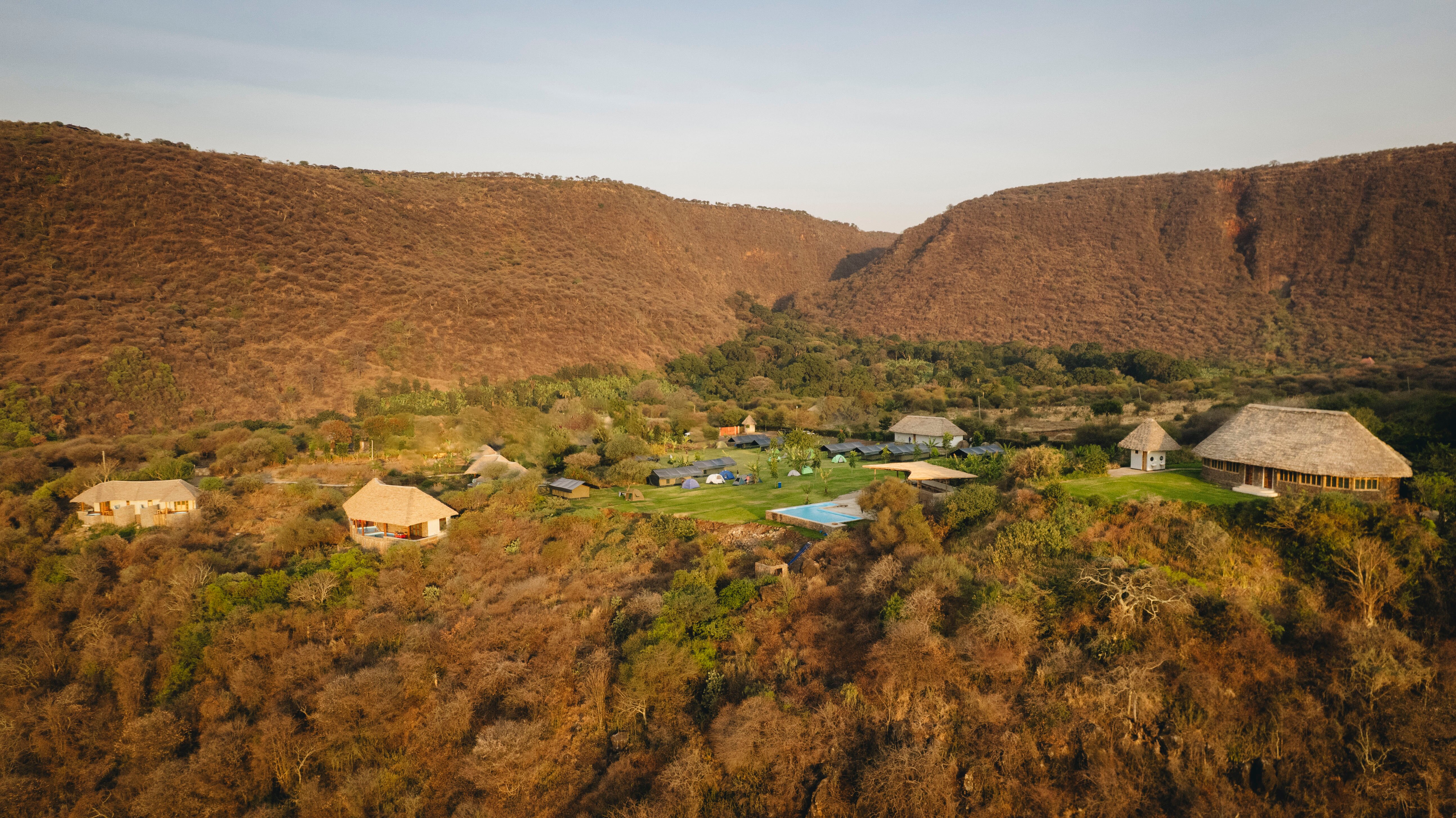
Foot On Africa Safari Lodge is a small safari lodge in Mto wa Mbu, the gateway town at the entrance to Lake Manyara National Park in northern Tanzania. It suits couples and small groups who reserve through a tour operator or contact the lodge direct for an overnight base between the northern circuit parks. The property appears on the main travel platforms under the Mto wa Mbu listings, where guests have rated it 4.9 out of 5.
A New Name Among Mto wa Mbu Safari Lodges
Mto wa Mbu has dozens of places to sleep, from backpacker campsites to walled lodges with pools, and new properties join the listings every year. Foot On Africa Safari Lodge is one of the newer names. Its platform page is still thin on detail, with no published review count and no amenity list, yet the guest score it does show sits at 4.9, near the top of what the town’s accommodation achieves.
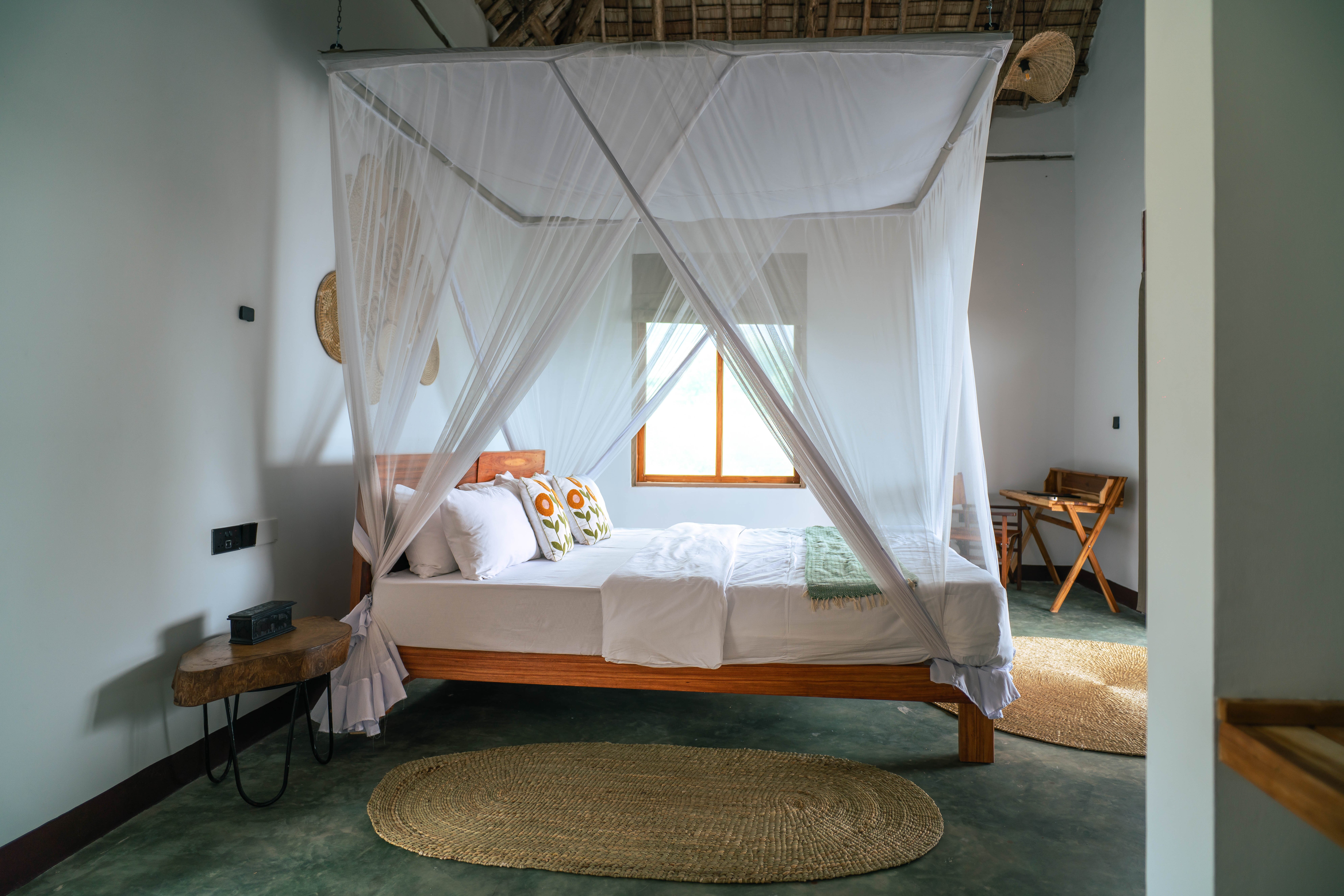
That thinness cuts both ways. You get less to research, and you also get a lodge that has not yet been worn smooth by volume. Early-stage properties in this town tend to compete hard on service, because word of mouth among drivers and guides decides their future. Treat the high score as a promising signal, then confirm the specifics that matter to you by messaging the lodge before you commit.
Accommodation and Facilities at the Lodge
The public listing does not publish a room count, room types or a facilities list, so this profile will not invent them. What can be said with confidence is what the location itself provides. Lodges in Mto wa Mbu sit on mains and borehole water, town electricity, and a food supply chain fed by the surrounding farms, so fresh produce at dinner is the norm here rather than a luxury.
Before booking, ask three practical questions. Whether rooms are en-suite. Whether dinner is available on site or taken in town. Whether the lodge has secure parking if you are self-driving. Every established lodge in the town answers these in a single reply, and the answers will tell you quickly whether the property matches your style of travel.
Tip: When a listing is young, recent guest photos are worth more than the score. Ask the lodge on the platform’s messaging system for current room pictures. A same-day reply with photos is itself a good sign of how the place is run.
Lake Manyara Game Drive Safaris From the Lodge
Location is the lodge’s strongest card. The gate of Lake Manyara National Park lies minutes from anywhere in Mto wa Mbu, which turns the park into a morning outing rather than an expedition. Game drive safaris here begin in dense groundwater forest, fed by springs at the foot of the Rift wall, before the road breaks out onto open floodplain along the soda lake.
The park’s tree-climbing lions draw most first-time visitors. Prides here rest in the branches through the midday heat, a habit shared with only a few lion populations in Africa, and dry-season drives give a fair chance of finding them, though never a promise. Elephant families move through the acacia woodland, buffalo graze the lake margins, and the hippo pool stays busy in every month.
A short transfer to the gate changes how you plan the day. You can run a dawn drive and return for a late breakfast, or hold the drive to the afternoon when the forest cools and animals move again. Travellers based in Karatu or Arusha rarely get that choice.
The Canopy Walkway and Forest Walking Experience
Lake Manyara holds one of the few treetop walkways in East Africa, a series of suspension bridges strung between platforms in the forest canopy. The circuit runs to around 370 metres and puts you at eye level with monkeys, butterflies and forest birds instead of watching them from a vehicle roof. Children old enough for the height tend to rank it above the game drive.
Guided forest walks at ground level run in the same zone, led by armed park rangers along the streams below the escarpment. Both activities are booked through the park or through any operator in town, and both pair naturally with a half-day drive. Staying in Mto wa Mbu means you can split them across two relaxed days rather than cramming everything into one.
The walkway puts you at eye level with the canopy, and the town below the gate puts you within minutes of it.
Cultural Tours Through Mto wa Mbu Village
The town outside the lodge gate is a destination in itself. An irrigation scheme built decades ago drew farmers from all over Tanzania, and the mix of communities gives Mto wa Mbu an unusually open, welcoming character. Cultural tours led by local guides move on foot or by bicycle through rice fields, banana groves and family compounds, with stops that depend on the day’s harvest and your own curiosity.
Expect to taste banana beer, watch blackwood carvers, and see how irrigation water is shared field by field. The Sunday market spills across the town centre with produce, fabric and livestock trading. Tours are locally run and the benefit stays in the community, which is why guides across the northern circuit keep recommending them. An afternoon is enough; a full day with lunch in a local home is better.
Tarangire and Ngorongoro Safari Trips Within Reach
Mto wa Mbu sits at a junction of the northern circuit, and the lodge works well as a two- or three-night hub. Tarangire National Park lies about an hour south by road, at its best in the dry months when elephant herds crowd the Tarangire River among the baobabs. West of town the road climbs the Rift wall to Karatu, and the Ngorongoro Crater rim is close enough for a long but rewarding day trip.
Operators in town run scheduled and private trips to both, so travellers without their own vehicle are never stuck. Day-tripping the crater from a Mto wa Mbu bed is a favourite tactic of experienced circuit travellers, and you return each evening to warmer air at valley altitude.
Base in Mto wa Mbu. Minutes from the Manyara gate, warm nights, town restaurants and markets in walking distance, the handiest hub for multi-park day trips.
Base in Karatu. Cooler highland air and closer to the crater, but forty five minutes back down the wall each time you want Manyara or the village.
Base inside the park. Wildlife at the doorstep and dawn access for those who want them above all else, with no town life around you.
Travellers Suited to Foot On Africa Safari Lodge
This is a lodge for people comfortable with a young property in a lively town. Couples and independent travellers who value a high guest score, walkable surroundings and quick park access will find the formula works. Safari groups on organised itineraries pass through Mto wa Mbu constantly, and operators slot lodges like this one into mid-range packages as the Manyara-night stop.
It is less suited to travellers who want resort predictability, published floor plans and a big pool before they book. Those exist up the escarpment. Here the deal is simpler: sleep close to the gate, spend the extra hours on park time, and let the hosts prove the score is deserved.
Getting to Foot On Africa Safari Lodge
By road, the lodge is about two hours from Arusha on 126 kilometres of well-kept tarmac, the same highway that carries every northern circuit safari west. From Kilimanjaro International Airport, plan on roughly three hours door to door. Buses and shared coasters serve the town all day, and motorbike taxis cover the last stretch to any gate in Mto wa Mbu.
Travellers flying the circuit can use the Lake Manyara airstrip on the escarpment above the park, then transfer down the switchbacks to town in under thirty minutes. Confirm your transfer arrangements with the lodge or your operator when booking, since airstrip pickups need to be scheduled rather than hailed.
Best Time to Visit for a Lake Manyara Safari
June through October is the classic window. Dry weather concentrates wildlife near water, park roads stay firm, and lion-spotting in the trees is at its most reliable. It is also when Mto wa Mbu’s lodges fill, so book the popular weeks early. January and February offer a warm, mostly dry gap between the rains with fewer vehicles in the park.
The long rains from March to May turn the valley green and empty the guest books across town. Birdlife peaks, flamingo flocks on the soda lake often swell, and afternoon storms clear to sharp evening light on the Rift wall. Some park tracks get heavy going. For photographers and birders the trade is usually worth it.
Plan Your Stay at Foot On Africa Safari Lodge
3-Day Family Mikumi National Park Safari
6-Day Lake Manyara, Tarangire, Serengeti & Ngorongoro Safari
6 Days Lake Manyara, Serengeti & Ngorongoro Crater
Start with dates and a message. Contact the lodge through its platform listing to confirm room details, meals and transfers, or ask the operator building your Tanzania itinerary to include it as your Lake Manyara base. Two nights covers the park and the village; a third opens up Tarangire or the crater.
Flexible travellers can simply arrive in Mto wa Mbu and look at rooms in person, though in high season the reliable move is to lock the booking in advance and keep your park days free for the animals.
Common Questions About Foot On Africa Safari Lodge
What does a night at Foot On Africa Safari Lodge cost?
The platform places it in the mid-range band for Mto wa Mbu, above the basic guesthouses and campsites but well under the escarpment and in-park lodges. No exact nightly figure is published, so request a quote for your dates directly or through your operator, and ask what meals the rate includes.
Why does the listing show so little information?
The property is new to the platforms, so its page carries a guest score of 4.9 but no review count or amenity list yet. Young listings are common in this town. Message the lodge for current photos and specifics before booking, and check whether newer reviews have appeared for your travel dates.
How close is the lodge to the Lake Manyara park gate?
Everywhere in Mto wa Mbu is within a few minutes’ drive of the main gate, and the lodge shares that advantage. An early start from town puts you in the groundwater forest at opening time, well ahead of vehicles arriving from Arusha or Karatu.
Can I do Ngorongoro Crater as a day trip from the lodge?
Yes. The crater’s access gate above Karatu is close enough for a long day trip, leaving before dawn and returning by evening. Operators in Mto wa Mbu run the route constantly, and doing the crater this way costs far less than sleeping on the rim.
Do I need a 4×4 to stay here?
Not to reach the lodge, since the highway through Mto wa Mbu is tarmac in all seasons. Inside the parks a 4×4 with a pop-up roof is the standard, and every game drive arranged through town operators uses one, so self-drivers in ordinary cars simply book their park days with a local driver.
Is Mto wa Mbu itself worth time, or just a stopover?
Give it at least a half day. The village tours through the rice paddies, banana farms and carving workshops are among the better cultural experiences on the northern circuit, and they cost little. Many travellers rate the town walk as highly as their game drive.


