
Mwi Village House is a small family-style guesthouse on Lawala Road in Mto wa Mbu, the farming town beside the main gate of Lake Manyara National Park in northern Tanzania. It suits independent travellers and budget safari-goers who book direct through the main review platforms or arrange their stay with a local operator. The house is listed under Mto wa Mbu at House No. 26, Lawala Road, and holds a perfect score from its early guests.
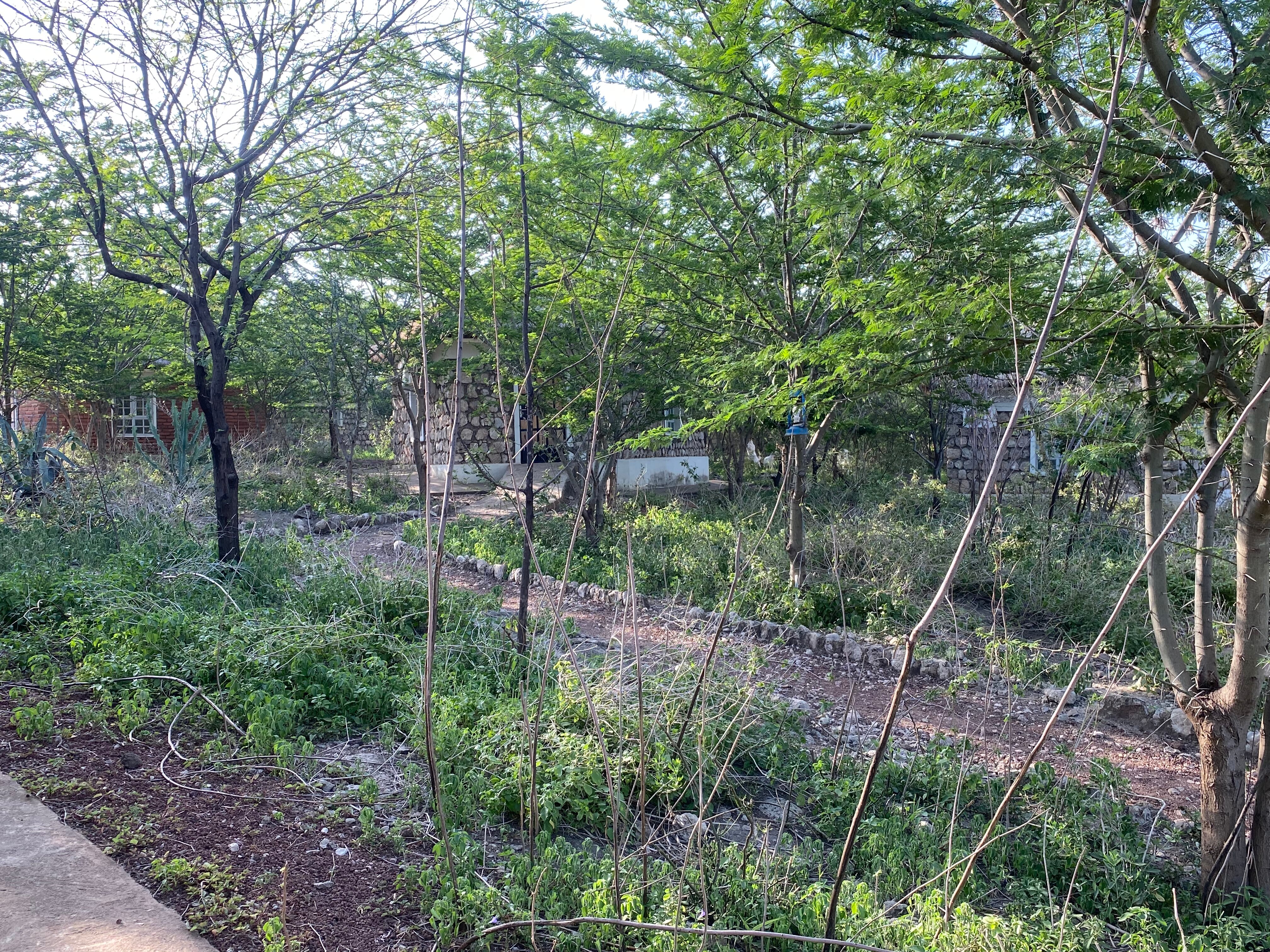
The House and Its Mto wa Mbu Setting
Mto wa Mbu sits at the base of the Rift Valley escarpment, about two hours west of Arusha, where a string of spring-fed streams turns the valley floor into green farmland. The name translates as River of Mosquitoes, which sounds off-putting and really shouldn’t be. This is a working irrigation town of rice paddies, banana plantations and roadside fruit stalls, and the park gate is only a few minutes from its main street.
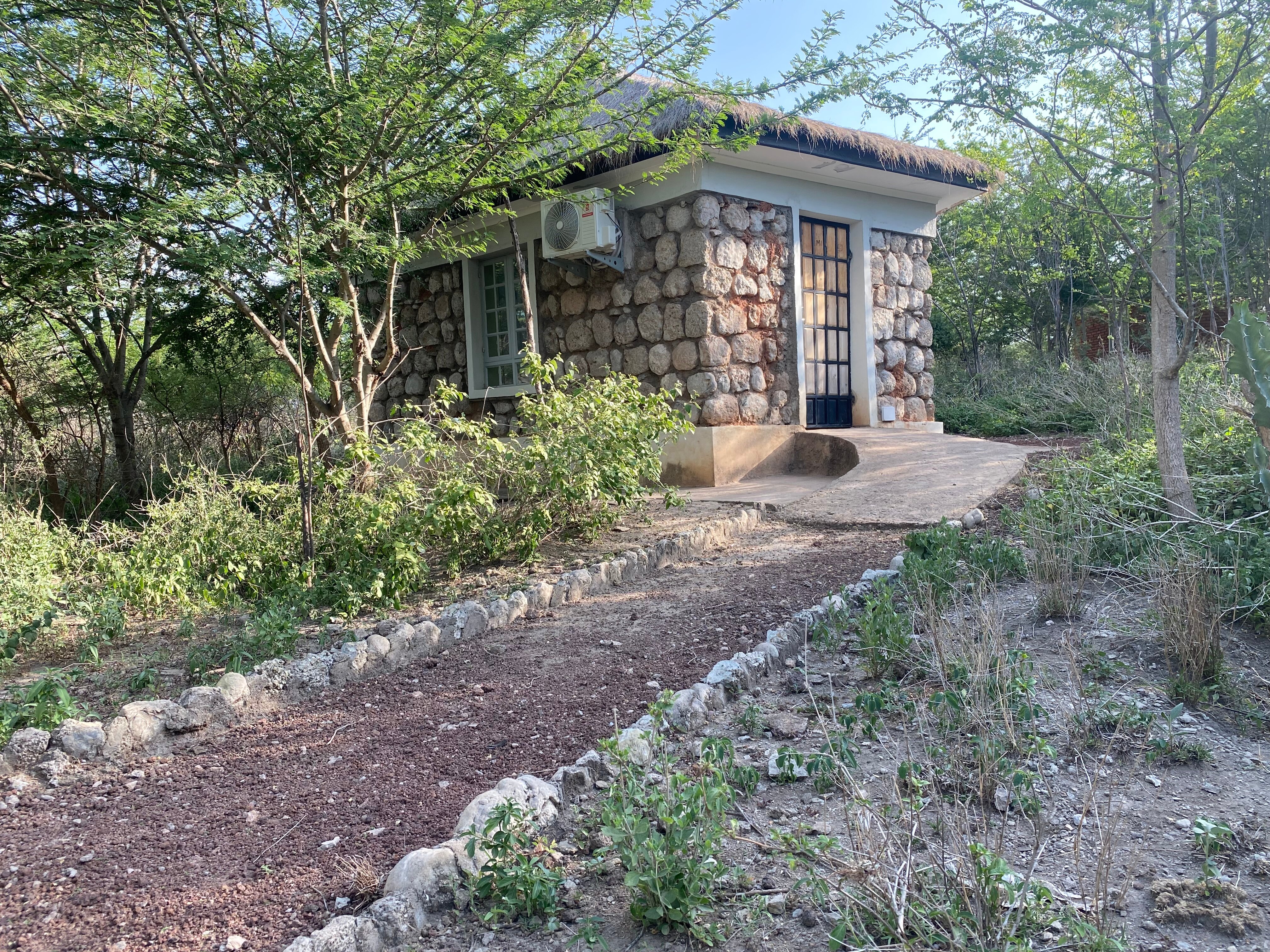
Lawala Road runs through the residential side of town. Staying at a house here means roosters at dawn, school children passing the gate, and motorbike taxis buzzing along the murram. It feels nothing like a lodge compound behind a fence. You can walk to the market, buy red bananas from the grower who picked them, and be at the park entrance before most safari vehicles have finished their drive down from Karatu.
Guests sleep on a village street rather than behind a lodge gate, which is exactly the point of staying here.
Rooms, Breakfast and the Guesthouse Experience
The listing keeps things simple, and so does the house. No room count is published, so treat it as a small property and confirm availability early rather than turning up on spec. What the listing does state clearly is that breakfast, internet and parking all come free with the room, which covers the three things budget travellers ask about first.
Six reviewers have scored it so far, and every one of them gave it full marks. That is a tiny sample, worth reading with care, yet a clean five out of five from every guest says something about how the hosts run the place. Expect a home rather than a hotel. The trade-off is fewer facilities than the bigger properties up the escarpment, balanced by hosts who actually live in the community you came to see.
Breakfast before a game drive matters more than people think. A free morning meal, eaten early, means you can be inside the forest by the time the light gets good.
Game Drive Safaris to Lake Manyara National Park
The main reason to sleep in Mto wa Mbu is the gate. Game drive safaris into Lake Manyara National Park start minutes from Lawala Road, so a half-day drive becomes genuinely practical instead of a rushed compromise. The park begins in groundwater forest, thick and shady, where blue monkeys and troops of baboons work the fig trees. Beyond the forest the ground opens onto floodplain and the shore of the soda lake itself.
Manyara built its reputation on lions that climb trees. They rest in acacia and mahogany branches through the heat of the day, and while no guide can promise you one, the habit is real and the park remains one of the more reliable places in Tanzania to look. Elephants move through the woodland in family groups, giraffes browse the edges, and the hippo pool near the lake holds animals year-round.
Because the park is long and narrow, a single unhurried day covers most of the road network. Staying by the gate lets you enter at opening time, drive the forest in cool morning air, and be back at the house for a late lunch.
Tip: Enter at first light. Vehicles coming from Arusha or Karatu reach the gate mid-morning, so an early start from Mto wa Mbu gives you an hour or more with the forest roads almost to yourself.
Village Tours and Local Life in Mto wa Mbu
Mto wa Mbu is one of the few safari towns in Tanzania worth a day of its own. Its irrigation scheme drew farming families from across the country, and local guides like to say that most of Tanzania’s ethnic groups are represented within the town. Village tours run daily through the cultural tourism programme and independent guides, on foot or by bicycle, and a guesthouse on Lawala Road puts you at the start line.
A typical circuit winds through the rice paddies, stops at a banana farm growing a dozen or more varieties, and calls at workshops where Makonde carvers work blackwood into figures. Most tours finish with a taste of banana beer brewed in the village. Lunch cooked in a local home can usually be added. None of it is staged for a viewing platform; the farms and workshops are simply how the town earns its living.
Rice paddy walk. Follow the irrigation channels through green fields with the escarpment wall rising behind, best in the soft light before ten in the morning.
Banana farm visit. Growers walk you through red, plantain and beer banana varieties, and explain which ends up in the market and which in the brew.
Carving workshops. Watch Makonde carvers at work and buy direct from the maker rather than a gift shop shelf.
Local lunch. Plates of pilau, mchicha and grilled banana served in a family compound round off most village circuits.
Bird Watching and Walking Trips Around Town
Lake Manyara National Park records more than four hundred bird species, which makes the area a serious stop for anyone travelling with binoculars. Bird watching starts in the groundwater forest with hornbills, turacos and crowned eagles, then changes character completely at the lake, where pelicans, storks and waders gather on the flats. Flamingos feed on the soda water in numbers that rise and fall with the lake level, strongest in and after the rains.
Outside the park, the farmland and streams around town hold their own birdlife, and guided walks along the irrigation channels turn up kingfishers, weavers and herons at close range. Walkers with more energy can take a guided hike up the escarpment for a wide view over the valley, the lake and the green patchwork of the town below. It is a steep hour, and the view earns it.
Day Trips to Tarangire and the Ngorongoro Highlands
Mto wa Mbu makes a practical hub for the wider northern circuit. Tarangire National Park, famous for baobab trees and big elephant herds in the dry months, lies roughly an hour away by road, close enough for a full day inside the park without a dawn pack-up. In the other direction the road climbs the escarpment to Karatu and on to the Ngorongoro highlands, putting the crater within reach of a long day trip.
Using one guesthouse as a base for several parks keeps the logistics simple and spares you from repacking every morning. The pattern many travellers settle on runs Manyara one day, Tarangire the next, then the crater, all from the same bed in town. Drivers and operators in Mto wa Mbu arrange each leg, and the hosts can point you toward people they trust.
Getting to Mwi Village House for Your Safari
The drive from Arusha covers about 126 kilometres of good tarmac and takes around two hours, longer if you stop at the viewpoints on the way. Coming from Kilimanjaro International Airport, add roughly another hour on the far side of Arusha. Public coasters and dala dalas run the route all day for travellers on the tightest budgets, dropping passengers on the main road a short walk or motorbike ride from Lawala Road.
Flying is possible too. Light aircraft serve the Lake Manyara airstrip up on the escarpment rim, from which a transfer winds down the wall to town in under half an hour. Self-drivers have the easiest arrival of all: the house includes free parking, and the tarmac holds up in any season. Ask the hosts for a pin location before you set out, since house numbers in the village are easier to find with a map point than with signage.
Best Time to Stay at Mwi Village House
The dry months from June to October bring the easiest wildlife viewing, firm park roads and cool, dusty evenings. This is high season across the northern circuit, though a village guesthouse feels the crowds far less than the lodges do. November’s short rains green the valley without closing anything down.
The long rains from March to May are the quiet season. Some park tracks get muddy and afternoon storms roll off the escarpment, but the birding peaks, the farmland glows, and flamingo numbers on the soda lake are often at their best. Room availability is rarely a problem then. The town itself works year-round, because farming towns never close.
Plan Your Stay at Mwi Village House
13-Day Grand Tanzania North and South Safari
6-Day Arusha, Tarangire, Serengeti & Ngorongoro Safari
7-Day Arusha to Serengeti Northern Circuit Safari
Booking works two ways: reserve direct through the major platforms where the house is listed, or ask the safari operator building your northern circuit to add it as your Manyara-area base. Two nights covers the park and a village tour; three lets you fold in Tarangire without rushing.
Message ahead with your arrival time and any dietary needs for breakfast. Small houses run best on a little notice, and the hosts can line up drivers, park bookings and village guides before you arrive.
Questions Travellers Ask Before a Mwi Village House Safari
Is Mwi Village House inside Lake Manyara National Park?
No. The house sits in Mto wa Mbu town on Lawala Road, a few minutes’ drive from the park’s main gate. You sleep in the village and enter the park each day, which is how most budget and mid-range visitors do Manyara.
How much does it cost to stay at Mwi Village House?
The listing places it in the budget tier for the area, with nightly rates well below the escarpment lodges and in line with other village guesthouses. Breakfast, internet and parking are included, which helps the total stay stay low. Exact rates change with season, so check the live listing or message the house for a quote.
Can the guesthouse arrange a safari into the park?
Yes, in the sense that Mto wa Mbu is full of licensed drivers and operators, and the hosts can connect you with people they trust. Game drives, village tours and day trips to Tarangire or Ngorongoro are all arranged locally, usually with a day’s notice.
What amenities does the house offer?
The published listing names free breakfast, free internet and free parking. Beyond those three, details are not published, so ask directly about hot water, fans, mosquito nets and anything else that matters to you before booking.
How far is the house from Arusha and the airports?
Arusha is about 126 kilometres away, roughly a two hour drive on tarmac. Kilimanjaro International Airport adds about another hour beyond Arusha, and the Lake Manyara airstrip on the escarpment rim is under half an hour away for light aircraft arrivals.
Is the review score trustworthy with only six reviews?
Read it as an early signal rather than a verdict. Every one of the six reviewers gave full marks, which is a strong pattern for a small guesthouse, but the sample is small. Checking the newest reviews before you book is always sensible.


