
Lake Manyara Tortilis Camp is a tented safari camp off Boma Road on the outskirts of Mto wa Mbu, close to the boundary of Lake Manyara National Park in Tanzania’s Arusha Region. It suits travellers who want canvas, campfires and quick park access, whether booked directly or through a safari operator. The camp scores a full 5.0 on Tripadvisor from 592 reviews.
A Tented Camp on the Edge of Lake Manyara National Park
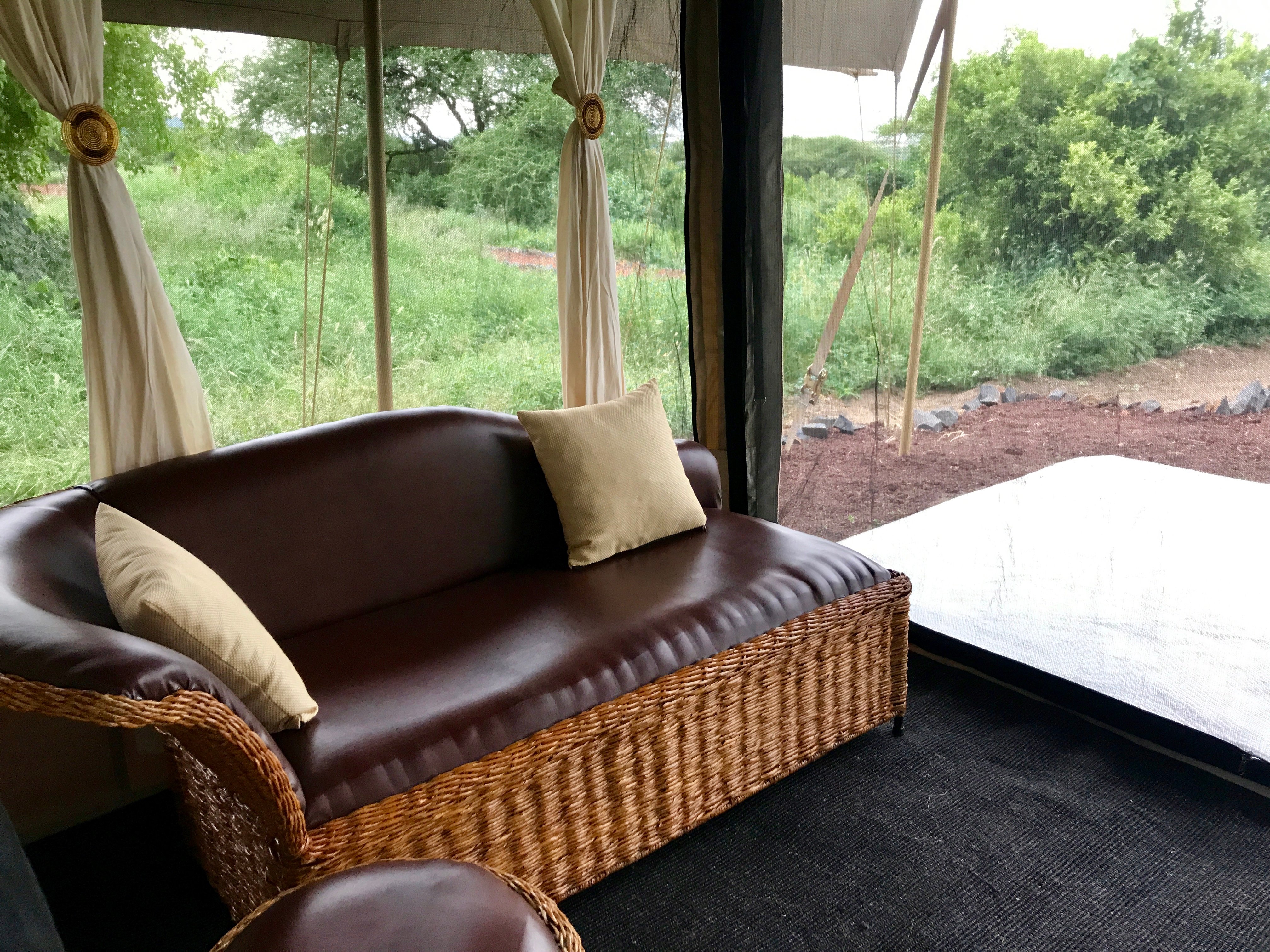
The camp takes its name from Acacia tortilis, the umbrella thorn whose flat crown is the shape everyone draws when they draw Africa. Those trees dot the ground around the tents, and their silhouettes against the Rift Valley escarpment set the tone for the whole place. This is a camp, deliberately so. Canvas walls, lantern light and open ground replace concrete and corridors, and the bush stays audible all night.
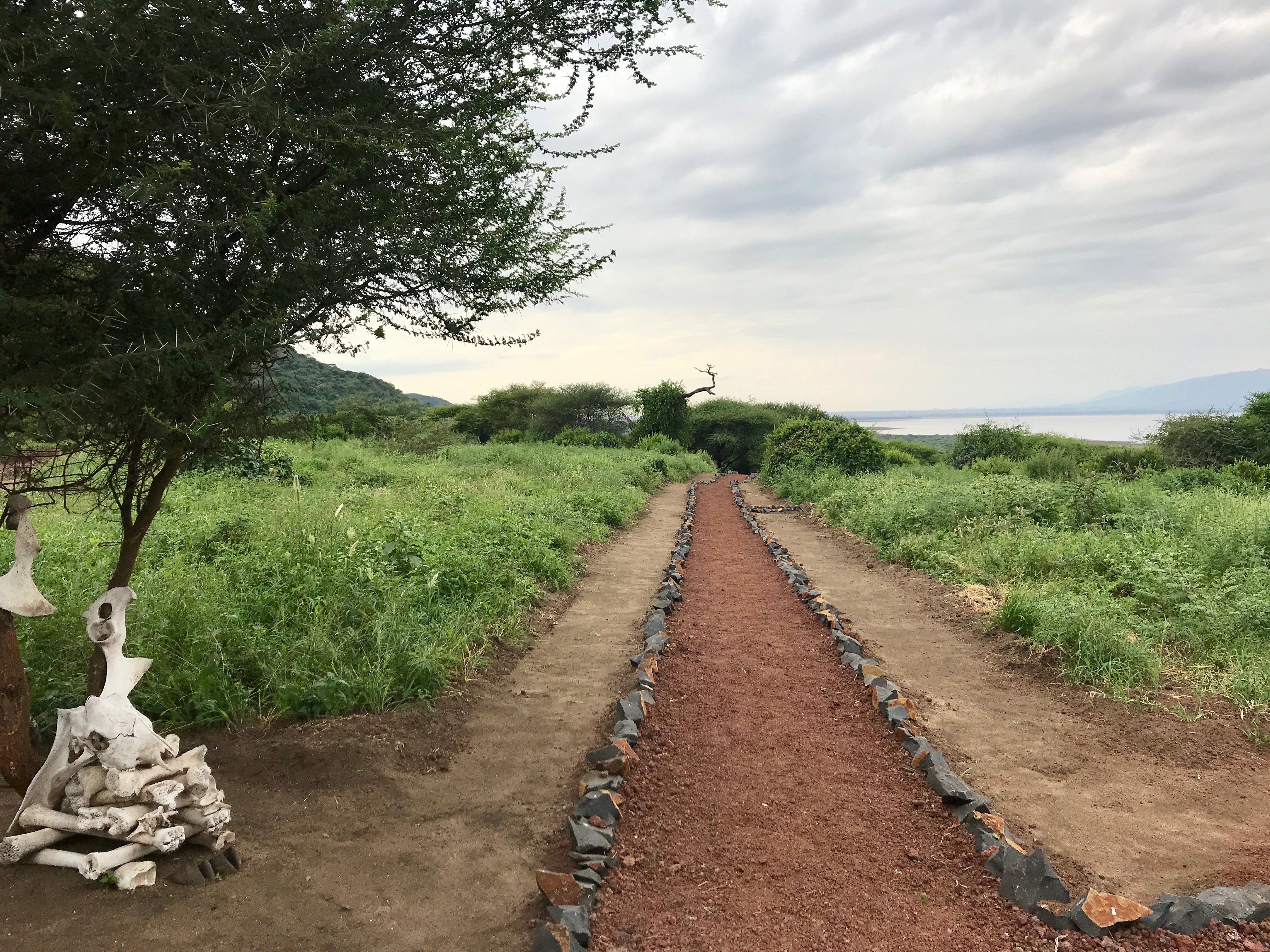
Position does a lot of the work. The park boundary lies close by, Mto wa Mbu’s markets and fuel stations are a short drive away, and the escarpment wall fills the western sky. Guests get the wild feel of a bush camp with the practical safety net of a village nearby, a combination that explains a 5.0 rating sustained across nearly six hundred reviews. People come for the location and leave talking about the staff, which is usually the sign of a camp run by people who love the work.
Boma Road itself sets the mood on the drive in, red dirt lined with acacias, Maasai herders trailing goats, the escarpment growing taller ahead until it fills the windscreen. By the time you reach the tents, town feels much further away than the odometer claims.
Safari Tents, Meals and Life Under Canvas
Sleeping arrangements are proper safari tents, walk-in height, with real beds, netting and en-suite bathroom facilities, so nobody is wrestling with ground pads or shared ablution blocks unless they choose a simpler option. Hot water arrives for showers, wifi covers the guest areas for those who need to check in with home, and lanterns and torches handle the dark hours. Pack layers, because nights on the valley floor turn cool in the dry season.
Meals come from the camp kitchen, and breakfast is included in the rate. Dinner is the social hour, served after the fire gets lit, with the cooking built on village produce and eaten to a soundtrack of crickets and the odd distant whoop of a hyena. The camp caters to dietary needs when warned ahead. Drivers get free parking on site, and the team helps arrange onward logistics for guests without their own vehicle.
People come for the location and leave talking about the staff, which is usually the sign of a camp run by people who love the work.
Game Drive Safaris Minutes From the Gate
The core business of any stay here is the game drive safari into Lake Manyara National Park, and the camp’s location keeps the maths simple: less driving to the gate means more daylight inside the park. An early start puts you in the groundwater forest while the canopy still drips with night moisture and the baboon troops are only beginning to move.
From there the park unrolls southward in bands. Fig forest gives way to acacia woodland where elephants feed close to the tracks, then the country opens onto grassy floodplain running down to the soda lake. Buffalo, zebra, wildebeest, giraffes and warthogs work the flats, hippos crowd the river pools, and in season flamingos lay a pink seam along the shoreline. Manyara’s tree-climbing lions get all the headlines, and sightings do happen through the year, but the park never rests its case on them. The canopy walkway, strung through the treetops near the gate, is worth an hour on the way in or out.
Tip: Ask the camp to pack an early breakfast box so you can enter at gate opening and eat inside the park. The first ninety minutes of light produce the most animal activity and the emptiest tracks.
Wildlife Watching and Night Sounds Around Camp
One underrated pleasure of sleeping near the park boundary is the wildlife watching you do without leaving your chair. Vervet monkeys patrol the acacias, hornbills and go-away birds argue overhead, and dik-diks tiptoe through the scrub at dawn. After dark the valley floor broadcasts its own programme: nightjars, owls, frog chorus from the irrigation channels, sometimes hyena or the deep saw of a distant leopard off the escarpment.
Staff brief guests on camp etiquette after dark, and an escort walks you to your tent when the lights go down. None of this is cause for worry. It is the entire reason to choose canvas over concrete, and by the second night most guests would not trade the soundtrack for the thickest hotel wall in Arusha.
Walking Safaris, Birding and the Rift Escarpment
Out-of-vehicle time is easy to arrange. Guided walking safaris in the lands around the camp follow cattle paths and stream lines with a local guide reading tracks, plants and birds at a pace no vehicle allows. Staff time these walks for early morning or the last two hours of light, when the heat drops and the animals move, and sturdy shoes plus a hat cover most of the kit list. The escarpment adds a stiffer option, a climb to viewpoints where the lake spreads below and raptors ride the thermals off the wall, with a waterfall route available for those who want a swim built into the effort.
Birders should budget serious time. Between the camp’s acacia scrub, the village’s channels and the park’s forest and shoreline, a competent guide can turn up well over a hundred species in a day, from silvery-cheeked hornbills to lilac-breasted rollers to the massed waterbirds of the lake edge. The camp connects guests with guides who know their calls, which doubles the count for anyone new to East African birding.
Trips Beyond Manyara: Tarangire, the Crater and the Village
The camp sits at a junction point of the northern circuit, so day trips fan out in three directions.
Tarangire National Park. About an hour south. Baobab country with huge dry-season elephant herds along the river, best as a full-day trip with a picnic lunch.
Ngorongoro Crater. Up the escarpment and past Karatu, roughly ninety minutes to the rim. A day on the crater floor offers dense wildlife, lions in numbers and a genuine chance of black rhino.
Mto wa Mbu village. Minutes away. Walking and cycling tours cover the market, banana beer brewing, rice farms and carving workshops, with fees going straight to local families.
Guests with their own operator simply base the vehicle at camp. Independent travellers can have the camp link them with licensed driver guides for any of the three.
Getting to Lake Manyara Tortilis Camp for Your Safari
The drive from Arusha runs about two hours on tarmac, crossing the Maasai steppe before the road tips off the plateau into the greenery of Mto wa Mbu, with the final stretch along Boma Road on local surfaces any 2WD can manage in the dry and a 4×4 handles year round. From Kilimanjaro International Airport, plan on roughly three hours door to door. Send the camp your arrival details and they will share directions and a location pin, which saves hunting for signboards at dusk.
Fly-in guests use the Lake Manyara airstrip on the escarpment above the village and complete the trip with a short road transfer arranged in advance. Free parking waits on site for self-drivers, along with advice on fuel and supplies in the village.
Fill the tank in Mto wa Mbu before settling in for the night, since the village stations keep longer hours than anything nearer the gate, and small supplies, water, snacks, phone credit, cost least there too.
Best Time to Stay at Lake Manyara Tortilis Camp
Canvas makes you slightly more aware of the seasons than lodge walls do, which is part of the charm. June to October brings dry ground, cold clear nights and wildlife pulled tight to the park’s water sources, and it is the period when the camp fills fastest. January and February usually offer a warm dry window with fine light and big flamingo numbers.
6-Day Lake Manyara, Tarangire, Serengeti & Ngorongoro Safari
10-Day In-Depth Serengeti & Northern Circuit Safari
5-Day Lake Manyara, Tarangire, Serengeti & Ngorongoro Safari
The short rains of November and December green the valley without seriously troubling the roads. March to May is the long wet, when afternoon storms hammer the canvas, rates soften and the escarpment runs with water. Some guests avoid it; a certain kind of guest books it on purpose for the skies and the solitude.
Whichever season you pick, nights under canvas run cooler than most visitors expect, so pack a warm layer even for the hottest months. A fleece for the campfire and a light rain shell between November and May will cover nearly every evening the valley can produce.
How far is the camp from the Lake Manyara park gate?
The camp sits off Boma Road near the park boundary on the edge of Mto wa Mbu, putting the main gate a short drive away. Gate-opening starts are easy with an early alarm and a packed breakfast.
What do nights at Lake Manyara Tortilis Camp cost?
Pricing lands between the cheap village guesthouses and the premium escarpment lodges, in line with owner-run tented camps around Manyara. Breakfast is included. Rates move by season and tent type, so confirm current figures with the camp when you enquire.
Are the tents comfortable for travellers who have never camped?
Yes. These are walk-in safari tents with real beds, netting and en-suite facilities rather than pitch-your-own camping. Hot showers and lantern-lit paths keep things civilised while the bush supplies the atmosphere.
Is the camp safe with wildlife nearby?
Camp staff brief every guest, escort people to tents after dark and keep food managed so animals have no reason to linger. Incidents are rare, and the night sounds are overwhelmingly the point rather than the problem.
Does the camp have wifi and phone signal?
Wifi covers the guest areas, and Tanzanian mobile networks reach the Mto wa Mbu area reasonably well. Expect village-grade speeds, fine for messages and photos, less so for heavy streaming.
Can I visit Ngorongoro Crater as a day trip from the camp?
Yes. The rim is roughly ninety minutes away by road, and full-day crater trips with a licensed driver guide are a standard arrangement, returning to camp for dinner by the fire.
Plan Your Stay at Lake Manyara Tortilis Camp
Book directly with the camp or have your safari operator write it in as the Manyara stop on a northern circuit route between Arusha and the Serengeti. Two nights covers the park and the village; three brings Tarangire or the crater into play without repacking.
Dry season canvas sells out early here because the review scores keep pulling new travellers in, so lock June to October dates well ahead. Green season stays can be arranged on much shorter notice, often with the campfire circle nearly to yourself.


