
A Lake Manyara canoe safari is a guided paddle on the soda lake, offered only when the water sits high enough, giving a low, quiet view of the shoreline and its birds. Visitors watch waterbirds, hippos and animals along the bank from the surface, an angle no road can match, on a trip that runs seasonally with the rains. Lake Manyara lies at the foot of the Rift Valley wall in northern Tanzania.
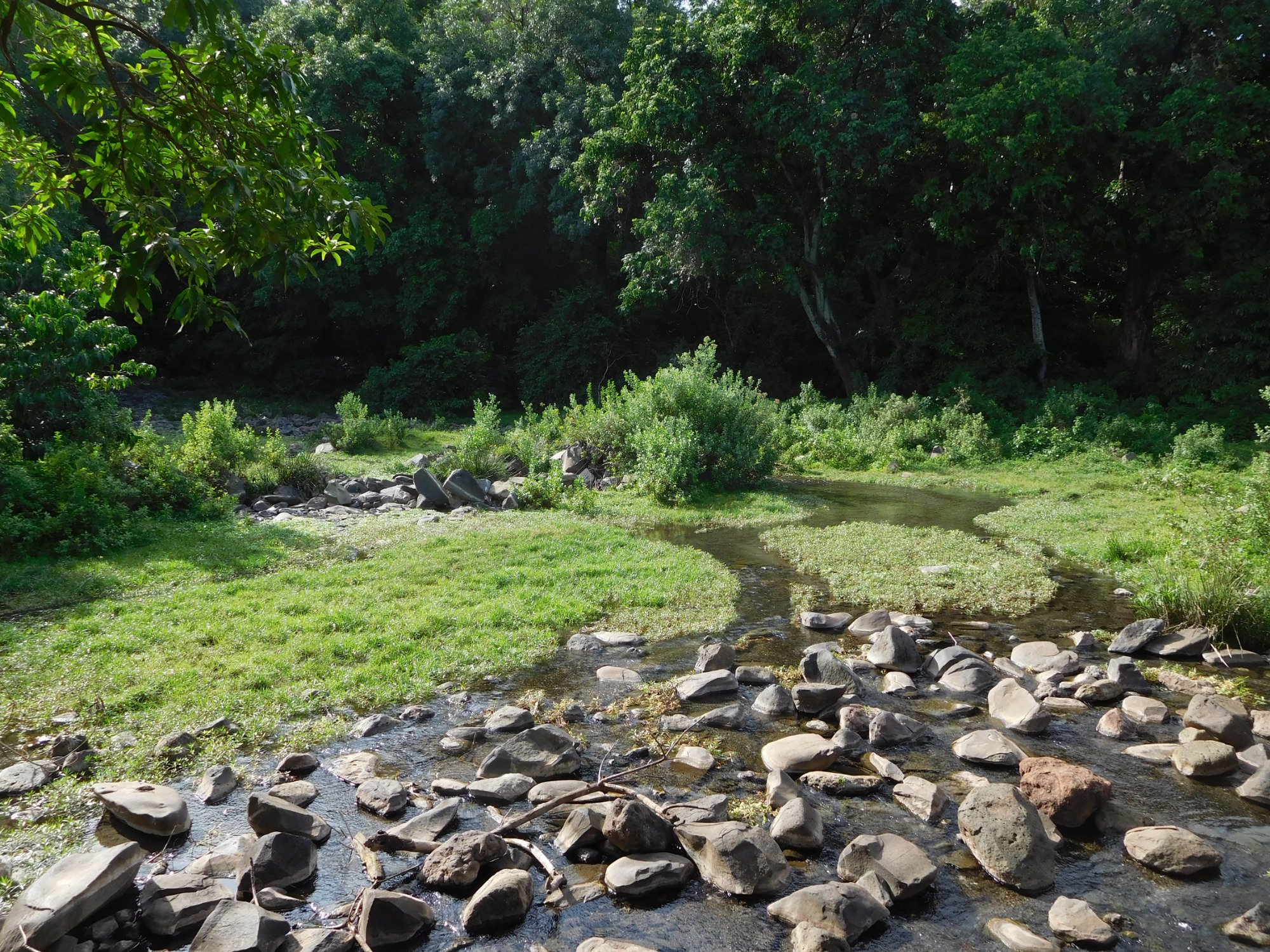
Before anything else, one honest point needs stating clearly. This is not an activity that runs every day of the year. The lake is seasonal and alkaline, its level rises and falls, and the paddling only happens when the water is deep enough to float a canoe safely across the flats near shore. Some months it is fully operational, some months it stops entirely. Planning around that reality is the single most useful thing you can do, and most of this guide is built around it.
The canoe activity depends entirely on water depth. If the lake is too low or too high, the park and operators suspend it. Always confirm the current status with your operator a few days before you travel rather than assuming it will be running.
What A Lake Manyara Canoe Safari Actually Is
The trip is a guided paddle in a stable two-person canoe along the calmer, shallow edge of Lake Manyara. You do not head out into open water alone. A trained guide runs each group, gives a safety briefing, and steers the route so you keep a sensible distance from wildlife while still getting close enough to watch it properly. Most groups spend somewhere between one and a half and three hours on the water, depending on the operator and the conditions that morning.
The appeal is the point of view. From a vehicle you look down at the lake. From a canoe you sit at the level of the water, which puts you eye to eye with wading birds and floating flocks, and gives you the full height of the Rift Valley escarpment rising behind them. That 600 metre wall of rock runs for tens of kilometres along the western side, and seeing it from the flat surface of the lake is a different thing entirely from seeing it through a windscreen. If you are building a wider list of things to do in Lake Manyara, the canoe trip is the one that changes your perspective the most.
When The Canoe Trip Runs And When It Stops
Lake Manyara loses and gains water constantly. In the drier months the lake contracts, the shoreline pulls back, and wide areas turn to saline flats and grass. In the wet months the lake expands and can cover a large share of the park floor. Because the canoe activity needs a workable depth of water close to a launch point, this rise and fall decides whether the canoe safari can operate at all.
In broad terms, paddling is most reliably available when the lake is holding good water, which tends to follow the rains. The short rains around November and December and the long rains from March into May feed the lake and lift its level, and this is often when canoe trips are offered. That said, the picture is not perfectly tidy. Sources and operators differ on the best window, some point to the wetter months for high water, others run trips through the June to October dry season when conditions on the water are calm and pleasant. The honest summary is that availability tracks the actual lake level in any given year more than it tracks a fixed calendar.
Two failure modes suspend the activity. When the water drops too low, there is simply not enough depth to launch or paddle, and the canoes stay on the bank. When the water runs too high or the weather turns rough, the trip is pulled for safety. Neither is a sign of a badly run operation. It is the operator being sensible about a lake that does what it wants.
The lake decides. A good operator will cancel and refund rather than push a canoe onto water that is too shallow or too rough.
What You Paddle Past On The Water
The headline sight is birds. Lake Manyara is one of the stronger birding lakes in Tanzania, with several hundred recorded species, and the soda water draws big gatherings of waterbirds. When conditions are right you paddle within view of large flocks of pink flamingos feeding across the shallows, along with great white pelicans, pink-backed pelicans, yellow-billed storks and many smaller waders working the margins. Sitting low in the canoe puts you at their level, and a quiet paddle lets you drift near without scattering them the way an engine would.
Beyond the birds, the shoreline draws larger animals down to drink and graze. Depending on the day you may see elephants, buffaloes, giraffes and other plains game along the edge as you pass. Hippos are part of the scene too, resting in the shallow water, and this is exactly where the guide’s route matters. Canoes keep a firm distance from hippos rather than paddling in among them, because a hippo in shallow water is not something to approach. You watch them from range, which is both safer and calmer for the animals.
Behind all of it stands the escarpment. The lake stretches along the base of that Rift Valley wall, and the combination of water, birds and the sheer backdrop is the reason people rate the paddle so highly on the days it runs. For a fuller land-based wildlife experience to pair it with, a standard game drive through the groundwater forest and along the lakeshore road covers the ground the canoe cannot reach.
On the water you might see: flamingos in flocks, great white and pink-backed pelicans, yellow-billed storks and assorted waders, hippos resting at a distance, and elephants, buffalo or giraffe drinking along the shore, all set against the Rift Valley escarpment.
How The Guided Canoe Trip Works Step By Step
The trip starts with a short transfer to the launch point on the lakeside. There you meet your guide and are matched to a canoe, usually two guests per boat. Before you get on the water the guide runs through a safety briefing, explains how to paddle and steer, and sets the ground rules for keeping distance from wildlife. This part is worth listening to closely even if you have paddled before, because the rules here are about the animals as much as the boat.
Once on the water the pace is slow and deliberate. The idea is to move quietly along the shallow edge so you can watch without disturbing anything. Guides pick routes that pass the bird concentrations and the drinking spots while steering clear of the hippos. Many operators run two sessions, an early morning start and an afternoon start, and the morning slot is generally the better one for calm water, soft light and active birds. You paddle out, work along a stretch of shoreline, and return to the same launch area.
Groups are kept small, often one guide per group, and the canoes themselves are chosen for stability rather than speed. You are not covering long distances or racing anywhere. The whole thing is closer to a slow, floating game walk than a workout.
Safety On The Lake Manyara Canoe Safari
Safety on this paddle trip comes down to a few sensible habits, and a competent operator will already have them in place. Guides are trained and experienced, briefings happen before every launch, and the routes are planned to keep canoes away from hippos, which are the main animal hazard in shallow African water. Staying well off the shore where hippos rest is standard practice.
Ask your operator directly about what equipment is provided, including flotation. Reputable operators supply stable two-person canoes along with paddles and often dry bags for cameras and phones, and you should confirm what safety gear comes with your booking rather than assuming. Wear a hat and sun protection, because there is no shade on the water and the reflection off a pale soda lake is strong. Keep your movements calm in the canoe, follow the guide’s instructions on spacing, and do not stand or lean to chase a photo.
Bring sun cover, a secured hat, and a way to keep your camera dry. Confirm with your operator whether life jackets and dry bags are included before the day of the trip.
Best Season To Plan A Canoe Trip
Because the activity follows the lake level, the best plan is a flexible one. The wetter periods that fill the lake, roughly the short rains late in the year and the long rains around March to May, tend to give the high water that makes canoeing possible, and the lake at its fullest also pulls in the biggest flamingo numbers. The dry stretch from June to October brings calmer, more comfortable conditions on the water and is when many operators actively run the trips, though the lower water can also be what suspends them if it drops too far.
The practical takeaway is not to build an entire trip around the canoe alone. Treat it as a bonus that may or may not be running, keep a game drive and other park activities as your reliable core, and confirm the canoe status close to your travel date. If it is operating, you gain a genuinely different way to see the park. If it is not, you have lost nothing from your main plans. Pairing the park with nearby features like the Maji Moto hot springs gives you a backup that does not depend on the lake level at all.
Practical Tips For A Better Paddle
11-Day Northern Circuit & Mahale Chimpanzee Safari
7-Day Lake Manyara, Tarangire, Serengeti & Ngorongoro Safari
10-Day In-Depth Serengeti & Northern Circuit Safari
A few small things make the trip work better. Book the morning session if you can, since the water is usually calmest and the light is kind for photographs. Wear quick-drying clothes and shoes you do not mind getting a little wet at the launch. Keep camera gear in something waterproof and keep a strap on it, because a canoe is not the place to fumble a lens over the side.
Manage your own expectations on wildlife. The canoe is a bird and scenery experience first, with larger animals seen at a respectful distance rather than up close. If your priority is big mammals at short range, the road-based drives will do more for you, and the canoe becomes the quiet, scenic counterpoint. Go in wanting the calm, the birds and the escarpment view, and it delivers. Above all, confirm the trip is actually running before you count on it, because the lake, not the calendar, has the final say.
Frequently Asked Questions About The Canoe Safari
Is the Lake Manyara canoe safari available all year round?
No. It runs only when the lake holds enough water to paddle safely. The level rises and falls with the rains, so the activity is suspended when the water is too low to launch or too high and rough to be safe. Always confirm the current status with your operator before you travel.
How long does the canoe trip last?
Most trips put you on the water for roughly one and a half to three hours, depending on the operator and the day’s conditions. Many run two sessions, an early morning start and an afternoon start, with the morning slot usually offering calmer water and better light.
What will I see from the canoe?
Mostly birds, including large flocks of flamingos, pelicans, storks and waders, seen at eye level from the water. You may also spot hippos at a distance and larger animals such as elephants, buffalo or giraffe drinking along the shoreline, all against the tall Rift Valley escarpment behind the lake.
Is it safe, and are hippos a problem?
It is run as a guided activity with a safety briefing and trained guides who keep the canoes well away from the hippos resting in the shallows. Following the guide’s spacing instructions is the main rule. Ask your operator what flotation and safety equipment is provided before you book.
How much does a canoe safari at Lake Manyara cost?
Prices vary by operator and by whether the fee is bundled with park entry, guiding and transfers. As a rough guide, budget somewhere in the region of forty to eighty US dollars per person for the paddling activity itself, then confirm the exact figure and what it includes directly with your operator, since packaging differs a lot.
Do I need paddling experience?
No. The canoes are chosen for stability, the pace is slow, and the guide handles the route and steering. A short briefing covers everything you need. It is closer to a quiet floating game walk than a demanding paddle, so first-timers manage it comfortably.
Should I plan my whole visit around the canoe trip?
No. Because availability depends on the lake level and can be suspended at short notice, treat the canoe as a bonus rather than the centrepiece. Keep a game drive and other park activities as your reliable core, and enjoy the paddle as an extra if it happens to be running when you visit.


