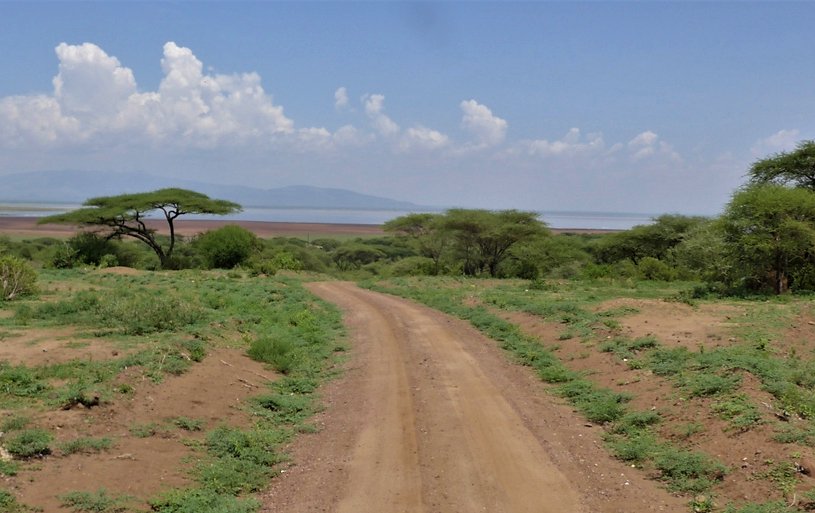
Lake Manyara holds lions, leopards, spotted hyena, serval, civet, genet and several mongoose species, a strong predator list for its size. Hyena and mongoose are the most dependable on a game drive, tree climbing lions and serval reward timing, and leopards stay mostly hidden. The park is a narrow band in northern Tanzania where forest, floodplain and acacia woodland each favour a different hunter.
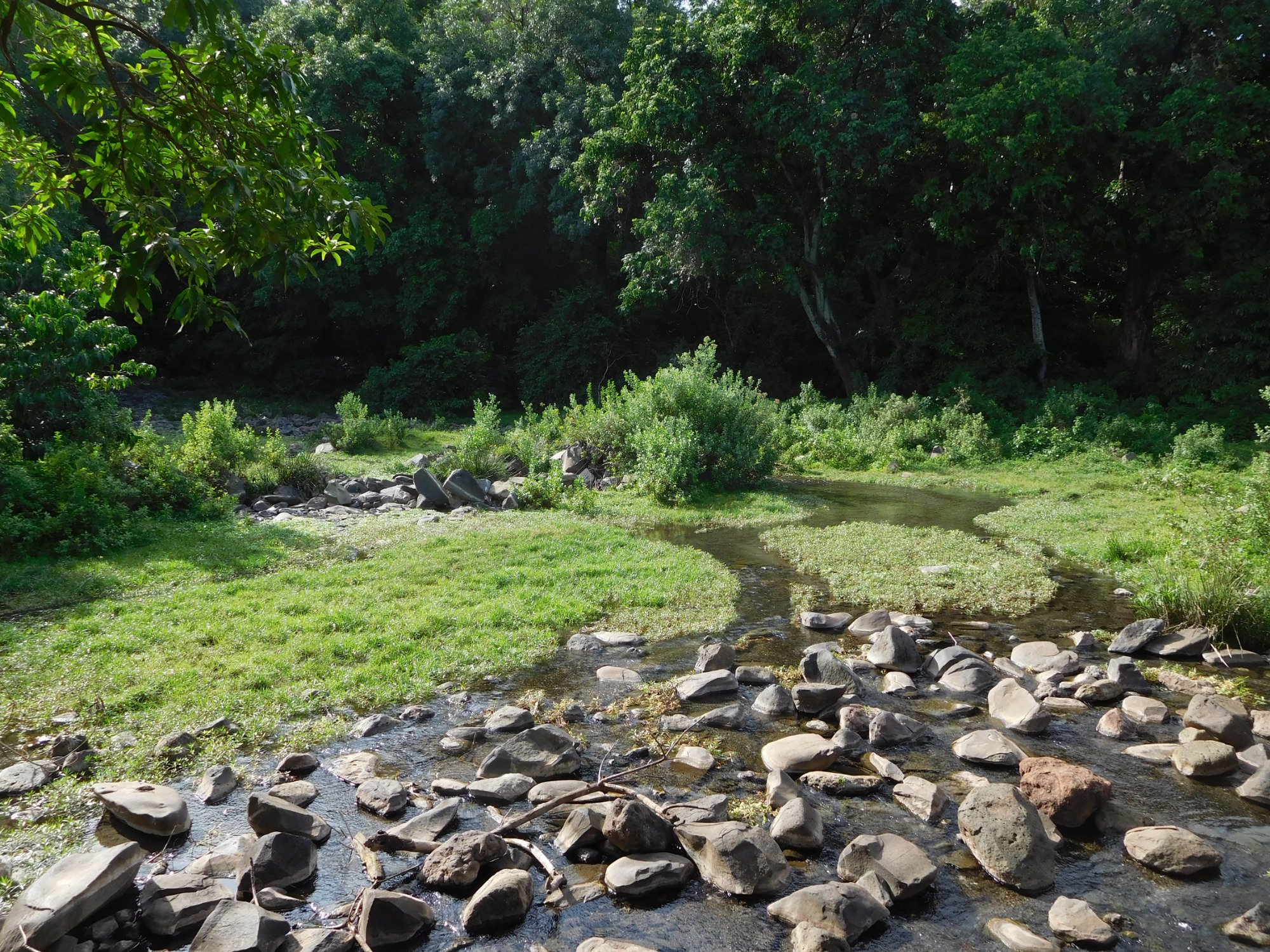
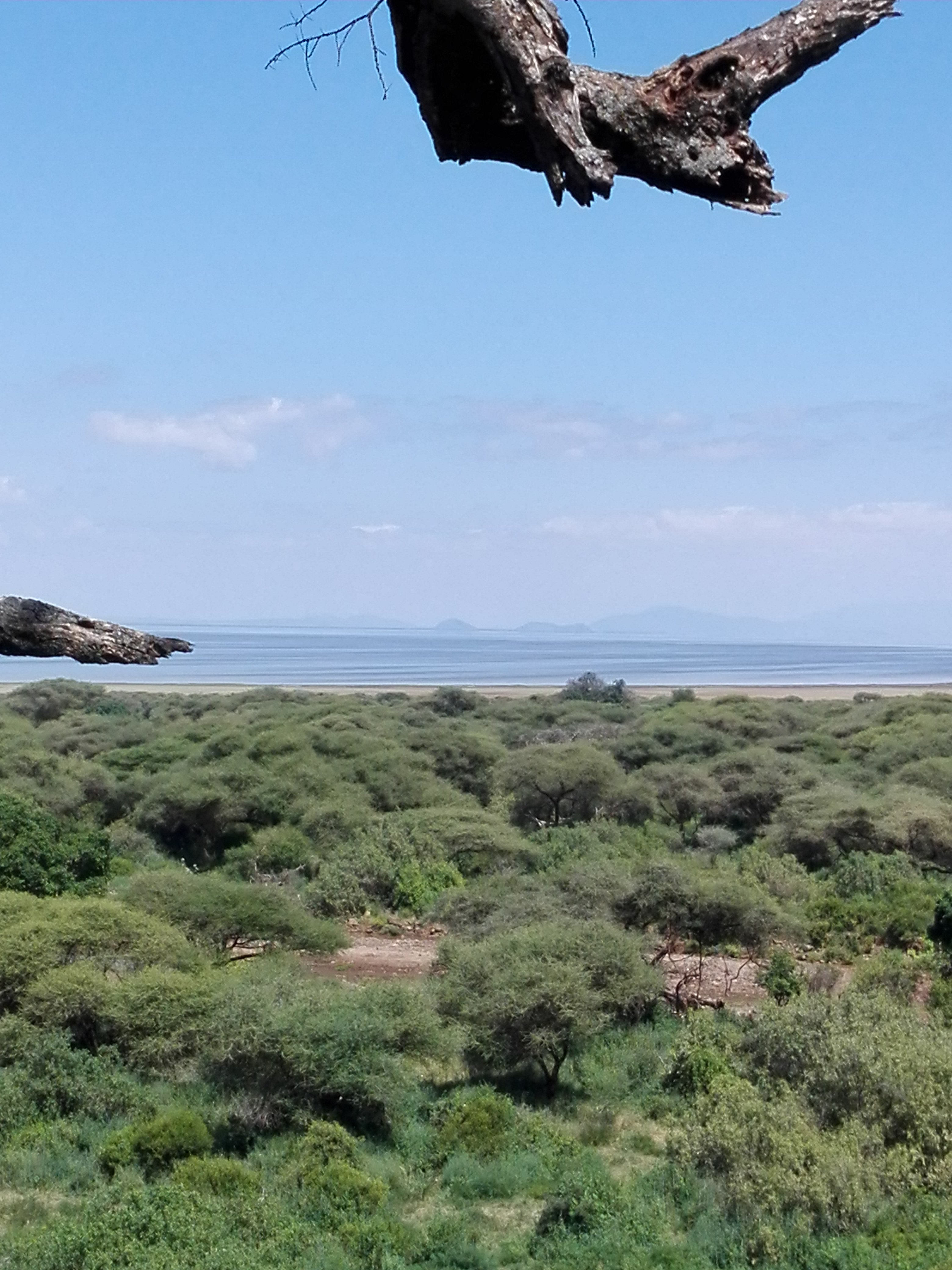
What makes the predator life here interesting is the way the habitats stack against each other. In the space of an hour you can drive from a dark groundwater forest of fig and mahogany, out onto open floodplain grassland, and up into acacia woodland near the escarpment. Each of those zones favours a different hunter, which is why a slow, patient safari through Lake Manyara can feel like several parks in one.
The predators you might meet on a Lake Manyara safari
Lake Manyara holds lions, leopards, spotted hyena, serval, African civet, several genet species, a handful of mongoose species, and, very rarely, cheetah passing through the wider region. That is a strong list for a park this size. The catch is that the two headline cats, lions and leopards, are shy of the thick vegetation, and several of the smaller carnivores only move after dark. So while the park has a healthy predator population on paper, seeing them takes the right timing and honest expectations. A good guide who knows the resident prides and the fig trees they favour will change your odds more than anything else.
Below I have broken the predators down one by one, starting with the animal that put Lake Manyara on the map and working through to the small carnivores that reward a night game drive. If you want the wider picture of what shares this landscape, the park’s full cast of animals in Lake Manyara runs well beyond the hunters described here.
Tree climbing lions and where the prides rest
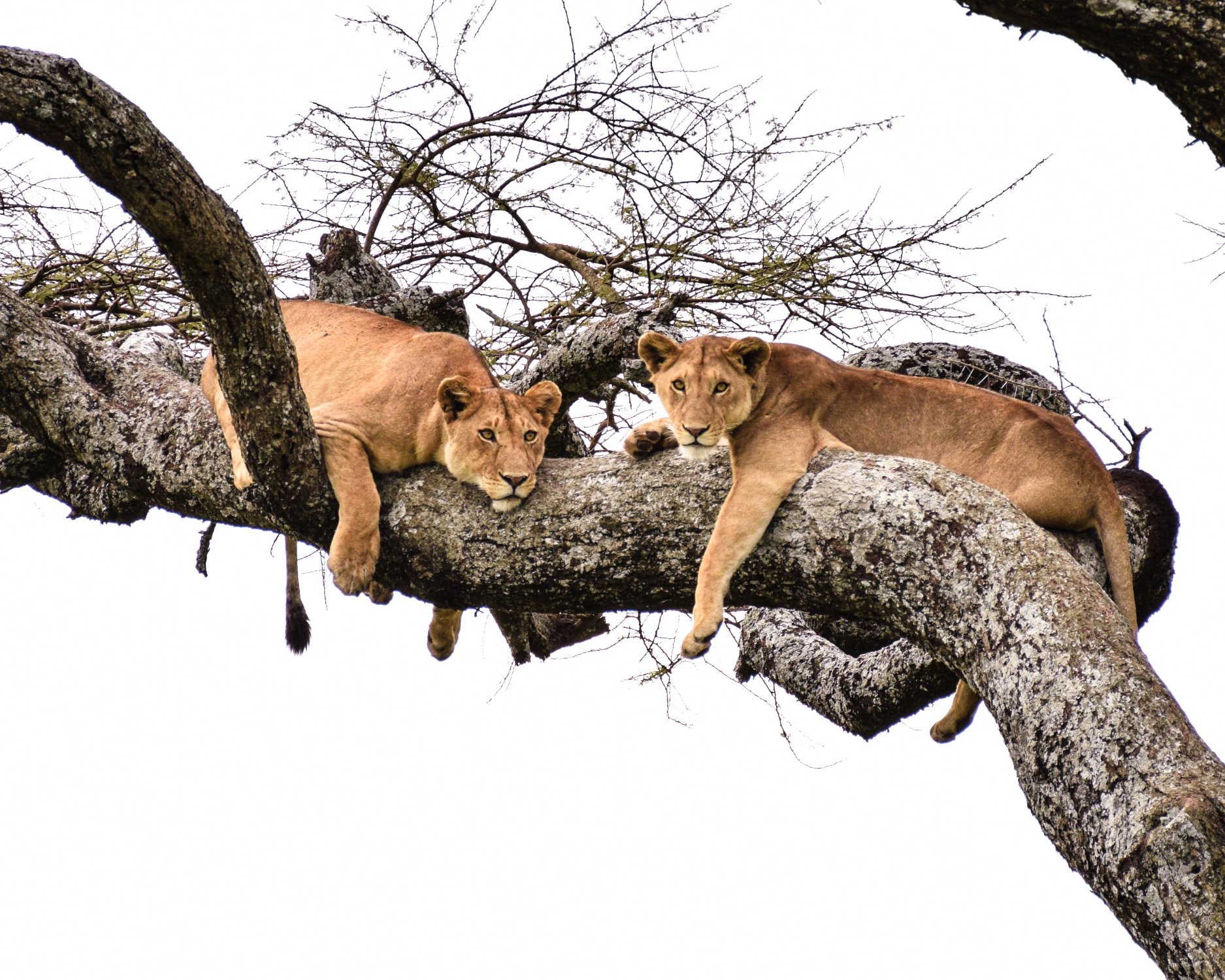
The tree climbing lions are the reason many people put Lake Manyara on a Tanzania safari route at all. Lions are ground animals almost everywhere else, so the sight of a full grown lioness draped over a horizontal acacia branch, paws hanging, is genuinely unusual. The prides here have made a habit of it, and the behaviour is passed down. Cubs watch the adults climb and copy them, which is why the trait sticks in these particular prides rather than spreading everywhere.
Nobody can say for certain why they do it, and honest guides will tell you as much. The leading ideas are that the branches give relief from the heat of the day, that a breeze up in the tree keeps biting insects and tsetse flies at bay, and that height gives a lion a clear view over the grass. All three probably play a part depending on the day. What matters for you is that a resting lion in a tree is easier to spot and photograph than one flat in long grass, so this quirk is a gift to visitors.
Where to look: the prides tend to favour the acacia and larger trees through the central and southern reaches of the park, out where the woodland opens toward the lake. Ask your guide which trees the lions have been using that week, because the prides shift their favoured spots and local knowledge beats guesswork every time.
Be realistic about the odds. Lions are present, and in the dry season from around June to October the thinner foliage and the way wildlife draws toward water make them easier to find. Even so, plenty of visitors drive through without seeing a lion in a tree, and a lion asleep on the ground in dense bush can slip past entirely. Treat a tree sighting as a strong stroke of luck rather than a guarantee, and you will enjoy it more when it happens.
Leopards in the groundwater forest
Lake Manyara has a genuinely healthy leopard population, and yet most visitors never see one. That contradiction is the honest heart of leopard watching here. The leopards favour the dense groundwater forest near the park entrance and the rocky folds of the escarpment, both of which give them thick cover and plenty of trees to lie up in. A leopard that wants to stay hidden in that kind of habitat will stay hidden, and the cats here are shy even by leopard standards.
When they do hunt, leopards work by ambush. They rely on cover to get close to antelope, hares, hyraxes and smaller prey, then explode over a short distance. Like their cousins elsewhere, Manyara leopards will haul a kill up a tree to keep it from lions and hyena, and they are comfortable lounging along a branch with their legs draped either side. That habit is your best chance, since a cat resting high in a fig at midday is far more visible than one moving through undergrowth.
Set your expectations low and any sighting becomes a bonus. The forest is simply too thick, and the cats too careful, for leopards to be a reliable part of a day drive. Guides who know the resident territories and check the same productive trees each morning improve the odds, and a night game drive raises them further, since leopards are more active once the light drops. Even then, most trips end without a leopard, and that is normal for this park.
Spotted hyena on the floodplain and their role in the game drive
Spotted hyena are one of the more dependable predators to see at Lake Manyara, especially out on the open floodplain and grassland where they rest by day and range at night. They live in clans led by females, and the misconception that they only scavenge does them a disservice. Spotted hyena are capable hunters in their own right, running down antelope and working prey in a group, and they will happily take over a kill from a cat when they outnumber it.
On a game drive you are most likely to find them lying up near a den, cooling off in a wallow, or trotting along a track with that distinctive sloped back. Their calls, the rising whoop and the cackle, carry across the plain after dark and are one of the true sounds of an African night. Because hyena patrol the open ground rather than hiding in forest, they are among the easier carnivores to tick off here, though numbers vary and there is no promise on any single drive.
A clan of spotted hyena reading the grassland at dusk tells you more about who really controls a floodplain than any single lion does.
Serval, the grassland cat worth watching for on safari
The serval is one of the quiet highlights of a Lake Manyara safari for anyone who cares about cats. It is a slender, long legged, spotted cat, smaller than a leopard and built for hunting rodents and birds in tall grass. Those long legs and huge ears let it hear prey moving under the grass, then leap high and pin it with a downward pounce. Watching a serval hunt across an open stretch of floodplain is a treat, all poise and sudden vertical jumps.
Serval are seen running the grassland here more often than many visitors expect, though they favour the cooler edges of the day and the night. They are shy and easily missed, since a still serval blends into pale dry grass. Early morning and the last hour before dark give the best chances on a normal game drive, and a night drive with a spotlight raises them again. If your guide spots one, slow right down, because a hunting serval will often keep working the grass even with a vehicle nearby.
Civet, genet and the Lake Manyara night game drive
Lake Manyara is one of the few parks in the northern Tanzania circuit that runs a night game drive, and that opens a whole second cast of predators. The African civet is a stocky, ground dwelling carnivore with a masked face and a coarse coat, active almost entirely after dark. By day it stays tucked away, so a spotlight sweeping the track around eight in the evening is really the only practical way to see one. Civet follow regular paths through their range, snuffling for insects, fruit, small animals and carrion.
Genet are the other reward of the dark. These are slim, cat like carnivores with long ringed tails and beautifully spotted coats, and they are agile climbers as well as ground hunters. The servaline genet in particular favours the forested and densely vegetated parts of the park, which suits the groundwater forest and the wetter margins. On a night drive the guide’s spotlight often catches a genet running along a branch or slipping across the road, eyes shining back as bright points.
The park’s nocturnal animals reach well past the predators, taking in bushbabies, porcupines, nightjars and owls, but for a carnivore watcher the night drive is the single best two hours available. Drives usually run in the early part of the evening in an open vehicle with a handler working the light. Nothing is guaranteed on any given night, yet the odds of seeing at least one small carnivore you would never meet in daylight are strong.
Mongoose bands and the daytime carnivores
Not every predator here waits for dark. Mongoose are the small carnivores you are most likely to see in broad daylight on a game drive. Banded mongoose move in busy groups across the tracks and open woodland, foraging for insects, eggs, reptiles and small prey, and dwarf mongoose gather around old termite mounds that double as lookout posts and dens. They are constant, chattering, and easy to watch once you find a band, which makes them a cheerful counterweight to the shy cats.
Mongoose matter more than their size suggests. They keep down insects and small reptiles, they raise young cooperatively, and their alarm calls can give away the presence of a snake or a bird of prey nearby. A group crossing the road in single file is a common and welcome sight on the drive between the forest and the floodplain, and for many visitors they are the first predator ticked off the day.
Cheetah and the honest odds at Lake Manyara
Here is where honesty matters most. Cheetah are not a Lake Manyara animal in any reliable sense. The park’s terrain works against them, since cheetah need wide open plains for the long chase they depend on, and Manyara’s mix of forest, escarpment and narrow floodplain gives them little room. Most wildlife listings for the park record cheetah as absent or, at best, a very rare wanderer through the broader region. If you are set on cheetah, the open plains of the Serengeti or nearby short grass systems are the place, not this park.
Treat any talk of cheetah here with caution. A guide who promises them is overselling. It is far better to arrive hoping for lions in the fig trees, hyena on the plain, and a serval at dusk, and to let a cheetah remain the once in a decade surprise it truly is. Managing expectations honestly is what turns a predator focused safari from a disappointment into a good day out.
How habitat shapes predator sightings on a game drive
The single most useful thing to understand about predators at Lake Manyara is how tightly they map onto the habitats. The groundwater forest by the gate, fed by springs off the escarpment, is leopard and genet country, dark and thick and hard to see into. The open floodplain grassland toward the lake is where hyena rest and serval hunt, and where a lion pride is easiest to pick out. The acacia woodland in between is the classic tree climbing lion ground. The rocky escarpment folds give leopards their retreats.
Reading that map changes how you drive. A guide who slows through the forest scanning the horizontal branches, then opens up across the grassland glassing for movement, then works the woodland edges at the right time of day, will find far more than one who drives at a steady pace hoping for luck. Ask about recent sightings at the gate, share what you most want to see, and let the guide shape the route around the habitats rather than the clock. That single habit does more for your predator tally than any season or piece of equipment.
Day versus night activity and timing your game drives
Most of Lake Manyara’s predators are built for the cool ends of the day and the night. Lions and leopards move at dawn and dusk and lie up through the heat, which is exactly when the tree resting habit makes lions visible and leopards drape over branches. Serval favour early morning and evening. Civet and genet barely stir before full dark. Only the mongoose truly belong to the middle of the day. So the shape of a good predator safari is an early start, a slow midday looking up into the trees, and, if the park allows it during your stay, a night drive to catch the small carnivores.
11-Day Northern Circuit & Ruaha Wilderness Safari
4-Day Tarangire, Lake Manyara & Ngorongoro Safari
10-Day In-Depth Serengeti & Northern Circuit Safari
Season plays its part too. The dry months from around June to October thin the vegetation and pull animals toward water, which lifts your chances of seeing the shy cats and makes the whole park easier to read. The green season brings its own rewards in birdlife and scenery, but the thicker growth hides predators well. Whichever window you choose, plan your game drives around first light, last light and the dark, and give the habitats the patience they ask for.
Approach Lake Manyara as a predator destination and the key is calibrated hope. The lions in the trees are real but not owed to you. The leopards are there in good numbers yet mostly stay hidden. The hyena and mongoose are close to dependable, the serval a fine reward for attention, and the night drive your ticket to civet and genet. Keep your expectations honest, lean on a guide who knows the ground, and any predator you do see becomes a genuine prize rather than a box grudgingly ticked.
Frequently asked questions about Lake Manyara predators
Are you guaranteed to see the tree climbing lions?
No. The prides are resident and the behaviour is real, but a lion in a tree is a matter of luck on the day. Some visitors see them within an hour, others drive through without a single lion. The dry season and a guide who tracks the prides both improve your chances, though nothing here is guaranteed.
What is the best time of day to look for predators?
Early morning and late afternoon suit the big cats, since lions and leopards rest through the midday heat and move in the cooler hours. Serval favour the same windows. For civet, genet and other small carnivores you want full dark, which means a night game drive. Mongoose are the exception and are easy to see in the middle of the day.
How likely am I to see a leopard at Lake Manyara?
The park has a healthy leopard population, but sightings are genuinely uncommon because the groundwater forest and escarpment give the cats deep cover and they are shy here. Most trips end without a leopard. Checking productive trees at dawn and taking a night drive give you the best odds, so treat any sighting as a lucky bonus.
Does Lake Manyara have cheetah?
Effectively no. The park’s forest, escarpment and narrow floodplain do not suit cheetah, which need wide open plains to hunt. Most wildlife records list them as absent or an extremely rare regional wanderer. For a real chance at cheetah, look to the open plains of the Serengeti rather than this park.
Is a night game drive worth it for seeing carnivores?
Yes, if you care about the smaller and shyer predators. Night drives run in an open vehicle with a spotlight, usually in the early evening, and are the only practical way to see civet and genet, while also lifting your odds on serval and even leopard. As a rough guide, a night drive at Lake Manyara tends to cost somewhere in the region of forty to sixty US dollars per person on top of park fees, though prices vary by operator, so confirm with your lodge or guide when you book.
Which predators are the easiest to see here?
Spotted hyena and mongoose are the most dependable. Hyena rest and range across the open floodplain and are often seen by day, while banded and dwarf mongoose forage in busy groups along the tracks. Lions, serval, civet and genet are all possible with luck and timing, and leopards remain the hardest of all.