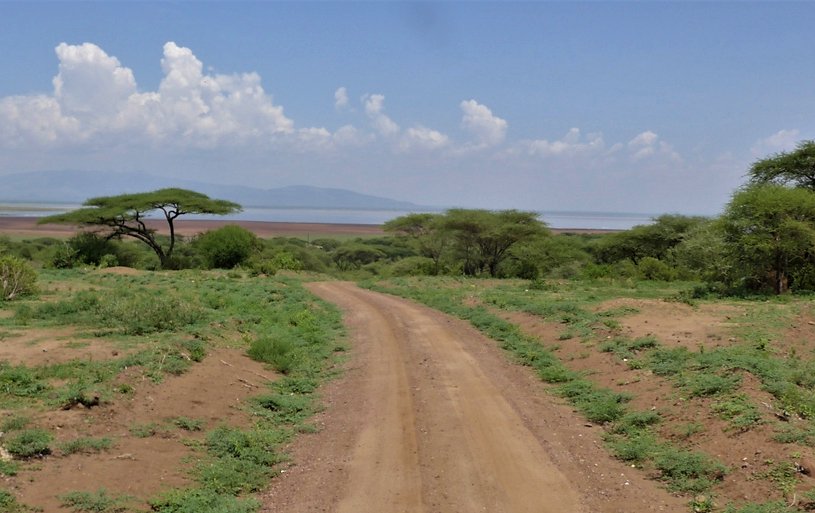
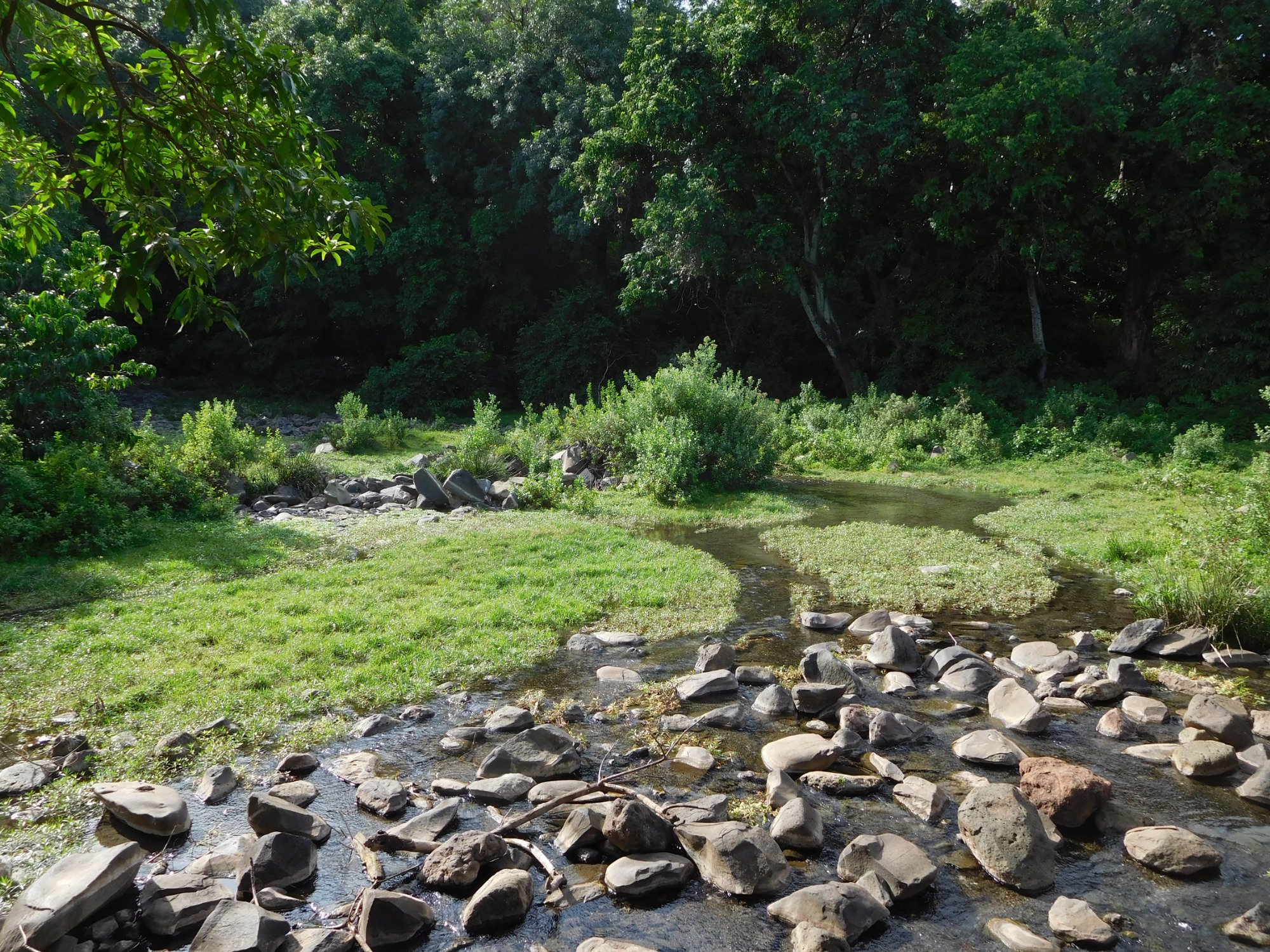
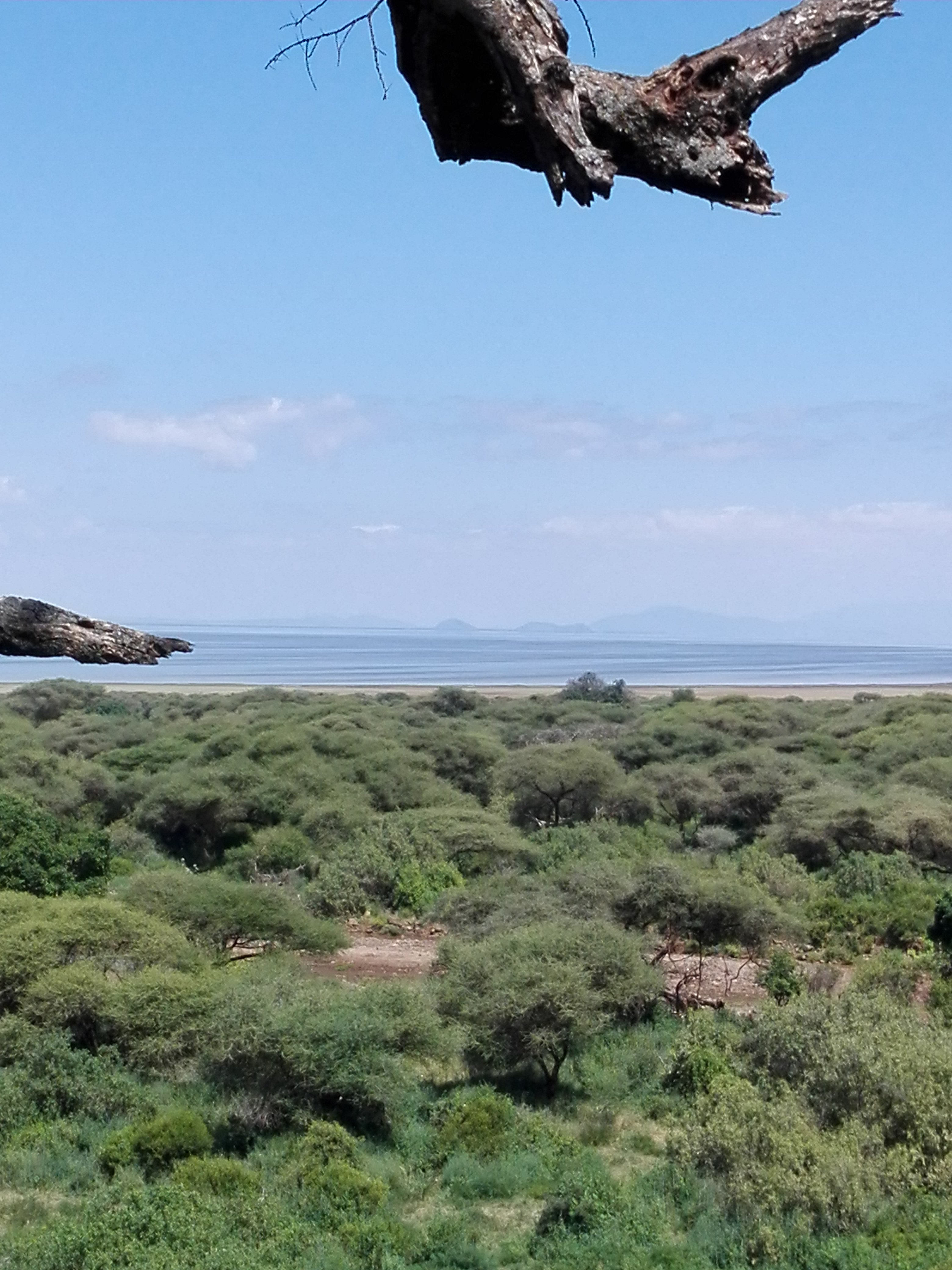
Lake Manyara suits wildlife photographers who plan for fast-changing light and close, layered scenes. In one morning you can frame an elephant in green forest shade, baboons on the track, and a distant pink smear of flamingos on the soda flats. The park is small and stacked, and the light shifts character within minutes as you move from shaded forest to open floodplain in northern Tanzania.
Before you go, it helps to know what actually lives here. A quick read on the animals in Lake Manyara will set your expectations for what you can realistically frame in a single day, and it shapes which lens stays on the body.
Camera Gear And Lenses For A Manyara Photo Safari
The park asks two things of your kit at once: reach for the lake and the treetops, and speed for the dark forest. A single body will make you swap glass at bad moments, so most serious shooters here carry two bodies if they can, one wearing a long zoom and one wearing something wider and faster.
For the wildlife itself, a telephoto zoom in the 100 to 400mm or 200 to 500mm range covers almost everything. The zoom matters more here than on the open plains because your subject distance jumps around constantly. A lion draped in an acacia might sit forty metres off the track, while a baboon crosses two metres from your tyre. A fixed 500mm or 600mm prime is glorious for the birds but will leave you helpless when an elephant fills the frame in the forest. If you own only one lens, make it a versatile telephoto zoom rather than a long prime.
The forest is where a fast aperture earns its price. A lens that opens to f/2.8 or f/4 pulls in far more light under the fig canopy than a slow superzoom that bottoms out at f/6.3. Pair that with good in-body or in-lens stabilisation, because shutter speeds in the shade drop fast. A wide to normal zoom, something like a 24 to 70mm, is worth having on the second body for the Rift Valley wall, the road cutting through green tunnels of forest, and the wide soda-flat scenes where a single flamingo flock reads better small against the landscape than cropped tight.
Pack a bean bag, not just a tripod. Inside the park you shoot from the vehicle, so a bean bag draped over the window frame or roof hatch edge steadies a long lens far better than any tripod squeezed into a footwell. A polarising filter also helps on the lake, cutting glare off the water and deepening the sky, though remember it costs you a stop or two of light you may want back in the forest.
Reading The Light Across The Day On A Game Drive
Manyara runs on the same clock as the rest of the northern circuit. The first two hours after the gate opens and the last two before it closes carry the good light, roughly 6:30 to 9:00 in the morning and 4:00 to 6:30 in the late afternoon. Low sun is warm, it rakes across fur and feathers to show texture, and it throws long soft shadows that give an image depth. The midday sun sits high and hard, flattens everything, and blows out the pale soda flats into a featureless white.
That said, Manyara has a trick the flat parks do not. The groundwater forest stays usable at midday because the canopy filters the harsh overhead sun into soft dappled patches. So a sensible plan is to work the open lakeshore and the flamingos early and late, then retreat into the forest for the flat light hours in the middle of the day. You are matching each habitat to the light it handles best rather than fighting the sun everywhere at once.
Direction matters as much as time. With the sun behind you the subject lights evenly, colours saturate, and shadows fall away from the lens. Turn the vehicle so you shoot toward a low sun and you get rim light, a thin glowing edge around an elephant or a flamingo that separates it from a dark background. Both are worth having. The mistake is shooting a side-lit animal at noon and wondering why the frame looks lifeless.
Photographing The Tree-Climbing Lions Honestly
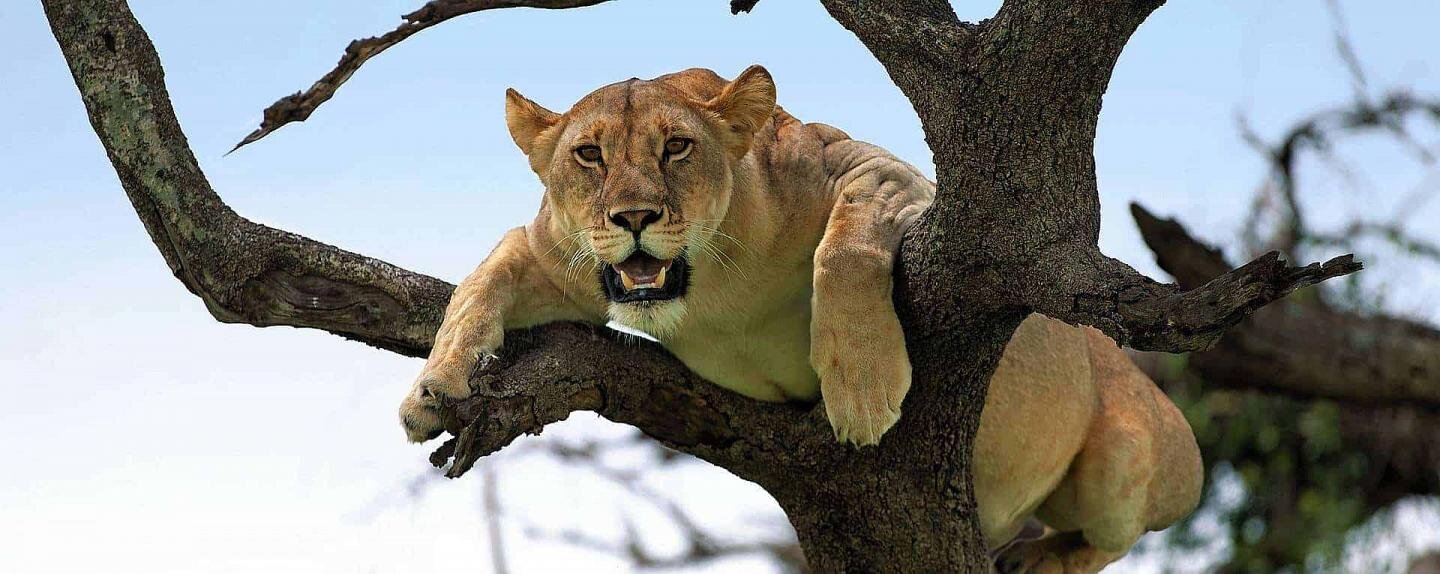
This is the shot most people arrive chasing, so it deserves a straight answer. Lake Manyara’s lions do sometimes rest up in the acacia and mahogany trees, draping over a branch through the heat of the day, and it is a genuinely odd and lovely thing to photograph. But they are not guaranteed, and on many days you will not see a lion in a tree at all. The behaviour is occasional, not a scheduled performance. Some visitors spend three days here and never catch it, while another vehicle stumbles on it in the first hour. Anyone who promises it is selling you something.
When it does happen, the picture is hard in ways the guidebooks skip. The lion is usually up in dappled shade with bright sky behind it, which fools the meter into darkening the cat to a silhouette. Expose for the lion, not the sky, even if that means clipping the background to white. Dial in positive exposure compensation, watch the animal’s face stay lit, and let the branches and leaves clutter around it, because that clutter is the whole story. A clean isolated portrait loses the point; you want the tree in the frame so the viewer understands where the cat is.
The lions favour the southern reaches and the woodland fringes near the lakeshore, and a guide who works the park daily will know which prides have been climbing lately. Patience beats driving fast. If you want to understand the behaviour before you go, read up on the tree-climbing lions so you recognise the setting when your guide slows the vehicle.
Expose for the cat and let the sky burn out. A perfect sky with a black lion is a wasted frame.
Elephants And Forest Wildlife In Dappled Light
The groundwater forest at the northern end is the park’s signature, and it is a beautiful, maddening place to shoot. Giant fig and mahogany trees close overhead, the ground is deep green shade, and elephants drift through the trunks almost silently, grey shapes appearing and dissolving between the wood. It is unlike any open-savannah elephant photography, and it asks for a different technique entirely.
The two enemies here are low light and background clutter. For the light, push your ISO higher than instinct wants, often to 1600, 3200, or beyond, and accept the grain as the cost of a sharp frame. Modern sensors clean up noise far better than they used to, and a sharp noisy shot beats a clean blurred one every time. Keep your shutter speed high enough to freeze a moving elephant, meaning at least 1/500 of a second and faster if the animal is walking, then let ISO climb to make that possible. A fast lens and stabilisation buy you the breathing room to do this.
For the clutter, use the dappled light as a spotlight. Wait for a shaft of sun to fall on the animal’s face or flank while the background stays in shadow, and let that pool of light do the separation a plain backdrop would do on the plains. A wide aperture also helps throw the tangle of trunks and branches soft behind your subject. Shoot patiently, because the forest gives you a shape half hidden one moment and fully lit in a gap the next, and the second frame is the keeper.
Flamingos And Birds On The Soda Lake
The alkaline lake is the other draw, and in a good season the far shoreline turns pink with lesser and greater flamingos feeding on the algae blooms. The numbers swing wildly. In a wet year the birds spread thin and distant, and in a dry stretch the water concentrates and the flocks bunch up closer. Do not count on a solid pink carpet on any given day, because the flamingos move with the water and the algae, and a park that dazzled one month can look sparse the next.
Distance is the honest problem. The birds usually sit well out on the flats, beyond even a 500mm reach for a frame-filling portrait, so plan for two kinds of picture. The first is the wide landscape, a thin band of pink under the Rift Valley wall, where the flock reads as a colour and the scene carries the image. The second is the tight action of a smaller group closer in, feet slapping water, wings spreading, where you want a fast shutter of 1/1600 to 1/2000 and continuous autofocus to catch a bird lifting off. Backlight works beautifully on flamingos late in the day, when the low sun turns spray and dust golden and the birds read as glowing silhouettes.
Beyond the flamingos, the lakeshore stacks up pelicans, storks, herons, and a long list of smaller birds that make Manyara one of the richest birding parks in the north. A tighter lens and a quick trigger finger pay off here. For where these gather most reliably, the guide to the best wildlife spots is worth reading before you plan your route through the park.
Positioning The Safari Vehicle For The Shot
In Manyara you photograph from the vehicle, so the vehicle is your tripod, your hide, and your angle all at once. The single biggest improvement most people can make is to get lower. Shooting down on an animal from a high seat flattens it against the ground and kills the sense of connection. Whenever the terrain allows, ask your guide to pull into a dip or a lower stretch of track so your lens comes closer to the subject’s eye level. An eye-level frame feels intimate in a way a top-down snapshot never does.
Talk to your guide, quietly and specifically. Most guides here understand exactly what a photographer needs, and a small request such as edging forward a metre or turning the nose so the sun sits behind you can transform a frame. But safety and the animal come first, so if the guide will not move, there is a reason, and the answer is to adapt your angle rather than push. Ask for the engine off at every sighting, both because the vibration softens your images and because the quiet is better for the animal.
Steady the long lens on a bean bag over the window edge before you frame, brace your elbows against the door, and squeeze the shutter on a held breath. Turn the engine off, kill any chatter, and let the vehicle settle before the first frame. Shoot in short bursts rather than one long machine-gun rattle, because the keeper is usually the second or third frame once the vehicle stops rocking. Keep both eyes open when you can, so you see the animal about to do something before it enters the frame.
Field Etiquette And Shooting Responsibly
Good pictures never justify a bad approach. You are a guest and an observer here, and the animal’s behaviour matters more than your shot. Never ask a guide to harass or crowd wildlife for a better angle, never block an animal’s path, and never push a vehicle into a space that stresses a mother with young. If a lion in a tree is clearly agitated by vehicles below, the ethical move is to back off, not press closer.
Keep noise down at sightings, because a quiet vehicle sees more natural behaviour and gets better frames as a bonus. Avoid flash on wildlife, which startles animals and rarely improves a daylight image anyway. Respect the park rules on staying in the vehicle and on the tracks, and give other vehicles at a sighting their turn rather than jockeying for the front spot. The best wildlife photography comes from patience and stillness, not from forcing the scene, and the photographer who waits quietly almost always outshoots the one who chases.
Building A Practical Shooting Plan For The Day
7-Day Lake Manyara, Tarangire, Serengeti & Ngorongoro Safari
5-Day Lake Manyara, Tarangire, Serengeti & Ngorongoro Safari
7-Day Arusha to Serengeti Northern Circuit Safari
Put the pieces together and a workable rhythm falls out. Enter at gate opening and go straight for the open lakeshore while the light is low and warm, working the flamingos and any early lion activity. As the sun climbs and hardens, move into the groundwater forest where the canopy keeps the light soft and the elephants and baboons give you subjects that suit the shade. In the late afternoon head back out to the open ground and the lake for the golden light and the chance of a backlit flock or a lion settling into a tree for the evening.
Set your camera up so you are not fumbling when it counts. Shoot RAW always, so you can rescue the shadows on a backlit lion or pull back a bright soda flat in editing. Keep auto ISO with a sensible ceiling and a minimum shutter speed so the camera protects your sharpness while you concentrate on the animal. Carry more memory and battery than you think you need, because a park this varied fills cards fast. Above all, hold your expectations loose. Manyara gives generously to the patient photographer and coldly to the impatient one, and the day you stop chasing a guaranteed lion in a tree is often the day the park hands you something better.
Frequently Asked Questions
What lens should I bring for Lake Manyara photography?
A versatile telephoto zoom in the 100 to 400mm or 200 to 500mm range handles most wildlife, because subject distances change constantly between the forest and the lake. Add a fast lens with a wide aperture of f/2.8 or f/4 for the dark forest, and a wide to normal zoom for the Rift Valley wall and soda-flat landscapes. If you can only bring one lens, choose a telephoto zoom over a long fixed prime.
Am I guaranteed to photograph tree-climbing lions?
No. The lions climb only occasionally, and many visitors spend several days in the park without seeing a lion in a tree. It is genuinely unpredictable behaviour rather than a scheduled sighting. A knowledgeable guide who works the park daily improves your odds by knowing which prides have been climbing recently, but nobody can promise the shot, and you should treat any operator who does with caution.
How do I handle the low light in the groundwater forest?
Push your ISO higher than feels comfortable, often to 1600, 3200, or beyond, and accept the grain because a sharp noisy frame beats a clean blurred one. Keep your shutter speed at 1/500 or faster to freeze moving animals, use a fast lens with a wide aperture, and lean on stabilisation. Watch for a shaft of dappled sun falling on your subject and use it as a natural spotlight against the shaded background.
When is the best light for a game drive here?
The two hours after the gate opens and the two before it closes give the warmest, softest light, roughly 6:30 to 9:00 in the morning and 4:00 to 6:30 in the afternoon. Work the open lakeshore and flamingos during those windows, then move into the forest during the harsh midday hours, because the canopy filters the high sun into soft dappled light that stays usable when the open ground does not.
Will I see huge flocks of flamingos?
Not always. Flamingo numbers swing with the water level and the algae, so a shoreline that glows solid pink one month can look sparse the next, and the birds often sit far out on the flats beyond a frame-filling reach. Plan for wide landscape shots of the flock as a band of colour under the escarpment, plus tight action frames of any smaller groups that feed closer to the track.
How much does a photography-focused visit to Lake Manyara cost?
Park entry fees for international visitors typically run in the region of fifty to sixty US dollars per adult for a day, on top of vehicle and guide costs. A private vehicle with a driver-guide who understands photographers is the single most worthwhile expense, and a specialist photographic safari that builds in extra time at sightings costs more per day than a standard game drive but pays off in the quality and quantity of usable frames. Prices vary by operator and season, so confirm current rates directly.