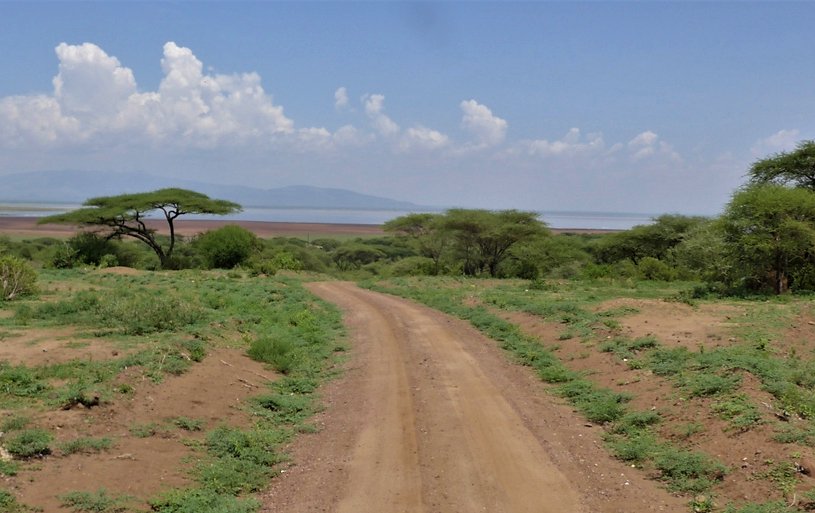
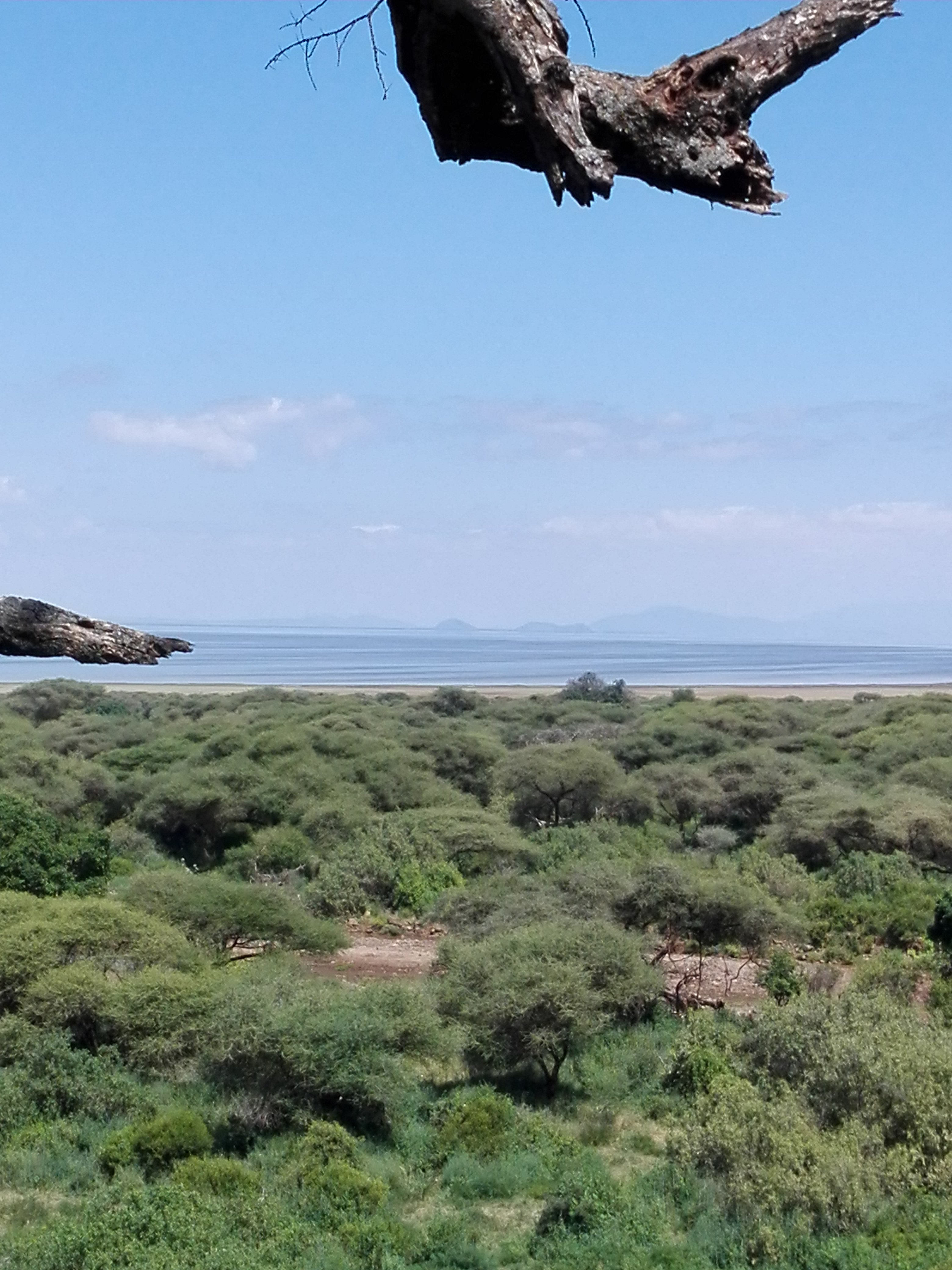
Lake Manyara’s nocturnal animals include genets, civets, bushbabies, porcupines and smaller predators that leave the forest once the light drops. The park is one of the few in Tanzania that permits a guided night drive, which is the only practical way to see them. Lake Manyara sits at the base of the Rift Valley escarpment in northern Tanzania, its forest and woodland alive after dark.
Before setting expectations too high, one honest note. Night creatures are shy, often solitary, and easily spooked. Some are seen on most outings, others are the reward of years of driving. Anyone who promises you a springhare and an aardvark on a single night is selling something. What follows sorts the reliable from the rare.
Night drives at Manyara run for roughly two to three hours after dark, in an open vehicle with a canvas roof, a powerful handheld spotlight, and an armed park ranger riding along. You cannot simply stay in the park after your day drive and continue on your own. The after-dark outing is a separate, pre-arranged activity, so book it in advance rather than deciding at the gate.
Why Night Wildlife Viewing Works at Lake Manyara
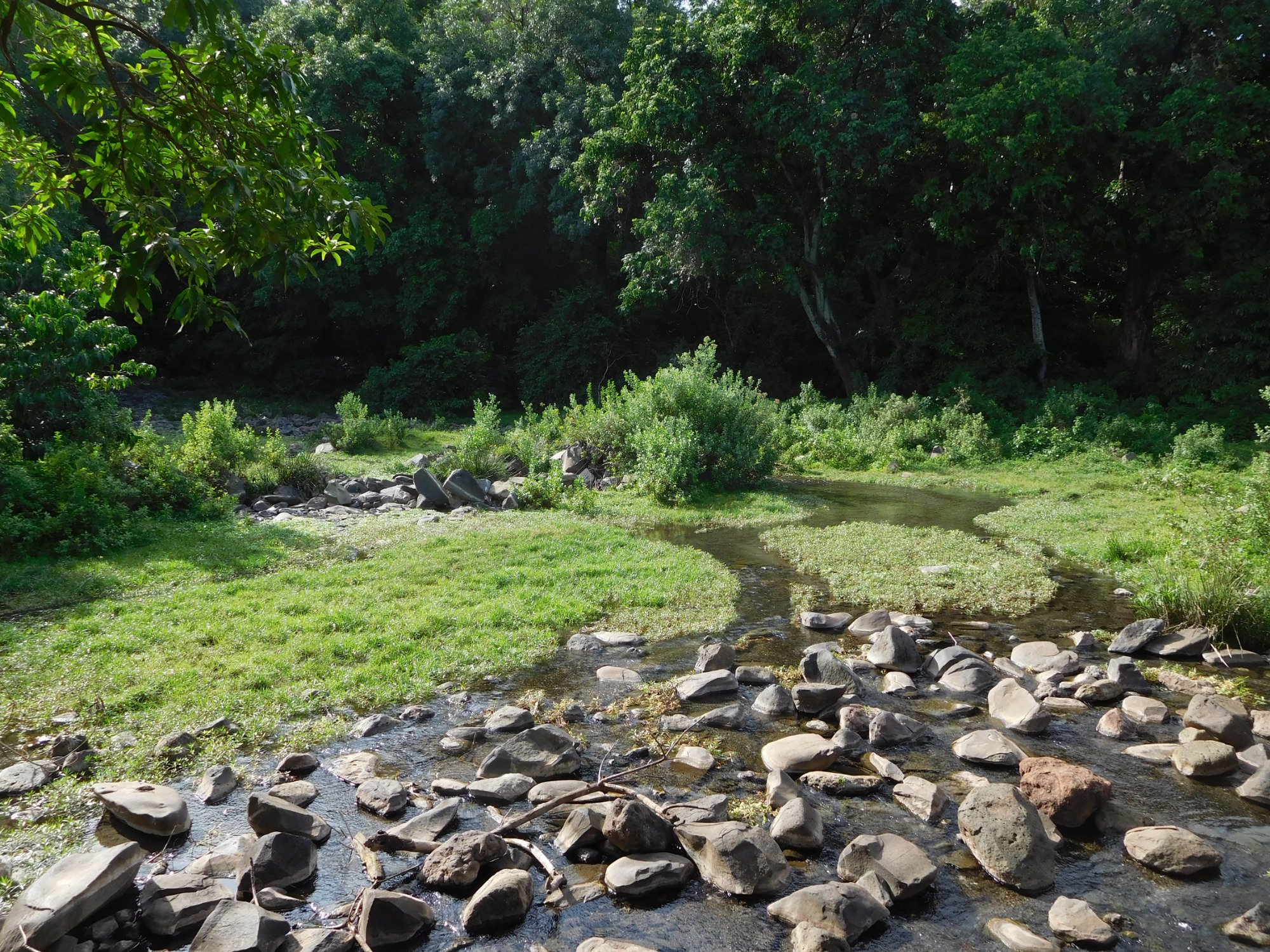
Manyara packs a lot of habitat into a small footprint. Groundwater forest fed by springs at the escarpment base, open woodland, grassy floodplain, and the shore of the alkaline lake all sit within a short drive of each other. That density of edges is exactly what small nocturnal mammals like, because edges give them cover on one side and hunting ground on the other. The compact size also means a guide can cover several habitat types in a single outing rather than grinding across open plains.
The other reason the park works after dark is the spotlight rule itself. Tanzania restricts night driving to a handful of parks, and Manyara is on that short list alongside neighbouring Tarangire. Because the activity is sanctioned and run with a ranger, you get to sweep a beam across the treeline legally and safely, picking out the eye-shine that gives these animals away. During the day, almost none of what this article describes is visible. The same track that shows you baboons and impala at noon becomes a genet and porcupine route once the sun is gone.
Genets and Civets on the Night Game Drive
If you see one small carnivore at Manyara after dark, it will most likely be a common genet. Genets are slender, cat-shaped animals with a long spotted body and a banded tail nearly as long again. They are strongly nocturnal, sleep in trees by day, and are among the most frequently spotted animals along African tracks at night. Their eyes throw back a bright reflection in the beam, and they will often freeze on a branch or a fallen log long enough for a good look before slinking off. Of all the true night specialists here, the genet is the one you have a genuine chance of seeing on a single night game drive.
The African civet is a different animal, and people mix the two up constantly. A civet is much larger and heavier than a genet, low-slung and dog-like in the way it walks, with a broad face, black-and-white markings, and a coarse coat blotched with dark spots and stripes. It is not catlike in proportion the way a genet is. Civets are also nocturnal, spending the day tucked into dense vegetation and emerging at dusk to plod along paths sniffing out fruit, insects, small reptiles, and carrion. They are seen less often than genets but are not rare, and their unmistakable shuffling gait makes them easy to name once the beam lands on one.
Slender and spotted with a long banded tail is a genet. Bulky, striped, and shuffling like a small badger is a civet. Get that right and you are ahead of most first-time visitors.
Mongoose, Bushbabies and the Smaller Night Residents
The white-tailed mongoose is one of the more dependable night sightings at Manyara. It is the largest African mongoose, solitary and nocturnal, and its pale bushy tail is a giveaway when it trots across the road ahead of the vehicle. Unlike the banded and dwarf mongooses you see in packs during the day, this one works alone after dark, hunting insects, rodents, and reptiles along the verges.
Look up into the acacias and you may meet a bushbaby, also called a galago. These small nocturnal primates are among the most charming things a spotlight can find. Manyara holds both the tiny Senegal galago and, in the forest, the larger greater galago. Their huge forward-facing eyes are packed with light-sensitive cells and reflect a strong reddish glow in torchlight, which is usually how you find them before you see the body at all. Once located, they leap between branches with a spring that looks impossible for something so small, snatching insects and gum from the trees. The eye-shine high in the canopy is often the first clue a guide calls out.
Lower down, the crested porcupine lumbers along the tracks, a heavyset rodent armoured in black-and-white quills that it rattles when alarmed. Porcupines are reasonably common but secretive, so a sighting is a treat rather than a certainty. The springhare is stranger still, a rodent that bounds on long back legs like a miniature kangaroo, its eyes flashing at ground level in open sandy areas. Springhares are patchy and easily missed, so count one as a real bonus.
The Rare and the Hoped-For: Serval, Aardvark, Honey Badger and Bat-Eared Fox
This is the group that keeps experienced safari-goers coming back to the night drive, and it is also the group you should not expect to tick off. Manage your hopes here and any sighting becomes a gift rather than a letdown.
The serval is a slender, long-legged cat with a spotted coat, built for hunting in tall grass where it can leap high to pin birds and rodents. It is one of the more beautiful animals a beam can catch, and it does occur around Manyara, but servals are shy and thinly spread. Consider a serval a genuine stroke of luck rather than part of the plan.
Rarer again is the aardvark, one of the least-seen mammals in East Africa. This solitary insect eater has a long snout, rabbit-like ears, and heavy claws for tearing open termite mounds, and it moves quietly through the dark on its own schedule. Plenty of guides who have worked the park for years count their aardvark sightings on one hand. The bat-eared fox, a small pale fox with enormous ears it uses to listen for insects underground, is more often associated with open short-grass country and shares burrows with aardvarks in some areas, so it too is an occasional rather than a reliable find at Manyara.
The honey badger rounds out this set. Famously tough and fearless for its size, it forages for insects, reptiles, honey, and small mammals, and while it can be active by day it often prefers the cover of night. Badgers roam widely and turn up unpredictably, which is a polite way of saying you cannot go looking for one and expect success. Several of these animals belong to what guides across the region call the secret seven, the hardest nocturnal mammals to see, and Manyara gives you a legitimate shot at the beam finding one.
Hyena, Leopard and the Larger Night Hunters
Not everything after dark is small. The spotted hyena is more active and more vocal at night, and its whooping call carries across the floodplain long after sunset. Hyenas patrol and scavenge in the dark, and hearing a clan call back and forth is often as memorable as seeing one in the beam.
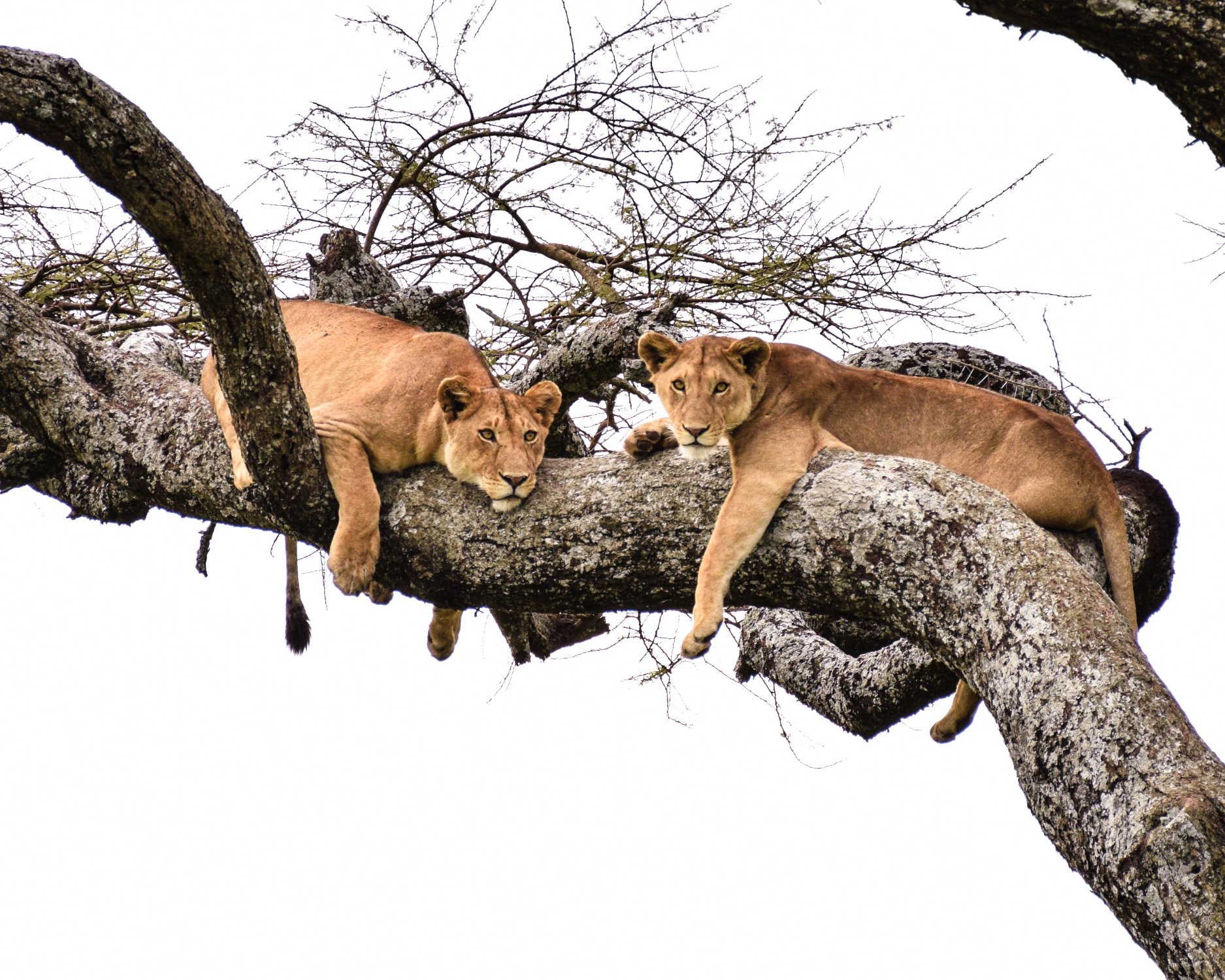
Manyara is well known for its tree-climbing lions, and lions do shift much of their hunting into the cooler night hours, so a pride crossing a track or resting near the road is possible on an after-dark outing. Big cats are unpredictable at the best of times, though, so treat any lion sighting as opportunistic. The park’s leopards are the classic night hunter, superbly camouflaged and largely solitary, and while they are present in the forest and woodland they are seldom seen by anyone at any hour. If you want the full picture of the big and small residents that share these habitats around the clock, it helps to read up on the wider range of animals in Lake Manyara before you go, so you know what the beam might reveal.
One large animal you are almost certain to see is the hippo. Hippos spend the day in water but graze on land at night, and the night drive often catches them out of the pools, cropping grass along the verges. Seeing a hippo on dry ground, well away from the safety of the water, is one of the small pleasures the after-dark outing offers that a day drive rarely does.
Owls, Nightjars and Birds of the Dark
The night belongs to birds as much as mammals. Owls hunt across the park after sunset, and the spotlight will sometimes pick out a pair of eyes on a bare branch or the pale underside of a bird lifting off a fence post. Manyara’s woodland and forest hold several owl species, from small scops owls to larger eagle-owls, and their calls are a constant backing track once the light fades.
Nightjars are the other classic bird of the night drive, and they are easiest to find on the road itself. These cryptically patterned birds rest on open ground, and their eyes glow like small red coals in the headlights before they flutter up ahead of the vehicle. Dikkops, also called thick-knees, work the same open verges, calling in the dark. None of these birds needs luck the way the aardvark does, so the sound and sight of the park’s night birds is one of the more dependable rewards of going out after dark.
A realistic night at Manyara usually delivers genets, a white-tailed mongoose, bushbaby eye-shine in the trees, hippos grazing, and a chorus of owls and nightjars. Porcupine, civet, and springhare turn up on a good night. Serval, aardvark, honey badger, and bat-eared fox are the rare prizes that reward repeat visits and a patient guide.
How the Spotlight and Ranger Make the Sightings Happen
The single tool that makes a night safari work is the handheld spotlight. Guides sweep the beam slowly along the treeline and across the grass, watching for eye-shine, the coloured reflection thrown back by a membrane behind many nocturnal animals’ eyes. Different species glow differently, and an experienced guide reads that shine to name an animal before its shape is even clear. A red-orange glow high in an acacia is very likely a bushbaby. A bright pair low in the grass could be a genet or a serval. Learning to trust the guide’s call on the eye-shine is a large part of what makes the outing satisfying.
The armed ranger who accompanies every drive is there for safety and for legal reasons, since the park requires it. In practice the ranger also adds a second set of trained eyes and steadies the whole outing, keeping the vehicle at a respectful distance and stopping anyone from getting out or getting too close. Good night viewing is unhurried. The vehicle rolls slowly, stops often, cuts the engine to listen, and lets the dark settle before moving on. Rushing the drive is the surest way to see nothing.
Setting Honest Expectations for Your Night Safari
The truth about after-dark wildlife viewing is that it is gloriously unpredictable, and that unpredictability is the point. Two vehicles leaving the same gate ten minutes apart can have completely different nights. One finds a civet and a porcupine in the first half hour, the other sees a dozen genets and nothing else, and both are perfectly normal outcomes. If you go out expecting a guaranteed checklist you will be disappointed. If you go out to spend a few hours in a place transformed by darkness, alert to whatever the beam finds, you will almost always come back happy.
The smaller carnivores, the eye-shine in the canopy, the hippos out of the water, and the calls of owls and nightjars are the steady core of the experience. Everything beyond that is weather, luck, and the skill of your guide. Go with patience and curiosity rather than a shopping list, and Manyara after dark rewards you with a version of the park almost nobody else sees.
Frequently Asked Questions
What nocturnal animals am I most likely to see at Lake Manyara?
The most reliable sightings are common genets, the white-tailed mongoose, bushbabies giving away their position by eye-shine in the trees, hippos grazing on land, and a range of owls and nightjars. Porcupine, African civet, and springhare are realistic on a good night. Serval, aardvark, honey badger, and bat-eared fox are genuinely rare and should be treated as lucky bonuses rather than expectations.
How much does a night game drive at Lake Manyara cost?
Costs vary by operator and how fees are bundled, but as a rough guide the park levies a night-drive activity fee in the region of fifty to sixty US dollars per person, plus a ranger fee of around twenty-five dollars, on top of standard park entry. Operators add their own vehicle and guiding charges. Always confirm the current total with your tour operator, since park fees are set by the authorities and change from time to time.
How long does the night drive last and when does it start?
Most night drives run for two to three hours and set off after dark, typically leaving the gate or lodge around 8pm following an early dinner. The activity must be pre-arranged, so it is booked ahead rather than added on a whim at the end of a day drive.
Why can you do a night drive at Manyara when most Tanzanian parks forbid it?
Tanzania permits after-dark driving in only a small number of parks, and Lake Manyara is one of them, along with neighbouring Tarangire. The activity is run under park authority rules with an armed ranger and a licensed guide, which is why it is allowed here and not in places like the Serengeti or Ngorongoro Crater.
What is the difference between a genet and a civet?
A genet is slender and cat-like, with a long spotted body and a long banded tail, and it is the small carnivore you are most likely to see. A civet is much larger and heavier, low-slung and almost badger-like, with a broad marked face and a coarse blotched coat, and it walks with a distinctive shuffle. Size and shape tell them apart at a glance once you know what to look for.
Do I need special gear or clothing for the night drive?
The guide provides the spotlight, so you do not need heavy equipment, but bring warm layers because temperatures drop sharply after sunset in open vehicles. A small personal torch, insect repellent, and binoculars that gather light well are all useful. Wear dark, quiet clothing and avoid using flash photography, which disturbs the animals and ruins the guide’s night vision.