Tanzanian safaris cover far more than the classic image of an open vehicle beside a lion on golden grass. Across the country you can watch wildlife by boat, on foot, from a hot air balloon, or under a spotlight after dark, and move between parks by road or small plane. Tanzania holds the Serengeti, the Ngorongoro Crater, and many other reserves, along with Maasai communities who share the land, giving each trip a different character depending on where you go.
This guide walks through the main kinds of Tanzanian safaris and shows how they fit together. Think of it less as a menu where you pick one dish and more as a set of ingredients you can combine into a trip that suits your time, your pace, and the wildlife you most want to see. A good Tanzania safari often blends two or three of these experiences rather than repeating the same activity every day.
Quick orientation: Tanzania splits roughly into a northern circuit, a southern circuit, a western circuit, and the coast. The north is easy to reach by road and packed with game. The south and west are quieter, wilder, and usually reached by small plane. Where you go shapes which safari types are on offer.
The classic game drive safari, still the heart of it
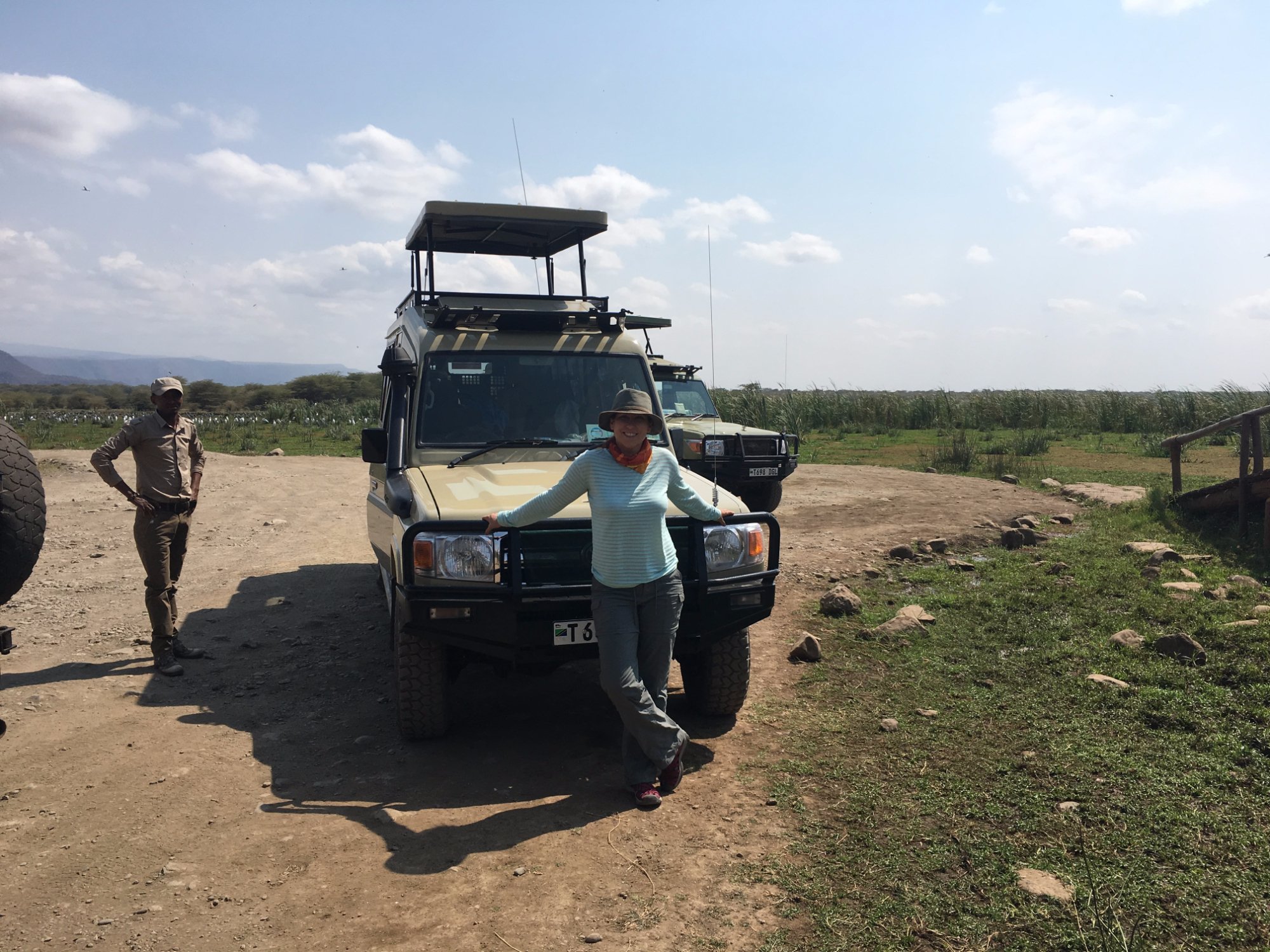
The game drive is the backbone of almost every Tanzanian trip, and for good reason. You sit in a raised 4WD vehicle with a pop up roof, and a trained guide drives slowly through the park while you scan for movement. The height gives you a clear view over the grass, the vehicle lets you cover ground, and the guide reads tracks, alarm calls, and the behaviour of one animal to find another.
In the northern parks the animals have seen vehicles every day for decades, so they mostly ignore you. That habituation is a gift for photographers and first time visitors, because a leopard draped over a branch will often stay put while you watch. Morning drives catch predators still active from the night, and late afternoon drives catch them stirring again as the heat drops. Some travellers do a full day drive with a packed lunch in the bush, which suits places where the good sightings are far from camp.
A game drive is where most people build their sense of the wider set of wildlife safaris the country offers. It is reliable, it is comfortable, and it works for families, older travellers, and anyone who wants to see a lot without physical strain. If you only had time for one kind of safari, this would be it.
Walking safaris that put you on the ground
Step out of the vehicle and everything changes. A walking safari trades speed and range for detail and feeling. You move on foot behind an armed guide, usually in the cool hours of early morning, and you notice the things a car flies past: fresh tracks pressed into dust, a dung beetle rolling its prize, the smell of wild sage, the way a distant snort tells you a buffalo is closer than you thought.
Walking is not really about ticking off big animals. It is about scale and awareness. Standing in open country with no metal around you resets how you feel about the wildlife, even when the wildlife in view is a herd of impala rather than a lion. Guides brief you carefully on how to behave, where to walk, and what to do if an animal gets curious, and encounters with dangerous game on foot are managed with real caution.
The southern circuit, and Ruaha in particular, is one of the finest walking regions in Africa, with experienced guides and country that rewards slow travel. Private conservancies near the northern parks and sections of the Ngorongoro Conservation Area also run walks, so you can add a morning on foot without redesigning your whole route.
Night drive safaris and the animals that wake after dark
Most of the daytime safari world belongs to grazers and their watchers. After sunset a different cast takes over. A night drive uses a hand held spotlight, held with care to avoid dazzling the animals, and swings it slowly across the bush to catch the shine of eyes. This is when you have your best chance of genets, civets, bush babies, porcupines, and hunting hyena, and sometimes a leopard moving with purpose.
Night drives are not allowed inside the main national parks, so they happen in private conservancies and reserves on park edges. That restriction is worth knowing when you plan, because it steers you toward staying at least one night in a concession rather than only inside the park boundary. Sightings are never guaranteed, and some nights are quiet, but the sounds alone make the outing worthwhile.
The bush at night is a different country. You hear it before you see it, and half of what passes stays a mystery in the dark.
Balloon safaris over the plains at dawn
A hot air balloon safari is the splurge that people rarely regret. You rise before first light, climb into the basket, and lift off as the sun comes up. For an hour or so you drift low over the country while the pilot rides the wind, sometimes skimming a treetop, sometimes floating high enough to take in the whole sweep of grassland. During the migration months over the Serengeti plains you can look down on rivers of wildebeest, though the animals below shift with the season and no flight can promise a particular scene.
Balloon flights run over several areas, including Tarangire, the Grumeti sector, and Ruaha, not just the central plains. Most end with a bush breakfast laid out under an acacia, sparkling wine in hand, which turns the flight into a morning rather than a single ride. It is expensive and weather dependent, but as a one time addition to a longer trip it gives you a perspective no game drive can.
Boat and canoe safaris on the southern rivers
Water opens a side of Tanzania that road based travel misses. A boat safari lets you approach hippo pods, watch crocodiles slide off the banks, and drift close to birds that would never let a vehicle near. The Rufiji River in Nyerere National Park is the classic setting, winding for more than two hundred kilometres through the southern wilderness and giving you a rare chance to view game from the water.
On a typical outing you might see fish eagles, kingfishers, herons, monitor lizards, and monkeys along the fringing forest, with elephants sometimes coming down to drink. Camps offer short outings of a couple of hours or half day floats, and the calm of moving with the current is a real change of pace after bouncing on bush tracks. Some lodges run a slow programme that pairs a morning boat trip with an afternoon drive so you cover both worlds in a single day. Quiet canoe outings are offered in a few spots too, bringing you even lower to the water, though these depend on the camp and the river level.
Fly in against overland: how you move between parks
Beyond what you do inside a park sits the question of how you travel between them, and this quietly shapes the whole trip. An overland safari keeps you on the ground, driving from park to park with the same guide throughout. That continuity matters more than people expect. A guide who spends days with you learns your rhythm, when you want to linger over a sighting, how much the photography matters, and when you are ready to move on. You also see the country in between, the villages and markets and shifting landscapes that flying skips entirely.
A fly in safari swaps the long drives for short hops in light aircraft. You lose the ground level view and you pack into a soft bag with a tight weight limit, but you gain time and comfort, and you reach remote areas that are simply hard to drive to. The southern and western parks are effectively fly in destinations, since road access is slow and rough. Many travellers land on a hybrid: drive the compact northern loop where roads are good, then fly into a far sector or a southern park if the schedule is tight. If you have only a few days, flying earns its keep; with a week or more, driving usually delivers better value and a richer sense of place.
Game drives suit everyone and anchor most trips. Walking safaris reward the curious and the fit. Night drives need a conservancy stay. Balloon flights are a once per trip treat. Boat safaris belong to the southern rivers. Fly in saves days, overland saves money and adds depth.
Cultural safaris that meet the people of the land
Wildlife is only half of Tanzania. A cultural safari brings you into contact with the communities who live alongside the parks, and done well it is one of the most grounding parts of a trip. The best known are visits to Maasai bomas, where families keep cattle inside a ring of thorn and welcome visitors to see how the household works, watch the jumping dance, and hear how they read weather, grazing, and the movement of predators.
Around the northern parks you can also meet Hadzabe hunter gatherers near Lake Eyasi, spend time with Datoga blacksmiths, or visit coffee growers on the slopes below the big mountains. The honest version of a cultural safari avoids the staged, transactional feel that some village stops fall into. Look for programmes run in partnership with the community, where your visit supports a school, a craft group, or a grazing plan, and where the conversation goes both ways rather than turning people into a photo backdrop.
Birding safaris for the patient watcher
Tanzania is a serious birding safari country, with well over a thousand species recorded, and even travellers who did not think of themselves as birders often get pulled in. Tarangire has more breeding species than almost anywhere, with dry country specialists among the baobabs. Ruaha has recorded more than five hundred species, and a good day there can turn up a hundred kinds. Lake Manyara is a gentle introduction, its soda flats and groundwater forest drawing flamingos, storks, pelicans, and a long list of forest birds a first timer can build on.
A dedicated birding tour moves more slowly than a general game drive, stopping often and lingering where a mixed flock is working through the trees. But you do not need a specialist trip to enjoy the birds. Ask your guide to point them out on an ordinary drive and the plains fill with kori bustards, lilac breasted rollers, secretary birds, and raptors you would otherwise slide past. Green season, when many species breed and migrants arrive, is the strongest stretch for birds even though the grass is taller and some mammals harder to spot.
How to mix safari types into one trip
11-Day Northern Circuit & Nyerere Selous Safari
6-Day Arusha, Manyara, Tarangire & Ngorongoro Safari
4 Days Lake Manyara & Ngorongoro Crater
The most satisfying itineraries layer several of these experiences rather than repeating one. A common northern shape gives you game drives through Tarangire, Lake Manyara, and the Ngorongoro Crater, a walk on a private concession, and a flight or long drive into the Serengeti for the open plains and, in season, the migration. Add a balloon flight on one Serengeti morning and you have covered four safari types in a single loop.
If you have longer or want more solitude, tack on a southern leg. Fly to Nyerere or Ruaha for boat safaris, strong walking, and far fewer vehicles, and the trip gains a completely different texture. Travellers with a special interest, whether chimpanzees in the western forests, birds across the whole country, or deep cultural time, can build the whole route around that thread. The point is to match the safari types to what you actually enjoy, not to cram every activity into too few days. Two experiences done well beat five done in a rush.
Frequently asked questions about Tanzanian safaris
How much does a Tanzania safari cost across these different types?
Prices swing widely by style. Budget overland trips using public campsites and shared vehicles can start around US$150 to US$250 per person per day. Comfortable midrange lodge safaris usually run US$350 to US$600 per person per day, and high end fly in trips with luxury camps often sit from US$800 to well over US$1,500 per person per day. Single activities add on top: a balloon flight is commonly around US$500 to US$600 per person, and a single internal flight leg runs roughly US$200 to US$575. Boat safaris and walks are often included in a southern camp rate, while night drives depend on staying in a conservancy.
Which safari types can beginners handle comfortably?
Game drives, boat safaris, balloon flights, cultural visits, and general birding all suit first time and older travellers, since they involve little physical effort. Walking safaris ask for reasonable fitness and a steady temperament, but most are gentle rather than strenuous. Guides brief every group thoroughly, so nervous walkers are looked after. If mobility is a concern, build the trip around drives and boats and treat walks as an optional morning.
Do I need to visit more than one circuit to get variety?
Not at all. The northern circuit alone offers game drives, walks on private land, night drives, balloon flights, cultural visits, and excellent birding, so a single well planned loop can feel richly varied. Adding the southern or western circuit brings boat safaris, wilder walking, chimpanzee trekking, and far more solitude, but it is a choice about depth and time, not a requirement for a good trip.
When is the best time for each kind of safari?
The drier months concentrate animals around water and make roads and walking easier, which suits game drives, walks, and predators generally. Boat safaris are strongest when river levels are healthy, often toward the end of the dry stretch and after the rains. Birding peaks in the green season, when migrants arrive and many species breed. Balloon flights run year round but are weather dependent on the day. Your guide can time activities within a trip to catch the best of each.
Is a fly in or an overland safari better value?
It depends on how many days you have. With two to four days, flying makes sense because it removes long drives and gets you into the action fast. With five days or more, driving usually gives better value, lets you keep one guide throughout, and shows you the country between parks. Many travellers split the difference, driving the compact northern parks and flying only for the longest or most remote leg.
Are night drives and walking safaris safe?
Both run under strict guiding rules. Walks go out with an armed, trained guide who briefs the group and keeps a careful distance from dangerous animals, choosing routes that avoid trouble rather than seeking it. Night drives use a spotlight handled to avoid stressing the animals and stay inside the vehicle in areas licensed for the activity. Nothing in the wild is risk free, but these activities have a long safe record when run by reputable operators.