A Tanzania safari is priced per person per day, and what you pay depends on your comfort tier, the number of days and parks, your group size, and the season you travel. Budget camping sits at the bottom, mid-range lodges in the middle, and luxury camps at the top, with fees varying by season and the full breakdown below. The daily rate bundles your accommodation, meals, vehicle, driver guide, and park entry charges.
Most people expect a safari to be priced like a hotel room, with a nightly rate and a few extras. In reality a safari is a bundled product. Your daily price folds in your bed, your meals, the vehicle, the driver guide, and the fees the government charges to enter protected land. Because those pieces vary so much, the same word “safari” can mean a shared truck and a canvas tent or a private cruiser and a suite with a plunge pool. The sections below break the whole thing apart so you can build a mental model of your own trip.
The short version: a Tanzania safari is priced per person per day, and that daily figure carries almost everything except your international flights, visa, insurance, and tips. Pick your comfort tier, your number of parks and days, and whether you travel private or shared, and you have roughly sketched your budget.
What Really Drives the Cost of a Tanzania Safari
Think of your safari price as a stack of layers. At the bottom sit the fixed government charges that nobody escapes. On top of those sit your accommodation and your vehicle, which are where your personal taste has the biggest effect. Season, group size, and travel style then stretch or compress the whole stack. When a company quotes you a single per person per day rate, they have already added all these layers together and divided by the number of guests sharing the vehicle. That is why the same lodge can appear in a cheap quote and an expensive one depending on how the rest of the trip is arranged.
The single most useful habit is to stop asking “how much is a safari” and start asking “how many days, in which parks, at what comfort level, with how many people in my vehicle, and in which month.” Every one of those answers moves the price, and together they explain nearly the entire range you will see advertised. A short trip to nearby parks in a shared vehicle during the rains is a different financial animal from a long private circuit with lodges in the dry peak.
Budget, Mid-Range, and Luxury Safari Tiers Explained
The clearest way to place yourself on the price map is by comfort tier, because accommodation and service style set the tone for the whole trip. A budget safari usually means camping. You sleep in a simple tent, often at public campsites inside or beside the parks, eat meals cooked by a camp crew, and travel in a sturdy but no frills vehicle, frequently sharing it with other travellers. It is the most affordable way to see the same animals everyone else sees, and the wildlife does not know or care what you paid to watch it.
A mid-range safari swaps the tent for a permanent lodge or a comfortable tented camp with real beds, running water, and a proper dining room. You still get excellent game viewing, a good driver guide, and a private or small shared vehicle, but with hot showers and a bar at the end of the day. This is where most first time visitors land, because it balances comfort against cost without feeling either rough or extravagant. If you want a gentle sense of the scale, a smaller park visit such as a Lake Manyara safari cost sits at the lower end of the mid-range picture and makes a good reference point.
A luxury safari raises everything. The camps and lodges are intimate, beautifully built, and often set in private concessions where crowds thin out. Service is attentive, food is a highlight, and the vehicle is private with a guide who tailors each drive to you. At the top of this tier you find fly in itineraries that trade long road transfers for light aircraft hops, plunge pools, and exclusive access. The animals are identical to the budget tier, but the surrounding experience is polished to a very high shine, and that polish is what you are paying for.
The wildlife is the same across every tier. What changes is your bed, your privacy, your guide, and how much of Tanzania you cover.
Park Entry Fees and Concession Charges
Before any lodge or vehicle enters the equation, the government charges you simply to be inside a protected area. These park entry fees are per person and generally reset each day you are in the park, so a longer stay inside a single reserve stacks the fee day after day. On top of the plain entry fee, many parks add a concession or overnight fee that applies when you sleep inside the boundary, which is one reason some itineraries base you just outside a park and drive in each morning.
Certain areas layer on extra charges. The famous crater in the north carries a special vehicle service fee every time you descend into it, and reaching the vast plains of the Serengeti usually means paying a transit charge to cross the conservation area in between. None of these fees depend on your comfort tier. A camper and a luxury guest pay the government exactly the same to enter, which is why fees make up a much larger slice of a budget trip’s total than of a luxury one. Payment at the gates is now cashless, handled by card, so these amounts are fixed and non negotiable.
The 4×4 Vehicle and Your Driver Guide
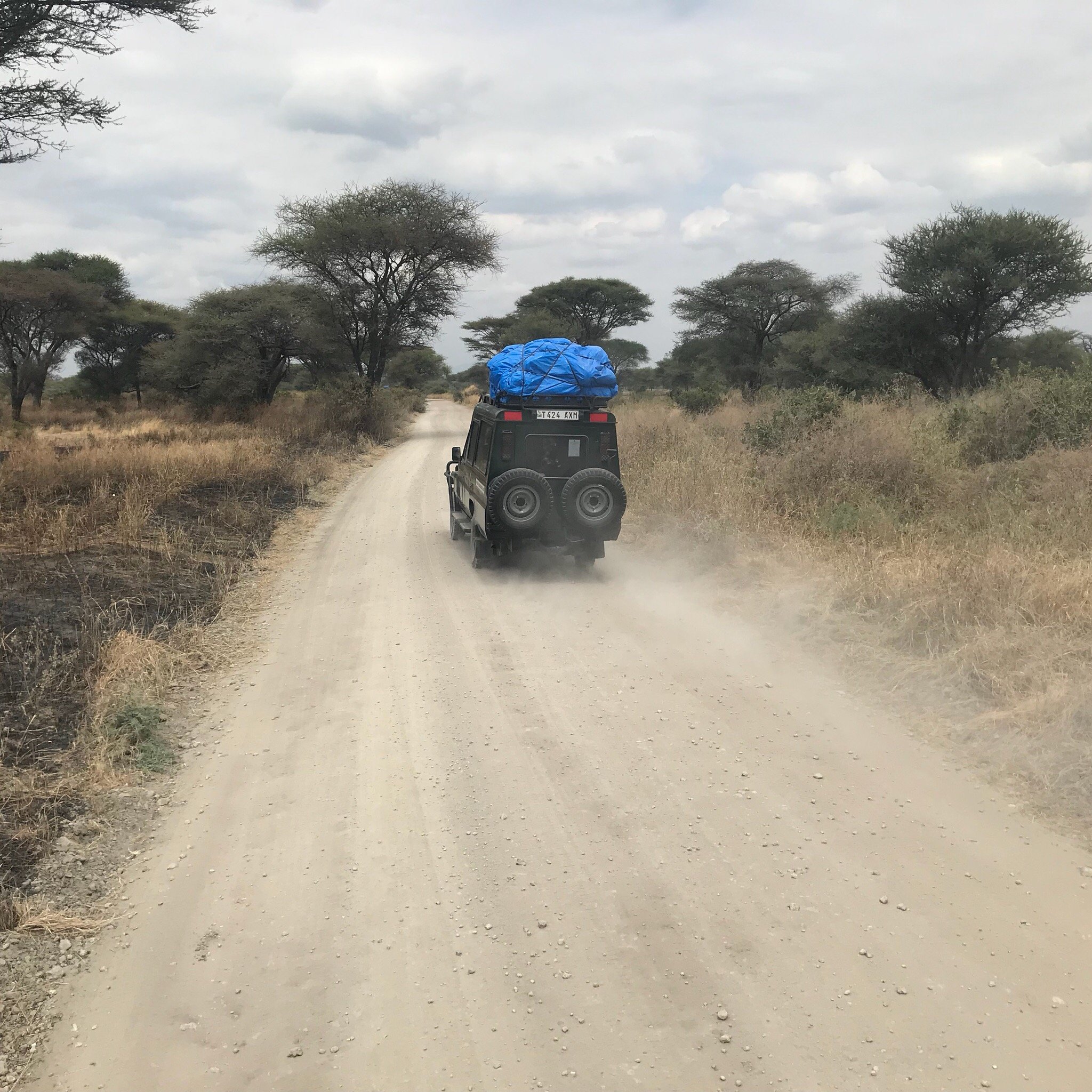
The vehicle is the workhorse of any Tanzania safari, and it costs real money whether you fill it or not. A proper safari cruiser with a pop up roof, high clearance, and a spare fuel range is expensive to run across rough tracks, and the driver guide who operates it is a trained professional, not just a chauffeur. Their eyes find the leopard in the tree and their knowledge turns a quiet plain into a story. On a private trip, the full daily cost of that vehicle and guide falls on your party alone.
This is exactly why group size has such a powerful effect on price. When six or seven travellers share one vehicle, the fixed cost of the truck, the fuel, and the guide splits many ways, and each person’s share drops sharply. On a shared or joining Tanzania safari, you trade some flexibility for a much lower per person figure. On a private safari you keep the whole vehicle to yourselves, choose your own pace, and pay for that freedom. Neither is right or wrong, but the difference between them can move your daily rate more than almost any other single choice, aside from your comfort tier.
Lodges, Camps, and Where You Sleep
Accommodation is the biggest lever after park fees, and it swings the widest. At the affordable end, a public campsite with your own tent costs a fraction of a built room. Step up to a simple guesthouse or a modest tented camp and the price climbs gently. Move into a polished lodge with pools and lounges and it climbs again. At the summit sit the intimate luxury camps in private concessions, where a single night can cost more than several nights of camping combined.
Location matters as much as luxury. A lodge deep inside a popular park commands a premium for its position, since you wake up already surrounded by wildlife and lose no time driving in. Properties on the edges or in nearby towns cost less but add road time to each game drive. A well planned budget safari often mixes cheaper sleeping options with smart positioning to keep the nightly figure down without sacrificing the actual game viewing hours. Where you lay your head is the clearest expression of your chosen tier, and it is the line item you can adjust most freely without touching the wildlife you came to see.
Number of Parks, Days, and Domestic Flights
How much ground you cover shapes the total more than any per day rate alone. A short trip to one or two parks close together keeps transfers cheap and the day count low. A grand circuit that links several reserves means more park fees, more nights, and more driving, which is why longer itineraries carry bigger totals even at the same daily tier. Adding a distant park such as the far western or southern reserves usually pulls in a decision about flying.
Long distances in Tanzania are slow by road, and the plains are enormous. Domestic flights on light aircraft turn an eight hour drive into a short hop, saving a full day of game viewing time and sparing you the fatigue of rough tracks. That time comes at a price, since each flight sector is charged per person, and the vehicle waiting for you at the airstrip still has to be positioned and paid for. Driving keeps costs down and lets you feel the scale of the land between parks, while flying buys back time and comfort. Many mid and upper tier trips use a blend, driving the closer parks and flying the far ones.
Season, Group Size, and Smart Ways to Save
The month you travel quietly rewrites your bill. The dry peak season from roughly June through October delivers the easiest wildlife viewing and, predictably, the highest prices, since lodges fill and rates rise with demand. The green rainy months bring green scenery, newborn animals in the calving areas, and the deepest discounts, though some tracks turn muddy and a few camps close. The short shoulder windows on either side of peak can hand you near peak conditions at noticeably softer rates, which is often the sweet spot for value.
If trimming the cost matters, the levers are clear. Travel in the green or shoulder months rather than the dry peak. Share a vehicle on a joining safari instead of booking it privately. Choose tented camps or camping over polished lodges. Keep your circuit tight so you pay fewer transit and flight charges. Any one of these helps, and stacking two or three together can reshape your budget without changing the animals you watch or the parks you enter. A safari does not have to be cheap to be good, but knowing these levers means you never pay for comfort you did not actually want.
Value tip: the biggest single saving for most travellers is sharing the vehicle. Splitting the truck, fuel, and guide across a full group can cut the per person rate far more than downgrading your lodge ever will.
Putting Your Safari Budget Together
4-Day Tarangire, Lake Manyara & Ngorongoro Safari
6-Day Lake Manyara, Tarangire, Serengeti & Ngorongoro Safari
9-Day Grand Northern Circuit Safari
Once you see the layers, building your own estimate becomes straightforward. Start with your comfort tier, since that sets your rough daily band. Multiply by your number of days to get the core. Adjust upward if you travel private rather than shared, if you visit in peak season, and if you add domestic flights or distant parks. Adjust downward for green season, shared vehicles, and camping. Then remember the handful of extras that sit outside almost every quote, namely your international airfare, your entry visa, travel insurance, and tips for your guide and camp crew.
No two safaris are priced identically, and that is a feature rather than a flaw. The same country that offers a rugged camping trip within reach of ordinary budgets also offers some of the most refined wildlife lodges on the continent, and everything in between. Decide what matters most to you, whether that is spending less, seeing more parks, or being pampered, and let that priority steer your choices. The numbers that turn all of this into concrete figures are gathered in the FAQ below, tier by tier, along with a few sample trip totals to anchor your planning.
Frequently Asked Questions About Tanzania Safari Costs
What is the average cost per person per day for a Tanzania safari by tier?
A budget camping safari generally runs about 250 to 400 dollars per person per day. A mid-range lodge or tented camp safari typically falls between 350 and 600 dollars per person per day, with private mid-range trips reaching 450 to 900 dollars per day. A luxury safari usually starts around 600 dollars per person per day and climbs past 1,500 dollars per day at the top of the range with exclusive fly-in camps. These daily figures are all-inclusive, covering accommodation, all meals, the vehicle, the driver guide, and park entry fees.
How much are Tanzania national park entry and concession fees?
Non-resident adult entry to a major park such as the Serengeti is around 41 to 42 dollars per person per day, with children about 12 dollars per day. Overnight concession fees for sleeping inside the park are roughly 71 dollars per adult per night and about 12 dollars per child. The northern conservation area charges around 70 dollars per adult for entry, plus a special crater service fee of about 295 dollars per vehicle each time you descend, and a transit charge near 71 dollars per adult to cross toward the Serengeti. These fees are the same for every comfort tier and are paid by card at the gate.
What does a typical 7-day Tanzania safari cost per person?
A 7-day budget camping safari can start around 1,750 dollars per person. A comfortable mid-range lodge trip over 7 days commonly lands between 2,800 and 3,500 dollars per person, and a road-based mid-range circuit reaching two parks often falls in the 3,500 to 5,000 dollar range. A 7-day fly-in mid-range trip reaching three parks tends to run 5,000 to 8,000 dollars per person. A luxury week can reach 6,000 dollars or more per person depending on the camps and flights chosen.
How much does a 10-day Tanzania safari cost?
Over 10 days, a budget package generally ranges from about 2,500 to 3,500 dollars per person. A mid-range 10-day safari commonly costs 3,800 to 5,000 dollars per person, and luxury 10-day packages typically run 6,000 to 8,000 dollars per person or more. The longer duration adds park fees and nights, which is why the totals rise even when the daily tier stays the same.
How much cheaper is a group safari compared to a private one?
Sharing a vehicle and guide across six to nine passengers is the most effective single saving, often reducing the per person rate by 30 to 50 percent compared with a private trip. Budget joining safaris frequently start around 250 to 450 dollars per person per day, while a private mid-range safari commonly sits between 450 and 900 dollars per person per day for the same style of accommodation. The trade-off is flexibility, since a private vehicle lets you set your own pace and timing.
How much do domestic flights add to a safari?
Light aircraft flights between parks generally cost about 200 to 500 dollars per person for each sector, depending on the route and season. On top of the flight itself, positioning the safari vehicle that meets you at the airstrip can add roughly 200 to 500 dollars to the overall cost. Flying saves a full day of driving on longer routes and avoids rough road transfers, while driving keeps the budget lower and works well for parks that sit close together.
How much can I save by travelling in the green or shoulder season?
Travelling in the low green season rather than the dry peak can cut prices by roughly 20 to 40 percent, and accommodation specifically can drop even more. A luxury lodge charging 800 to 1,200 dollars per night in the peak might offer rooms at 400 to 600 dollars in the rains, while mid-range properties that cost 300 to 500 dollars in peak often fall to 150 to 300 dollars. The short shoulder windows just before and after peak tend to save around 20 to 30 percent while keeping close to peak-season conditions.
What extra costs sit outside the safari price?
Almost every safari quote excludes international airfare to and from Tanzania, the entry visa which is about 100 dollars for United States citizens and around 50 dollars for many other nationalities, travel insurance, and tips. A common tipping guide is about 20 dollars per day for the driver guide based on a party of two, which works out to roughly 10 dollars per person per day, plus a smaller amount for camp and lodge staff. Budgeting for these extras up front keeps the final bill from surprising you.