A Ruaha National Park safari takes you to Tanzania’s largest national park, deep in the southern circuit and far from the crowded northern parks. Visitors fly in from Dar es Salaam for game drives and walking safaris built around big lion prides, large elephant herds, and baobab country along the Great Ruaha River. Ruaha spans more than 20,000 square kilometres of remote southern wilderness, offering quiet, high-density wildlife viewing.
Because Ruaha is part of the southern circuit, most people fly in rather than drive. That single fact shapes the whole trip. You trade the road time of the north for a short flight over open bush, and you arrive somewhere that feels genuinely far from the crowds. If you plan through Ruaha safari specialists who know the airstrips and the camps, the logistics are simple enough, and the reward is a park where the wildlife density holds up against anywhere in East Africa.
Why Ruaha Belongs On A Southern Circuit Safari
The southern circuit of Tanzania is a different animal from the north. There is no minibus traffic, no fixed loop that every operator follows, and no queue at a river crossing. Ruaha is the anchor of that circuit, often paired with Nyerere National Park to the east. What sets it apart is the mix of two worlds. The park sits on a transition zone where the wildlife of East Africa meets the species of southern Africa, so you get greater kudu and lesser kudu, sable and roan antelope, alongside the giraffe, zebra, and impala you would expect further north.
Ruaha carries a serious reputation among people who count predators. The park is thought to hold close to a tenth of the world’s remaining lions, and the prides here are large. Groups of twenty or more are not unusual, which is something you almost never see in smaller reserves. The park also supports one of the largest wild dog populations left on the continent, plus cheetah on the open plains and leopard along the wooded riverbanks. None of these sightings are guaranteed, and anyone who promises you a wild dog pack on a fixed day is overselling it, but the odds across a few days of game drives are strong.
Good to know: Ruaha is roughly half again the size of the Serengeti but takes a small share of Tanzania’s safari visitors. That imbalance is the whole appeal. Expect long stretches of a game drive with no other vehicle in sight.
The Elephants And Lions Of A Ruaha Safari
If Ruaha is famous for one thing, it is elephants. The greater Ruaha ecosystem sees something in the order of 12,000 elephants moving through it, and the park protects the largest elephant population of any single national park in Tanzania. In the dry months they come down to the riverbed in numbers, digging in the sand with their feet and trunks to reach water below the surface. Watching a family group work a dry channel, with youngsters copying the adults, is one of the quiet highlights of a Ruaha safari and it happens without any fuss or crowding.
The lions are the other headline. Ruaha’s prides have adapted to hunting big prey, including buffalo and even young elephant in lean times, and the size of the groups reflects that. A large pride needs a lot of meat, and the park’s dense plains game supplies it. On a morning drive you might find a pride flat out in the shade after a night’s work, or catch them moving at first light before the heat sets in. Cats rest through the middle of the day, so the early start and the late afternoon are when the park comes alive.
Beyond the big cats, the predator list runs deep. Cheetah favour the open southern grasslands, leopard hold the thicker cover near the water, spotted hyena patrol widely, and the painted wild dogs range across huge territories. Seeing dogs takes luck and a good guide who tracks their movements, but Ruaha is one of the better places on earth to try.
Baobab Country Along The Great Ruaha River
The look of the park stays with people as much as the animals do. The Great Ruaha River runs along the eastern and southern edge, and in the dry season it shrinks to a series of pools and sandy channels that pull in wildlife from miles around. Impala, zebra, waterbuck, and kudu drift down to drink, and the predators know it. Much of the best game viewing happens on the tracks that follow the river, where the concentration of life is highest.
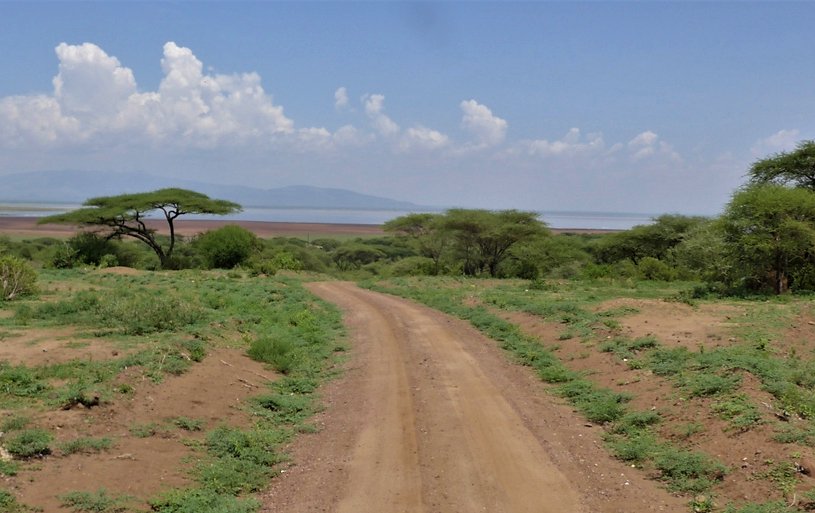
Away from the water the land rolls in low hills studded with baobab trees, some of them centuries old, their fat trunks scarred where elephants have stripped the bark for moisture. There are open plains, patches of acacia woodland, rocky outcrops, and stands of tall miombo further out. The baobabs give Ruaha a distinct character, a landscape that photographs beautifully in the low gold light of morning and evening. Hornbills and barbets nest in the old trees, and the whole scene has a raw, unmanicured feel that suits the park’s remote nature.
Ruaha reads like Africa before the crowds arrived. Baobabs, a wide river, big prides, and a game drive track that is yours alone.
Game Drives And Walking Safari Options
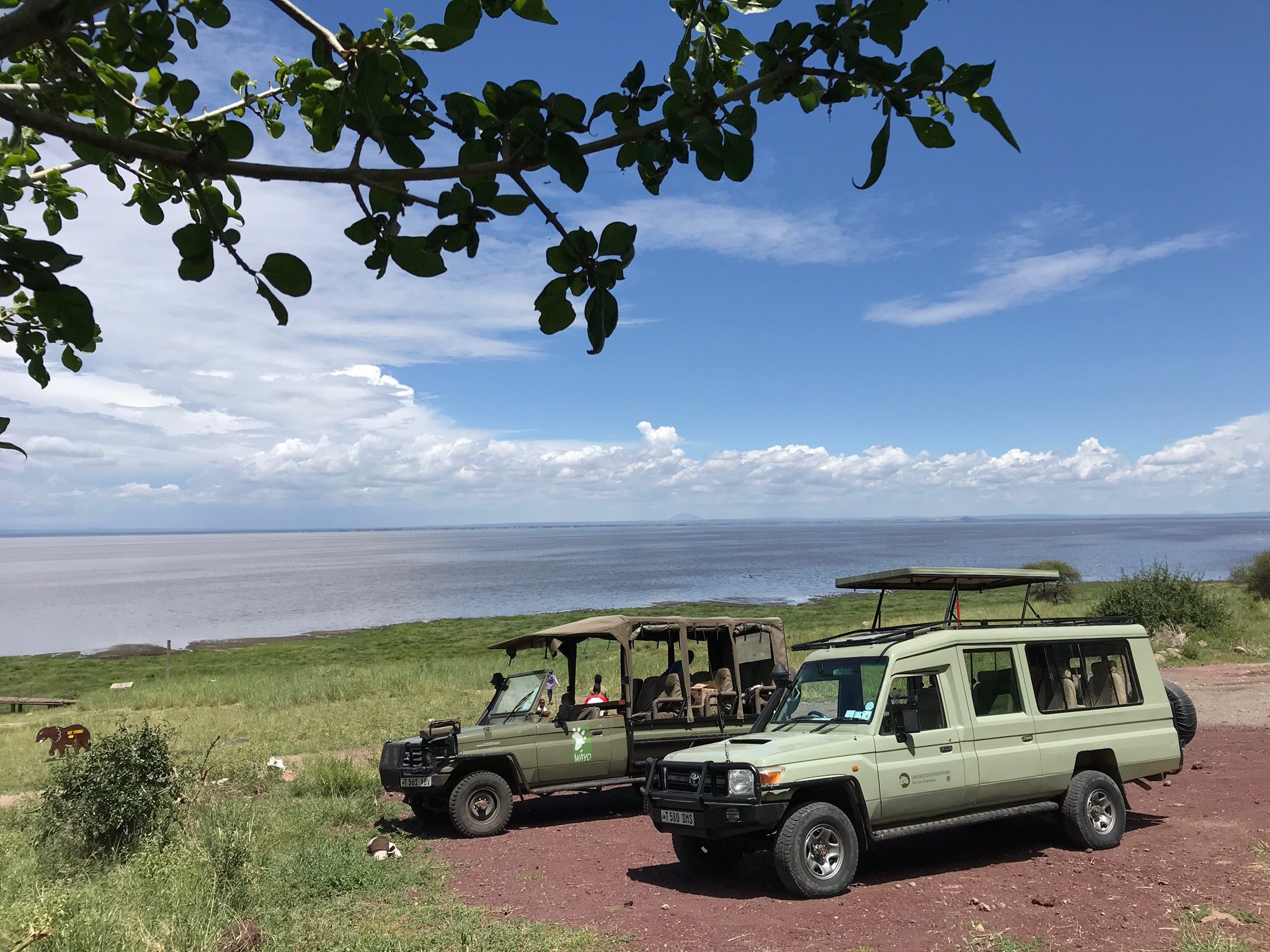
The core activity is the game drive in an open sided four wheel drive, and the camps run them twice a day. The morning drive leaves around dawn, when the air is cool and the cats are still active, and returns for a late breakfast. The afternoon drive heads out as the heat drops and often stays out for a sundowner as the light turns. Because so few vehicles work the park, guides can sit with a sighting for as long as it stays interesting without a line of trucks forming behind them. That freedom changes the feel of the whole tour.
Ruaha is also one of the finest walking parks in Tanzania. A walking safari with an armed guide and a ranger takes the pace right down. Instead of scanning for the big five from a seat, you learn to read tracks in the dust, identify trees and their uses, follow the calls of birds, and understand the small signs that make up the bush. Walking puts you at eye level with the land in a way no vehicle can, and in a park this empty it feels genuinely wild. Some camps also offer fly camping, where you spend a night out under a simple mesh tent, and night drives where private concessions allow them, giving a chance at nocturnal species like genet, civet, and bushbaby.
Morning game drive: Cool air, active predators, and the best light of the day along the river tracks.
Afternoon and sundowner drive: Softer heat, animals moving to water, and a drink stop as the sun drops behind the baobabs.
Guided walking safari: Tracks, trees, birds, and bush craft at a slow pace with an armed guide and ranger.
Fly camping and night drives: Offered by some camps and concessions for a deeper, wilder night in the park.
Birdlife And Smaller Wildlife On A Ruaha Tour
Ruaha is a strong birding park, with well over 500 species recorded. The mix of habitats, from riverine forest to open plains to miombo woodland, means the variety is high, and the transition between East and southern African zones brings in species you would struggle to see elsewhere in the country. Look for crested barbets, emerald spotted wood doves, brown parrots, hornbills of several kinds, and a good range of raptors working the thermals over the hills. The wet months bring in migrants and turn the bush green, and while the game viewing is tougher then, the birding peaks.
The smaller cast is worth slowing down for too. Ground squirrels, mongoose, dwarf mongoose colonies in old termite mounds, agama lizards flashing on the rocks, and troops of baboon and vervet monkey all add texture to a day. Ruaha holds both greater and lesser kudu, and the sight of a big kudu bull with his spiralled horns stepping out of the thornbush is a classic southern circuit moment. Sable and roan, both scarce and shy, are among the prizes for anyone who spends enough time here.
How To Get To Ruaha National Park
There are two realistic ways in, and most safari travellers pick the plane. Scheduled light aircraft leave Dar es Salaam in the morning and land at Msembe airstrip near the park headquarters, a flight of roughly two to two and a half hours depending on the route and stops. A second airstrip at Jongomero serves camps in the southern part of the park. Carriers that fly the southern circuit include Auric Air, Safari Air Link, Coastal Aviation, and others, and flights can be linked from Nyerere National Park or Zanzibar so you can build a wider trip. Flying in saves a long, rough overland stretch and drops you straight into the wildlife, which is why it is the standard choice.
The overland option runs through Iringa. From Dar es Salaam you follow the paved A7 highway southwest to Iringa, a drive of about six to seven hours, then continue on gravel for another two to three hours to the park gate. The full run from the coast is around 600 kilometres and takes the better part of a long day, with the final stretch needing a four wheel drive. Iringa itself is a pleasant highland town and makes a natural overnight break, which is why some road trips split the drive there. Overland works well for travellers on a tighter budget, or for those combining Ruaha with a longer route through southern Tanzania, but it asks for time and patience.
Wherever you are coming from, it helps to plan the park alongside the rest of the southern circuit. Ruaha pairs naturally with a river or wetland park to balance the habitats, in the same way northern trips balance a plains park with a forest or lake. If you have visited Mikumi National Park on the drive south, or the tree climbing lion country of Lake Manyara on an earlier northern trip, Ruaha rounds out the picture with its scale and its predators.
Best Time For A Ruaha National Park Safari
The dry season, roughly June through October, is the prime window for wildlife, and it is when most people plan a Ruaha safari. As the rains fade the bush thins out, seasonal pools dry up, and animals crowd towards the Great Ruaha River and the last permanent water. That concentration makes the game viewing reliable and dramatic, with predators shadowing the herds along the shrinking channels. Days are warm and clear, nights are cool, and the mosquito numbers drop, which lowers the malaria risk to its lowest point of the year. The tail end of the dry season, September and October, can be very hot but often delivers the most intense sightings as the water shrinks further.
The green season, from about November to April, tells a different story. Rain revives the plains, the baobabs leaf out, newborn antelope appear, and the birding is at its peak with migrants in residence. Wildlife spreads out because water is everywhere, so sightings take more work, and some roads and camps close during the heaviest rains around March and April. The trade off is a green, photogenic park at its quietest and often at lower rates. For a first visit focused on predators and big herds, aim for the dry months. For birds, scenery, and solitude, the green season has its own appeal.
Planning tip: Two to three nights is a sensible minimum for Ruaha given the effort to reach it. Three or four nights lets you cover the river tracks, the plains, and a walking safari without rushing.
What A Ruaha Safari Is Really Like
The feeling that people carry home from Ruaha is space. Camps are small, often a handful of tents, and the sense of privacy is real. You wake to coffee in the dark, roll out as the sky lightens, and spend the cool hours with the cats and the elephants. Midday is for shade, a long lunch, and a rest while the bush goes quiet in the heat. The afternoon drive runs into the golden hour, and the day usually ends around a fire with the sounds of the bush closing in. There is no rush and no crowd, and that steady rhythm is the point.
Ruaha rewards patience and a willingness to be somewhere genuinely off the main track. Sightings are honest here. You will have days of extraordinary luck and days where the bush keeps its secrets, and both feel earned in a park this wild. For travellers who value quiet, scale, and a strong chance at big predators over ticking off a famous name, a Ruaha National Park safari is one of the most satisfying trips in Tanzania.
Frequently Asked Questions
How much does a Ruaha National Park safari cost?
Costs vary widely with season and camp standard. Park entry fees run around 30 US dollars per adult per day for foreign visitors, paid on top of your accommodation. Mid range tented camps typically fall in the region of 350 to 550 US dollars per person per night, while premium camps with private guiding can run from 700 to over 1,200 US dollars per person per night, usually including meals, drives, and park activities. Light aircraft flights from Dar es Salaam add several hundred dollars each way. Because the park is remote, most people book an all inclusive package that bundles flights, camp, and activities.
Is Ruaha a good park for a first safari?
It can be, though it suits people who want quiet and wildness over famous names. The wildlife density is excellent and the crowds are absent, which many first timers love. The catch is that it takes more effort and cost to reach than the northern parks. If it is your only safari and you want the classic Serengeti image, pair Ruaha with a northern trip. If you want an authentic, uncrowded bush experience, it is a fine first choice.
How many days should I spend in Ruaha?
Plan a minimum of two nights, and three or four if you can. The effort of getting there rewards a longer stay, and extra time lets you work the river tracks, the open plains, and a walking safari rather than rushing a single loop. Many travellers combine Ruaha with Nyerere National Park to build a full southern circuit trip of a week or more.
Will I definitely see lions and elephants?
Sightings are never guaranteed on any safari, but the odds in Ruaha are strong. Elephants are common and often seen in large numbers along the river in the dry season. Lions are numerous, with big prides, and most visitors staying several nights in the dry months see them well. Leopard, cheetah, and wild dog are more of a bonus and depend on luck and a good guide.
Is Ruaha safe and how bad is malaria?
Ruaha is a well managed national park and the camps run experienced guides and rangers, so a normal safari is low risk when you follow guidance about walking and vehicles. Malaria is present, so take a prophylactic recommended by your doctor, use repellent, and sleep under the provided nets. The risk is lowest in the dry season when mosquito numbers fall. Speak to a travel clinic before you go.
Can I combine Ruaha with the beach or other parks?
Yes, and many people do. Light aircraft link Ruaha with Nyerere National Park, Dar es Salaam, and Zanzibar, so a common pattern is several nights on safari followed by a few days on the coast. Overland travellers often pair Ruaha with Mikumi on the drive south. Building a mixed route through the southern circuit is straightforward with a good operator.