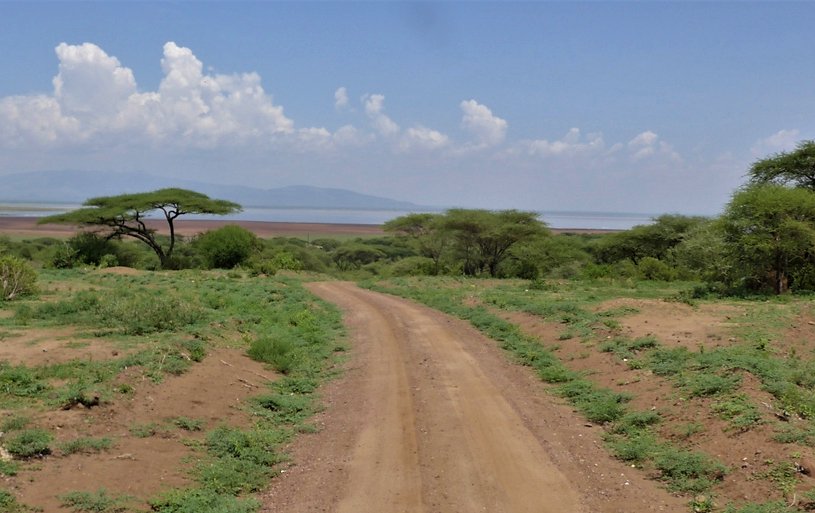
Nyerere National Park is Tanzania’s largest park, covering roughly 30,893 square kilometres of southern bush that was once the northern section of the Selous Game Reserve. Visitors come for boat safaris on the Rufiji River, game drives and walking safaris, with far fewer vehicles than the northern circuit. Named after Tanzania’s first president, it sits deep in the south and rewards travellers who want quiet, water-based wildlife watching.

What sets a safari here apart is water. The Rufiji River, the biggest river in Tanzania, cuts through the park and spreads into a web of lakes, channels and sandbanks. That water changes everything about how you see wildlife. You can watch animals from a boat, walk quietly along the bank with an armed guide, or ride out on a classic game drive, and often all three in a single day. This guide covers what the park is like, the wildlife you can reasonably hope to see, how to get there, when to go, and a few honest notes on what to expect.
Quick orientation: Nyerere National Park is the renamed northern Selous. It is remote, water rich, and best reached by a short flight from Dar es Salaam. The dry months from June to October give the strongest wildlife viewing.
Why a Nyerere Safari Feels Different
Most first time visitors to Tanzania head north to the Serengeti and Ngorongoro. Nyerere pulls a smaller, quieter crowd, and that is part of the appeal. You can spend a morning game drive without passing another vehicle. The landscape is a mix of open woodland, palm fringed channels, grassy floodplains and stands of borassus palm, with the river always somewhere nearby.
The park was named for a British hunter and naturalist, Frederick Courteney Selous, when it was first a reserve, and he died on the banks of the Rufiji in 1917. That history is worth knowing because the reserve reached over 50,000 square kilometres in its largest years, bigger than some European countries. The modern national park is the wildlife rich northern slice of that vast block, the part where safari tourism has always been focused. A Nyerere safari leans on variety rather than sheer animal density, so the reward comes from doing several types of activity across a few unhurried days.
The Rufiji River and Boat Safari
The boat safari is the signature activity of the park, and for many travellers it is the reason to come south. Drifting along the Rufiji puts you at eye level with a different set of animals than a vehicle ever will. Pods of hippo grunt and surface around the boat, and big crocodiles bask on the sandbars with their mouths open to cool down. The wider Selous system is thought to hold one of the largest hippo populations on the continent, so close sightings are the norm rather than luck.
Birdlife along the water is superb. Keep an eye out for the African fish eagle, the malachite kingfisher, the goliath heron, the African skimmer cutting the surface, and colourful bee eaters nesting in the sandy banks. Elephant and buffalo often come down to drink, so you may watch a big herd from the water while it feels entirely unbothered by the boat.
There are usually two kinds of trip on offer. A short sunset or dawn outing of two to three hours works beautifully for photography in soft light, while a longer full day boat safari pushes further along the river and into the connected lakes. The gentle pace suits families and anyone who wants a break from bouncing along dusty tracks.
On the Rufiji you do not chase wildlife. You let the current carry you past it.
Walking Safari and Reading the Bush on Foot
Nyerere is one of the better places in Tanzania for a walking safari, a legacy of its long history as a reserve where foot exploration was always part of the offering. Walking changes your scale. Instead of scanning the horizon from a seat, you follow tracks in the sand, notice which way the dung beetle rolled, and learn the difference between a lion print and a hyena print from your guide.
Walks go out early in the morning with an armed ranger and a knowledgeable guide, usually in small groups for a couple of hours. You will not always find big animals on foot, and that is the point. The walk is about the small things, the bird calls, the termite mounds, the smell of crushed wild basil, and the quiet thrill of being on the same ground as elephant and buffalo with nothing between you and the bush. When you do come across game on foot, the feeling is very different from watching it through a windscreen.
Game Drive Wildlife and What You Can Realistically See
The classic game drive still forms the backbone of most safari days here. Vehicles work the tracks near the river and the lakes in the early morning and late afternoon, when animals are active and the light is kind. Here is an honest picture of the main wildlife.
Elephant. The park holds a large elephant population and herds gather near water in the dry months. It is worth knowing the recent history. The wider Selous once held well over 100,000 elephants, but heavy poaching between roughly 2009 and 2014 cut those numbers hard, down to somewhere near 13,000 across the region. Anti poaching work has helped the population steady and recover, and elephant sightings on a dry season drive are common.
Lion. Estimates for lion across Nyerere and the surrounding Selous run wide, from well over a thousand into the several thousands, which tells you the count is uncertain rather than precise. In practice you have a fair chance of seeing lion on a multi day visit, often resting in the shade near the floodplains, though nothing is guaranteed on any single drive.
African wild dog. This is one of the last strongholds for the endangered African wild dog, and it may be the wildlife highlight of the whole park. The greater Selous and Nyerere area is thought to hold several hundred dogs spread across a good number of packs. Sightings are most reliable in the dry season, and the denning months around June and July can be especially rewarding when a pack settles in one area. Even so, wild dogs range enormously, so treat any sighting as a lucky bonus rather than a certainty.
Hippo, crocodile and plains game. Water loving species are everywhere along the Rufiji. On drives you will also see giraffe, zebra, wildebeest, impala, greater kudu and the handsome sable antelope, along with waterbuck near the channels. Leopard live here too but stay shy, so consider a leopard a genuine stroke of fortune.
Boat Safari on the Rufiji
Two to three hour sunset trips or full day river and lake outings. Best for hippo, crocodile, waterbirds and elephant coming to drink.
Guided Walking Safari
Early morning walks with an armed ranger. Best for tracks, birds, small wonders and the raw feel of the bush on foot.
Classic Game Drive
Morning and afternoon drives near the river and lakes. Best for elephant, lion, wild dog, giraffe and antelope.
How to Get to Nyerere National Park
The easy answer is to fly. A scheduled flight from Julius Nyerere International Airport in Dar es Salaam reaches the park’s airstrips in about an hour, which is by far the most comfortable way in. Coastal Aviation, Auric Air, Regional Air and Safari Air Link all serve the route, with morning and afternoon departures on most days, and connections are also possible from Zanzibar. Because the park is a huge remote wilderness, there is no single airport. Instead a network of all weather gravel airstrips scatters across the region, and your camp will meet you at the nearest one.
One practical note on the small planes: baggage is usually capped at around 15 kilos per person in soft bags, so pack light and leave the hard suitcase in a hotel store room in Dar. Driving is possible too, and the road from Dar es Salaam to the Mtemere Gate covers roughly 230 kilometres and takes about five hours, but the flight saves a long day and lets you start your safari fresh. Many people combine a few days here with a beach stay on Zanzibar, which the short flight times make simple.
Best Time to Visit for the Best Tour
The strongest wildlife viewing runs through the dry season, roughly June to October. As the land dries out, the bush thins, water shrinks back to the Rufiji and its lakes, and animals gather where the water is. That concentration makes game drives and boat trips far more productive, and it is prime time for wild dog sightings. This is the window most guides will steer you toward for a first visit.
The green season from December to February has its own charm. The country turns green and full, many animals give birth, and the birding is at its finest with migrant species present. It is a lovely quieter time, though the taller grass can make spotting harder. The long rains from March to May bring the heaviest weather, and parts of the park can become hard to reach, with some camps closing for the season, so this is the period to approach with care. If you want the most dependable safari, aim for the middle of the dry months.
Planning tip: Give yourself at least three nights so you can fit a boat safari, a walking safari and two or three game drives without rushing. The park rewards a slow pace, and the variety of activities is the whole point of coming here.
Where Nyerere Fits on a Southern Tanzania Tour
Nyerere pairs naturally with the other parks of the southern circuit if you have the time, and each one offers something a little different. Mikumi National Park lies within easy reach and gives open plains that many compare to a compact version of the Serengeti, which makes it a good add on for classic drive based viewing. For a wilder, more rugged feel with big elephant herds and dramatic river gorges, travellers often continue on to Ruaha National Park further inland. Building a route across two or three of these parks turns a single park visit into a proper southern Tanzania safari, and the light aircraft network makes hopping between them straightforward.
If you would rather have specialists handle the flights, camps and permits, working with dedicated Nyerere and Selous safari specialists takes the logistical weight off your shoulders and helps you match the right camp to your budget and pace.
Practical Tips for a Smooth Nyerere Safari
6 Days Lake Manyara, Serengeti & Ngorongoro Crater
3 Days Lake Manyara & Tarangire
5-Day Arusha, Lake Manyara, Tarangire & Ngorongoro Safari
A few plain pointers make the trip run better. Bring neutral coloured clothing in earthy tones, since bright white and dark blue are best avoided in tsetse fly country, and long sleeves help in the heat of the day. Pack a good pair of binoculars, as much of the pleasure here is in birds and distant game. A light waterproof and a warm layer for early boat trips and dawn walks are worth the space, because mornings on the water can feel cool before the sun climbs.
Sun protection matters on open boats, so carry a hat, sunscreen and plenty of water. Malaria is present, so speak to a travel clinic about prevention well before you go. Finally, keep your expectations honest and flexible. Wildlife here is wild and thinly spread across a very large area, so the magic often comes from the setting and the mix of activities as much as from a checklist of big cats. Come for the river, the walking, the space and the quiet, and the sightings become the bonus on top.
Frequently Asked Questions About Nyerere National Park
Is Nyerere National Park the same place as the Selous Game Reserve?
Largely, yes. In 2019 the government took the northern part of the old Selous Game Reserve and gazetted it as a new national park named after Julius Nyerere, the first president of Tanzania. The southern block keeps the Selous Game Reserve name and is still used mainly for hunting concessions, while the wildlife tourism you read about happens in the new national park.
How much does a Nyerere safari cost?
Costs vary widely with camp standard and season. Park entry fees run in the region of thirty to fifty US dollars per adult per day, and short boat safari trips often fall somewhere between fifty and two hundred US dollars per person depending on the outing and group size. Full safari packages that bundle flights, camp, meals and activities cost much more, so it pays to get a tailored quote for the length of stay and comfort level you want.
How do I get to the park from Dar es Salaam?
The simplest way is a scheduled light aircraft flight of about one hour from Julius Nyerere International Airport in Dar es Salaam to one of the park airstrips, where your camp collects you. Driving is possible too, taking around five hours to the Mtemere Gate, but flying is far more comfortable and lets you begin your safari the same day.
What is the best time of year to visit?
The dry season from June to October gives the strongest game viewing, because animals gather near the shrinking water and the thinner bush makes them easier to spot. The green season from December to February is beautiful and excellent for birds, while the long rains from March to May can flood parts of the park and lead some camps to close.
Will I definitely see wild dogs and lions?
No sighting is ever guaranteed. Nyerere is one of the best places in Africa to look for endangered wild dogs, and the dry season, especially the denning months of June and July, gives the best odds. Lion are present in good numbers but spread across a huge area. Over a stay of a few days your chances of seeing both are fair, but treat each sighting as a reward rather than a certainty.
What activities can I do besides game drives?
The park is known for its variety. Alongside classic game drives you can take a boat safari on the Rufiji River, join a guided walking safari with an armed ranger, and in some areas enjoy fly camping for a night under canvas. This mix of water, foot and vehicle safari is the main reason travellers choose the south over the busier northern parks.