
Green Parrot Campsite and Lodge is a budget campsite with simple lodge accommodation in Mto wa Mbu, the town at the gate of Lake Manyara National Park in Tanzania’s Arusha Region. It serves campers, overlanders and low budget safari travellers, booked directly or as the Manyara overnight on an operator itinerary. On TripAdvisor the young property carries a 4.9 rating from its earliest guests.
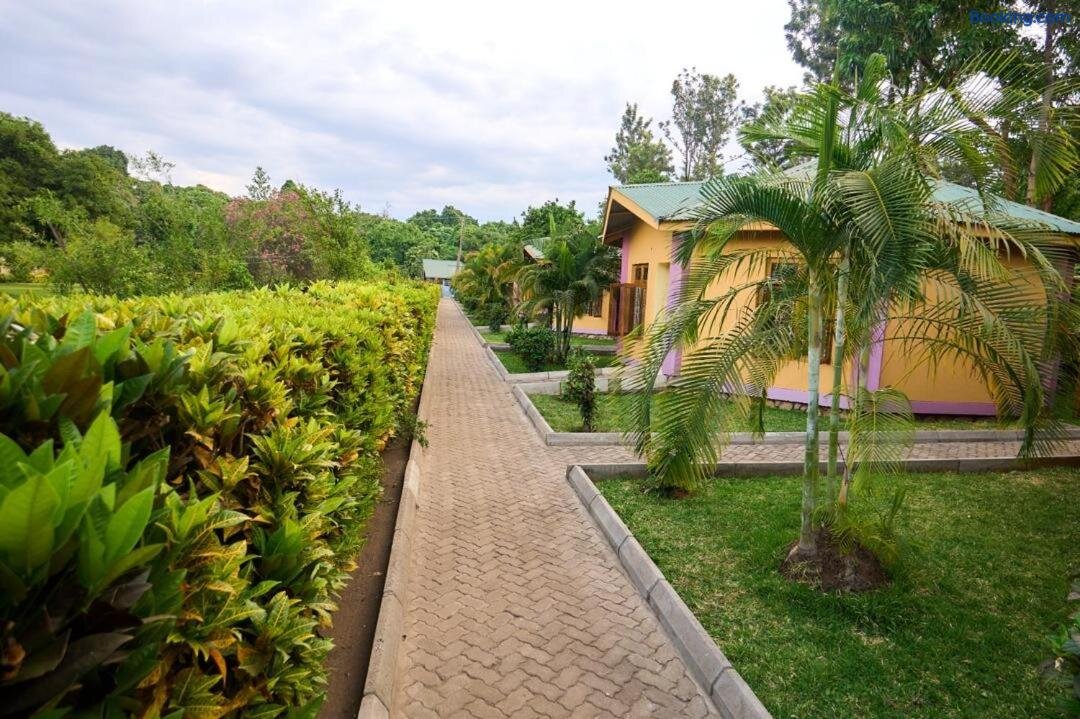
Green Parrot Campsite and Lodge: The Short Version
Some places on the northern circuit sell views, others sell spas. Green Parrot sells position and price. You get ground for a tent or a basic room, in a town where a national park begins at the last row of banana trees, for the kind of money that keeps a long African trip alive. Its early reviewers have scored it near the top of the scale, which for a new campsite usually signals two things, clean facilities and owners who show up.
The name suits the setting. Mto wa Mbu is a genuinely green town, an irrigated pocket of rice, bananas and shade trees pressed against the base of the Rift Valley escarpment, loud with birdsong at dawn. Lovebirds and other small parrots move through the fig trees around town, so do not be surprised if the campsite’s namesake flies over your breakfast.
Pitches, Rooms and the Overland Camping Experience
Camping is the heart of the operation. Grass pitches take everything from a solo hiker’s dome tent to overland trucks and self drive 4x4s with rooftop tents, with shared bathrooms and washing up areas serving the ground. The lodge side adds simple rooms for travellers who want a mattress and a door, or for the night the rains argue against canvas.
Because the property is young, details like room numbers and extras are best confirmed directly when you book, and expectations should stay realistic: this is a budget stop, run simply. What early guests praise is the care, the security of the compound and the helpfulness of the people running it, the things a tired driver actually needs at six in the evening.
Camp when the sky is dry and the budget matters. Your tent, their ground, shared showers, and the evening soundtrack of a farming town winding down beneath the escarpment.
Take the room in the rainy months, after illness, or on the night before a dawn crater run, when packing a wet tent at five would break your spirit.
Camp Life Between Game Drives
Campsites in Mto wa Mbu have their own rhythm. Vehicles roll out for the park before seven, and the ground goes quiet except for hoopoes and weavers working the grass. Afternoons bring everyone back dusty and full of stories, cookers hiss under pots, and travellers wander into town for cold drinks, chips mayai from the street grills or a bunch of the red bananas the town trades in.
Evenings are sociable in the best low key way. Routes get compared, park fee knowledge gets passed along, and someone always has a spare seat in a safari vehicle leaving tomorrow. If you are new to the circuit, one night at a working campsite will teach you more logistics than a week of internet research.
Tip: Bring a headlamp and a small padlock. Campsite lighting in town runs on mains electricity that dips without warning, and a lockable tent or bag keeps temptation away while you are out on a game drive.
Lake Manyara Safaris From the Campsite
The park entrance lies minutes from town, so Lake Manyara safaris from Green Parrot waste no daylight on transfers. Self drivers can pay fees at the gate and take their own vehicle in, while travellers without wheels arrange a driver and guide locally, often splitting costs with other campers. Half day and full day options both work, and morning entry beats afternoon in almost every month.
What waits inside is unusually varied for a compact park. A spring fed forest at the entrance gives way to woodland, swampy river mouths, open grass flats and finally the white rimmed soda lake itself, all stacked between the escarpment wall and the water. That compression is why Manyara drives feel busy: habitats change every quarter hour, and each change brings different animals to the track edges.
Forest Watching: Elephants, Lions and Birds of Manyara
The groundwater forest sets Manyara apart from every other stop on the circuit. Fed by springs seeping from the base of the Rift wall, it stays deep green in the driest October, and its residents are correspondingly bold: baboon troops hundreds strong, blue monkeys, bushbuck, and elephants that ghost between the mahoganies far more quietly than their size suggests.
Out on the acacia flats, giraffe and buffalo are regulars, hippos crowd the pools, and the park’s lions keep their well documented habit of lounging in trees, a sight guides treat as a good day rather than a guarantee. Birders do best of all here. More than 400 species have been recorded, from silvery cheeked hornbills in the canopy to pelicans and, in season, huge flamingo flocks tinting the lake pink.
Habitats change every quarter hour inside Manyara, forest to swamp to soda shore, which is why a small park fills a whole day so easily.
Village Tours, Banana Beer and Tingatinga Painters
Camp in town and the town becomes part of the trip. Local guides run village tours on foot or by bicycle from the neighbourhood around the campsites, threading through rice paddies, banana groves and irrigation channels that have made this dry valley bloom. Stops usually include a banana beer brewery, where the drink ferments in gourds and visitors are invited to taste, and workshops where Tingatinga painters and wood carvers sell direct.
The central market rounds out the loop with produce, spices and fabric under tin roofs, a genuine working market rather than a show for visitors. Tours run two to three hours, cost little, and pay local guides directly. On a rest day between parks, this is the best value activity on the entire northern circuit.
Crater and Tarangire Trips From Green Parrot
Green Parrot’s location earns its keep on multi park itineraries. Tarangire National Park sits about an hour southeast via the Makuyuni junction, its river drawing elephant herds through the dry months, and makes a clean day trip with an early start. The Ngorongoro Conservation Area lies the other way, up the escarpment through Karatu, with the Lodoare gate roughly ninety minutes from town and the crater floor another descent beyond.
Overland groups often use Mto wa Mbu campsites as the cheap night between the expensive park days, and self drivers do the same in miniature, sleeping here twice while ticking off Manyara, Tarangire and the crater from one base. It saves money and it saves repacking, which after a week on the road feels almost as valuable.
Who Should Camp at Green Parrot, and Who Should Not
The property fits overlanders, self drive campers, backpackers with tents, and budget safari groups whose operators use town campsites to keep package prices down. It also suits flexible travellers happy to trade facilities for savings and location, and its early rating suggests those guests leave satisfied.
Skip it if you need en-suite comfort, air conditioning, a pool or on demand hot everything, because the escarpment lodges and midrange town hotels exist for exactly that. Families with very young children manage fine at town campsites, but light sleepers should bring earplugs, since roosters and mosque calls start Mto wa Mbu’s day early.
Getting to Green Parrot Campsite and Lodge for Your Safari
The drive from Arusha covers about 126 kilometres of sealed road and takes near two hours, with Kilimanjaro International Airport around an hour further upstream. Buses and shared cars ply the route to Karatu all day and stop in the town centre, leaving a short bodaboda hop to the campsite. Anyone local can point you there.
Self drivers coming off the Serengeti and Ngorongoro side descend the escarpment from Karatu in under an hour, arriving with time to pitch before dark. Confirm directions and opening hours with the property when you book, as young campsites sometimes relocate signage faster than online maps update.
Best Season to Pitch a Tent for Manyara Game Drives
14-Day Ultimate Tanzania Safari, North to West
4-Day Ngorongoro, Tarangire & Lake Manyara Explorer
7-Day Arusha to Serengeti Northern Circuit Safari
For camping, the June to October dry season wins without argument: firm ground, cool starlit nights, dust instead of mud, and wildlife pulled tight to Manyara’s permanent water. January and February offer a second dry window that works nearly as well. Book ahead in both, since overland schedules cluster on the same weeks.
The short rains of November and December stay campable between showers and bring the year’s best birding, with migrants flooding in and flamingo numbers often rising on the lake. The long rains from March to May are the hard months under canvas, better spent in the lodge rooms, though the escarpment runs with waterfalls and the park turns extravagantly green for those who chance it.
Frequently Asked Questions About Green Parrot Campsite and Lodge
Where exactly is Green Parrot Campsite and Lodge?
It is in Mto wa Mbu town, near the base of the Rift escarpment and minutes by road from the Lake Manyara National Park entrance. Confirm the precise turn off with the property when booking, since it is a newer site.
How much does camping at Green Parrot cost?
Camping here sits at the very bottom of the local price range, the cheapest way to sleep beside Manyara, with the simple rooms costing more than a pitch but still far below the area’s lodges. Ask for current rates when you book, as figures move with season.
Can overland trucks and rooftop tents use the site?
Town campsites in Mto wa Mbu are built around exactly that traffic, and Green Parrot takes vehicles and ground tents alike. Large groups should give notice so space and facilities are ready.
Does the campsite arrange Lake Manyara game drives?
Staff can connect you with local drivers and guides, and fellow campers often share vehicles to cut costs. Book the vehicle a day ahead in the dry season, and pay park fees electronically at the gate.
Is there food, or do I cook for myself?
Campers usually self cater or eat cheaply at the street grills and canteens a short walk away, and simple meals may be available on site depending on the day. Check when booking rather than assuming a full restaurant service.
Is a tent in town safe with wildlife nearby?
Yes. The campsite sits inside a farming town outside the park boundary, behind a compound fence, so the wildlife risk is nothing like camping in the parks themselves. Ordinary travel precautions with valuables are all that is called for.
Plan Your Stay at Green Parrot Campsite and Lodge
Slot Green Parrot in as your Manyara base for one or two nights, either booked directly or written into a budget safari operator’s northern circuit route between Tarangire and the crater. Two nights lets you pair a full park day with a village cycling tour and an unhurried evening in town.
Contact the property ahead with your dates, group size and whether you need a pitch or a room. Simple stays reward simple planning, and this one asks for nothing more.


