
The Lake Manyara hot springs, known as Maji Moto, are a field of steaming, mineral-rich pools at the southern end of the lake where the ground runs hot enough to scald. Visitors reach them on a long drive down the quiet southern circuit, usually as part of a full-day game drive rather than a quick detour. The springs sit on a narrow strip between the Rift Valley escarpment and the western shore in northern Tanzania.
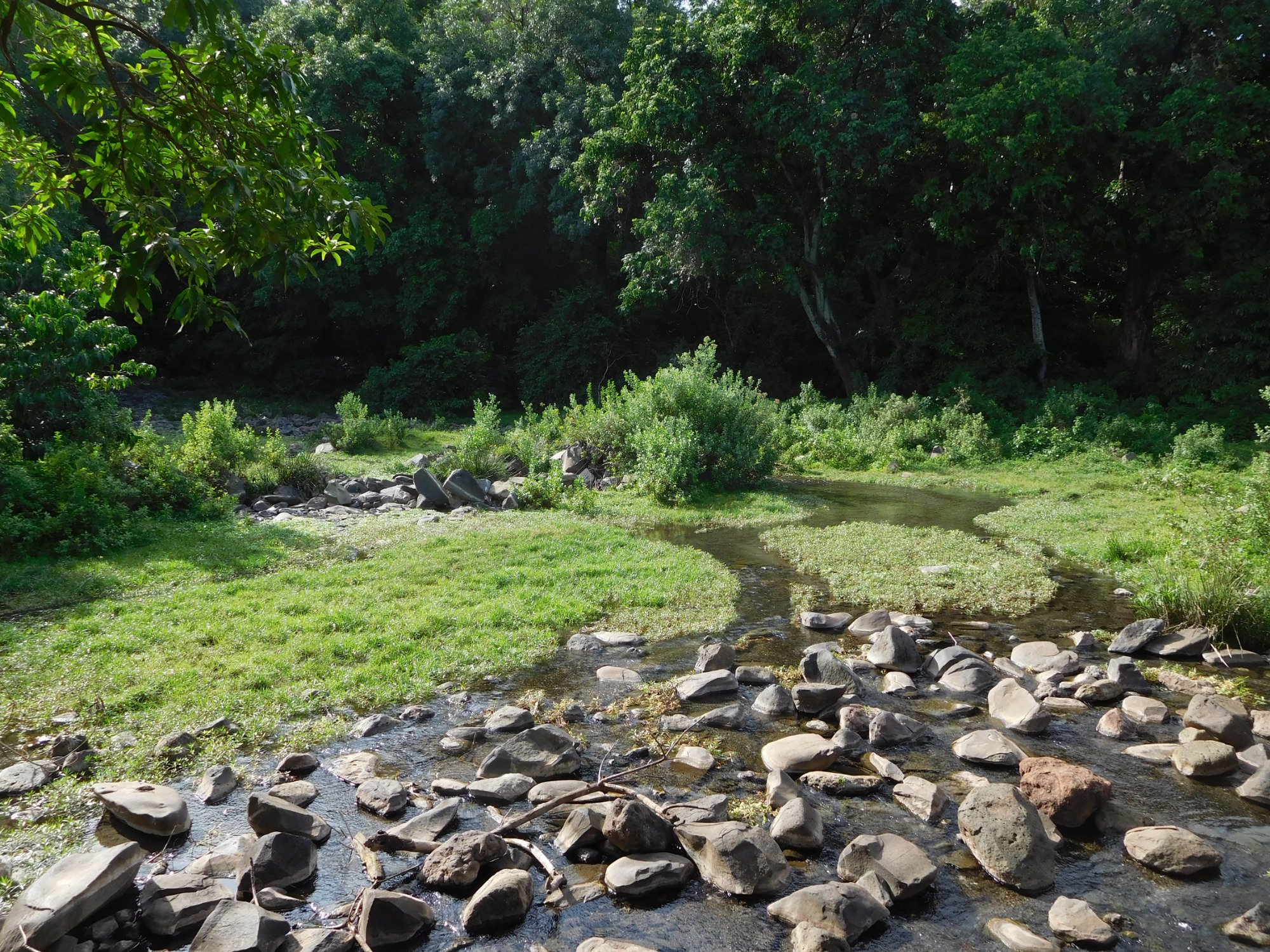
The name says it plainly. Maji Moto means hot water in Swahili, and the local guides usually call the main site Maji Moto Kubwa, or the big hot water. This is not a warm bathing pool you can slip into. It is a set of geothermal springs where water seeps out of the valley wall at scalding temperatures, bubbles across a swampy flat, and finally drains toward the lake. Reaching them means committing to a long day deep inside the park, which is part of why they feel like a reward.
Because the springs sit so far south, they pair naturally with a longer game drive. If you are still mapping out your visit, this list of things to do in Lake Manyara helps you slot the springs into a sensible route rather than treating them as a quick detour.
What The Maji Moto Hot Springs Actually Are
The springs form a large swampy area on the western shore of Lake Manyara National Park, close to the southern boundary and the edge of the Marang Forest Reserve. Water rises from a series of vents along the base of the Rift Valley wall, seeps through soft ground, and pools in shallow channels before working its way into the lake. In places the mud and rock carry a bright yellow crust of sulfur, and the air near the hotter vents carries a faint mineral smell.
The pools are not one single spring. There are several vents scattered across the flat, and they run at different temperatures. Some seep out warm, in the range of forty degrees Celsius. The hottest, which is the one guides make a show of, sits far higher. Guides routinely lower an egg into the hottest pool on a string and pull it out cooked a few minutes later, which is the clearest proof of just how hot the water really is.
Around the wetter ground you find doum palms and wild fig trees, and the mix of open water, reeds, and warm mud draws in birds and the occasional troop of baboons. It is a small, contained scene rather than a sweeping vista, and that intimacy is part of the appeal. You walk out over a swamp that steams gently in the morning light and watch water boil straight out of the earth.
Why The Springs Are So Hot: The Rift Valley Story
The heat comes straight from the geology of the place. Lake Manyara lies inside the Gregory Rift, the eastern arm of the East African Rift system that runs down through Kenya and northern Tanzania. Here the African Plate is slowly pulling apart into two smaller plates, the Nubian side to the west and the Somali side to the east. That splitting thins and cracks the crust, and it leaves the region geologically restless, with fault lines, earthquakes, and warm ground that all point to activity still going on below.
In a setting like this, rainwater and groundwater sink down through fractures in the rock. As the water descends, it moves closer to hot rock heated by the shallow, restless crust. The water warms sharply, becomes buoyant, and rises back toward the surface through other cracks. By the time it reaches the swampy flat at Maji Moto it is scalding, and it carries dissolved minerals with it. As those minerals cool and dry at the surface they leave the yellow, orange, and white stains that streak the ground around the vents.
The springs are less a curiosity and more a window into the plate tectonics quietly reshaping this corner of Africa.
The same forces that heat the water built the towering escarpment that walls off the western edge of the park. So when a guide stops the vehicle and points from the steaming pools up to the cliff behind them, the two features are telling the same story. The wall rose because the land dropped along a fault, and the water is hot because that fault still runs deep and warm.
The Long Drive South To Reach The Springs
The reason so many visitors never see the springs is simple. They are a long way in. Most people enter through the main gate at the northern tip of the park, spend an hour or two in the groundwater forest and along the lakeshore, and turn back. The hot springs sit near the far southern end, and getting there is a serious drive that eats up most of a day.
From the northern gate the track runs south through the shifting habitats of the park, and reaching the springs takes roughly two hours of steady driving if you do not stop, and considerably longer once you factor in wildlife sightings along the way. A common route strings together the Hippo Pool, the open Endala plains, and the wide Silale Swamp before finally arriving at Maji Moto near the southern boundary. This is why the springs are best treated as the anchor of a full day game drive rather than a casual add on.
A vehicle with four wheel drive is strongly recommended, and in the wet months of the year it is close to mandatory. The southern tracks cross low, damp ground, and a heavy rain can turn sections slick and boggy. Going with a guide who knows the current state of the roads matters far more here than it does on the busy northern circuit.
Because the run south is long, plan your fuel, water, and food before you leave the gate. There is no shop waiting for you at the springs, and the nearest reliable stop for supplies is back near the town of Mto wa Mbu at the park entrance.
What The Visit Is Like At The Springs
Arriving at Maji Moto after a couple of hours of driving has a real sense of payoff. You step out near the edge of the swamp, and a raised wooden boardwalk carries you out over the wet, hot ground. The walkway stands roughly a metre and a half above the surface and runs a few hundred metres across the flat, winding among the pools and past the reeds before it ends at a small observation platform with open views over the water and out toward the lake.
The boardwalk exists for good reason. The ground below it is soft, hot, and unsafe to walk on directly, so the raised path keeps you clear of scalding mud while still letting you get close to the vents. From the planks you can watch the hottest pool bubble, look for the yellow sulfur crusts, and take in the strange contrast of steam rising against the green palms and the pale lake beyond.
The classic moment is the egg. Guides often carry a couple of eggs and a length of string, lower them into the hottest spring, and hand them around cooked a few minutes later. It is a simple trick, but standing on a boardwalk over a boiling swamp and eating an egg the earth just cooked for you is the kind of thing people remember long after the game drive fades.
Why You Cannot Swim In The Springs
It is worth being blunt about this, because the word springs makes some people imagine a soak. You cannot swim or bathe in the Maji Moto hot springs, and you should not try. The hottest pools run well above sixty degrees Celsius, hot enough to boil an egg, which means they are hot enough to cause severe burns almost instantly. This is not a spa. It is an active geothermal field.
The ground itself adds a second hazard. Around the vents the earth is soft, waterlogged, and unpredictable, so stepping off the boardwalk risks both scalding and sinking. That is precisely why the raised walkway was built. Stay on the planks, keep children close, and treat the pools the way you would treat any open flame. Admiring the water and testing it with an egg is the whole experience here, and it is plenty.
If your heart is set on actually getting onto the water rather than over it, that belongs to a different part of the park. The northern flats near the lake edge are where boat based activity happens, and a gentle canoe safari gives you time on the water in a safe, cool setting that the hot springs never could.
Combining The Springs With The Iyambi Gate And Tree Lodge
The smartest way to handle the long drive is to make it a through route rather than a return trip, and the southern Iyambi Gate is what makes that possible. The Iyambi Gate sits at the southern boundary of the park, close to the hot springs and to the andBeyond Lake Manyara Tree Lodge, and it works as an entry or exit point for guests on full day drives and for those staying deep in the south.
A well planned safari can enter through the northern main gate, spend the day working south through the forest, the plains, and the swamps, reach Maji Moto in the afternoon, and then leave through Iyambi rather than driving all the way back the way it came. That turns a long out and back slog into a single continuous line across the whole length of the park, with the springs as a natural high point near the end.
The Tree Lodge makes the far south a destination in its own right. Built among ancient mahogany trees on raised timber decks with a light footprint, it lets guests base themselves near the quiet southern reaches, which are far less travelled than the north. From there the hot springs are a short drive rather than a marathon, and the surrounding tracks stay peaceful long after the northern loop fills with vehicles.
Planning A Full Day Safari Around The Hot Springs
Because the springs demand a full day, timing and pacing matter. An early start from the main gate gives you the cool morning hours for wildlife on the northern flats, room to linger at the Hippo Pool, and enough daylight to reach Maji Moto without rushing. The middle of the day, when animals go quiet and the heat builds, is actually a fine time to be out on the boardwalk, since the springs do not care about the sun.
Food is worth thinking through in advance. A long southern route puts you far from the entrance for lunch, so most people pack a boxed meal and stop at one of the designated rest spots along the way. Knowing the layout of the park’s picnic sites before you set off helps you plan a comfortable break rather than eating in the vehicle beside the springs.
Carry more drinking water than you think you need. The drive is long, the southern flats get hot, and there is nowhere to restock once you leave the northern end of the park.
Wildlife And Scenery Along The Southern Track
The drive to the springs is not dead time. The route south passes through some of the richest and least crowded country in the park. The Hippo Pool gives you hippos and a spread of water birds. The open Endala plains hold grazers and the predators that follow them. The Silale Swamp, a wide belt of permanent wetland, is one of the best areas in Manyara for elephants, buffalo, and big flocks of birds drawn to the standing water.
Because so few vehicles come this far south, the wildlife along this stretch often feels calmer and the sightings more private than on the busy northern loop. Flamingos gather on the lake flats when water levels suit them, and the mix of forest, plain, and swamp means the scenery keeps changing as you drive. By the time you reach the steaming pools you have already crossed most of the habitats the park is known for, which makes the springs feel like the last chapter of a long story rather than an isolated stop.
Practical Advice For The Trip
3-Day Family Ruaha National Park Safari
6-Day Arusha, Tarangire, Serengeti & Ngorongoro Safari
11-Day Northern Circuit & Nyerere Selous Safari
A few plain points make the day go smoothly. Go with a guide and a sturdy vehicle, since the southern tracks are rough and can flood. Set out early to give yourself the full window of daylight. Pack food, water, and sun protection, because the far south has no facilities. Keep to the boardwalk at the springs and never test the pools with anything but a guide’s egg on a string.
Think of the hot springs less as a single sight and more as the destination that shapes an entire day of driving. You are trading a long haul for something genuinely unusual, a corner of the park where the Rift Valley shows its heat at the surface. Handled that way, with realistic timing and the right route through the Iyambi Gate, Maji Moto turns into one of the most distinctive things you can do in the whole of Lake Manyara.
Frequently Asked Questions
How hot is the water at the Maji Moto hot springs?
The hottest pools bubble at well over sixty degrees Celsius, and several sources put the main vent closer to seventy degrees. That is hot enough to cook an egg in a few minutes, which is exactly the demonstration guides do at the springs. Other vents in the same swamp run cooler, around forty degrees, but none of them are safe to touch.
Can you swim or bathe in the Lake Manyara hot springs?
No. The water is far too hot for any contact and would cause serious burns within seconds. The ground around the vents is also soft and scalding, which is why a raised boardwalk carries visitors safely over the swamp. The springs are for looking at, not for soaking. If you want time on the water, the boat activities in the northern part of the park are the safe alternative.
How long does it take to reach the springs?
Plan on roughly two hours of driving from the main northern gate if you push straight through, and a good deal longer once you stop for wildlife along the way. The springs sit near the far southern boundary, so realistically this is a full day game drive rather than a quick visit. Many people prefer to break up the return by exiting through the southern Iyambi Gate.
What does it cost to visit the hot springs?
There is no separate charge for the springs themselves. You pay the standard park entry fee, which for a foreign adult sits in the region of fifty to sixty United States dollars per day, with lower rates for East African residents and for children. On top of that you cover your guide and vehicle, since a self driven trip this far south is not advisable. Check current rates with your operator before you travel, as fees are reviewed regularly.
Do I need a four wheel drive vehicle to get there?
Yes, a vehicle with four wheel drive is strongly recommended and close to necessary in the rainy months. The southern tracks cross low, damp ground that can turn muddy and slick after rain. Going with a guide who knows the current road conditions is the safest way to reach the springs without getting stuck.
What is the best way to combine the springs with a lodge stay?
The far south works best if you base yourself near the Iyambi Gate, where the andBeyond Lake Manyara Tree Lodge sits among old mahogany trees. From there the hot springs are a short drive instead of a long haul, and the quiet southern tracks stay peaceful. A common plan is to enter from the north, drive the length of the park, and end the day near the lodge and the springs.


